main Takeaways
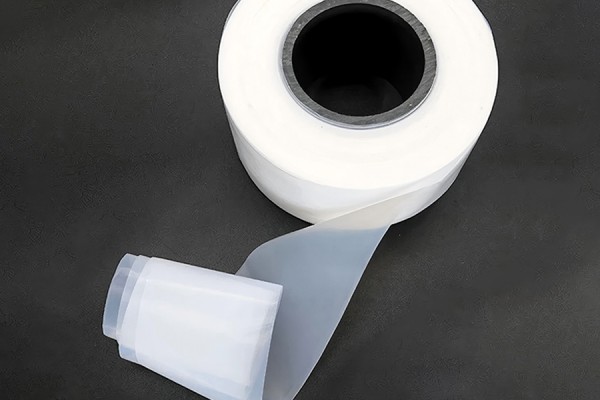
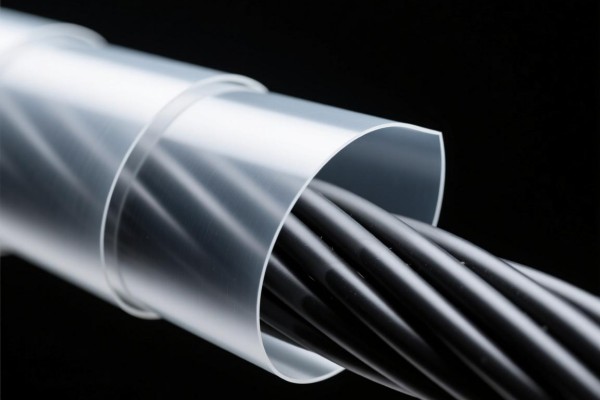
PTFE wrapping film for cables helps make electronic wiring more reliable. Its strong insulation prevents leakage and keeps signals clean, which matters for devices that depend on precise data transfer. The film’s flexibility lets it fit around complex cable layouts, easing installation in tight spaces. Its high temperature tolerance means it performs across a wide range of conditions, useful in aerospace and automotive work. This combination of insulation, bendability, and thermal stability not only improves performance but also lengthens cable life, supporting dependable and efficient electronic systems across industries. The use of PTFE wrapping positions it as a go-to choice for engineers dealing with today’s demanding tech requirements.
boost Wiring Performance
The performance of wiring improves when you use a PTFE wrap for cables. It offers strong insulation, guarding against leakage and signal loss, which matters for high-speed lines. The wrap also adds bendability, letting wires be routed and installed in tight spaces without damage. It stands up to temperature extremes, staying intact from -150 to 260 degrees Celsius. That makes it well-suited for aerospace and advanced telecoms.
| Feature | Benefit |
|---|---|
| Excellent insulation | Reduces electrical leakage |
| Flexibility | Eases installation in tight spots |
| High-temperature tolerance | Keeps performance in extreme conditions |
High-speed lines benefit from this wrap, improving overall cable efficiency.
This robust performance makes it a solid choice for situations that demand reliability and efficiency in fast-evolving electronics.
Benefits of PTFE Film
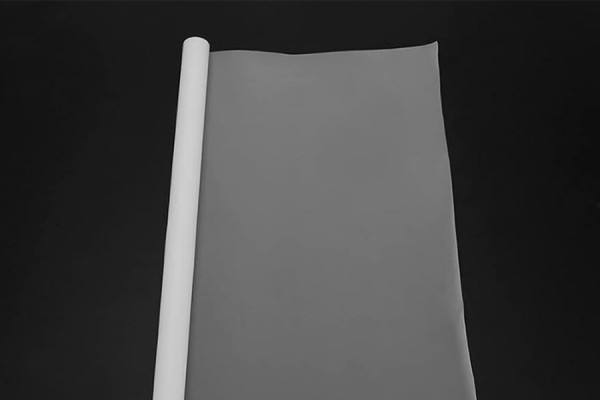
PTFE film is known for its excellent insulation, stopping electrical leakage and keeping high-voltage operation safe. Its wear resistance helps cables last longer, especially in tough environments. The material’s flexibility lets you wrap around complex cable geometries without losing performance, smoothing installation. It also resists heat well, operating across a wide range from -150 to 260 degrees Celsius. This matters wherever temps swing wildly, where other materials might fail. The film holds up to chemical exposure, protecting cables from corrosive substances in many industrial settings. By reducing dielectric losses and supporting better overall conductivity, PTFE film boosts cable performance and is a key component in modern electronics and communications.
Superior insulation solutions
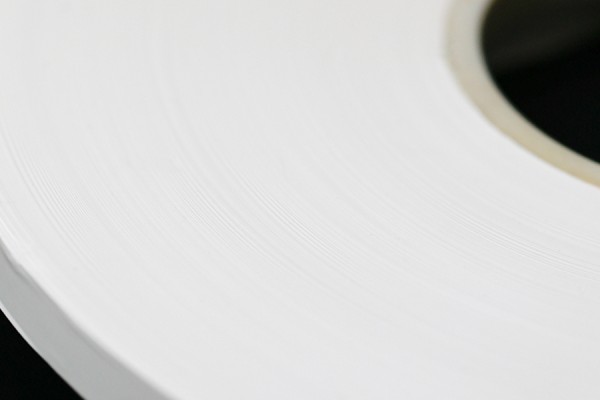
PTFE wrap for cables provides strong insulation, keeping signals clear through wiring. It cuts dielectric losses and reduces interference, helping signals travel cleanly. Its low-friction surface helps cables last longer and resist wear. The non-conductive nature of the material also guards against accidental shorts from environmental factors. This makes it suitable for settings with high electromagnetic interference, where steady insulation matters. The film holds up under heat and chemical exposure, staying reliable even after long runs in harsh conditions.
Flexibility in High-Tech Cables
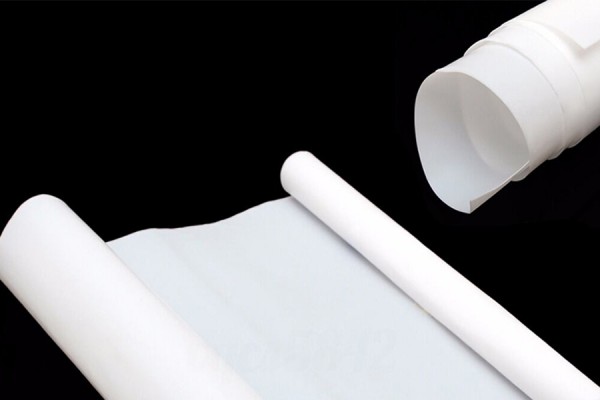
PTFE wrapping film for cables offers real flexibility, key for advanced tech. It lets cables bend and twist through tight spaces without losing performance. In compact setups—inside devices or aircraft systems—that bendability matters. The film also stays tough under movement, keeping up with robotics where wires move a lot without failing. It keeps its shape under different strains, helping cables last longer. That flexibility goes with reliability in modern electronics; cables must adapt quickly to different layouts while staying dependable, and this wrap helps with that.
Temperature resistance features
PTFE wrap for cables handles extreme temperatures, staying intact from -150 to 260 degrees Celsius. The material holds steady under heat, keeping insulation reliable in hot runs. This heat tolerance suits many devices, from cars to aircraft, where conditions swing. It also has low thermal conductivity, which helps cut down heat buildup inside wires and protects components. The stable performance extends cable life and can reduce maintenance costs. This resilience supports steady high-frequency signaling without dropping quality. The wrap appeals to designers who need dependable behavior under tough thermal loads.
Applications in Modern Electronics
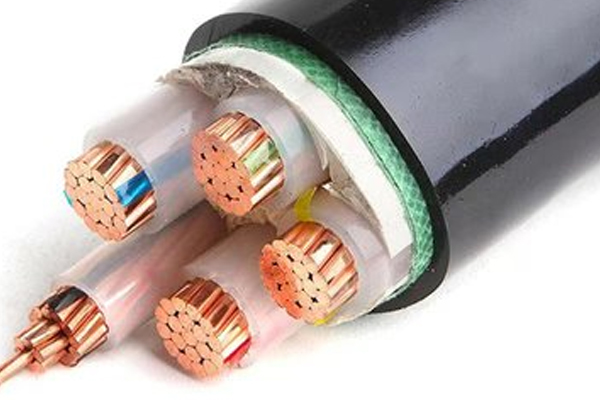
PTFE wrapping film for cables offers insulation and protection in many electronics applications. It suits high-frequency data transmission in RF coax cables, keeping losses low. In medical devices, reliability matters, and this film helps guard against interference while staying flexible for compact designs. Automotive wiring uses it where temperatures rise and motion is constant. Aerospace relies on its robustness and heat resistance in demanding environments. Its ability to tolerate -150°C to 260°C broadens its use in automation and telecoms, where performance depends on material resilience and efficiency.
Why choose PTFE Wrapping?
PTFE wrapping brings clear benefits to building high-performance cables. It provides strong insulation to cut energy loss and reduce interference, which matters for devices that rely on precise data. The material’s natural flexibility helps it adapt to tight bends and various shapes inside complex cable runs. It stays reliable at high temperatures, useful in harsh environments like aerospace or defense. This mix of insulation, bendability, and heat tolerance makes it a solid option over older materials that struggle under stress. Electronics keep changing fast, and you want something that can keep up; PTFE wrapping is a practical choice for demanding specs.
Maximizing cable efficiency
Wraps for cables help boost the overall performance of wiring. It provides strong insulation to cut energy loss and keep signals clean. Its flexibility lets it wrap around different cable layouts without compromising function. It also stands up to heat, so cables stay reliable in tough environments, from heavy machinery to modern communications. The material holds up under harsh conditions, helping cables last and maintain performance over time. All of this makes the wrap a sensible choice for sectors that value efficiency and dependable operation in their cable systems.
Conclusion
Wraps for cables made from PTFE play a key role in how electronic wiring performs. The material handles heat and interference well. Its insulation keeps signals clean and strong, useful in telecom and aerospace. It also bends and fits into compact layouts. Technology keeps moving, and you need reliable materials that stand up to tough conditions. Choosing PTFE wrapping supports present needs and can drive improvements across electronics, making it a practical option for engineers and manufacturers. In the end, PTFE wrapping helps maintain the integrity and efficiency of electronic systems as requirements evolve.
FAQs
What is the PTFE wrap for cables used for?
It provides insulation and protection for electronic wiring and helps performance in many applications.
How does this film boost insulation?
It reduces electrical leakage and avoids signal degradation, supporting fast transmission.
Can the wrap endure high temperatures?
Yes, it withstands extreme temperatures from -150 to 260 degrees Celsius without losing insulating properties.
Is this film flexible?
Yes, it remains highly flexible, able to follow complex cable routes and fit into tight spaces.
Where is this wrap used?
Applications include aerospace, automotive, telecoms, and medical devices where dependable performance matters.