Key takeaways
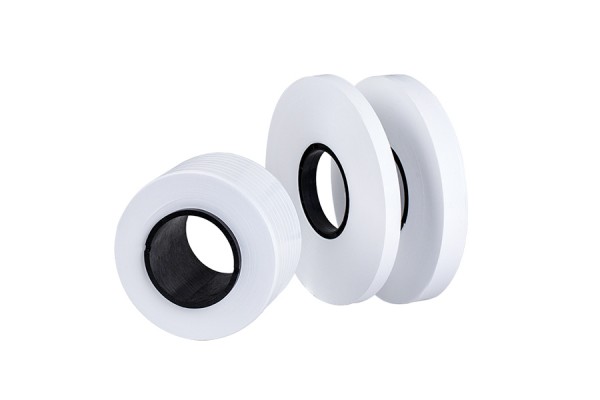
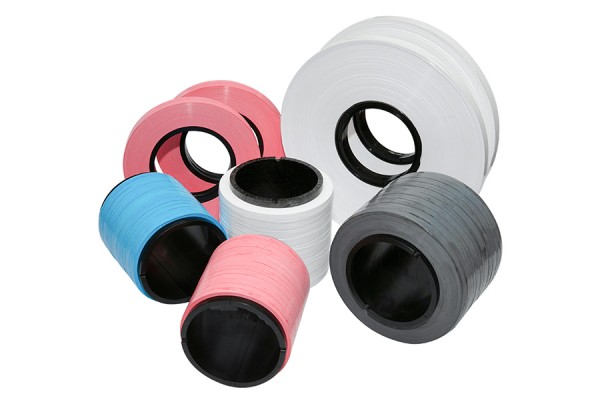
PTFE high-speed cable film stands out in the realm of data transmission technologies. Its low dielectric constant plays a critical role in minimizing signal loss, which is vital for achieving high-speed data transfers. The excellent insulation properties further protect against interference, ensuring that signals remain clear and intact throughout their journey. PTFE’s remarkable stability under varying environmental conditions adds to its appeal, allowing it to perform reliably in both extreme temperatures and humidity. This combination of features makes PTFE cable film indispensable in applications ranging from telecommunications to aerospace. The ongoing advancements in this technology demonstrate the increasing importance of PTFE film as industries seek efficient materials to meet growing demands for robust communication systems. As the landscape of cable technology evolves, PTFE continues to be a key player, supporting higher data rates and improved performance across modern electronic devices.
Benefits of PTFE Cable Film
PTFE cable film offers numerous advantages that significantly improve the performance of high-speed data transmission. One key benefit is its low dielectric constant, which minimizes signal delays and enhances transmission speeds. With excellent electrical insulation properties, PTFE wrapping film prevents signal loss, ensuring integrity in communication systems. Its wide temperature tolerance allows it to function effectively in extreme environments, making it suitable for various applications. Furthermore, the chemical inertness of PTFE film ensures durability against corrosive substances, contributing to a longer lifespan for cables.
PTFE cable wrapping tape is particularly beneficial in high-frequency applications, such as RF coaxial cables and high-speed communication lines. The unique characteristics of this material help support consistent performance across a range of conditions. As technology continues to progress, PTFE Thread Seal Tape and DAC high-speed cable wrapping film are increasingly utilized for their reliability in enhanced data performance. Manufacturers are focusing on the development of advanced films specifically tailored for modern telecommunication needs, further solidifying the role of PTFE in shaping future cable technology.
Enhancing data performance with PTFE
PTFE high-speed cable film plays a vital role in improving data performance across various communication technologies. Its low dielectric constant minimizes signal loss and ensures that data travels more efficiently. This characteristic is especially significant in high-frequency applications where data integrity is paramount. The excellent electrical insulation provided by PTFE helps protect signals from interference, which is essential for maintaining clarity and speed during transmission. Additionally, the stability of PTFE under varying environmental conditions further enhances its effectiveness. By ensuring reliable performance even in extreme temperatures or humid environments, PTFE supports continuous data flow without interruptions. The ability to maintain consistent performance enables devices to operate smoothly and efficiently, aligning with the growing demands for faster and more reliable communication in modern electronics. This combination of properties makes PTFE cable film an indispensable component in high-speed data transmission systems.
Low dielectric constant advantages
the low dielectric constant of PTFE high-speed cable film significantly enhances data performance by minimizing signal loss and transmission delays. This property allows for efficient signal transfer, especially in high-frequency applications where maintaining data integrity is vital. With a dielectric constant comparable to that of air, PTFE effectively reduces capacitive coupling, allowing cables to function optimally over long distances without degradation. Additionally, this characteristic aids in reducing interference from external sources, thereby fostering clearer communication signals. The ability to transmit signals with minimal distortion impacts applications that rely on rapid data transfers, such as telecommunications and data centers. As communication technologies evolve, the importance of materials with low dielectric constants becomes increasingly crucial in ensuring the reliability and efficiency of modern electronic devices.
Insulation properties of PTFE Film
PTFE film showcases exceptional insulation properties that are vital for high-speed cable applications. Its high dielectric strength prevents electrical leakage and short circuits, ensuring reliable performance in demanding environments. This type of film not only insulates but also minimizes interference, enhancing signal integrity across various frequencies. Moreover, PTFE’s inherent chemical inertness contributes to its insulation capabilities, enabling it to resist degradation from harsh substances that could compromise performance. By maintaining stable insulating qualities over a wide temperature range, PTFE film ensures consistent functionality even in extreme thermal conditions, making it an ideal choice for applications in telecommunications and data transmission. Additionally, the low dielectric constant of PTFE helps reduce signal delay, which is increasingly important in high-frequency data communication systems. This combination of effective insulation and low signal loss reinforces the role of PTFE film as a key component in modern communication technologies.
Stability in Extreme Conditions
PTFE high-speed cable film exhibits notable stability under extreme environmental conditions, making it a favorable choice in various applications. Its performance remains consistent across a broad temperature range, from very low to high extremes. This characteristic allows the cable film to function effectively in environments that would degrade other materials. Additionally, PTFE’s chemical inertness means it does not react easily with harsh chemicals or solvents, further enhancing its durability. This film is particularly useful in outdoor installations where exposure to varying weather elements is common. Its hydrophobic nature ensures that moisture does not compromise its electrical properties, maintaining reliability even in humid conditions. The ability to withstand thermal cycling without significant degradation underscores PTFE’s essential role in modern communication technologies, where maintaining data integrity is critical despite environmental challenges.
Applications of High-Speed Cable Film
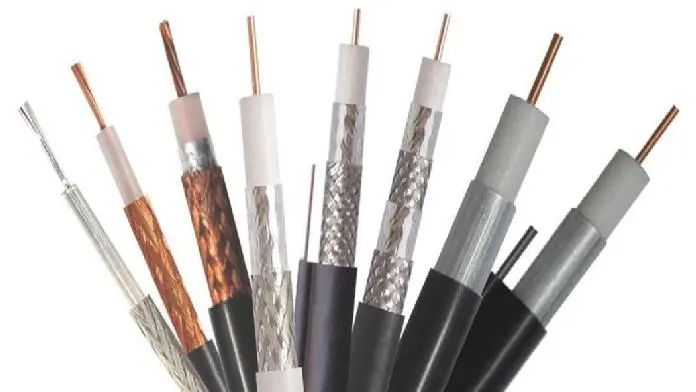
PTFE high-speed cable film finds extensive use in various sectors, particularly in telecommunications and data transmission. Its low dielectric constant makes it ideal for RF coaxial cables, where minimizing signal loss is crucial for data integrity. Furthermore, the excellent electrical insulation properties of PTFE contribute to reliable communication systems by preventing short circuits and signal leakage. Industries focused on high-speed data communications increasingly rely on this material for high-frequency applications. Additionally, PTFE film is integral to the development of phase-stable cables utilized in microwave communications, where maintaining consistent performance under varying conditions is essential. The versatility of PTFE also extends to applications in semiconductor technology and renewable energy sectors, highlighting its adaptability across diverse environments. As technology evolves, the demand for materials like PTFE high-speed cable film will likely increase, driving further innovations and improvements in cable design and performance across modern communication frameworks.
PTFE Film in Modern Communication
PTFE film plays a vital role in modern communication technologies due to its exceptional properties that enable superior data transmission. Its low dielectric constant minimizes signal delay, which is crucial for applications requiring high-speed communication. This characteristic allows PTFE film to support seamless data transfer in advanced telecommunications systems, where every microsecond counts. Additionally, the excellent insulation properties of PTFE film prevent signal interference, which is essential for maintaining the integrity of data across various channels.
As communication devices demand greater efficiency and reliability, PTFE film meets these needs with its wide temperature tolerance and chemical resistance. These features ensure that cables remain functional even in harsh environmental conditions, expanding their applicability in diverse settings such as aerospace, automotive, and defense industries. Furthermore, with the ongoing development of wireless technologies and smart devices, the demand for durable and efficient materials like PTFE is set to grow. This highlights its importance not only from a technological standpoint but also in supporting future advancements in this rapidly evolving field.
Future trends in Cable Technology
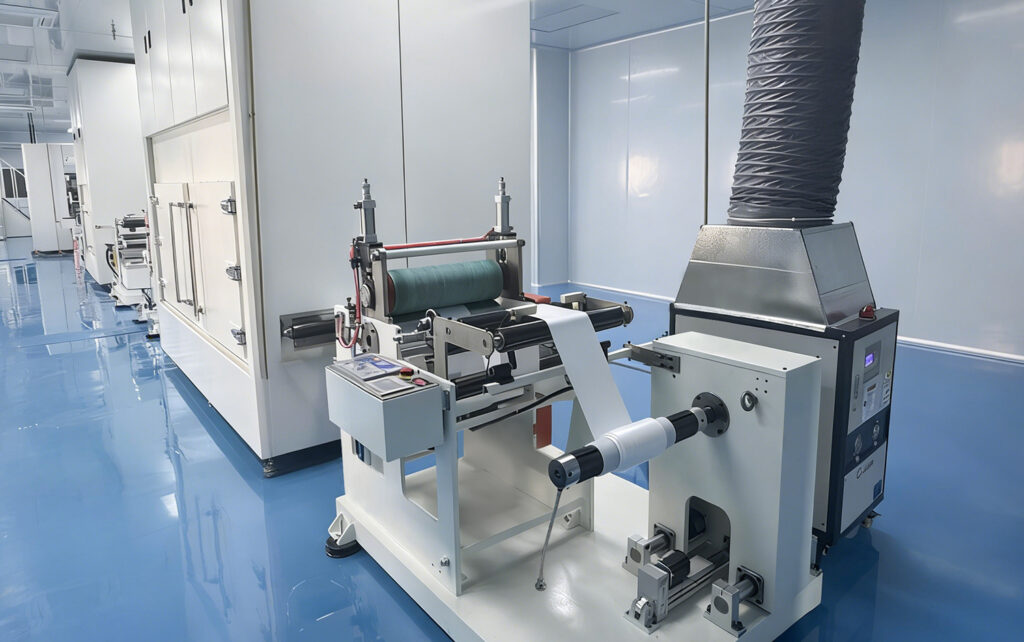
The evolution of cable technology continues to progress with significant advancements in materials like PTFE high-speed cable film. These developments are driven by the increasing demand for faster data transmission and enhanced communication capabilities. Manufacturers are focusing on improving the properties of cable films, such as reducing dielectric loss and increasing durability against environmental factors. Innovations in production techniques aim to yield films with customizable lengths and widths, allowing for greater flexibility in various applications. Additionally, the integration of smart technologies is becoming more prevalent, enabling real time monitoring and diagnostics within cable systems. This trend not only enhances performance but also facilitates proactive maintenance. As industries increasingly adopt high-frequency applications, PTFE cables will play a vital role in supporting these technological shifts, ensuring reliable performance across telecommunications and data-intensive sectors. The future landscape of cable technology promises continued growth and adaptation to meet the needs of modern electronics.
Conclusion
the use of PTFE high-speed cable film presents significant benefits that enhance data performance in modern communication systems. Its low dielectric constant reduces signal loss, enabling more efficient data transmission, which is vital for high-frequency applications. The excellent insulation properties of PTFE film protect signals from interference, while its stability in extreme environmental conditions ensures reliable performance. As technology continues to advance, the applications for PTFE cable film will expand across various sectors, including telecommunications, aerospace, and renewable energy. The anticipated developments and innovations in this field will rely heavily on the unique properties of PTFE film, solidifying its role as a critical component for achieving higher data rates and improved communication efficiency. Through ongoing research and adaptation, PTFE high-speed cable film is poised to remain instrumental in addressing the evolving demands of modern electronics and communication technologies.
FAQs
What is PTFE high-speed cable film?
PTFE high-speed cable film is a type of insulation material used in cables to improve data transmission performance, characterized by its low dielectric constant and excellent thermal stability.
How does PTFE film enhance data performance?
PTFE film enhances data performance by minimizing signal loss, allowing for faster data transmission and maintaining signal integrity in high-frequency applications.
What are the insulation properties of PTFE film?
The insulation properties of PTFE film include high dielectric strength, which prevents electrical interference and leakage, ensuring reliable communication in various environmental conditions.
In what conditions can PTFE cable film operate effectively?
PTFE cable film can operate effectively across a wide temperature range and remains stable under extreme conditions, such as high humidity and exposure to harsh chemicals.
What industries benefit from the use of PTFE high-speed cable film?
Industries such as telecommunications, aerospace, automotive, and renewable energy benefit from using PTFE high-speed cable film for its reliable performance in demanding applications.