main Takeaways
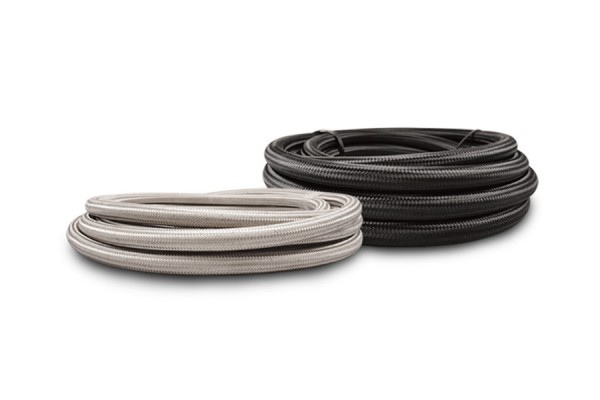
PTFE membranes provide essential benefits across various high-performance applications. Their waterproof breathability effectively protects against moisture while allowing airflow, which is particularly vital for electronic devices and outdoor gear. The impressive temperature resistance ensures reliable performance in extreme conditions, an essential factor in industries like aerospace and automotive. Furthermore, the exceptional filtration efficiency of PTFE membranes enhances the integrity of processes in industries requiring precise separation and clarification, minimizing maintenance needs due to their durability. Industries that leverage PTFE membranes not only gain from improved operational efficiency but also benefit from reduced downtime and lower replacement costs. These unique properties make PTFE a critical material for advancing technology in high-demand environments, thereby supporting innovation and efficiency across multiple fields. The combination of strength, temperature resilience, and effective filtration positions PTFE membranes as indispensable in enhancing product performance and longevity.
Benefits of PTFE Membranes
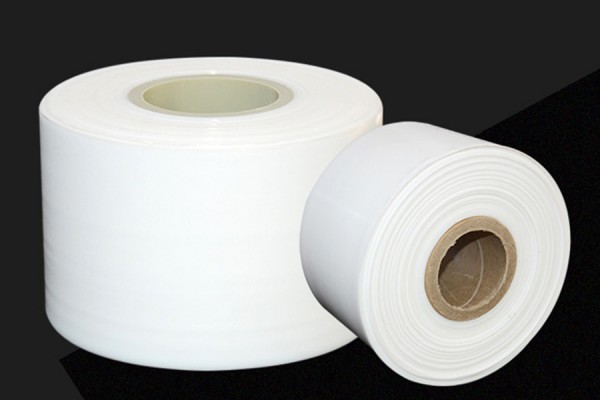
PTFE membranes offer numerous advantages that boost their performance across various applications. Their waterproof breathability is a standout feature, allowing them to effectively block water while permitting air flow, making them ideal for moisture-sensitive environments. This characteristic not only protects electronic devices from damage but also contributes to overall product longevity. Moreover, PTFE membranes exhibit remarkable temperature resistance, maintaining functionality in extreme conditions ranging from -200°C to +260°C. This durability is particularly beneficial in aerospace and automotive applications where reliability under varying thermal conditions is critical. In electronics, the usage of high-speed transmission line PTFE wrapping tape and PTFE cable wrapping tape ensures optimal signal integrity for high-frequency communication systems, like 5G networks. In addition, the filtration efficiency of PTFE membranes allows for effective separation and clarification processes in both aqueous and non-aqueous solutions, further increasing their applicability in industrial settings. Overall, the unique properties of PTFE membranes make them a main component in high-performance environments that demand reliability and efficiency across multiple industries.
Waterproof breathability in PTFE
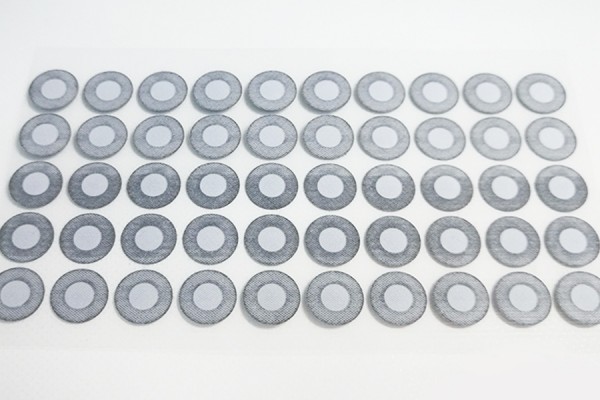
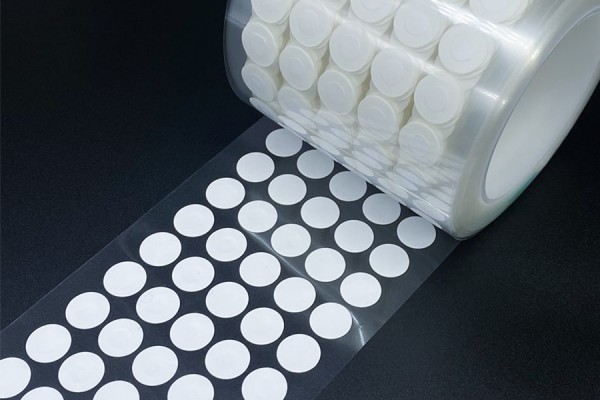
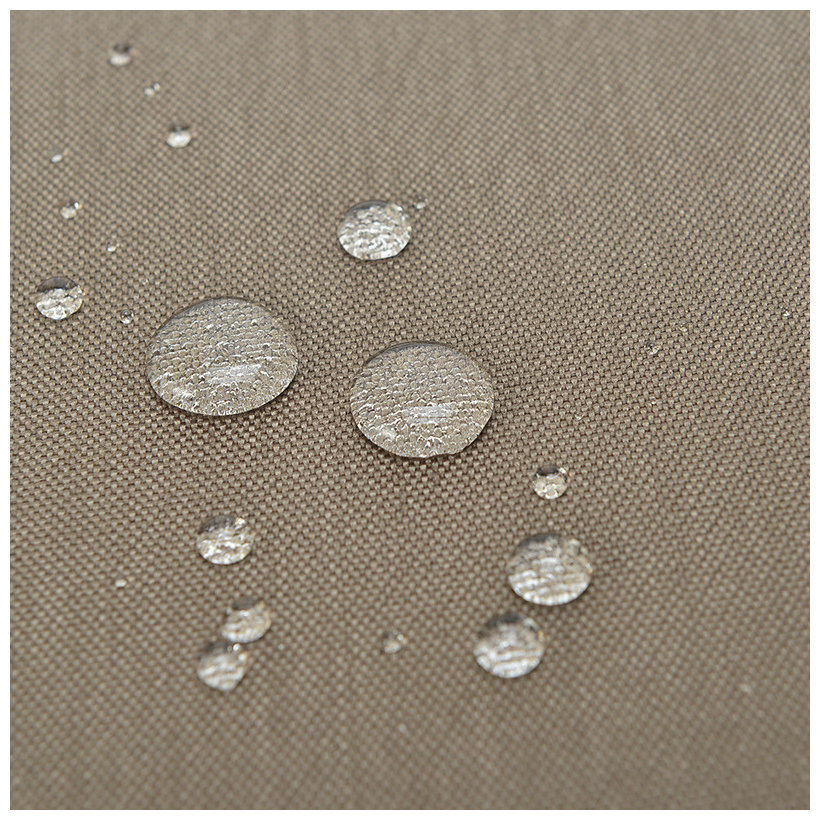
PTFE membranes are renowned for their remarkable waterproof breathability, making them ideal for various high-performance applications. With a porosity exceeding 85%, these membranes effectively facilitate air movement while preventing water penetration. The unique structure of PTFE allows for pore diameters between 0.2 to 3 μm, ensuring that while moisture is kept at bay, gases can easily pass through. This feature is particularly helpful in environments where electronic devices are exposed to moisture, as it reduces the risk of malfunctions related to humidity.
The intrinsic fibrillation of PTFE enhances its breathability by creating a labyrinth of pathways that promote airflow without compromising its waterproof capabilities. This dynamic interaction between water repellency and air permeability plays a critical role in numerous applications, from outdoor gear to medical devices and electronics, where maintaining optimal performance under challenging conditions is essential.
Moreover, the hydrophobic nature of PTFE means it can shed accumulated dust and contaminants easily, maintaining its functionality over time. This durability not only extends the lifespan of products incorporating PTFE membranes but also ensures reliable performance in demanding settings. As highlighted in various case studies, the role of waterproof breathability in PTFE is vital for ensuring that high-performance applications meet both operational demands and longevity expectations.
Temperature resistance of PTFE
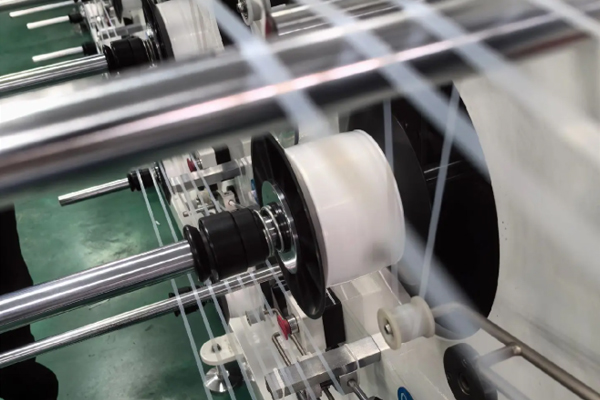
PTFE membranes exhibit remarkable temperature resistance, functioning effectively across a broad range from -200°C to +260°C. This capability is key for applications where materials face extreme conditions, such as aerospace or high-temperature environments found in automotive engines. PTFE can withstand short-term exposures exceeding 300°C without degrading, ensuring reliability in demanding scenarios. This durability is essential for maintaining performance and safety across various sectors that require consistent operation under thermal stress. The impressive thermal stability of PTFE also contributes to its longevity, reducing the need for frequent material replacements in critical applications. As a result, industries that utilize PTFE membranes benefit from enhanced operational efficiency and reduced downtime associated with material failures in harsh conditions.
PTFE Membranes in Electronics
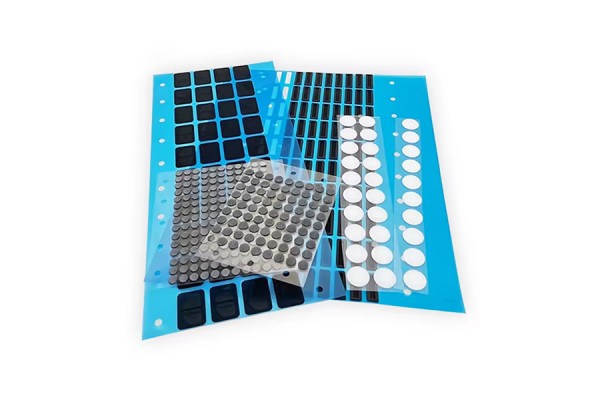
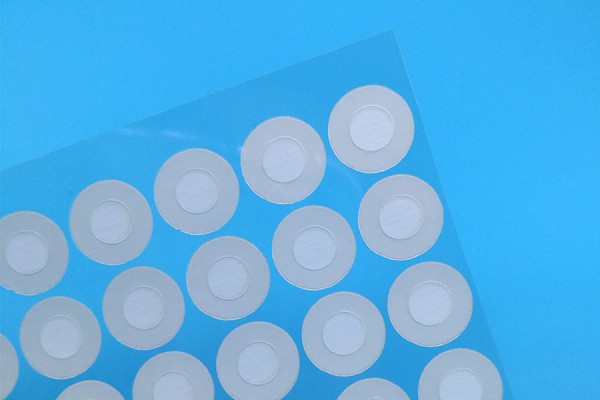
PTFE membranes are increasingly recognized for their essential functions in the electronics industry. Their unique properties, such as a low dielectric constant and minimal dielectric loss, make them ideal for high-frequency applications, particularly in 5G and future 6G communications. These membranes serve as effective insulation for coaxial cables, ensuring clear signal transmission with reduced interference. Furthermore, the waterproof and breathable nature of PTFE membranes not only protects sensitive electronic components from moisture but also regulates internal pressure, enhancing device reliability. Applications extend to various electronic devices including smartphones and automotive radar systems, where PTFE membranes provide not only environmental protection but also contribute to acoustics management. Their ability to withstand extreme temperatures enhances their usability in critical electronics environments, such as automotive systems and aerospace technology, where reliability under harsh conditions is paramount. With these characteristics, PTFE membranes play a vital role in advancing electronic design and functionality across multiple sectors.
Applications in Aerospace Industries
PTFE membranes are increasingly utilized in aerospace due to their exceptional properties. Their lightweight nature combined with waterproof breathability makes them ideal for protecting sensitive equipment from moisture in high-altitude environments. In aircraft, PTFE membranes serve as barriers that prevent water ingress while allowing air circulation, helping maintain the integrity of electronic components. They are also important in fuel cell applications, where their ability to withstand extreme temperatures and corrosive environments ensures reliability and performance. The durability of PTFE membranes is vital during flight operations, where variations in pressure and temperature can affect system functioning. Moreover, the chemical resistance of PTFE makes it suitable for various aerospace applications that involve exposure to fuels and other harsh substances. These characteristics not only boost the functionality of aerospace systems but also prolong the service life of critical components, showcasing the versatility and importance of PTFE membranes in modern aviation technology.
Filtration efficiency of PTFE
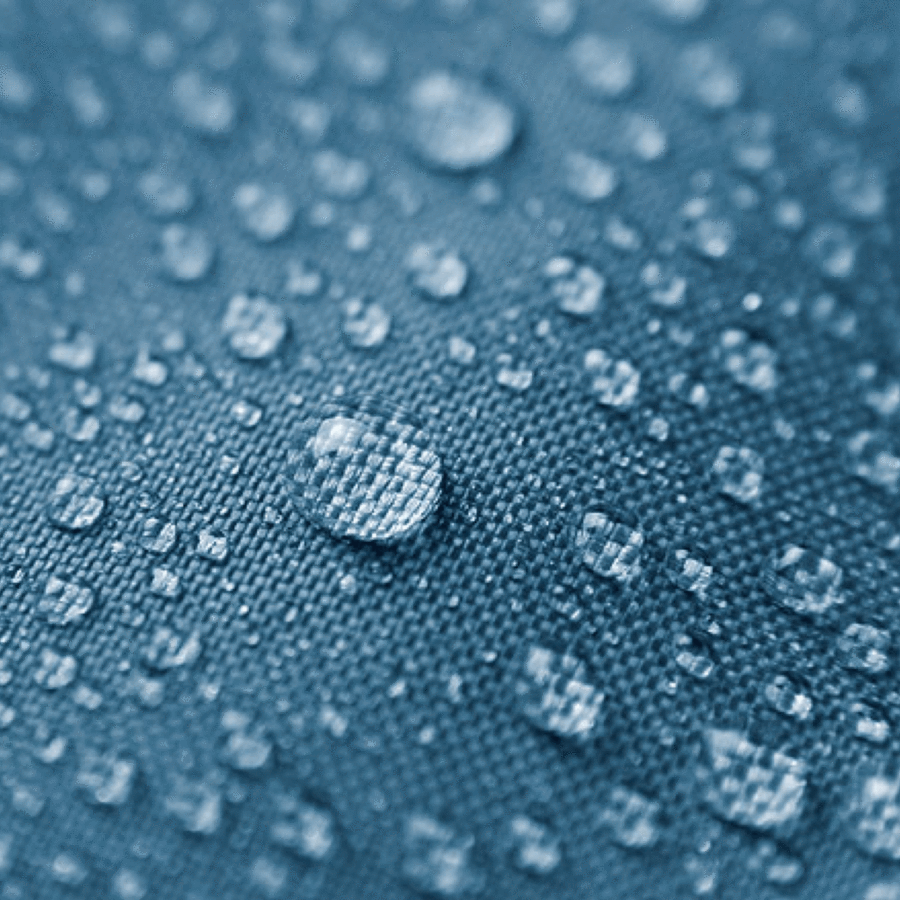
PTFE membranes demonstrate exceptional filtration efficiency, making them ideal for various industrial applications. Their unique microporous structure allows for the effective separation of particles while maintaining high airflow. This property is particularly beneficial in environments requiring precise filtration, such as pharmaceutical manufacturing and laboratory settings. The pore sizes range significantly, facilitating the exclusion of contaminants from gases and liquids, which enhances the quality of processed materials. Moreover, PTFE’s chemical resistance ensures that these membranes remain stable under harsh conditions, allowing for extended use without degradation. This durability translates to lower maintenance costs and fewer replacements, promoting overall efficiency in filtration systems. also, laminated PTFE versions strengthen these membranes further, improving their handling characteristics and resistance to solvents. As a result, industries relying on precise filtration techniques recognize PTFE membranes as a vital component in maintaining operational integrity and product purity.
High-Performance Uses for PTFE
PTFE membranes find extensive applications in various high-performance sectors due to their unique properties. In the automotive industry, these membranes are employed in components that require durable, moisture-resistant materials capable of operating under extreme temperatures. Their ability to withstand temperatures ranging from -200°C to +260°C makes them ideal for engine parts and sensors. In the field of telecommunications, PTFE is key for the insulation of coaxial cables used in 5G and 6G networks, ensuring effective signal transmission with minimal loss. also, industries focused on filtration leverage PTFE membranes for their high porosity and resistance to chemical corrosion, making them suitable for applications like solvent filtration and air sampling. Their strength is further enhanced when laminated onto other materials, allowing for improved performance under pressure. The combination of waterproof breathability and structural integrity makes PTFE membranes invaluable in environments demanding reliability and efficiency. With these attributes, they serve an essential role across many high-tech fields, continually improving efficiency and performance standards.
Durability and Strength of PTFE
PTFE membranes exhibit remarkable durability and strength, making them suitable for various demanding applications. Their unique molecular structure contributes to high resistance against corrosion and chemical degradation, ensuring long term performance even in harsh environments. This robustness translates into excellent mechanical strength, allowing PTFE to withstand substantial physical stress without compromising integrity. furthermore, the reliable performance of PTFE membranes in extreme temperatures ranges from -200°C to +260°C, with short-term capabilities exceeding 300°C. This thermal resilience is key for applications in industries such as aerospace and automotive, where materials must endure extreme conditions without failure. Furthermore, the inherent properties of PTFE enable it to resist wear and tear, thereby reducing maintenance requirements and extending service life. Overall, the durability and strength of PTFE make it a preferred choice for high-performance applications across multiple sectors, ensuring efficiency and reliability in critical processes.
Conclusion
the advantages of PTFE membranes significantly position them as essential components in various high-performance applications. Their waterproof breathability ensures protection against moisture while allowing airflow, which is critical in electronic and outdoor environments. The exceptional temperature resistance guarantees consistent performance under extreme conditions, a necessity in demanding sectors such as aerospace and automotive. Furthermore, the filtration efficiency of PTFE membranes enhances operational integrity across industrial processes while minimizing maintenance needs due to their durability and chemical stability. As industries continue to push the boundaries of technology and performance, the role of PTFE membranes becomes increasingly important, facilitating advancements in design and application. This material’s unique properties not only improve functionality but also contribute to longer product lifespans, thus delivering economic advantages across multiple sectors. The ongoing innovation surrounding PTFE membranes will likely lead to even broader applications and enhancements in efficiency, underscoring their importance in high-performance environments.
FAQs
What are PTFE membranes used for?
PTFE membranes are utilized in various applications, including electronics, aerospace, filtration systems, and outdoor gear, due to their waterproof breathability and temperature resistance.
How do PTFE membranes resist temperature fluctuations?
PTFE membranes can operate effectively in extreme temperatures ranging from -200°C to +260°C, making them ideal for environments with significant thermal variations.
Can PTFE membranes help protect sensitive electronic components?
Yes, PTFE membranes provide moisture protection and regulate internal pressure, enhancing reliability and performance in electronic devices.
How does the filtration efficiency of PTFE membranes benefit industries?
PTFE membranes feature a microporous structure that allows for effective filtration of particles while maintaining high airflow, ensuring the purity of processed materials in industrial applications.
What advantages do PTFE membranes offer in aerospace applications?
In aerospace settings, PTFE membranes protect equipment from moisture while withstanding extreme conditions and chemical exposure, thus enhancing the reliability of critical systems.