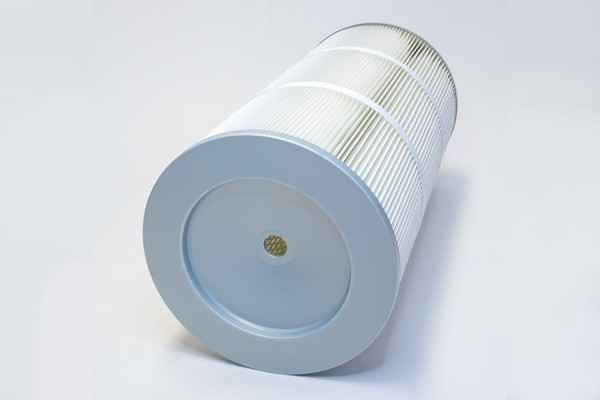
Key takeaways
the exploration of ePTFE membranes reveals their essential role in contemporary technology. These membranes stand out due to their outstanding chemical resistance and durability, making them suitable for demanding environments. Their lightweight and flexible nature adds to their usability, enabling integration into various designs across multiple industries. ePTFE’s microporous structure allows effective filtration while offering high air permeability, which is crucial for applications in electronics and environmental protection. The membranes also demonstrate remarkable thermal stability, functioning well under extreme temperatures from -200 to 260 °C, ensuring performance even in rigorous conditions. The versatility of ePTFE technology allows it to address specific challenges in sectors such as medical devices, outdoor equipment, and aerospace. As industries increasingly rely on efficient and reliable materials, the ongoing innovation surrounding ePTFE membranes signifies their importance in developing sustainable solutions that enhance productivity and safety across various applications.
Unique characteristics of ePTFE Membranes
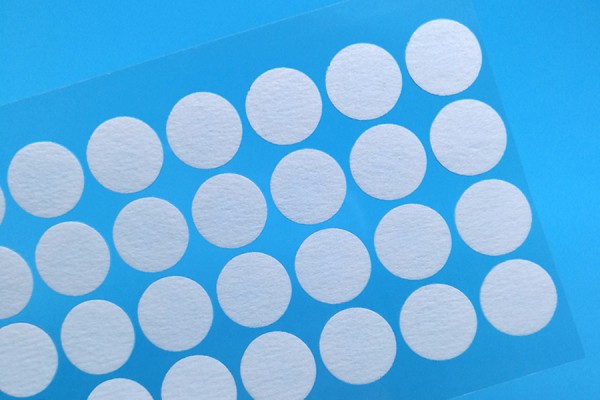
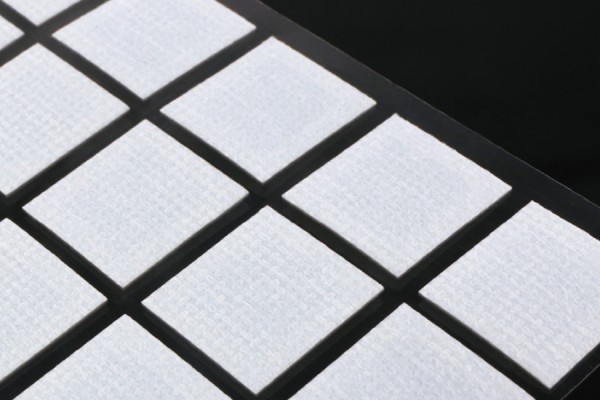
ePTFE membranes possess distinctive properties that contribute significantly to their functionality in various applications. This material demonstrates exceptional chemical resistance, making it suitable for challenging environments where exposure to corrosive substances is common. Its microporous structure allows for high air permeability while effectively blocking liquids, rendering it ideal for filtration applications. The lightweight nature of ePTFE enhances usability across multiple sectors, including electronics and environmental protection. Furthermore, the flexibility in thickness and customizable dimensions facilitates tailored solutions to meet specific needs. Notably, ePTFE exhibits excellent thermal stability, maintaining performance under extreme temperatures ranging from -200 to 260 °C. These unique characteristics extend the usability of ePTFE membranes when integrated into products such as High speed transmission line PTFE wrapping tape and PTFE wrapping film, which benefit from their durability and efficiency. The versatility of ePTFE material positions it as a key component in modern technology solutions, capable of addressing diverse industrial challenges.
Applications of ePTFE in Electronics
ePTFE membranes are extensively utilized in the electronics sector due to their exceptional insulating properties and durability. These membranes play a critical role in semiconductor packaging, where their high thermal stability ensures reliable functionality under varying temperature conditions. The low thermal shrinkage of ePTFE, which is less than 1% at 180 °C, further supports its application in environments that demand precision and resilience. Additionally, ePTFE membranes are employed for battery module insulation, safeguarding against thermal fluctuations and enhancing overall battery performance. Their versatility extends to protecting LCD and OLED panels, where these membranes effectively mitigate the risks of moisture and dust intrusion. This level of protection is vital for maintaining the integrity and longevity of sensitive electronic components. The efficiency of ePTFE material, combined with its capacity to adapt to different configurations, underscores its growing importance in advancing electronics technology applications.
"The unique properties of ePTFE membranes make them indispensable in today’s electronic devices."
ePTFE Membranes for Environmental Protection
ePTFE membranes play a critical role in environmental protection due to their unique characteristics. These membranes provide high levels of moisture resistance, making them suitable for applications where water intrusion can cause significant damage. Their microporous structure allows for effective gas exchange while simultaneously preventing the ingress of liquids and dust, which is essential in various protective settings.
Additionally, ePTFE membranes exhibit excellent chemical resistance and UV stability, allowing them to perform reliably in harsh environmental conditions. This durability ensures that they maintain their efficacy over time, making them a preferred choice in applications such as outdoor equipment and protective enclosures. Their versatility allows for easy integration into different systems utilizing various installation methods, further enhancing their practicality across industries.
By optimizing performance in challenging environments, ePTFE membranes contribute to sustainable practices and improved resilience in technology.
Durability and Efficiency of ePTFE Membranes
ePTFE membranes are recognized for their exceptional durability and efficiency, making them a preferred choice in various applications. Their unique microporous structure allows these membranes to resist chemical corrosion, withstand extreme temperatures ranging from -200 to 260 °C, and maintain integrity in harsh environments. This resilience ensures that they will not become brittle or lose performance under stress, which is essential for high-reliability applications. The impressive filtration efficiency of ePTFE membranes, 99.99% for particles as small as 0.3 µm, further highlights their effectiveness in removing contaminants while allowing gases to pass through, demonstrating their dual role in various settings. Additionally, the customizable thickness and surface treatments available for ePTFE membranes enhance their performance characteristics and adaptability, facilitating their use across diverse industries such as electronics packaging and environmental protection. This blend of strength and functionality underscores the increasing value of ePTFE membranes in modern technology solutions.
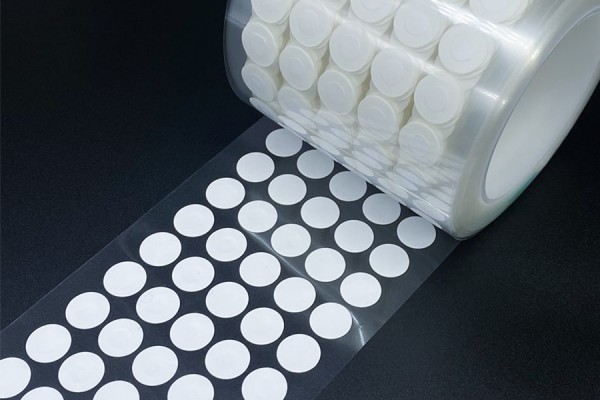
Innovative uses of ePTFE Technology
ePTFE technology showcases its innovative applications across various industries. In the medical field, ePTFE membranes are utilized in surgical implants and wound dressings due to their biocompatibility and moisture management properties. They support tissue regeneration while minimizing infection risks. In the outdoor equipment sector, ePTFE is employed in advanced textiles, offering breathable yet waterproof solutions for jackets and gear. Furthermore, in filtration systems, ePTFE membranes enhance gas and liquid separation processes, providing high filtration efficiency without compromising flow rates. The aerospace industry benefits from ePTFE’s lightweight and strong characteristics, incorporating it for insulation materials that endure extreme temperature variations. These diverse uses highlight the adaptability of ePTFE technology, cementing its position as a transformative material across multiple domains while addressing specific performance requirements effectively.
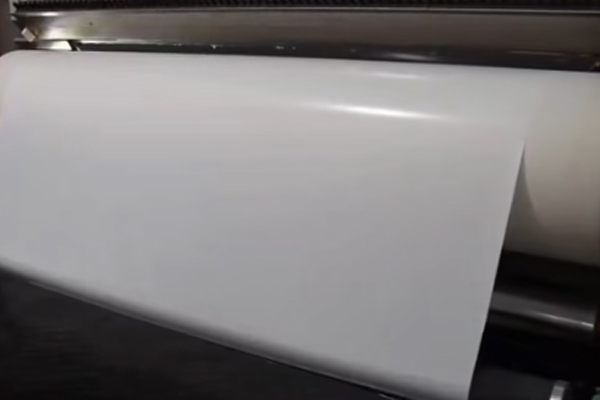
Understanding ePTFE Membrane Properties
ePTFE membranes exhibit a range of unique properties that contribute to their effectiveness in various applications. One notable characteristic is their high porosity, allowing for excellent filtration performance. With pore sizes typically ranging from 0.05 to 15 µm, these membranes can efficiently separate particles while maintaining low resistance to air or liquid flow. The material’s hydrophobic and hydrophilic surface treatments make it adaptable for different environments, enhancing its usability in withstanding moisture and preventing contamination. Additionally, the thermal stability of ePTFE membranes enables them to function effectively across a wide temperature range, from -200 to 260 °C. This resilience is critical for industrial applications where temperature fluctuations may occur. The lightweight and flexible nature of ePTFE also supports easy integration into various designs, further expanding its applicability in modern technology, particularly in electronics and environmental protection sectors.
Versatile applications of ePTFE Materials
ePTFE materials exhibit extensive versatility across various industries due to their unique properties. In electronics, they serve as critical components in semiconductor packaging, providing insulation that protects sensitive devices from environmental factors. Their low thermal shrinkage enhances performance in high-temperature applications. Beyond electronics, ePTFE membranes are valuable in environmental protection, offering barriers against moisture and chemicals in demanding conditions. Their exceptional chemical resistance allows them to be used in filtration systems for hazardous liquids and gases, ensuring safety and reliability. Additionally, ePTFE’s adaptability enables it to be utilized in diverse manufacturing processes such as panel lamination, where it maintains flatness and stability during thermal treatment. Furthermore, its lightweight nature and customizable dimensions cater to specific requirements across numerous applications. This flexibility makes ePTFE a sought-after material for innovative designs and solutions in modern technology.
ePTFE Membranes in Modern Industry
ePTFE membranes play a crucial role in a variety of industries due to their exceptional properties. Their versatility allows for effective use in applications ranging from electronics packaging to environmental protection solutions. In the electronics sector, ePTFE membranes provide essential insulation in components like semiconductors and batteries, securing functionality against external factors. Moreover, their durability protects sensitive equipment from moisture and contaminants, contributing to enhanced longevity and reliability.
In the context of environmental applications, ePTFE membranes are utilized for filtration systems that safeguard against impurities while maintaining airflow. This property is vital in industries that demand stringent cleanliness standards. The membranes’ resistance to harsh chemicals and high temperatures ensures they perform effectively even in challenging environments.
Their adaptability also appeals to manufacturers looking for innovative solutions, with potential applications spanning medical devices to aerospace technologies. The continued development of ePTFE technology suggests that its role within modern industry will only expand, highlighting the material’s growing importance across various sectors.
Conclusion
the ongoing evolution of ePTFE membranes signifies their vital role in advancing modern technology across various sectors. Their exceptional properties, such as chemical resistance, thermal stability, and lightweight nature, enable their effective integration into applications ranging from electronics packaging to environmental protection. As industries demand innovative and reliable solutions, ePTFE membranes continue to meet these needs through their durability and efficiency. Furthermore, the range of innovative uses in fields like medicine and aerospace underscores the versatility of this material. The unique characteristics of ePTFE membranes not only facilitate high-performance outcomes but also enhance sustainability across applications. This adaptability ensures that ePTFE will remain an essential material for addressing the challenges and requirements of contemporary and future technologies.
FAQs
What are ePTFE membranes?
ePTFE membranes are lightweight, microporous materials made from expanded polytetrafluoroethylene, known for their unique properties like chemical resistance and thermal stability.
What are the main applications of ePTFE membranes?
ePTFE membranes are used in various fields, including electronics for insulation, environmental protection for filtration systems, and medical devices for their biocompatibility.
How do ePTFE membranes perform in extreme temperatures?
ePTFE membranes can maintain their performance in extreme temperatures, operating effectively from -200 to 260 °C without becoming brittle or losing functionality.
Are ePTFE membranes environmentally friendly?
Yes, ePTFE membranes are environmentally friendly due to their ability to withstand challenging conditions while providing effective barriers against liquids and contaminants.
How do I choose the right ePTFE membrane for a specific application?
Choosing the right ePTFE membrane requires considering factors such as the operating environment, required thickness, and specific performance characteristics needed for your application.