

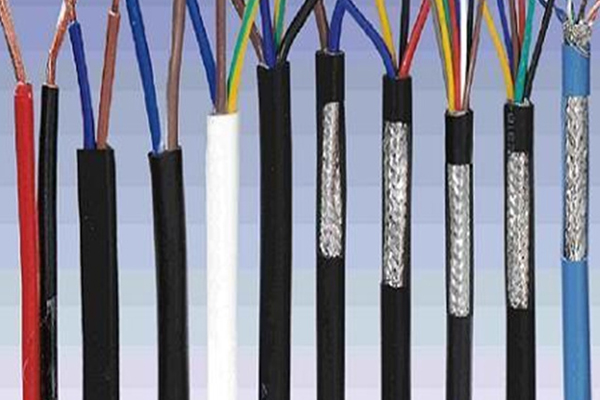
important Takeaways
PTFE high-speed cable film is an invaluable material due to its unique properties, which significantly boost its applications across multiple sectors. Its exceptional insulation capabilities ensure efficient signal transmission while minimizing losses, making it essential for high-frequency technologies. The film’s thermal resistance allows it to perform reliably in extreme temperature conditions, ensuring longevity and durability in harsh environments. Its chemical inertness further protects it from degradation, making PTFE suitable for use in corrosive settings such as chemical processing plants and aerospace applications. As industries evolve toward advanced technologies like 5G communications, the demand for materials like PTFE is on the rise. This film’s low dielectric constant promotes stable signal transmission, main for high-speed networks. Moreover, its lightweight nature aids installation efficiency. Altogether, PTFE high-speed cable film stands out as a critical component in ensuring the reliability and effectiveness of modern technological systems.
Benefits of PTFE Cable Film
PTFE cable film offers several advantages, particularly in high-speed transmission line applications. Its superior insulation properties minimize electrical losses, ensuring efficient signal transmission. The lightweight design of PTFE wrapping film facilitates easy handling and installation, making it ideal for use in various sectors. This material can effectively shield against electromagnetic interference, which is important for maintaining signal integrity in high-frequency communications.
Furthermore, the thermal resistance of PTFE cable wrapping tape allows it to operate effectively in extreme environments, ranging from high temperatures to corrosive conditions. The unique characteristics of DAC high-speed cable wrapping film and similar products ensure they stand up to demanding requirements.
In addition to its durability, PTFE roll coating provides a low dielectric constant that enhances performance in RF applications. This flexibility supports evolving technological needs such as those seen with 5G communications. Overall, the continuing quality of PTFE films positions them as a useful asset across different industries.
Applications of PTFE High-Speed Film
PTFE high-speed cable film finds extensive use across various industries due to its exceptional properties. In the realm of electronics, it is a critical insulation material for high-temperature applications, ensuring that cables maintain performance under extreme conditions. Aerospace industries leverage PTFE film for wiring solutions where durability and thermal resistance are paramount, contributing to the safety and reliability of aircraft systems. also, it is integral in the telecommunications sector, particularly in 5G communications, where its ability to facilitate stable signal transmission is vital. PTFE’s low dielectric constant makes it ideal for RF and microwave communication cables, allowing efficient data transfer in modern communication infrastructures. Furthermore, its chemical inertness and corrosion resistance ensure that it can withstand harsh environments, including chemical plants and marine applications. These diverse applications emphasize the significant role of PTFE high-speed cable film in supporting advancements in technology and ensuring reliable operations across multiple fields.
Understanding PTFE Insulation Properties
PTFE high-speed cable film exhibits exceptional insulation properties that make it a preferred choice in various applications. The material has a low dielectric constant, enabling efficient insulation for electrical components while minimizing signal loss. This characteristic is main for high-frequency applications, such as RF and microwave communication, where maintaining signal integrity is essential. furthermore, PTFE’s inherent chemical inertness protects it from degradation due to environmental factors and harsh conditions. The flexibility of PTFE also contributes to its effectiveness as an insulator; it can easily conform to different shapes while maintaining its insulating properties. This adaptability is vital for complex cabling systems found in aviation and high-tech industries. Overall, PTFE’s insulation properties not only improve the performance of electrical systems but also improve the reliability needed for advanced technological solutions.
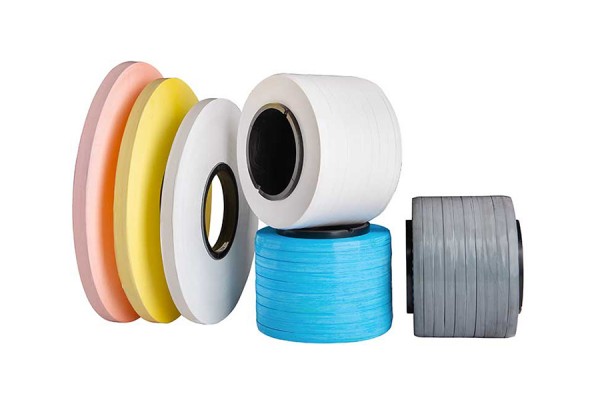
Thermal resistance in Cable Films
PTFE high-speed cable films are recognized for their remarkable thermal resistance, making them suitable for various demanding applications. These films can withstand extreme temperatures ranging from -200°C to +260°C, with short-term tolerances exceeding 300°C. This wide thermal range ensures that PTFE films remain stable and functional in environments where temperature fluctuations are common.
The ability of PTFE to maintain its structural integrity at high temperatures is essential for applications in aerospace and high-performance electronics. High-temperature operating conditions often compromise the performance of standard insulating materials, but PTFE’s unique properties ensure reliable operation in these scenarios. The low thermal expansion coefficient of PTFE also enhances its thermal performance, reducing the risk of damage due to thermal cycling.
Furthermore, this material does not undergo significant degradation or lose its insulating properties under prolonged exposure to heat, making it a reliable choice for critical applications such as RF and microwave communication cables. Overall, the superior thermal resistance of PTFE high-speed cable films contributes significantly to their effectiveness and durability in various high-temperature settings.
Durability of PTFE in Harsh Environments
PTFE exhibits exceptional durability in challenging conditions, making it an ideal choice for various applications. Its chemical inertness ensures that it resists degradation from corrosive substances, which is vital for use in environments such as chemical processing facilities and marine applications. The high thermal resistance of PTFE enables it to maintain its structural integrity at extreme temperatures, ranging from -200°C to +260°C. This resilience is particularly important in aerospace and high-temperature electronic applications where reliable performance is critical. In addition, the unique microporous structure of PTFE contributes to its durability by allowing for flexibility without compromising mechanical strength. This characteristic not only enhances its longevity but also ensures stable signal transmission over extended periods, making PTFE a reliable material for high-speed cable films utilized in various demanding sectors. Overall, the durability of PTFE under harsh environmental conditions underscores its effectiveness in protecting sensitive components and maintaining functionality in diverse technological applications.
Role of PTFE in 5G Communications
PTFE high-speed cable film plays a significant role in the advancement of 5G communications. Its unique properties, including excellent thermal stability and electrical insulation, make it an ideal choice for the demanding requirements of 5G technology. The low dielectric constant of PTFE allows for effective signal transmission, ensuring minimal interference and loss. This capability is essential for the high-frequency signals used in 5G networks, where clarity and speed are paramount. furthermore, the film’s resistance to environmental factors ensures reliable performance in diverse conditions, from urban settings to remote areas. As 5G technology expands, the need for robust and efficient materials grows, further cementing PTFE’s position as a vital component in modern communication infrastructure. Its lightweight nature also contributes to ease of installation, making it an attractive option for developers looking to boost network efficiency while minimizing costs. The innovation surrounding PTFE is a important factor in achieving the enhanced connectivity promised by 5G technology.
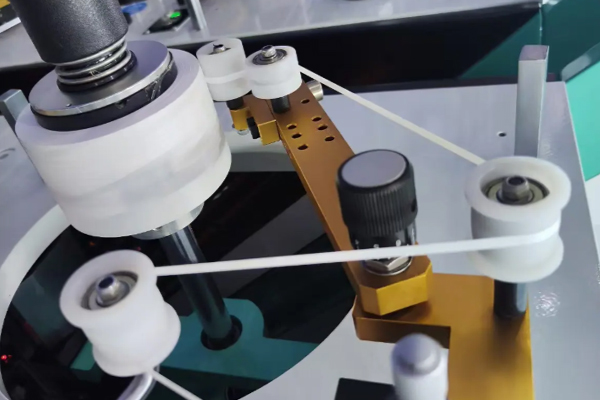
High-Temperature Performance of PTFE Films
PTFE films demonstrate exceptional high-temperature performance, making them ideal for applications requiring resilience in extreme conditions. These films maintain their structural integrity across a wide temperature range, typically ranging from -200°C to +260°C, with the ability to endure short-term exposure above 300°C. This capacity is essential for high-temperature electronics and aerospace applications, where reliability is paramount. The unique properties of PTFE contribute to this thermal resistance, ensuring that it does not degrade or lose functionality under intense heat. furthermore, the thermal stability of PTFE films helps in minimizing thermal expansion, allowing for precise and stable performance in varying environments. This stability plays a vital role in industries that depend on consistent signal transmission and overall equipment longevity under extreme conditions. Therefore, PTFE films are not just advantageous; they are critical components in ensuring operational efficiency and safety where high temperatures are the norm.
Signal transmission stability with PTFE
PTFE high-speed cable film significantly improves signal transmission stability due to its exceptional dielectric properties and low attenuation characteristics. This material offers a low dielectric constant, which is main for maintaining signal integrity in high-frequency applications such as RF and microwave communications. The unique microporous structure of PTFE enables effective insulation, minimizing signal loss and interference during transmission. Furthermore, the material’s flexibility allows for easier installation in various configurations while avoiding mechanical stress that could compromise performance. In environments where reliable signal communication is essential, such as data centers and 5G networks, PTFE cable film provides the consistent performance required to meet modern telecommunications demands. Its ability to withstand extreme temperatures without degrading also ensures that signal quality remains stable across a variety of operating conditions, making it a preferred choice for many high-speed cabling solutions.
Conclusion
the benefits and applications of PTFE high-speed cable film position it as an indispensable material in modern technology. Its excellent insulation properties, coupled with remarkable thermal resistance, allow it to function effectively in diverse environments, ensuring stable performance where reliability is critical. As industries increasingly adopt advanced technologies like 5G communications, the versatility of PTFE becomes even more apparent. Its ability to minimize signal loss and provide durability under harsh conditions serves to boost the operational efficiency of electronic systems. Moreover, as the demand for high-performance materials rises, PTFE high-speed cable film is poised to play a significant role in supporting technological advancements across various sectors. The ongoing exploration of its properties will likely lead to further innovations and applications, reinforcing its status as a important component in high-tech infrastructure.
FAQs
What are the main advantages of PTFE high-speed cable film?
PTFE high-speed cable film provides excellent insulation, thermal resistance, durability, and low dielectric constant, ensuring efficient signal transmission in various applications.
In which industries is PTFE high-speed cable film commonly used?
This film is widely utilized in electronics, aerospace, telecommunications, and chemical processing sectors due to its remarkable properties.
How does PTFE perform under extreme temperatures?
PTFE can withstand temperatures ranging from -200°C to +260°C and can endure short bursts above 300°C without losing its functionality.
What role does PTFE play in 5G communications?
PTFE enhances signal transmission stability and minimizes loss due to its low dielectric constant, making it important for the demands of 5G technology.
Is PTFE resistant to harsh chemicals?
Yes, PTFE is chemically inert and resistant to degradation from corrosive substances, making it suitable for challenging environments like chemical plants.


