

Key takeaways
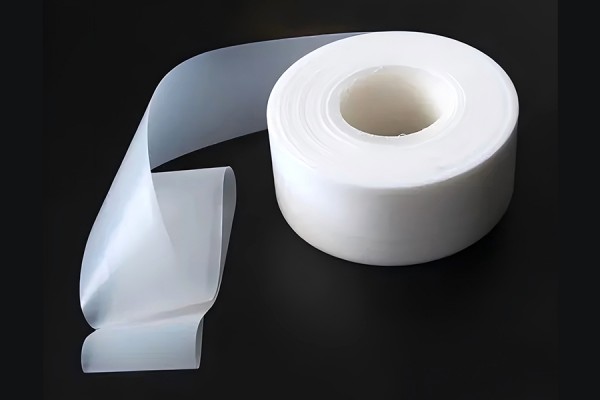
PTFE high-speed cable film plays a crucial role in boosting connectivity across modern electronic applications, thanks to its distinctive blend of properties. Its excellent thermal insulation helps preserve signal integrity across varying temperature ranges, while its remarkable wear resistance ensures durability even in harsh conditions. The electromagnetic shielding capabilities of PTFE effectively curb signal interference, which is vital in high-speed data environments like communications networks and aerospace. Assessing PTFE film quality involves looking at factors such as thermal expansion, tensile strength, and shielding effectiveness, all of which shape reliability and performance. As dependence on high-speed connectivity grows across sectors, the importance of this PTFE cable film becomes more evident. It not only supports multiple applications but also delivers optimal performance under tough conditions, making it a favored option for engineers and manufacturers alike.
Advantages of PTFE Cable Film
PTFE cable film provides notable advantages that boost its usefulness across different applications. A key benefit is its exceptional thermal insulation, enabling it to perform across a broad temperature span. This factor is especially critical for high-speed transmission lines, where heat control is essential to preserve signal integrity. The durability of PTFE film underpins lasting performance, making it suitable for harsh electronic environments. Moreover, its remarkable wear resistance ensures the film endures tough conditions without degrading over time. The electromagnetic shielding of PTFE high-speed cable film is crucial for preventing interference in sensitive contexts; this trait supports reliable communication in high-frequency settings. PTFE’s low dielectric constant also enhances signal transmission efficiency, making it a suitable choice for RF and microwave cables. In the end, these benefits make the material a favored option for contemporary electronics, including DAC high-speed cable wrapping film and AEC high-speed cable wrapping film solutions, ensuring solid connectivity and strong performance even in tough conditions.
Key features of High-Speed Cable Film
The high-speed cable film based on PTFE includes several essential traits that boost its performance in cutting-edge electronic uses. A main trait is its excellent insulation, which substantially minimizes energy loss and strengthens signal integrity. The film’s lightweight construction benefits applications needing minimal mass without compromising strength, especially in aviation and automotive sectors. Another notable trait is its outstanding thermal stability, enabling reliable operation across a broad temperature span, from frigid to scorching conditions, ensuring efficiency in tough environments. The durability of the PTFE-based film is marked by its strong wear resistance, making it fit for dynamic scenarios where cables move frequently and face rubbing. Also, the film excels at electromagnetic shielding; it blocks external interference, contributing to cleaner signal transmission. This distinctive blend of traits makes the PTFE-based high-speed cable film a key component for modern electronic systems that require reliability and top-tier performance in varied conditions.
Applications of PTFE in Electronics
The PTFE-based high-speed cable film sees broad use in different electronic applications thanks to its distinctive properties. It acts as an excellent insulator for high-temperature electronic conductors, effectively maintaining performance in environments where standard materials might falter. This film is especially suitable for aviation cables, where dependability matters. Moreover, it improves electrical insulation for RF cables and microwave communication lines, ensuring minimal signal loss and peak performance.
In the evolving 5G landscape, PTFE cable film is crucial for high-speed data transmission lines, underpinning the infrastructure of data centers and base stations. Automotive wiring harnesses also benefit from the material’s durability and resistance to extreme conditions found in engine compartments. Additionally, charging-pile cables leverage its thermal stability, letting them run effectively across varied temperature ranges. The versatility of this material lets it meet the demanding needs across several sectors while enhancing connectivity and overall efficiency in electronic systems.
Evaluating PTFE Cable Film Quality
The quality of the PTFE-based high-speed cable film is evaluated using several key criteria to confirm its suitability for advanced uses. A low coefficient of thermal expansion is essential, as it signals stability across temperature changes. The construction should be lightweight yet sturdy, delivering notable tensile strength without adding bulk. High-temperature resistance is vital for environments with extreme conditions, while a slim profile improves usability in compact designs. Shielding performance is another key factor; effective EMI protection is needed to preserve signal integrity. Ultimately, attenuation should be minimal to ensure efficient signal transmission. By assessing these criteria, makers can ensure the PTFE film not only meets industry standards but also performs well in demanding electronic environments. This thorough evaluation not only builds reliability but also supports the overall performance of high-speed connectivity solutions across different applications.
Thermal insulation properties of PTFE
PTFE shows notable thermal insulation properties, making it a suitable choice for high-speed cable uses. Its low thermal conductivity minimizes heat transfer, which is crucial for preserving the integrity of electronic systems in demanding environments. This trait is especially advantageous in high-temperature applications, where overheating can undermine performance and safety. PTFE stays stable across a wide temperature span, allowing it to operate effectively even in extreme conditions. Additionally, its capacity to withstand brief exposures above its usual operating limit without degradation further boosts its suitability for critical installations. The porous structure inside PTFE helps yield its low dielectric constant, aiding in reducing signal loss during high-frequency transmission. This capability offers dependable performance in both RF and microwave communication systems, ensuring robust connectivity and minimal interference.
"The unique structure of PTFE not only enhances thermal insulation but also supports effective electromagnetic shielding."
Electromagnetic shielding with PTFE
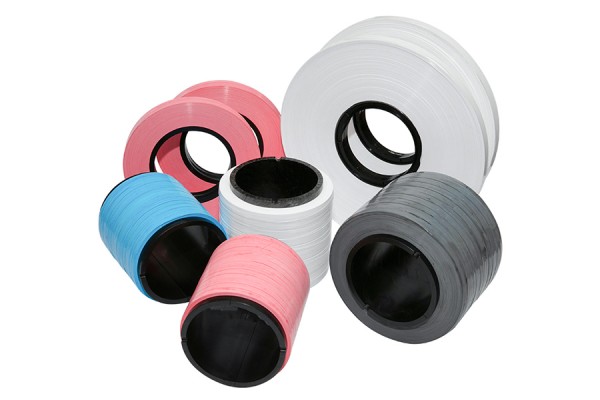
The PTFE-based cable film delivers outstanding electromagnetic shielding, making it highly effective at guarding against EMI. Its distinctive makeup enables minimal signal degradation while offering a strong barrier against stray noise that could disrupt rapid data transfer. PTFE’s high dielectric strength helps it preserve signal integrity, which matters in applications needing precise and clear communication. Moreover, PTFE’s porous network boosts its shielding properties, yielding low interference levels. This trait proves useful in settings like data centers and telecom facilities where high-frequency signals are common. Inserting PTFE cable film into designs can raise overall system performance and reliability, ensuring devices operate optimally even under tough conditions. The sturdy nature of PTFE also supports lasting shielding effectiveness, making it a favored option for modern electronic applications.
High-Speed Connectivity Solutions
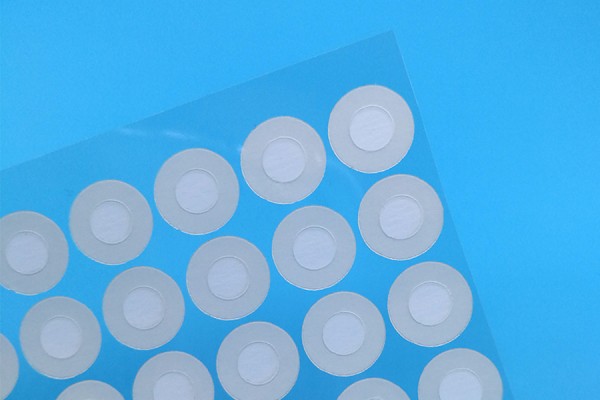
The PTFE-based high-speed cable film plays a major role in boosting connectivity for advanced electronic applications. Its distinctive thermal insulation and wear resistance properties support dependable performance in demanding environments. Its low dielectric constant is especially beneficial for high-frequency use, making it suitable for RF and microwave cables. Additionally, PTFE’s electromagnetic shielding helps minimize signal interference, which is vital for preserving data integrity during transmission. This reliability is critical for applications such as 5G networks, where uninterrupted connectivity matters. As industries lean more on advanced electronics, the significance of the PTFE-based film rises, delivering crucial support to improve signal quality and reduce EMI. The material’s flexibility also enables it to be used effectively across multiple sectors, ensuring high-speed connectivity can be achieved without sacrificing performance or durability.
Durability and Resistance of PTFE Film
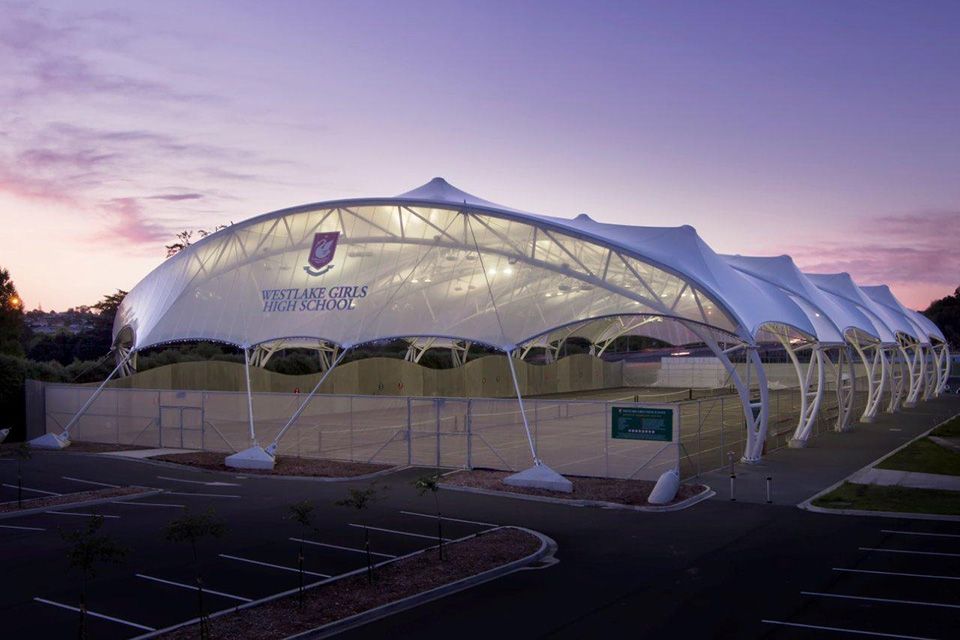
The PTFE-based high-speed cable film shows outstanding durability and resilience, making it a solid choice for demanding applications. Its robust composite structure lends substantial tensile strength, enabling it to resist mechanical stress without losing integrity. Furthermore, PTFE is famed for its excellent wear resistance, allowing the film to sustain performance over time even in tough environments. Its slim profile and overall lightness further improve handling and installation efficiency while providing solid protection against the elements. Moreover, PTFE’s capacity to resist chemical corrosion highlights its value in industrial settings where exposure to harsh substances is routine. Its thermal stability lets it endure extreme temperatures from -200°C to +260°C, with brief peaks above 300°C. These traits not only extend the life of electrical systems but also ensure reliable operation in aerospace, automotive, and high-speed data communication uses. Using PTFE-based film translates into enhanced reliability and performance of electrical connections across various domains.
Conclusion
The PTFE-based high-speed cable film stands out as a key element in advancing connectivity across a broad spectrum of electronic applications. Its blend of strong thermal insulation, solid wear resistance, and effective EMI shielding makes it suitable for settings where efficiency and reliability matter. The distinctive properties of PTFE allow it to withstand extreme temperatures and mechanical stresses, ensuring sustained performance in challenging conditions. As technology evolves, the relevance of PTFE in boosting high-speed data transmission will keep growing. Its use in sectors like telecommunications and aerospace shows its versatility and capacity to meet stringent demands. Ultimately, embedding PTFE cable film into electronic systems not only improves signal quality but also strengthens the reliability needed for modern communication infrastructures.
FAQs
What is PTFE high-speed cable film?
PTFE-based high-speed cable film is a specialized material used for insulation and protection in electronic applications, noted for its thermal stability, wear resistance, and EMI shielding properties.
What advantages does PTFE provide in electronic applications?
PTFE offers excellent thermal insulation, durability against wear, and effective electromagnetic interference protection, making it suitable for high-speed data transmission in diverse environments.
How does PTFE cable film enhance signal integrity?
The material’s low dielectric constant and high dielectric strength help minimize signal loss and degradation during transmission, ensuring clear communication even at high frequencies.
What industries commonly use PTFE cable film?
PTFE cable film sees widespread use in telecommunications, aerospace, automotive wiring harnesses, and other sectors that demand reliable performance under harsh conditions.
How can I evaluate the quality of PTFE cable film?
To gauge the quality of PTFE cable film, look at factors like its coefficient of thermal expansion, tensile strength, thickness, thermal resistance, and performance against electromagnetic interference.


