Key takeaways
PTFE wrapping tape is key in enhancing the performance of high-speed transmission lines. Its low dielectric loss and excellent insulation properties prevent signal degradation and short circuits, contributing to reliable data transfer. The durability of PTFE ensures that it can function effectively in extreme environmental conditions, which is essential for various applications, ranging from telecommunications to aerospace. Furthermore, its lightweight nature simplifies installation processes, enabling more efficient deployment in complex electronic systems. The versatility of PTFE wrapping tape also allows it to be utilized in a wide range of devices where consistent and efficient data transmission is critical. Overall, the adoption of PTFE tape stands to significantly improve the operational efficiency and reliability of high-speed transmission lines in modern electronics.
Enhancing data transfer with PTFE Tape
PTFE wrapping tape plays a vital role in improving high-speed transmission lines. Its unique properties contribute significantly to data transfer efficiency. The low dielectric loss characteristic of high-speed transmission line PTFE wrapping tape minimizes energy dissipation, ensuring that signals maintain their integrity over longer distances. This attribute is particularly important for modern electronics that rely on uninterrupted data flow. Additionally, the excellent insulation offered by PTFE cable wrapping tape prevents short circuits and signal interference, enhancing overall reliability. The durability of PTFE materials allows them to withstand challenging environments, making them suitable for applications in various fields such as telecommunications and aerospace. Furthermore, using DAC high-speed cable wrapping film and AEC high-speed cable wrapping film enhances compatibility across diverse electronics systems. The lightweight nature of these PTFE films simplifies installation processes without compromising performance, ultimately fostering more efficient data transfer solutions in a rapidly evolving technological landscape.
Key benefits of PTFE Wrapping Tape
PTFE wrapping tape offers several key advantages that contribute to improved performance in high-speed transmission lines. One significant benefit is its low dielectric loss, which helps in reducing signal degradation during data transmission. This characteristic makes PTFE an ideal choice for applications requiring high-frequency operations, as it minimizes the energy lost as heat. Additionally, the excellent electrical insulation properties of PTFE tape prevent short circuits and signal interference, ensuring reliable operation in various electronic devices. Its durability plays a crucial role in maintaining constancy under extreme conditions, ranging from very low to high temperatures. This resilience is particularly important for transmission lines operating in harsh environments. Moreover, the chemical inertness of PTFE tape provides resistance against common solvents and corrosive substances, which further extends its lifespan. These properties combined ensure that using PTFE wrapping tape enhances overall system efficiency and reliability across diverse applications in modern electronics.
Low dielectric loss in Transmission Lines
Low dielectric loss is a critical factor in the performance of transmission lines. PTFE wrapping tape offers a dielectric constant that closely resembles that of air, which significantly minimizes signal delay during transmission. This characteristic is particularly important in high-speed communication systems, where even minor losses can impact overall efficiency. The low dielectric loss associated with PTFE tape enhances the integrity of the signal being transmitted, promoting reliability across various electronic applications. By reducing capacitive coupling, PTFE wrapping tape prevents unwanted energy storage that can distort signals. Its composition not only improves efficiency but also supports high-frequency operations where conventional materials may falter. As a result, PTFE wrapping tape becomes a preferred choice for manufacturers seeking to maintain signal quality and ensure effective data transfer in modern electronics.
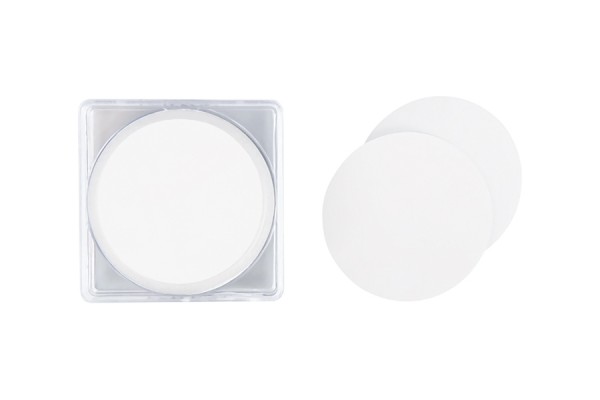
Durability of PTFE in Electronics
PTFE wrapping tape is highly regarded for its durability in electronic applications. Its chemical inertness allows it to withstand exposure to various substances without degrading, ensuring that it maintains its structural integrity over time. This resilience is particularly important in settings with fluctuating temperatures, as PTFE can perform reliably in extreme heat and cold. Additionally, the material’s resistance to wear and tear contributes to its longevity, reducing the need for frequent replacements. The lightweight nature of PTFE also complements its durability by facilitating easy handling and installation without compromising performance. In environments where reliability is crucial, such as high-speed data transmission systems, PTFE wrapping tape provides lasting protection against environmental stressors, reinforcing its status as a dependable choice for modern electronics. This combination of strength and flexibility enhances the overall efficiency of transmission lines, ensuring robust data transfer throughout the lifespan of electronic devices.
Insulation properties of PTFE Tape
PTFE tape exhibits remarkable insulation properties, making it a preferred choice for high-speed transmission lines. Its low dielectric constant minimizes signal delay, ensuring efficient data transfer. This property is vital in applications requiring rapid and reliable communication. Furthermore, PTFE provides excellent electrical insulation, effectively preventing short circuits and signal leakage. This is particularly important in electronic devices where maintaining signal integrity is crucial. The tape also remains stable across a wide temperature range, protecting components even in extreme conditions. Additionally, its moisture resistance enhances its insulation capabilities, allowing for reliable performance in humid environments. Overall, the insulation properties of PTFE tape contribute significantly to the enhancement of high-speed transmission line efficiency, ensuring robust performance in modern electronics.
Applications of PTFE in High-Speed Lines
PTFE wrapping tape finds extensive use in high-speed transmission lines, particularly in the telecommunications and electronics sectors. Its low dielectric constant allows for minimal signal loss, which is essential for maintaining data integrity during high-frequency transmissions. Additionally, the excellent electrical insulation properties of PTFE prevent potential short circuits and signal leakage, situations that can disrupt communication integrity. The tape is also utilized in RF coaxial cables and various types of data cables, where it contributes to reducing crosstalk between signal paths. Furthermore, PTFE’s resistance to extreme temperatures ensures that it can perform reliably in diverse environments, supporting applications from telecommunications towers to semiconductor devices. Its lightweight nature also aids installation processes, enabling quicker deployment in complex networks. Overall, the versatility of PTFE wrapping tape enhances operational efficiency while safeguarding performance across numerous high-speed transmission applications.
Improving signal reliability with PTFE
PTFE wrapping tape plays a vital role in improving the reliability of signals in high-speed transmission lines. Its low dielectric loss is critical in minimizing signal degradation, ensuring that data retains its integrity during transmission. Additionally, PTFE’s excellent insulation properties prevent short circuits and signal leakage, which are common issues that can lead to impaired performance. The durability of PTFE allows it to withstand varying environmental conditions without compromising signal quality. Moreover, its moisture resistance protects the cables from humidity-related issues, enhancing overall system reliability. In applications where signal integrity is paramount, such as telecommunications and data centers, utilizing PTFE tape can significantly boost performance by maintaining consistent transmission quality while minimizing loss. This combination of properties makes PTFE wrapping tape an indispensable material in modern electronic communications, where efficient data transfer is essential.
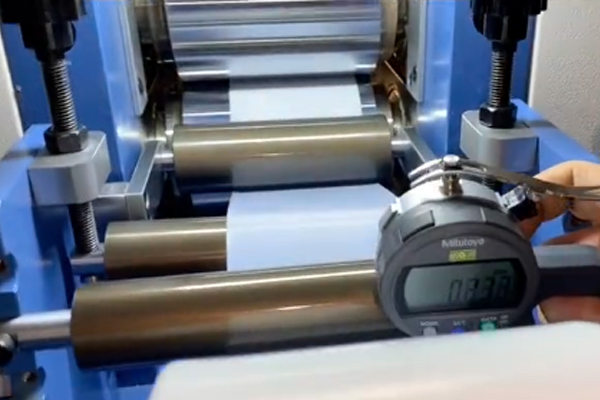
PTFE Tape for Modern Electronics
PTFE wrapping tape plays a vital role in modern electronics, particularly in applications requiring high-speed data transmission. Its low dielectric loss contributes significantly to maintaining signal integrity, which is essential for devices transmitting data rapidly. Moreover, PTFE’s excellent insulation properties protect sensitive components from short circuits and signal interference. This material is also resistant to extreme temperatures and chemical exposure, ensuring longevity and reliability in various environments. The lightweight nature of PTFE tape facilitates easier installation and handling, making it a preferred choice for many manufacturers. As electronics evolve with increasing demands for speed and efficiency, PTFE wrapping tape remains a critical component in enhancing the performance of high-speed transmission lines. Furthermore, its versatility allows it to be utilized across various sectors, including telecommunications and computer hardware, promoting better overall functionality in modern electronic systems.

Conclusion
the use of PTFE wrapping tape significantly enhances the performance and efficiency of high-speed transmission lines. Its unique properties, such as low dielectric loss, exceptional insulation, and durability, make it an ideal choice for modern electronic applications. By minimizing signal degradation and preventing short circuits, this tape ensures the integrity of data being transmitted. Furthermore, its resistance to extreme temperatures and various chemicals ensures longevity and reliability in diverse environments. As technology continues to advance, the demand for robust materials like PTFE will increase, emphasizing its critical role in the successful operation of high-speed communication systems. Overall, the adoption of PTFE wrapping tape represents a strategic move toward improving data transfer efficacy in a rapidly evolving electronic landscape.
FAQs
What is PTFE wrapping tape?
PTFE wrapping tape is a type of tape made from polytetrafluoroethylene, known for its low dielectric loss and excellent insulation properties, making it suitable for high-speed transmission lines.
How does PTFE tape improve signal reliability?
PTFE tape enhances signal reliability by minimizing signal degradation due to its low dielectric loss and by preventing short circuits and signal leakage.
What are the benefits of using PTFE in electronics?
The benefits of PTFE in electronics include high durability, resistance to extreme temperatures, excellent insulation properties, and chemical inertness, all contributing to improved performance.
Where is PTFE wrapping tape commonly used?
PTFE wrapping tape is commonly used in telecommunications, data cables, aerospace applications, and other fields requiring reliable data transfer and high-speed operations.
Can PTFE tape withstand harsh environments?
Yes, PTFE tape can withstand harsh environments due to its superb durability and resistance to temperature fluctuations and corrosive substances.
What applications benefit the most from low dielectric loss?
Applications that benefit most from low dielectric loss include high-frequency communication systems and those requiring rapid data transmission without signal degradation.
Is installation of PTFE wrapping tape easy?
Yes, the lightweight nature of PTFE wrapping tape simplifies installation processes, allowing for efficient handling without compromising performance.