main Takeaways
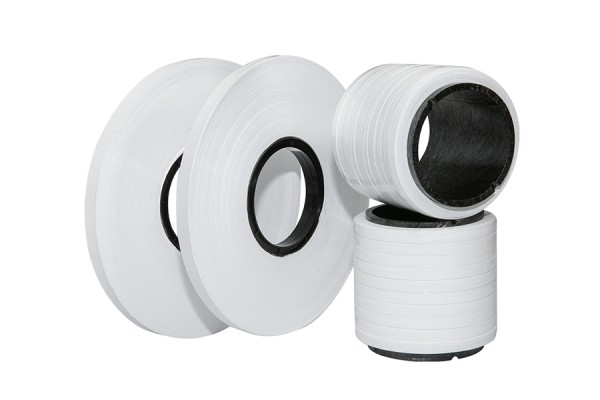
PTFE film is a vital material in both aerospace and electronics due to its exceptional properties. Its durability ensures reliable performance in harsh environments, which is critical for aerospace components facing extreme conditions. In electronics, PTFE film acts as a main insulator that enhances overall device functionality, especially under varying temperatures. The film’s resistance to corrosion and chemical damage makes it suitable for use in rigorous applications, contributing to the longevity of systems. As innovations continue to emerge, the adaptability of PTFE film supports its use across various sectors, catering to evolving technology demands and underscoring its significance in future developments.
PTFE Film in Aerospace
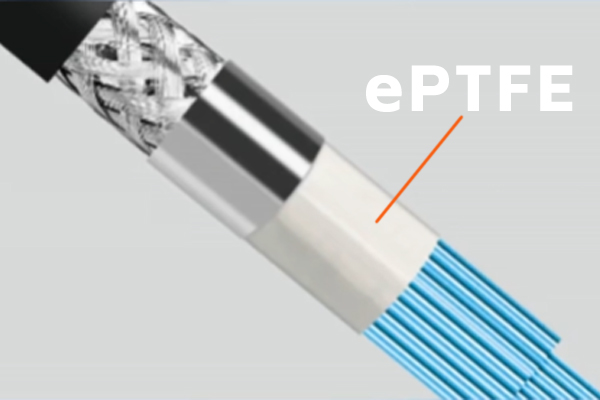
PTFE film plays a important role in the aerospace sector due to its unparalleled properties, making it suitable for various applications. Its chemical resistance and lightweight nature ensure that components maintain their integrity under extreme conditions. High-speed transmission line PTFE wrapping tape is frequently utilized in aerospace wiring to provide insulation and protect against environmental stressors. The durability of PTFE wrapping film allows it to perform effectively in both high and low-temperature ranges, making it ideal for wiring harnesses in aerospace systems. also, PTFE Thread Seal Tape is often applied for sealing connections where leakage could pose safety risks. The ability of PTFE cable wrapping tape to resist corrosion means that it can be used in harsh environments found in aircraft engines and fuel systems. Manufacturers are increasingly adopting DAC high-speed cable wrapping film and AEC high-speed cable wrapping film for enhanced performance in high-frequency applications, demonstrating the ongoing innovation within the industry. These advancements contribute to the development of reliable solutions that ensure efficiency and safety in aerospace operations.
| Application | Type of PTFE Film Used | important Benefits |
|---|---|---|
| Wiring Insulation | High-speed transmission line tape | Excellent chemical resistance |
| Sealing Connections | PTFE Thread Seal Tape | Leak-proofing |
| Fuel Systems | PTFE Cable Wrapping Tape | Corrosion resistance |
| Engine Components | DAC high-speed cable wrapping film | High-frequency performance |
| Wiring Harnesses | AEC high-speed cable wrapping film | Lightweight and durable |
Durability of PTFE Film
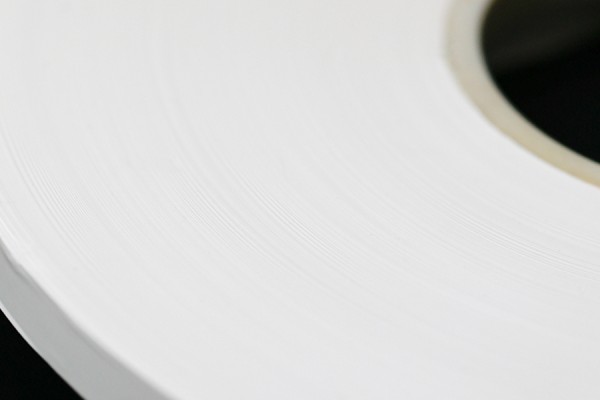
PTFE film exhibits remarkable durability, making it suitable for various demanding applications. Its inherent resistance to chemicals ensures it maintains integrity in harsh environments, including exposure to acids and bases. This property is especially critical in aerospace, where components are often subjected to aggressive substances. PTFE film can withstand mechanical stresses, reducing the risk of wear and tear over time. Furthermore, with a tensile strength exceeding 1500 psi and an impressive elongation at break exceeding 200%, it provides both toughness and flexibility.
"The combination of strength and resistance makes PTFE an essential material in high-performance applications."
Its durability is not just about resisting physical damage but also about lasting extreme temperatures. Able to function effectively from -200℃ to +260℃, PTFE film remains stable even during rapid temperature fluctuations. This capability is essential for maintaining performance in environments that experience high thermal stress. Overall, the durability of PTFE film underlines its role as a trusted material in technology-driven sectors like aerospace and electronics.
Thermal stability insights
PTFE film demonstrates remarkable thermal stability, making it suitable for use in extreme conditions. It can maintain performance between -200℃ and +260℃, withstanding short bursts of heat exceeding 300℃. This property is critical in aerospace applications, where components are often exposed to fluctuating temperatures and harsh environments. The ability to retain structural integrity under such stress prevents failures that could compromise safety and functionality. furthermore, in electronics, PTFE film acts as an excellent insulator in devices that generate significant heat. By minimizing thermal degradation, it ensures reliability and longevity of electronic components. Manufacturers utilize this thermal resilience to develop products that align with rigorous industry standards, thereby enhancing overall system performance and reliability across various applications. The ongoing research into the properties of PTFE continues to unlock further advancements, solidifying its importance in high-temperature settings.
PTFE Film for Electronics
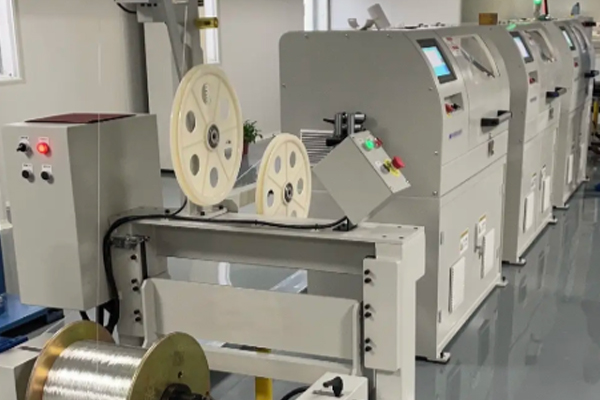
PTFE film is essential in the electronics sector due to its remarkable properties. Its non-stick and chemical-resistant surface makes it ideal for insulating wires and circuits, ensuring reliable performance in various devices. The film’s low dielectric constant and loss tangent support high-frequency signal transmission, important for modern communication technologies. In addition, PTFE film withstands extreme temperatures, ranging from -200℃ to +260℃, with the ability to endure short periods above 300℃. This thermal stability ensures that electronic components maintain functionality in diverse environments. The development of high-speed cables using PTFE film is driving innovations in the aerospace and data center industries, facilitating faster data transfer rates and enhanced connectivity. By combining durability with electrical efficiency, PTFE film directly contributes to the reliability of electronic systems, reinforcing its position as a useful material in cutting-edge technology applications.
Exceptional performance of PTFE
PTFE film operates effectively in diverse environments, demonstrating exceptional resilience under both high and low temperatures. It maintains performance from -200℃ to +260℃, withstanding brief exposures over 300℃. This temperature range is vital for applications in aerospace and electronics, where components are subject to extreme thermal variations. The film’s low friction properties minimize wear and tear, ensuring long-lasting functionality in moving parts. Moreover, PTFE’s resistance to many chemicals enhances its durability in corrosive environments, making it suitable for protective coatings and insulators. In electronics, its high dielectric strength contributes to reliable signal integrity at high frequencies, proving essential for 5G communication technologies. Whether used in satellite components or detailed electronic devices, PTFE film plays a critical role by delivering consistent performance that meets the rigorous demands of modern technology.
new Uses for PTFE Film
PTFE film serves various new applications due to its unique properties. In aerospace, it acts as an insulating layer in electrical wiring harnesses, resisting harsh environments and ensuring reliability. Its low friction surface minimizes wear and tear, which is main in moving parts of aircraft. In electronics, PTFE film is used in circuit boards to provide thermal insulation, protecting sensitive components from heat damage. With its high-frequency capabilities, it becomes essential for 5G communication applications, allowing for clearer signals. Furthermore, PTFE film finds application in food processing equipment where its non-stick nature simplifies cleaning and maintenance. Its resistance to chemicals makes it indispensable in laboratories and industrial settings where exposure to harsh substances is common. Each of these uses showcases how PTFE film enhances functional longevity and safety across multiple sectors.
Reliable solutions with PTFE
PTFE film offers dependable solutions across various industries due to its unmatched properties. In aerospace, it acts as a protective barrier against environmental factors, ensuring the integrity of critical components. The film’s resistance to corrosive substances enhances the performance of equipment exposed to harsh conditions.
In electronics, PTFE film acts as a fundamental element in insulating electrical components, maintaining operational efficiency under extreme temperatures. Its low friction surface minimizes wear in moving parts, contributing to the longevity of devices.
Research continuously uncovers new avenues for PTFE applications. Manufacturers utilize advanced methods to tailor PTFE film for specific needs, providing bespoke solutions that cater to evolving technology demands. This adaptability ensures that industries can rely on PTFE film not only for current applications but also for future innovations that prioritize safety and performance.
Advancements in PTFE Technology
Recent strides in PTFE technology focus on enhancing its performance and versatility across various sectors. Researchers are exploring composite materials that integrate PTFE with other polymers, improving mechanical strength and flexibility while retaining chemical resistance. Innovations in manufacturing techniques, such as advanced extrusion and surface treatment processes, are also making it possible to produce PTFE films with tailored properties for specific applications. For instance, treatments that modify surface characteristics can lead to better adhesion in electronic components, ensuring reliability under different conditions. furthermore, the development of environmentally friendly production methods is gaining attention as manufacturers seek to reduce the carbon footprint associated with PTFE synthesis. As these advancements continue, the potential for PTFE in applications such as lightweight structures in aviation and efficient thermal insulation in electronics becomes increasingly significant.
Conclusion
the applications of PTFE film in aerospace and electronics stress its critical role in modern technology. Its remarkable durability and thermal stability ensure reliable performance, even under extreme conditions. As industries evolve, the demand for original materials like PTFE continues to grow. Researchers and manufacturers are focused on enhancing its properties, allowing for new solutions to emerging challenges. The combination of advanced processing techniques and original material characteristics promotes versatility across various applications. This adaptability is essential not only for meeting current industry standards but also for paving the way for future advancements in technology usage. The ongoing collaboration within the field amplifies these improvements, encouraging an environment conducive to innovation that heightens safety and efficiency across sectors.
FAQs
What is PTFE film?
PTFE film is a high-performance material known for its chemical resistance, durability, and thermal stability.
Where is PTFE film commonly used?
PTFE film is widely used in aerospace and electronics for insulation, sealing, and component protection.
What are the temperature limits for PTFE film?
PTFE film can operate effectively between -200℃ and +260℃, and withstand short bursts of heat above 300℃.
How does PTFE film boost electronic devices?
Its low dielectric constant contributes to reliable signal transmission in high-frequency applications while ensuring thermal insulation.
What advantages does PTFE film provide in aerospace applications?
PTFE film offers lightweight construction, resistance to corrosion, and protection against environmental stressors, enhancing safety and performance.