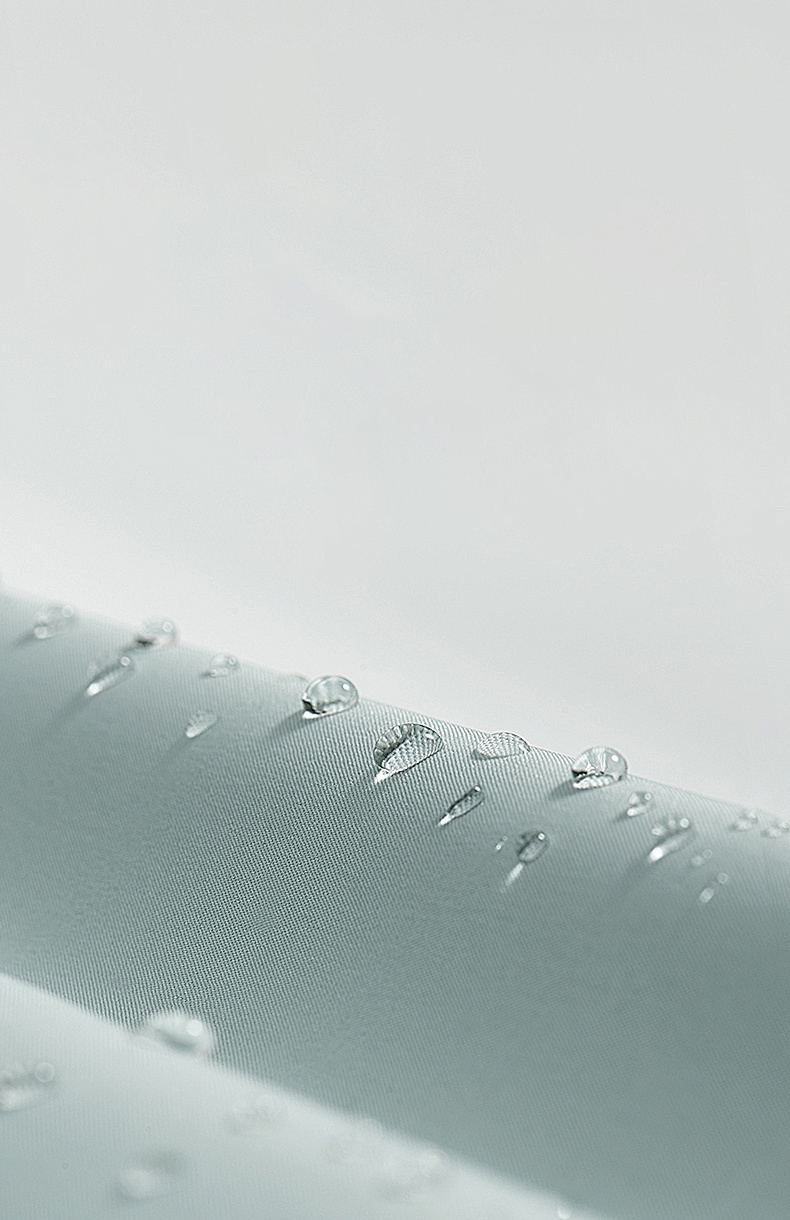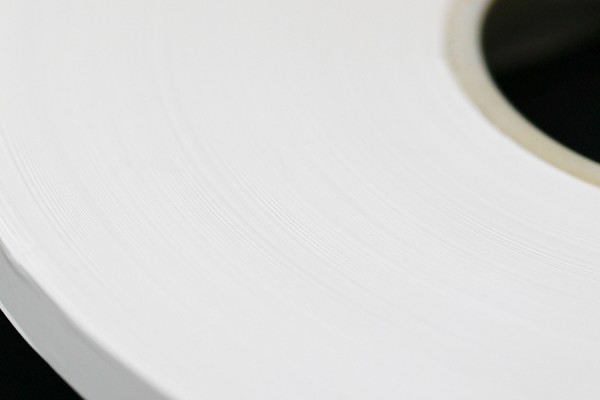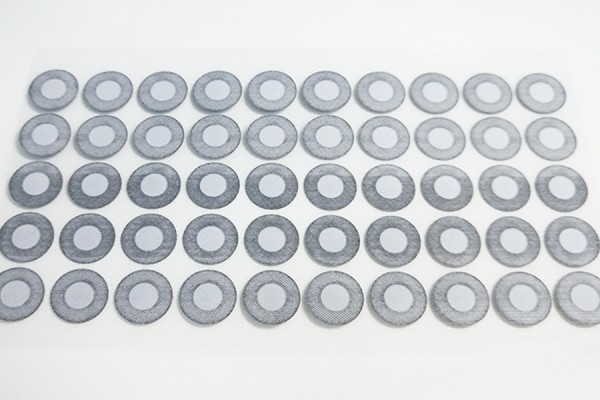
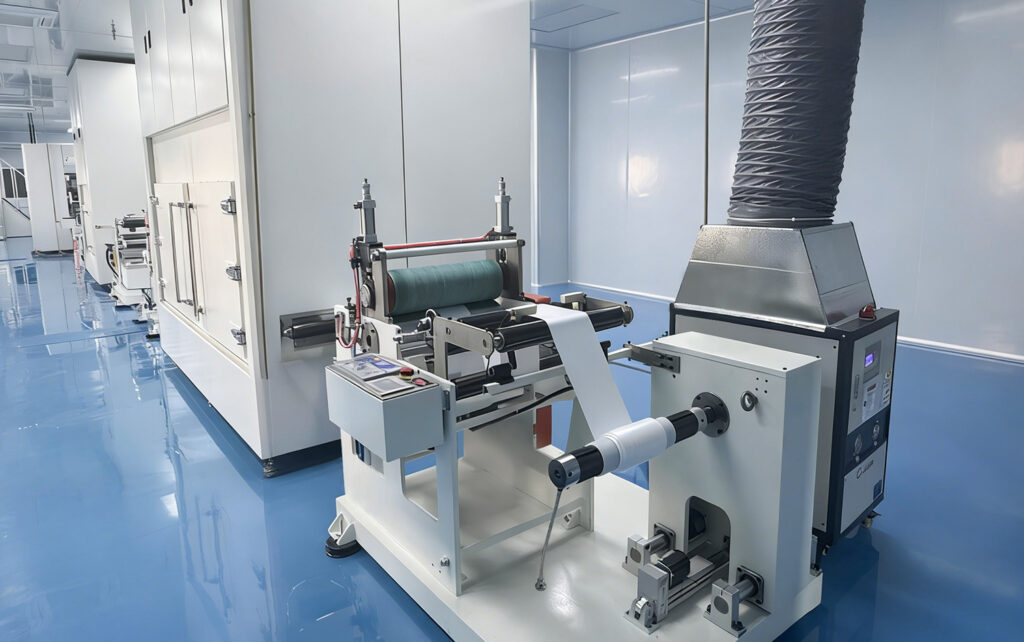
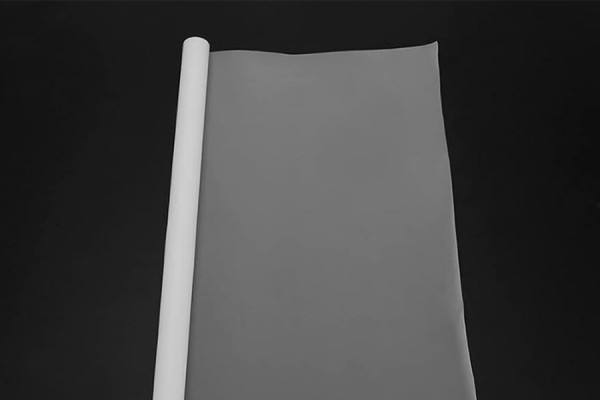
ePTFE membranes provide significant advantages across various applications, particularly in enhancing safety and performance. Their low flammability minimizes fire risks, making them ideal for use in cable insulation, where overheating can lead to hazardous situations. Additionally, the chemical inertness of ePTFE membranes ensures they remain stable in harsh environments, crucial for maintaining the integrity of medical diagnostics. The precise fluid control offered by these membranes supports reliable operations in microfluidic devices, which is essential for accurate testing outcomes. As a result, their application not only boosts efficiency but also aligns with the growing demand for safety and reliability across industries. With their unique properties, ePTFE membranes are becoming invaluable components in tackling modern challenges in both healthcare and electronics fields.
Innovative Applications of ePTFE Membranes in Cable Insulation
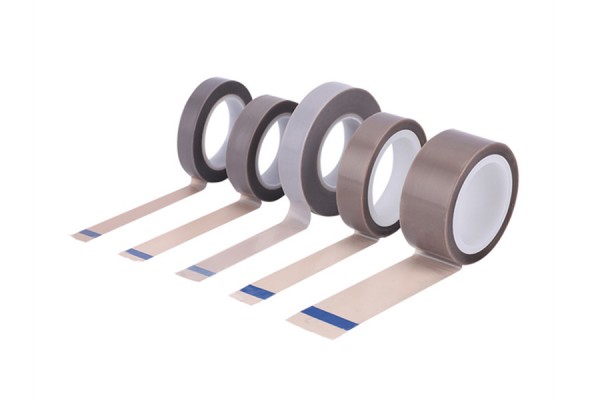
ePTFE membranes have become increasingly prominent in the wire and cable industry, offering remarkable properties that surpass traditional insulation materials. The use of PTFE wrapping filmsignificantly enhances the performance of high-speed transmission lines, ensuring effective signal integrity and improved durability. This membrane’s low flammability and exceptional thermal stability make it a preferred choice for PTFE cable wrapping tapeapplications. Additionally, DAC high-speed cable wrapping filmand other specialized variants like AEC high-speed cable wrapping filmcontribute to maintaining signal fidelity in environments with fluctuating temperatures. Furthermore, the application of ePTFE in PTFE Thread Seal Tapeensures reliable sealing for cable connections while resisting harsh chemical exposures. With developments in high speed and high-frequency cable wrapping film, manufacturers can achieve better electrical performance and longevity for their products. By integrating these innovative materials, industries can significantly enhance the safety and reliability of their cable insulation solutions.
Uncovering the Low Flammability Benefits of ePTFE Membranes
ePTFE membranes stand out in the field of insulation materials due to their impressive low flammability properties. This characteristic is pivotal in applications where overheating and fire risks are concerns, such as telecommunications cables. Traditional insulation materials like polyethylene (PE) and polyvinyl chloride (PVC) have oxygen indexes of 18 and 36, respectively, rendering them more susceptible to ignition under high temperatures. Conversely, ePTFE membranes provide enhanced safety by featuring a much higher oxygen index, drastically minimizing fire hazards.
The following table illustrates the flammability comparisons among different insulation materials:
| Material | Oxygen Index | Flammability Risk |
|---|---|---|
| Polyethylene | 18 | High |
| Polyvinyl Chloride | 36 | Moderate |
| ePTFE | >90 | Low |
Additionally, ePTFE’s thermal stability ensures that temperatures necessary for combustion are not easily reached. This makes it an ideal choice for environments that demand reliability and safety, especially when integrated into designs like AOC high-speed cable wrapping film. With its unique properties, ePTFE contributes significantly to improving the overall safety standards in various cable applications.
The Role of ePTFE in Enhancing Medical Diagnostic Technologies
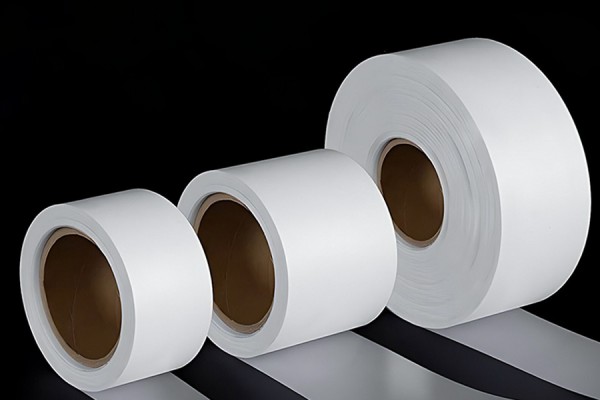
ePTFE membranes are playing a crucial role in advancing medical diagnostic technologies. One of the standout features of these membranes is their low flammability, which is vital in environments that require safety and reliability. Furthermore, the chemical inertness of ePTFE makes it an ideal candidate for applications that involve aggressive substances, ensuring accuracy and integrity during testing. Innovations such as the use of ePTFE as a non-adhesive surface in high-speed and high-frequency cable wrapping film are revolutionizing how medical devices manage fluid control under pressure. The incorporation of ACC high-speed cable wrapping film into diagnostic equipment enhances fluid transport efficiency, bolstering the performance of devices designed for precise medical testing. With consistent micro-permeability and robust construction, ePTFE membranes effectively ensure that gas flow rates remain stable while preventing microbial contamination, ultimately improving the reliability of medical diagnostics.
Exploring ePTFE Membranes: Chemical Inertness and Its Advantages
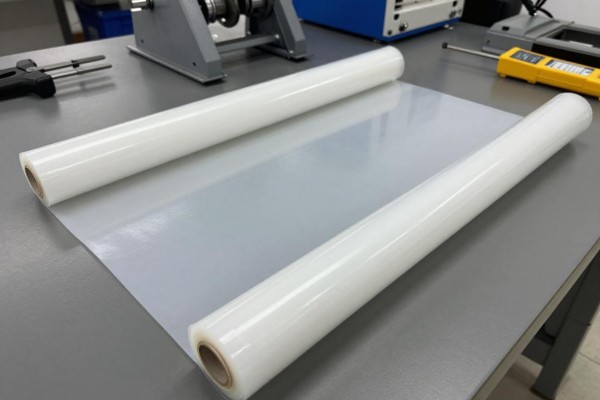
ePTFE membranes are renowned for their chemical inertness, making them ideal for various applications where exposure to harsh substances is a concern. This property allows them to withstand aggressive acids and bases without degradation, ensuring reliability in critical environments. For instance, in the wire and cable industry, utilizing materials such as high-speed transmission line PTFE wrapping tape or AEC high-speed cable wrapping film ensures that insulation maintains integrity even under extreme conditions.
Moreover, the non-reactive nature of ePTFE reduces the risk of contamination in sensitive applications like medical diagnostics. This guarantees that diagnostic processes remain accurate and unaffected by external chemical interactions. As fluid dynamics become increasingly critical in healthcare technologies, the chemical inertness of ePTFE supports precise control over fluid paths in microfluidic devices and diagnostic tools.
"The best materials lead to the best outcomes," highlighting the necessity for chemically stable components in sensitive applications. This adaptability not only enhances performance but also ensures longevity and safety in various settings.
Precise Fluid Control: Leveraging ePTFE Membrane Technology
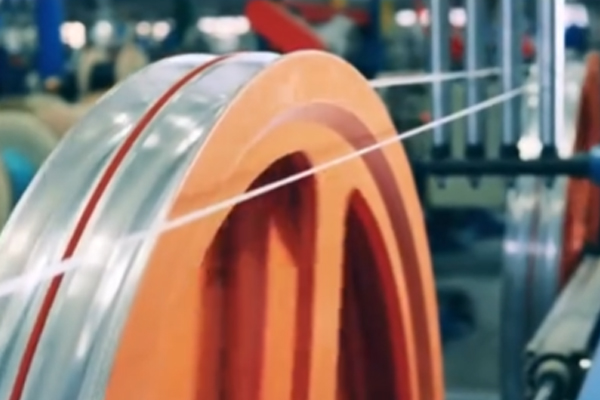
ePTFE membranes excel in facilitating precise fluid control in various applications, particularly in medical diagnostic devices. The technology harnesses the unique microporous structure of ePTFE, which allows for consistent micro-permeability and regulated gas flow rates. This is crucial for microfluidic systems, where accurate fluid injection under high pressure is essential for reliable test results. The robust resistance of ePTFE to chemical agents ensures that the membranes remain chemically inert, minimizing any interaction that could compromise sample integrity. Additionally, their non-adhesive surface characteristics prevent reagent backflow and enhance ease of use during complex procedures. Overall, leveraging ePTFE membrane technology significantly improves the efficiency and reliability of fluid management in sensitive applications such as diagnostics and bioresearch.
Understanding the Superior Thermal Stability of ePTFE in Cables
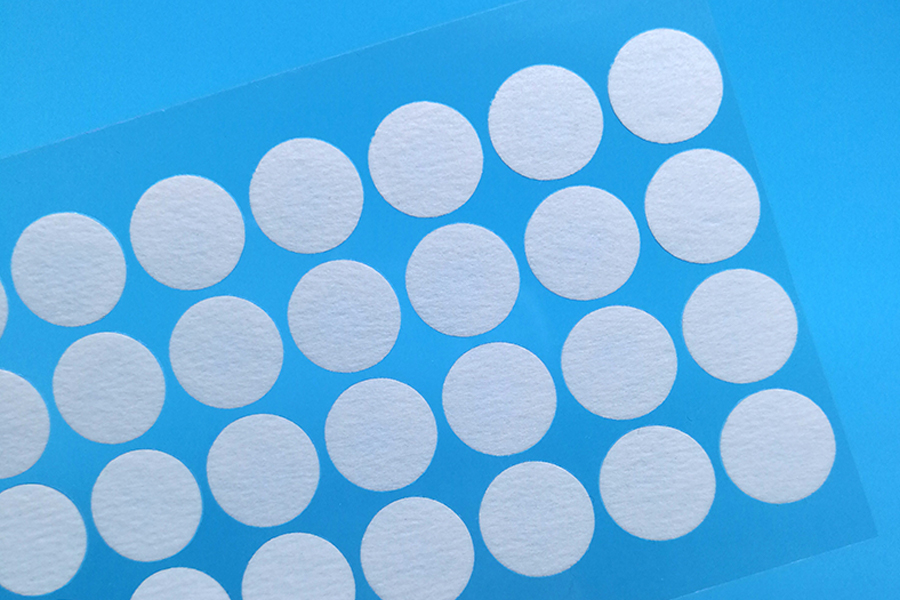
The thermal stability of ePTFE membranes is significantly higher than that of traditional insulation materials like polyethylene and polyvinyl chloride. This stability is essential in applications where cables are exposed to high temperatures. ePTFE can withstand extreme conditions without degrading, making it a reliable choice for telecommunications and other industries. Additionally, when using PTFE cable wrapping tape, the combination offers further protection against thermal fluctuations. The low flammability of ePTFE membranes enhances safety in installations, reducing the risk of fire hazards associated with conventional insulation materials. The robust performance of ePTFE under thermal stress not only extends the lifespan of cables but also ensures consistent signal transmission, which is vital in maintaining efficient communication networks.
ePTFE Membranes: A Game-Changer for Pharmaceutical Packaging
ePTFE membranes are transforming the pharmaceutical packaging sector, primarily due to their exceptional properties. These membranes provide robust barriers against moisture and contaminants, ensuring the integrity of sensitive products throughout their shelf life. Their chemical inertness means they can withstand exposure to various acids and solvents, making them suitable for a wide range of pharmaceutical applications. Additionally, ePTFE’s ability to maintain performance under high temperatures enhances its utility in packaging that requires sterilization processes. By implementing ePTFE membranes in packaging designs, manufacturers can improve product safety and reliability while reducing the risk of degradation. This innovation marks a significant advancement in the quest for effective pharmaceutical delivery solutions.
Future Trends in ePTFE Applications for Healthcare and Electronics
As the demand for advanced materials continues to grow, ePTFE membranes are poised to become increasingly integral in both healthcare and electronics. The unique properties of ePTFE, such as chemical inertness and low flammability, make it a prime candidate for innovative applications. In electronics, advancements like PTFE cable roll coating are gaining traction, providing enhanced insulation solutions that ensure greater safety and efficiency. Meanwhile, in the healthcare sector, ePTFE’s precise fluid control capabilities are revolutionizing diagnostic devices and drug delivery systems. These membranes not only offer reliable performance under high-pressure conditions but also help maintain sterility, which is crucial in medical environments. The versatility of ePTFE suggests it will play a significant role in future technological developments that require both durability and adaptability across various applications.
Conclusion
The applications of ePTFE membranes across various industries illustrate their growing importance and effectiveness in enhancing performance and safety. In cable insulation, their low flammability and thermal stability significantly reduce fire risks, contributing to safer environments. Concurrently, in medical diagnostics, the chemical inertness of ePTFE ensures accurate results by preventing contamination during critical processes. The consistency in fluid control provided by these membranes further illustrates their versatility and reliability, especially in high-pressure conditions. As technological advancements continue, the adaptability of ePTFE will likely create new opportunities for innovative applications in both healthcare and electronics, reinforcing its position as a vital material for future developments.
FAQs
What are ePTFE membranes?
ePTFE membranes are expanded polytetrafluoroethylene products characterized by their low flammability, chemical inertness, and microporous structure, making them ideal for diverse applications.
How do ePTFE membranes enhance cable insulation?
Their low flammability and exceptional thermal stability allow ePTFE membranes to improve signal integrity and durability in cable applications, reducing fire risks significantly.
Why is chemical inertness of ePTFE important in medical diagnostics?
The chemical inertness prevents reactions with aggressive substances, ensuring accurate test results and maintaining sample integrity during diagnostic processes.
What is the role of ePTFE in fluid control?
ePTFE’s microporous structure enables precise control of fluid dynamics, crucial for devices requiring reliable fluid injection under high pressure.
How do ePTFE membranes contribute to pharmaceutical packaging?
Their moisture barrier properties protect sensitive products from contamination and degradation, enhancing the safety and reliability of pharmaceutical deliveries.
What future trends can we expect for ePTFE applications?
Growing demands in healthcare and electronics will drive innovations utilizing ePTFE’s unique properties for better insulation solutions and improved diagnostic systems.