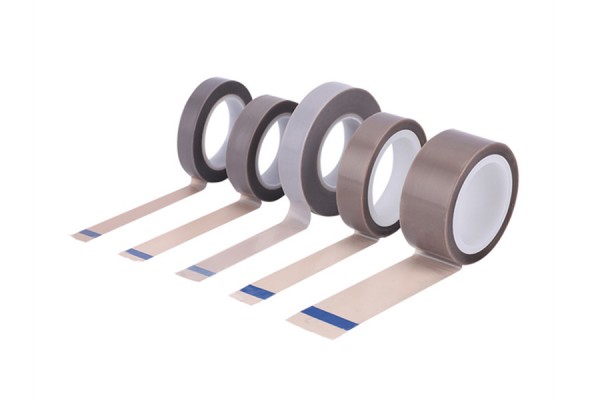
important Takeaways
PTFE film demonstrates remarkable versatility across various industries, particularly in aerospace and electronics. Its outstanding electrical insulation properties effectively prevent short circuits, ensuring operational reliability and safety in critical applications. The film’s flexibility allows it to adapt to different shapes, making it suitable for a wide range of designs in electronic components and aerospace systems. also, PTFE’s non-stick properties not only facilitate easier cleaning but also reduce wear on machinery, enhancing the longevity of equipment. With exceptional thermal stability, PTFE maintains its performance under extreme temperatures, making it a trusted material in challenging environments. These qualities combine to make PTFE film an integral part of new solutions that drive efficiency and reliability across diverse industrial sectors.
Applications of PTFE Film in Aerospace
PTFE film plays a key role in the aerospace industry, primarily due to its impressive thermal stability and chemical resistance. It functions effectively as a high-performance insulation material, particularly in high-speed transmission lines where reliable electrical insulation is essential. The application of PTFE cable wrapping tape ensures the safeguarding of wires and cables against harsh environmental conditions. Furthermore, PTFE wrapping film contributes to reducing friction on moving components, enhancing operational efficiency while minimizing wear and tear. Aerospace equipment often relies on DAC high-speed cable wrapping film and AEC high-speed cable wrapping film for superior performance in extreme temperatures and pressures. Combining flexibility with strength, PTFE thread seal tape is used for sealing fluid connections that require both durability and reliability. This versatility makes PTFE film an invaluable asset across various aerospace applications, ensuring safety and efficiency in flight operations.
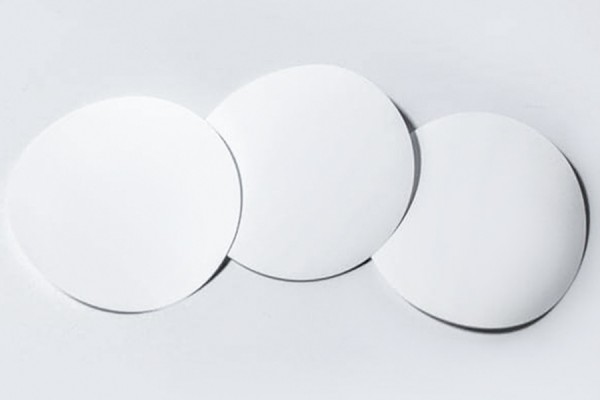
PTFE Film Benefits in Electronics
PTFE film is an important material in electronic applications due to its unique properties. Its excellent electrical insulation capabilities make it ideal for preventing short circuits and electrical failures. The film’s low dielectric constant ensures minimal signal loss, which is important for high-frequency devices. furthermore, PTFE film’s non-stick characteristics prevent contaminants from adhering to surfaces, enhancing reliability in electronic components. This quality is particularly beneficial in manufacturing processes where cleanliness is vital. The flexibility of PTFE film allows it to conform to various shapes and sizes, accommodating different design requirements within electronic equipment. Moreover, its high thermal stability ensures that performance remains consistent even under extreme temperatures. As manufacturers seek components that perform well in demanding environments, PTFE film stands out as a versatile solution, contributing to advancements in electronics and improving overall product quality.
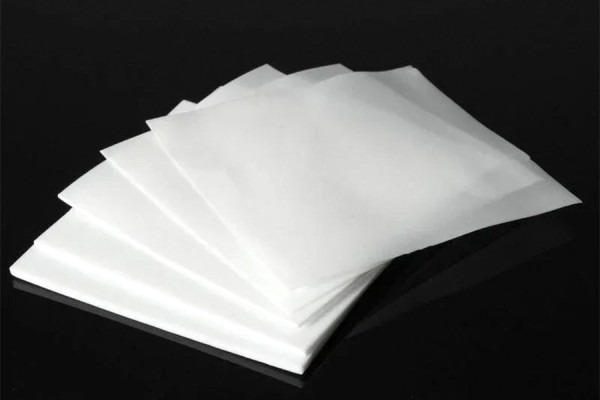
High-Performance Insulation with PTFE
PTFE film offers exceptional performance as an insulation material in various industrial applications. Its ability to withstand extreme temperature fluctuations makes it suitable for environments ranging from cryogenic conditions to high-heat scenarios. In aerospace and electronics, PTFE film effectively protects sensitive components from thermal damage, ensuring reliable operation. The low dielectric constant of PTFE translates to minimal signal loss, making it a useful choice for high-frequency applications. Its non-reactive nature means it can also prevent chemical degradation in harsh environments. Manufacturers increasingly adopt PTFE film as a critical insulation solution, benefiting from its combination of mechanical strength and electrical performance.
"Choosing the right insulation material can significantly impact the efficiency and durability of industrial systems."

Non-Stick Properties of PTFE Film
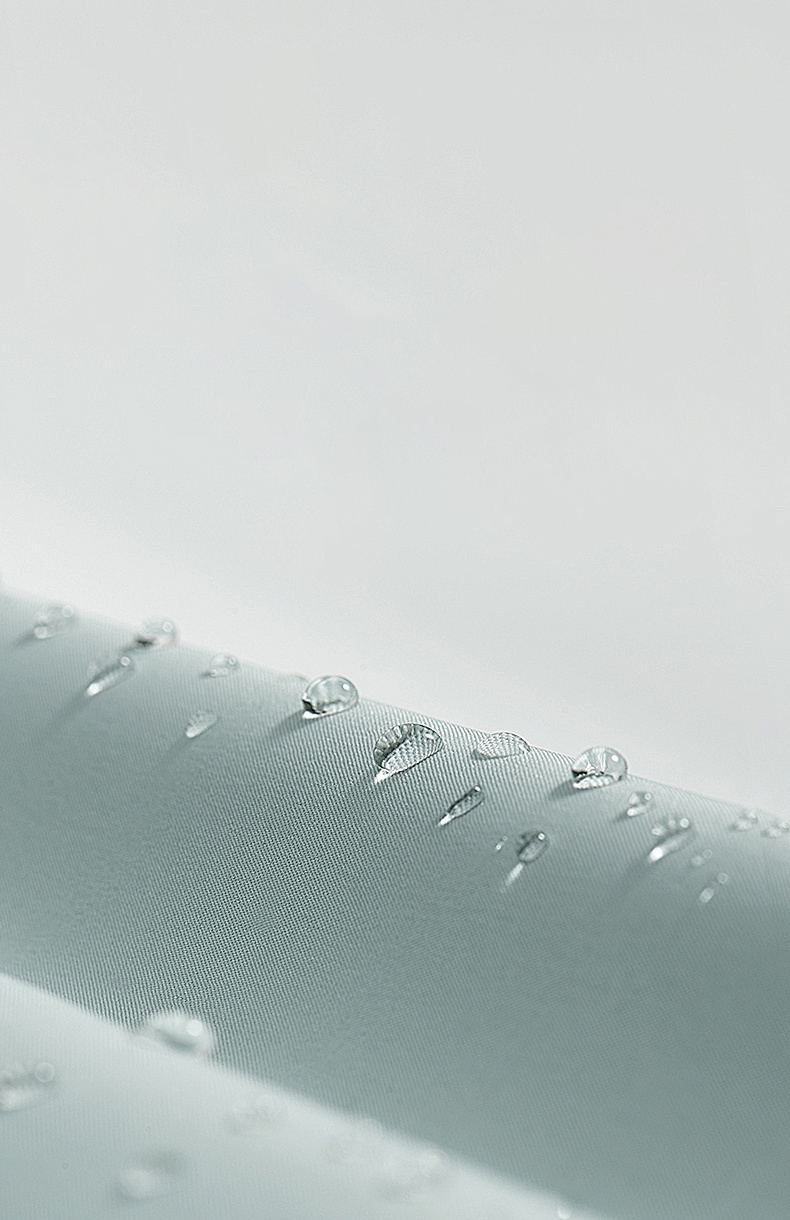
PTFE film is widely recognized for its exceptional non-stick properties, which stem from its unique molecular structure. This quality makes PTFE an ideal choice for applications where surface friction reduction is paramount. In industries such as food processing and manufacturing, PTFE film minimizes material adhesion, allowing for easier removal of products after forming or cooking processes. Its non-stick characteristics also contribute to improved hygiene, as surfaces are easier to clean and less prone to bacterial growth. Furthermore, this attribute extends the lifespan of equipment by reducing wear and tear caused by abrasive materials. Beyond food applications, the non-stick properties of PTFE film find utility in aerospace components and electronics, where they improve performance by preventing unwanted material buildup. As manufacturers seek efficient and reliable materials for their products, the non-stick capabilities of PTFE film present practical solutions across diverse sectors.
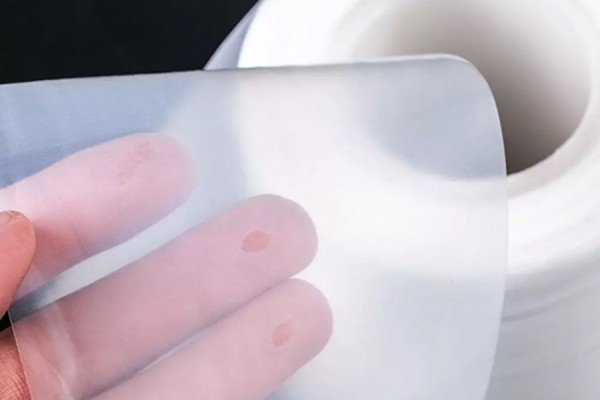
Flexibility of PTFE Film for Industrial Use
PTFE film exhibits remarkable flexibility, making it suitable for a variety of industrial applications. Its ability to conform to different shapes and surfaces enhances its usability across diverse sectors. In the aerospace industry, for instance, the flexible nature of PTFE film allows it to be applied in tight spaces and complex configurations, providing effective insulation without compromising performance. Similarly, in the electronics sector, PTFE film’s adaptability ensures it can be layered over components without adding significant bulk, maintaining both efficiency and functionality. The film’s versatility also extends to packaging solutions where its flexibility can help create custom-sized packages that protect products while preventing degradation caused by environmental factors. also, the reliable adhesion properties of PTFE film ensure that it maintains its performance even when subjected to mechanical stress or thermal fluctuations. Overall, the flexibility of PTFE film is a main attribute that enhances its effectiveness in demanding industrial settings.

original Packaging Solutions with PTFE
PTFE film offers original packaging solutions due to its unique properties. Its non-stick surface allows for easy release of packaged items, reducing waste and ensuring product integrity. In food packaging, PTFE film plays a vital role by preventing adhesion between layers, maintaining the freshness of food products. also, PTFE’s chemical resistance enhances its suitability for packaging sensitive items in various industries, including pharmaceuticals and electronics. The film can withstand exposure to aggressive substances without degrading, providing an extra layer of protection during storage and transportation. Furthermore, its flexibility enables the production of custom-sized packaging that meets specific operational requirements. By utilizing PTFE film in packaging, manufacturers can improve performance while extending the shelf life of their products across diverse sectors. The durability and thermal stability of PTFE also ensure that packaged goods remain safe in harsh environments, contributing to more reliable supply chains and customer satisfaction.
Enhanced durability through PTFE Film
PTFE film is renowned for its impressive durability, making it a preferred choice in various demanding applications. Its robust chemical resistance ensures that it can withstand exposure to corrosive substances, preventing degradation over time. This durability extends to extreme temperatures, where PTFE film remains stable and functional across a range from -200°C to +260°C, accommodating brief excursions above 300°C. Such thermal stability is vital in industries requiring reliable performance under strain, particularly in aerospace and electronics. Moreover, the non-stick nature of PTFE film contributes to its longevity; surfaces coated with PTFE resist wear and tear from friction and aggressive cleaning processes. This combination of resistance to harsh chemicals and thermal extremes not only enhances the lifespan of the materials but also ensures consistent performance over time. Consequently, PTFE film is increasingly being recognized as an essential solution for applications that demand both reliability and resilience in challenging environments.
Thermal stability of PTFE in Harsh Environments
PTFE exhibits exceptional thermal stability, making it a preferred choice in extreme conditions. It operates reliably in temperature ranges from -200°C to +260°C, with the capacity to withstand brief excursions above 300°C. This thermal resilience ensures that PTFE maintains its properties, such as flexibility and electrical insulation capability, even when exposed to high heat. Industries like aerospace and electronics utilize PTFE for insulating cables and components that experience severe temperature fluctuations. The polymer’s ability to endure harsh environments minimizes the risk of degradation and failure, ensuring performance consistency. also, PTFE’s low thermal conductivity limits heat transfer, providing protection for sensitive materials and enhancing overall system efficiency. This makes PTFE an essential material in applications requiring reliable insulation without compromising safety or functionality.
Conclusion
the new uses of PTFE film in various industrial applications point out its remarkable versatility and performance. Its unique properties, including exceptional electrical insulation, thermal stability, and non-stick characteristics, offer significant advantages in sectors like aerospace and electronics. As industries increasingly lean towards materials that improve efficiency and safety, PTFE film stands out for its ability to endure harsh environments while maintaining functionality. The film’s flexibility accommodates complex designs and tight configurations, making it an ideal choice for diverse applications. Companies are recognizing the need for durable materials that boost product longevity and reliability. As the demand continues to grow across various fields, PTFE film is set to play a critical role in shaping future industrial solutions.
FAQs
What is PTFE film?
PTFE film is a high-performance polymer film known for its electrical insulation, thermal stability, and non-stick properties.
How does PTFE film benefit the aerospace industry?
In aerospace, PTFE film provides key insulation and reduces friction on moving components, enhancing efficiency and safety.
Can PTFE film be used in electronics?
Yes, its excellent electrical insulation capabilities make it essential in electronics, preventing short circuits and ensuring reliable performance.
What are the non-stick properties of PTFE film?
PTFE film minimizes material adhesion, making it easier to clean surfaces and preventing buildup in manufacturing processes.
Is PTFE film flexible?
Yes, PTFE film’s flexibility allows it to conform to various shapes and sizes, making it suitable for diverse industrial applications.
How does PTFE film withstand extreme temperatures?
PTFE maintains stability from -200°C to +260°C and can handle brief excursions above 300°C without losing performance.
What makes PTFE suitable for packaging solutions?
Its non-stick surface prevents adhesion between layers and offers chemical resistance, ensuring product integrity across various industries.