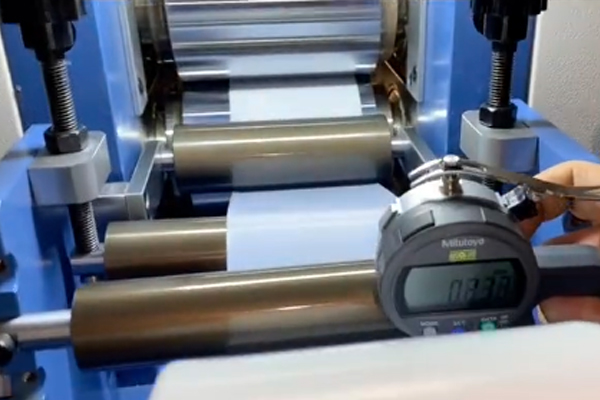
main Takeaways
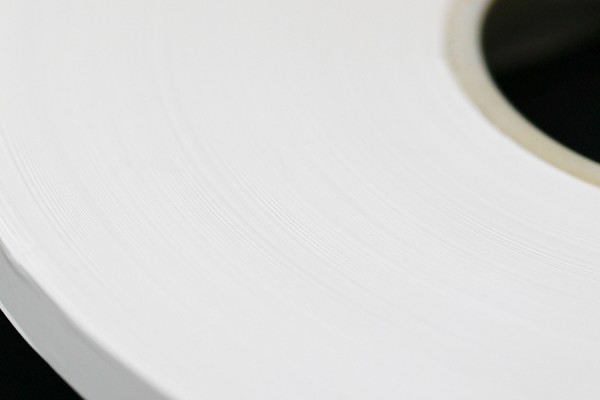
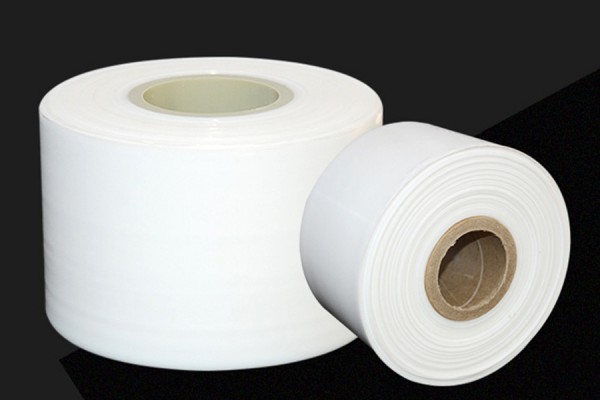
ptfe high speed cable film delivers reliable signal transmission through a very low dielectric constant, reducing loss in high-frequency lines. Its thermal resistance (-200°C to +260°C operating range, short-term spikes above 300°C) supports stable performance in aerospace and automotive environments. The film’s lightweight, flexible structure simplifies installation in tight spaces and accommodates complex cable configurations without compromising integrity. EMI shielding capabilities and chemical inertness provide durable protection against interference and corrosion, enhancing longevity of critical systems such as 5G, RF, and aviation electronics. These properties combine to enable safer designs, longer service intervals, and consistent performance across extreme conditions, making PTFE solutions a practical choice for demanding applications where reliability is non-negotiable.
Enhancing signal transmission with PTFE Film
The use of PTFE high-speed cable film significantly benefits applications that require reliable signal transmission. Its low dielectric constant ensures minimal signal loss, making it an ideal choice for high-speed transmission line PTFE wrapping tape, which is key in data-intensive environments. The unique structure of PTFE materials allows for excellent flexibility, adapting to various cable configurations without compromising integrity. Furthermore, the heat resistance properties of PTFE cable wrapping tape contribute to maintaining performance under extreme conditions. This thermal resilience is particularly beneficial for aerospace and automotive applications, where temperature fluctuations are common.
PTFE wrapping film proves advantageous in 5G technology as well, providing superior insulation capabilities essential for modern communication systems. Its lightweight and durable composition allows for efficient installation and long term performance in challenging environments. furthermore, DAC high-speed cable wrapping film and AEC high-speed cable wrapping film improve signal clarity by minimizing electromagnetic interference. By choosing PTFE solutions such as AOC high-speed cable wrapping film or ACC high-speed cable wrapping film, industries can ensure that their communication systems function optimally while meeting the rigorous demands of today’s fast-paced technological scene.
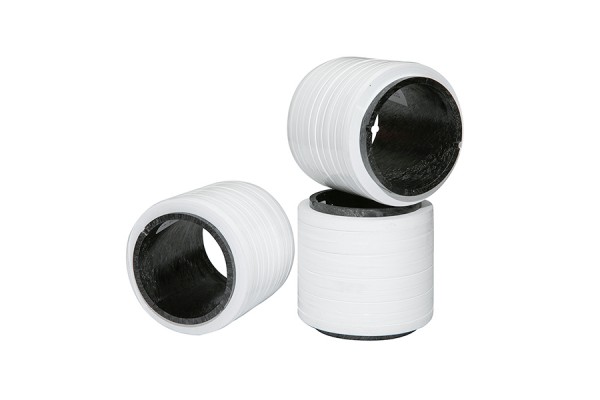
The role of PTFE Film in Aviation Applications
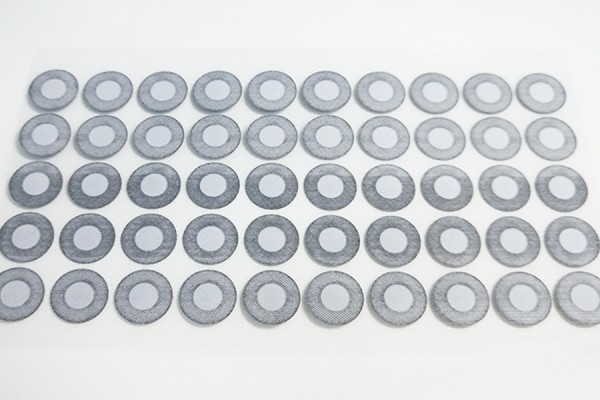
PTFE high-speed cable film serves a vital function in the aviation sector, where reliability and performance are paramount. Its excellent thermal resistance allows it to operate effectively in extreme temperature ranges, ensuring safety and functionality in various environments. As aircraft require lightweight materials for improved fuel efficiency, the low thermal expansion coefficient of PTFE makes it an ideal choice, minimizing weight without compromising on structural integrity. This film’s superior insulation properties are essential for safeguarding sensitive electronic components and maintaining optimal performance during flight operations. Furthermore, the film’s ability to shield against electromagnetic interference is important in aviation applications, where signal integrity is vital for navigation and communication systems. The porous mesh structure of PTFE contributes to its effectiveness in insulating RF cables, which play an essential role in modern aircraft communication systems. By utilizing PTFE high-speed cable film, manufacturers can ensure that their aircraft meet stringent safety standards while promoting enhanced functionality and performance.
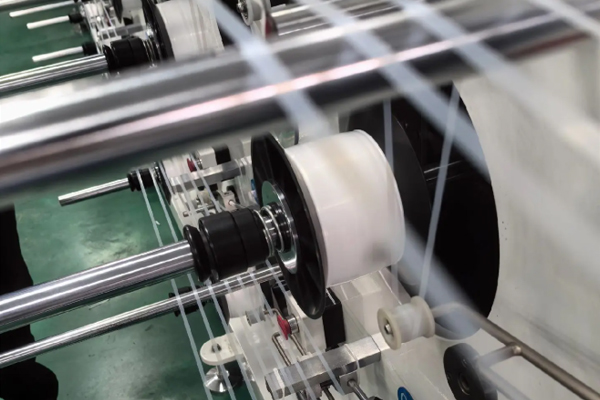
Advantages of PTFE High-Speed Cable Film
PTFE high-speed cable film offers significant benefits across various applications, making it a preferred choice in demanding environments. One of its important advantages is its excellent thermal resistance, allowing it to operate effectively in extreme temperatures between -200°C and +260°C. This capability is important for industries such as aerospace and automotive, where components often face harsh thermal conditions. Moreover, the lightweight composite structure enhances flexibility while maintaining durability, ensuring easy installation and handling. The film also features outstanding abrasion resistance, providing long-lasting protection against wear and tear during operation. In addition, its low dielectric constant promotes efficient signal transmission with minimal loss, making it ideal for high-frequency applications like 5G communication systems. The combination of these properties not only improves overall performance but also ensures reliability in critical electronic systems, reinforcing the essential role of PTFE high-speed cable film in modern technological advancements.
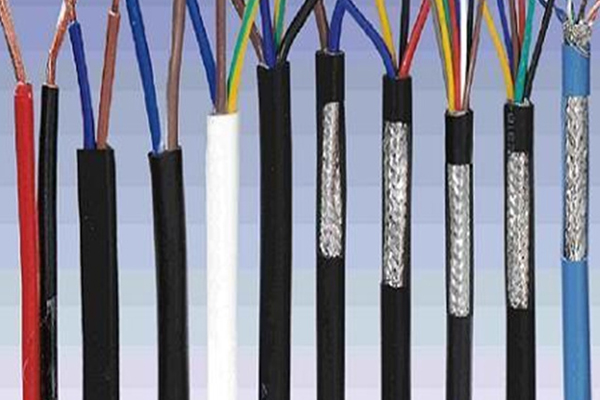
Shielding capabilities of PTFE Materials
PTFE high-speed cable film is recognized for its exceptional shielding capabilities, making it an ideal choice for various electronic applications. This material forms a robust barrier against electromagnetic interference (EMI), ensuring that signal integrity is maintained even in electrically noisy environments. Its low dielectric constant is critical, as it minimizes signal loss during transmission. The porous mesh structure of PTFE allows for efficient thermal management while providing the necessary insulation to shield sensitive components. These properties are particularly vital in aerospace and communication sectors, where reliable performance under extreme conditions is non-negotiable. In addition, PTFE’s chemical inertness ensures long-lasting protection against corrosive substances, further enhancing its effectiveness as a shield. By utilizing PTFE high-speed cable film, manufacturers can achieve superior performance and reliability in high-frequency applications, including 5G technologies and RF communications. This combination of attributes positions PTFE as a leading choice for effective shielding solutions across multiple industries.
Thermal resistance features of PTFE Cable Film
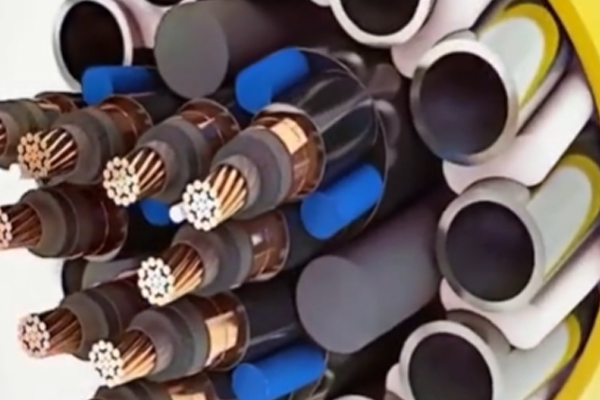
PTFE high-speed cable film is distinguished by its exceptional thermal resistance, enabling it to perform reliably across a wide range of temperatures. It operates effectively in environments ranging from -200°C to +260°C, with the capacity to withstand short-term spikes exceeding 300°C. This impressive temperature tolerance ensures that the film retains its structural integrity and functional properties even under extreme conditions. The material’s low thermal expansion coefficient minimizes dimensional changes, which is important for maintaining precise connections in sensitive applications. Furthermore, PTFE’s excellent chemical inertness contributes to its durability in challenging environments, resisting degradation from harsh chemicals and high temperatures commonly found in aerospace and automotive sectors. By ensuring stable performance even under thermal stress, PTFE high-speed cable film enhances the reliability of signal transmission and extends the lifespan of electronic components. Its ability to endure intense heat makes it a vital choice for applications demanding robust insulation and dependable performance in turbulent thermal conditions.
Flexible solutions with PTFE High-Speed Film
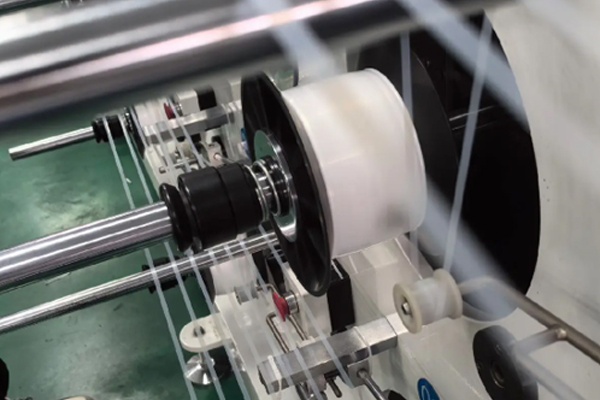
PTFE high-speed film presents flexible solutions that cater to diverse industry needs. Its lightweight composition and superior flexibility make it ideal for applications where conventional materials may struggle. This film easily conforms to various shapes and sizes, simplifying installation in tight spaces or complex configurations. also, the resilience of PTFE allows for repeated bending and movement without compromising performance, an important quality in dynamic environments like automotive wire harnesses and flexible electronics. The porous structure of the material enhances its ability to withstand tensile stress while maintaining its integrity under varying temperatures. As a result, PTFE high-speed film is a reliable choice for both insulation and signal transmission in environments ranging from 5G communication to aviation systems, ensuring operational efficiency and performance stability across applications. Its unique characteristics enable engineers to design more original solutions that meet the rigorous demands of modern technology without sacrificing reliability or safety standards.
Effective insulation in 5G Technology
PTFE high-speed cable film plays a vital role in ensuring effective insulation for 5G technology applications. Its low dielectric constant makes it suitable for high-frequency signal transmission, minimizing signal loss and contributing to enhanced overall performance. In 5G networks, where data rates and reliability are paramount, the insulating properties of PTFE film provide robust protection against interference. This is key for maintaining signal integrity in various environments, from urban settings filled with high electromagnetic traffic to remote areas where reliable connectivity is essential. also, the thermal resistance of PTFE allows it to function effectively in diverse temperature ranges, further securing the performance of 5G systems under different climatic conditions. Its ability to withstand harsh environments ensures that the integrity of insulation remains intact, promoting uninterrupted communication essential for advanced applications like autonomous driving and smart cities. The flexibility of PTFE further facilitates installation, making it easier to integrate into complex wiring systems found within 5G networks.
Application versatility of PTFE High-Speed Film
PTFE high-speed cable film demonstrates remarkable application versatility across numerous industries. Its durability and resistance to extreme temperatures make it ideal for aerospace applications, where safety and reliability are key. In automotive settings, this film is used in wire harnesses and engine compartments, securing high-performance standards under harsh conditions. The telecommunications sector leverages PTFE film for 5G communication cables, where efficient signal transmission is essential. Its exceptional thermal resistance and low dielectric constant ensure minimal signal loss in high-frequency scenarios. also, this material’s corrosion-resistant properties make it suitable for installations in chemical industries and offshore platforms, where exposure to aggressive substances is common. The flexible nature of PTFE also allows for easy integration into various designs, enhancing its desirability across diverse applications. This adaptability not only improves performance but also contributes to the longevity of electrical systems in even the most demanding environments.
Conclusion
the advantages of PTFE high-speed cable film resonate throughout various sectors, demonstrating its effectiveness in enhancing performance and reliability. Its exceptional thermal resistance and shielding capabilities provide an essential foundation for applications ranging from aerospace to 5G technology. As industries continue to adapt to rapid advancements, utilizing PTFE film ensures that electronic systems remain operational under extreme conditions, effectively minimizing signal loss and interference. The material’s flexibility and lightweight nature allow for original designs that can meet the demanding specifications of modern technology. furthermore, PTFE’s durability against harsh environmental factors underscores its value in maintaining longevity and efficiency in important systems. Overall, the integration of PTFE high-speed cable film across different applications not only boosts operational effectiveness but also supports the growth of advanced technological solutions in today’s fast-evolving scene.
FAQs
What is PTFE high-speed cable film?
PTFE high-speed cable film is a specialized material designed for insulating and enhancing signal transmission in various applications, particularly those that require reliability under extreme conditions.
What are the important advantages of using PTFE film in communication systems?
The important advantages include excellent thermal resistance, low dielectric constant for minimal signal loss, and superior flexibility to accommodate different configurations while ensuring performance stability.
How does PTFE high-speed cable film perform in extreme temperatures?
PTFE film can withstand temperatures ranging from -200°C to +260°C, with short-term resistance up to 300°C, making it suitable for demanding environments like aerospace and automotive.
Is PTFE high-speed cable film effective against electromagnetic interference?
Yes, it provides excellent shielding capabilities against electromagnetic interference (EMI), maintaining signal integrity even in electrically noisy environments.
Can PTFE cable film be used in 5G technology?
Absolutely. Its low dielectric constant and thermal resistance are important for the effective insulation and performance of 5G communication systems, supporting high-frequency signal transmission.