important Takeaways
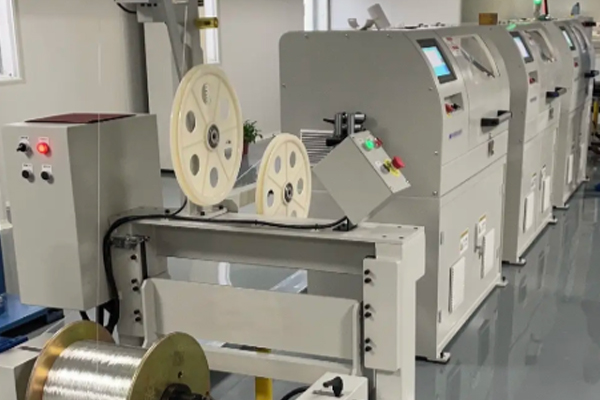
PTFE cable tape wrapping offers notable benefits for improving signal integrity and overall performance in high-frequency contexts. Its low dielectric loss is a key factor, ensuring efficient data transfer with minimal signal attenuation. PTFE’s effective insulation properties prevent crosstalk and shield against electromagnetic interference, key for maintaining clear communication across diverse electronic systems. Furthermore, PTFE’s thermal stability enables it to operate reliably under extreme temperature swings, safeguarding cables from potential degradation. Its chemical resistance contributes to its durability, making it suitable for demanding environments such as aerospace and medical sectors. As technology progresses, reliance on PTFE cable tape wrapping is likely to grow, keeping electronic systems resilient and efficient as they confront contemporary challenges.
Benefits of PTFE Cable Tape Wrapping
PTFE cable tape wrapping spans a broad set of applications across different sectors, especially in high-frequency electronic systems. It plays a key role in insulating RF coaxial cables, where preserving signal integrity is essential. This wrapping technique also offers critical support for medical cables, ensuring reliable performance in sensitive environments. Additionally, PTFE is favored in aerospace applications, where its thermal resistance and durability can endure extreme conditions.
Automotive charging systems derive substantial benefits from PTFE cable tape wrapping as it improves the overall safety and efficiency of electrical components. Moreover, the tape’s resistance to chemical corrosion renders it suitable for industrial settings, where exposure to harsh materials is common. In robotics and electronic devices, including smartphones and radars, the distinctive properties of PTFE help preserve consistent data transmission under varying environmental conditions.
Overall, PTFE cable tape wrapping plays a key role in improving performance and reliability across multiple technical systems, highlighting its versatility across multiple sectors.

Improving signal integrity with PTFE
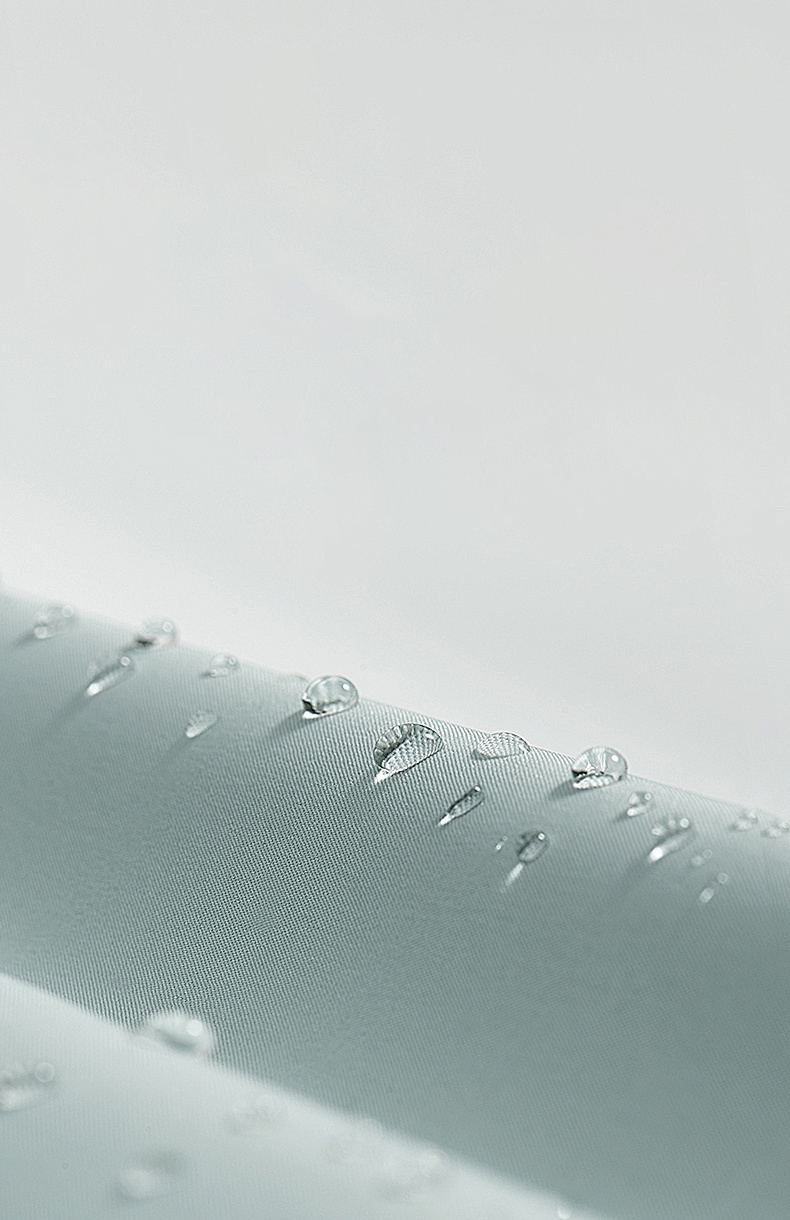
PTFE cable tape wrapping plays a key role in improving signal integrity in high-frequency applications. PTFE’s low dielectric constant reduces signal loss during transmission, which is crucial for communications systems where data accuracy matters. By delivering effective insulation, PTFE wrapping prevents crosstalk and interference from external electromagnetic sources, ensuring signals stay clear and reliable. PTFE’s inherent thermal stability also supports its role in sustaining performance across a wide temperature range, further lowering the risk of signal degradation. Furthermore, the distinctive microporous structure of expanded PTFE (ePTFE) helps repel moisture and contaminants that could impact transmission quality. This blend of properties makes PTFE wrapping a preferred choice for designers seeking to maximize data integrity in advanced electronics, such as 5G networks and aerospace applications.
"Utilizing PTFE cable tape is key to achieving optimal performance in high-frequency systems."
Applications of PTFE Cable Tape Wrapping
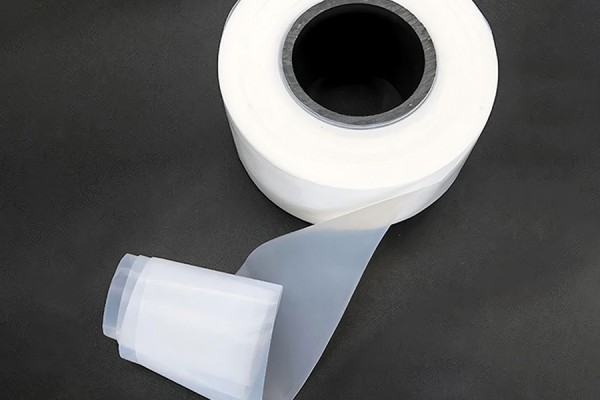
PTFE cable tape wrapping spans a broad set of applications across different sectors, especially in high-frequency electronic systems. It plays a key role in insulating RF coaxial cables, where preserving signal integrity is essential. This wrapping technique also offers critical support for medical cables, ensuring reliable performance in sensitive environments. Additionally, PTFE is favored in aerospace applications, where its thermal resistance and durability can endure extreme conditions.
Automotive charging systems derive substantial benefits from PTFE cable tape wrapping as it improves the overall safety and efficiency of electrical components. Moreover, the tape’s resistance to chemical corrosion renders it suitable for industrial settings, where exposure to harsh materials is common. In robotics and electronic devices, including smartphones and radars, the distinctive properties of PTFE help preserve consistent data transmission under varying environmental conditions.
Overall, PTFE cable tape wrapping plays a key role in improving performance and reliability across multiple technical systems, highlighting its versatility across multiple sectors.
PTFE: A Solution for Electromagnetic Shielding
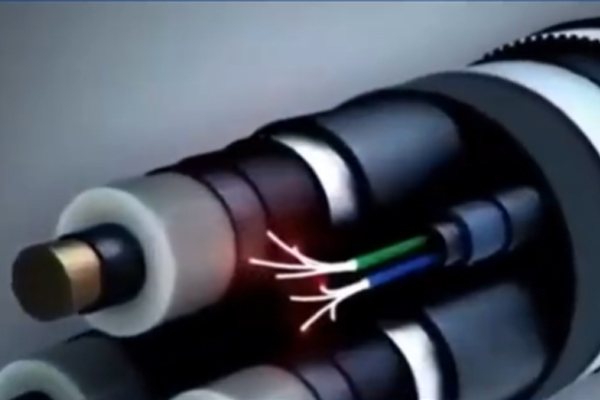
PTFE cable tape wrapping proves highly effective at delivering electromagnetic shielding, which is key for preserving the integrity of high-frequency signals. This property stems from PTFE’s low dielectric constant and high resistivity, making it an excellent barrier against electromagnetic interference (EMI). In settings where electronic devices run near radio frequency transmissions or other sources of electrical noise, PTFE can notably reduce the impact of disruptive signals.
PTFE’s distinctive structure enables it to absorb unwanted frequencies while letting the desired signals pass through. This trait is especially important in applications such as aerospace and telecommunications, where signal clarity can directly affect performance. Moreover, PTFE’s stability under changing environmental conditions further strengthens its suitability as a shielding solution, ensuring reliable operation across a broad range of temperatures and humidity levels. As technologies evolve and demand for high-frequency data transmission grows, PTFE’s role in boosting signal integrity through electromagnetic shielding becomes increasingly important.
Thermal resistance in PTFE Cable Wrapping
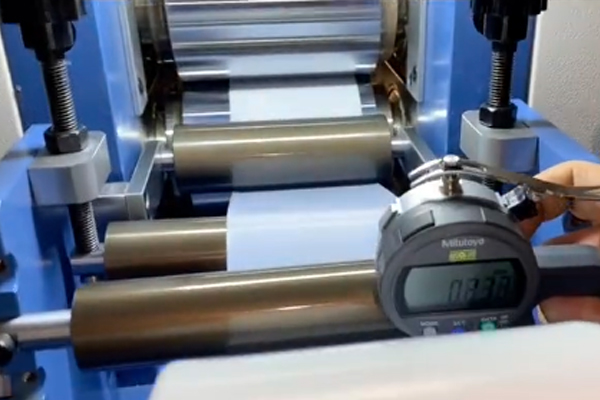
PTFE cable tape wrapping shows exceptional thermal resistance, making it well-suited for demanding applications. The material preserves its integrity across a broad temperature range from -150 to 260 degrees Celsius. This robustness is key in environments where cables face extreme heat and cold, such as aerospace and military settings. PTFE’s thermal stability ensures it does not degrade or lose performance, which is essential for reliable signal transmission in high-frequency communications. Moreover, its low thermal conductivity helps minimize heat buildup within cables, preventing overheating that can cause signal loss or failure. In addition to preserving the performance of the cables themselves, PTFE tape’s thermal resistance substantially extends the overall lifespan of the electrical systems they shield. This capability not only enhances operational efficiency but also supports advances in high-frequency cable technology where maintaining signal quality under changing temperature conditions is a crucial factor.
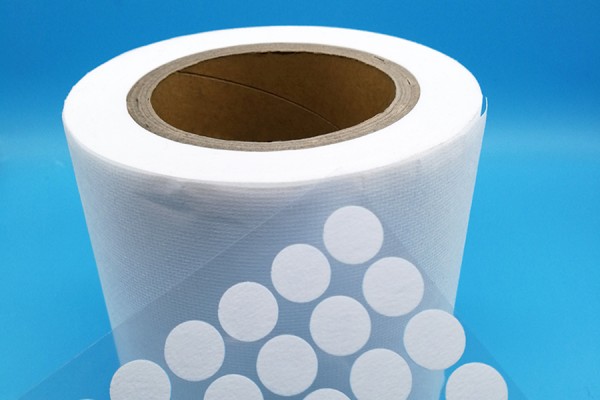
Insulation properties of PTFE Cables
PTFE cables offer outstanding insulation properties, making them suitable for a range of demanding applications. Their distinctive structure ensures low dielectric loss, which is key for keeping signal integrity in high-frequency environments. PTFE cables can endure extreme temperatures, from -150 to 260 degrees Celsius, without degrading. This thermal resilience enables these cables to operate reliably in harsh conditions, further enhancing their insulation capacity. Additionally, PTFE’s chemical stability protects against moisture and harmful contaminants, which could compromise signal quality. The outstanding electrical insulation of PTFE translates into lower energy losses and improved overall efficiency in electronic systems. This makes it a key choice for high-speed communication lines and precision electronic devices where reliable performance is essential. The advanced insulating properties of PTFE contribute substantially to the longevity and functionality of specialized cabling systems in military, aerospace, and medical applications where performance standards are critically high.
Advancements in High-Frequency Cable Technology
Recent advances in high-frequency cable technology have centered on enhancing performance and reliability of data transmission. The integration of PTFE cable tape wrapping stands as a key advancement, boosting overall signal integrity and efficiency of cables across diverse applications. These advances support the demand for high-speed communication systems, especially as 5G and upcoming 6G networks continue to deploy. Innovations in cable design, together with the distinctive properties of PTFE, enable improved thermal management and reduced signal loss. Engineers are increasingly leveraging PTFE’s characteristics to craft cables capable of operating at higher frequencies, thus meeting the challenges posed by contemporary electronic devices that demand rapid data transfer under demanding conditions. This ongoing evolution not only enhances functionality but also extends the lifespan of high-frequency cables, rendering them more suitable for complex environments such as aerospace and telecommunications.
The role of PTFE in Advanced Electronics
PTFE plays a key role in advanced electronics by delivering reliable performance under extreme conditions. Its distinctive properties make it a suitable choice for applications demanding effective insulation and thermal management. In environments where high frequencies are common, PTFE cable tape wrapping substantially reduces dielectric losses, ensuring signal integrity stays intact. This is especially important for technologies such as 5G and aerospace systems, where any signal degradation can negatively affect performance. Furthermore, the material’s thermal resistance enables it to operate effectively across a broad temperature range, from -150 to 260 degrees Celsius. This versatility makes PTFE a crucial component in diverse high-tech applications, including military communication systems and medical devices. Additionally, PTFE’s excellent resistance to chemicals and flames enhances the durability of electronic components, reducing maintenance needs and prolonging system life. The integration of PTFE in these sectors demonstrates its key contribution to the development of reliable and efficient electronic systems that meet contemporary demands.
Conclusion
PTFE cable tape wrapping stands out as a key innovation for improving signal integrity and reliability in high-frequency electronic systems. Its blend of superior insulation properties, thermal resistance, and effective electromagnetic shielding offers a versatile solution across multiple applications. As technology evolves, demand for robust materials like PTFE continues to rise, especially in sectors such as aerospace, telecommunications, and medical devices. This material not only ensures efficient data transmission but also extends the lifespan of electronic components by guarding against environmental stressors. The integration of PTFE in modern electronic systems reflects its crucial role in addressing challenges posed by rising frequencies and complex operating conditions. Overall, its solid performance makes PTFE an essential consideration for engineers aiming to optimize designs in advanced electronic applications.
FAQs
What is PTFE cable tape wrapping?
PTFE cable tape wrapping is a technique for applying a specialized polytetrafluoroethylene tape around cables to enhance insulation, thermal resistance, and signal integrity.
How does PTFE enhance signal integrity?
PTFE reduces signal loss because of its low dielectric constant, preventing cross-talk and external interference, ensuring clear and reliable data transmission.
What key benefits does PTFE provide in high-frequency applications?
PTFE offers excellent thermal stability, chemical resistance, and effective electromagnetic shielding, making it suitable for demanding environments such as aerospace and telecommunications.
Can PTFE endure extreme temperatures?
Yes, PTFE maintains its performance across a broad temperature range from -150 to 260 degrees Celsius without degrading or losing functionality.
In which domains is PTFE cable tape typically used?
PTFE cable tape finds use across various sectors including aerospace, medical devices, automotive charging systems, and high-speed communication lines due to its reliable performance under stress.