
important Takeaways
PTFE cable tape wrapping offers essential benefits that boost electrical connectivity across various applications. Its unique insulation properties effectively prevent signal loss and maintain integrity, particularly in high-frequency environments where performance is critical. The durability of PTFE tape against extreme temperatures and chemical exposure ensures reliable performance over long periods, making it suitable for industries such as aerospace, automotive, and telecommunications. furthermore, the lightweight nature of PTFE tape simplifies installation processes in complex setups. Its excellent electromagnetic shielding capabilities further reduce interference from external sources, ensuring consistent signal quality. When selecting PTFE tape for specific electrical needs, consider application requirements such as temperature tolerance and required insulation strength to maximize effectiveness in providing secure and efficient connectivity.
Benefits of PTFE Cable Tape
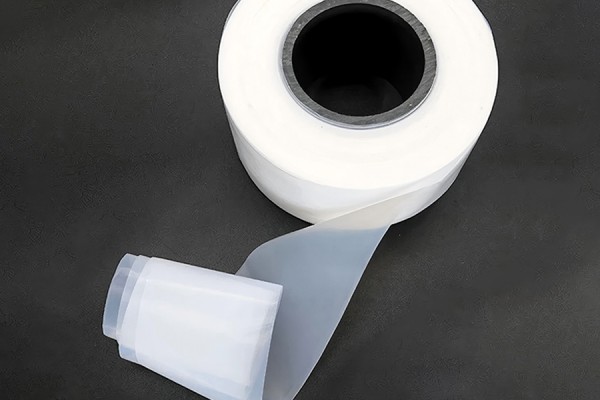
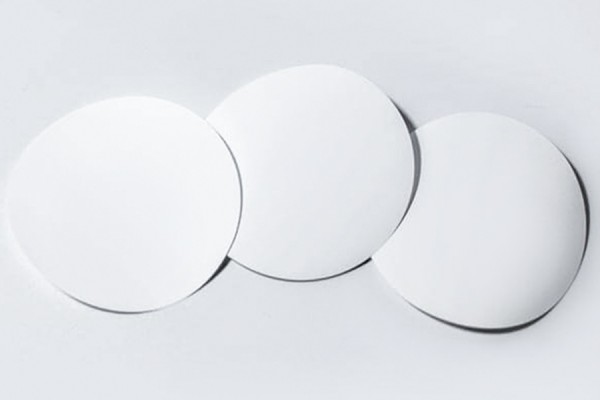
PTFE cable tape provides numerous advantages in electrical applications due to its unique properties. Known for high-speed transmission line PTFE wrapping tape, this material excels in insulation, effectively preventing signal loss and interference. It features low dielectric loss, making it ideal for high-frequency environments, such as in 5G communication systems. The durability of PTFE wrapping film allows it to withstand extreme conditions, including temperature fluctuations and chemical exposure. This capability is essential for applications in the aerospace and automotive industries, where reliability is important.
Furthermore, PTFE Thread Seal Tape enhances sealing capabilities in electrical connections, reducing the risk of moisture ingress and corrosion. It can be utilized in various configurations, such as PTFE cable wrapping tape and PTFE cable roll coating, to meet different design needs. With options like DAC high-speed cable wrapping film and AEC high-speed cable wrapping film available, users can select specific products tailored to their requirements. Ultimately, utilizing PTFE materials improves the overall performance of electrical systems by ensuring secure and efficient connectivity across numerous applications.
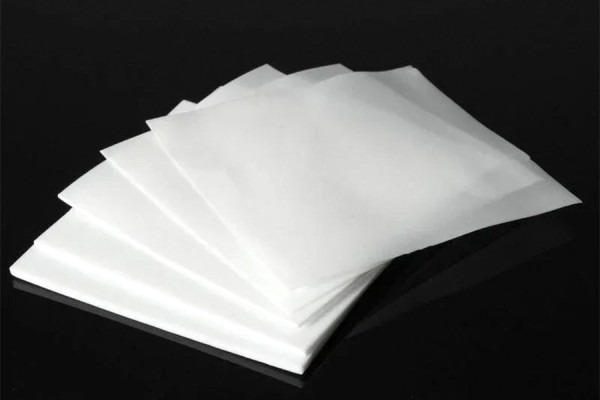
Understanding PTFE Insulation
PTFE insulation is well-regarded for its exceptional dielectric properties, which play a main role in high-frequency applications. The material maintains low dielectric loss, allowing for efficient signal transmission even in demanding environments. Its chemical stability and resistance to harsh conditions ensure longevity, making it a reliable choice for various electrical systems. This insulation type is particularly effective in minimizing interference, a main factor in maintaining signal integrity across cables. Moreover, PTFE can withstand extreme temperature ranges, from -150 to 260 degrees Celsius, which is vital for applications in aerospace and industrial settings where temperature fluctuations are common. The unique microporous structure of PTFE also facilitates breathability and moisture management, reducing the risk of short circuits and enhancing overall performance. As such, understanding the properties of PTFE insulation helps engineers make informed decisions about the best materials to use for specific electrical connectivity challenges.
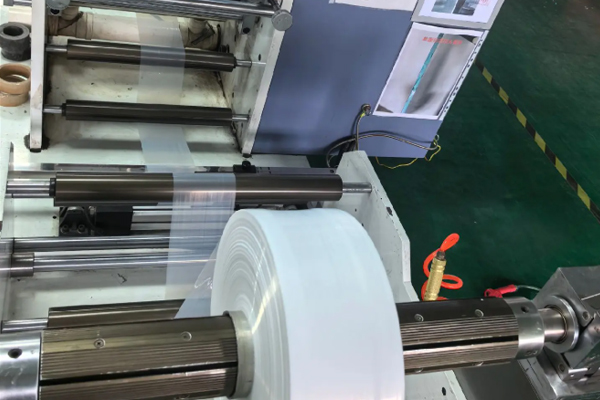
Durability of PTFE Tape
PTFE tape exhibits remarkable durability, making it an ideal choice for a variety of applications. Its resistance to extreme temperatures ranging from -150 to 260 degrees Celsius ensures it maintains integrity in both high and low thermal environments. This resilience is complemented by strong chemical corrosion resistance, allowing PTFE tape to perform reliably even in harsh conditions where other materials might degrade. Moreover, its flame-resistant properties add an extra layer of safety in electrical systems. PTFE tape’s low dielectric loss is important for maintaining signal integrity, particularly in high-frequency environments where stability is essential. The microporous structure of PTFE allows for breathability while preventing moisture accumulation, further enhancing its durability and effectiveness. These attributes make PTFE tape a preferred material for electrical insulation in aerospace, automotive, and telecommunications sectors, where longevity and performance under pressure are non-negotiable.
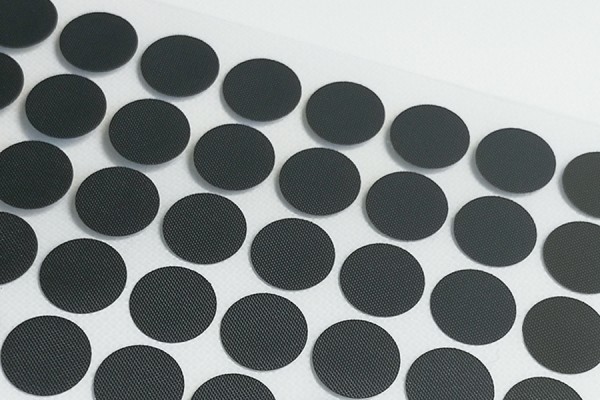
Applications in High-Frequency Use
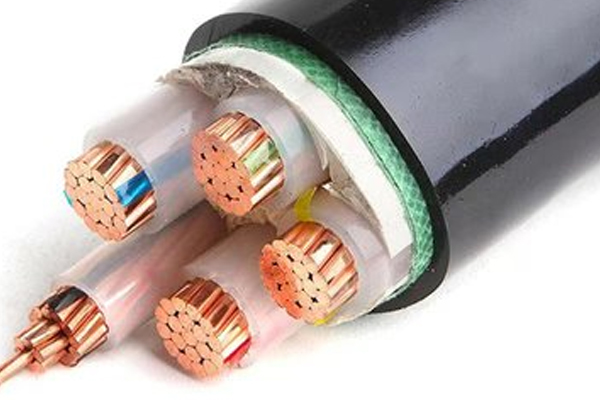
PTFE cable tape wrapping is essential in high-frequency applications due to its exceptional insulation properties. With low dielectric loss, PTFE minimizes signal degradation, ensuring reliable transmission of high-frequency signals. This characteristic is critical for RF coaxial cables and microwave communication systems, where maintaining signal fidelity is paramount. In automotive applications, PTFE tape protects wiring from electromagnetic interference, enhancing performance in electric and hybrid vehicles. Furthermore, its resilience under extreme temperatures makes PTFE suitable for aerospace cables subject to variable conditions. The use of ePTFE in data cables supports the demands of modern telecommunications by aiding the transition to 5G networks, where rapid data transfer is essential. As technology advances, PTFE tape will continue to play a vital role in optimizing electrical connectivity across diverse high-frequency environments.
PTFE in Electrical Systems
PTFE cable tape wrapping plays a vital role in modern electrical systems. Its exceptional insulation properties are essential for high-frequency applications, allowing for effective signal transmission while minimizing dielectric losses. This material’s durability against extreme temperatures and environmental factors ensures that electrical connections remain stable over time. In various industries, including telecommunications and aerospace, PTFE tape is utilized to protect sensitive components from electromagnetic interference and environmental degradation. The unique microporous structure of PTFE contributes to maintaining optimal performance within cables, allowing for high-speed data transfer without compromising integrity. By choosing PTFE for insulation in electrical systems, engineers can boost the reliability and efficiency of their projects.
Enhancing cable performance
PTFE cable tape wrapping significantly boosts cable performance, particularly in high-frequency applications. The unique properties of PTFE allow it to maintain low dielectric loss and high insulation resistance, reducing signal degradation in data transmission. This is critical for modern communication systems, where clarity and speed are paramount. The material’s strength against environmental factors, like heat, chemicals, and moisture, ensures that cables maintain integrity over time. furthermore, PTFE’s lightweight nature reduces overall cable weight, facilitating easier installation and routing in complex environments. With effective electromagnetic shielding capabilities, PTFE tape wrapping minimizes interference from external sources, enhancing overall signal fidelity. This combination of durability and performance makes PTFE an ideal choice for critical applications in aerospace, telecommunications, and automotive industries where reliable connectivity is non-negotiable.
Reliable connectivity solutions
PTFE cable tape wrapping stands out as a reliable option for enhancing electrical connectivity. Its unique insulation properties help minimize signal loss, ensuring efficient transmission, especially in high-frequency applications. With a low dielectric constant, PTFE is designed to support the performance needs of modern electrical systems. The durability of PTFE tape means it can withstand extreme temperatures and challenging environmental conditions without compromising its integrity. This resilience is essential for applications in aerospace, automotive, and telecommunication sectors, where reliability is non-negotiable. Furthermore, its chemical resistance protects cables from corrosive substances often encountered in various operating environments. Choosing the right PTFE tape for specific applications ensures that cables maintain optimal performance and longevity, ultimately leading to fewer disruptions and enhanced operational efficiency.
Choosing the Right Tape
Selecting the appropriate PTFE cable tape involves considering several critical factors. First, assess the specific application requirements, such as temperature ranges and environmental conditions. Different PTFE tapes offer various levels of chemical resistance and durability; thus, knowing the anticipated exposure helps in making an informed choice. Next, evaluate insulation thickness and adhesive strength to ensure reliable performance in high-frequency environments. For applications like RF coaxial cables or automotive harnesses, opt for tapes with optimal shielding coverage to maintain signal integrity. It’s also advisable to check certification standards for electrical properties and compatibility with existing cable systems. This careful selection process ensures that the chosen PTFE tape effectively supports robust electrical connectivity in diverse applications.
Conclusion
PTFE cable tape wrapping is a vital component in achieving reliable electrical connectivity across various industries. Its unique insulation properties and durability directly contribute to superior signal transmission and performance in high-frequency environments. By preventing signal loss and ensuring stability against environmental factors, PTFE tape enhances the operational efficiency of electrical systems. The material’s ability to withstand extreme temperatures and resist chemical degradation makes it particularly suitable for demanding applications in telecommunications, aerospace, and automotive sectors. furthermore, proper selection of PTFE tape based on specific project requirements is essential to maximize its benefits. As technology continues to evolve, the role of PTFE in optimizing electrical connectivity will remain significant, ensuring that critical systems function effectively and reliably.
FAQs
What is PTFE cable tape wrapping?
is a type of electrical insulation tape made from polytetrafluoroethylene (PTFE), used to boost electrical connectivity by minimizing signal loss and providing durable insulation.
What are the main benefits of using PTFE tape?
PTFE tape offers high insulation resistance, low dielectric loss, and exceptional durability against extreme temperatures and chemicals, making it suitable for high-frequency applications.
In what applications is PTFE cable tape primarily used?
PTFE cable tape is often used in telecommunications, aerospace, automotive wiring, and any system requiring reliable insulation in high-frequency environments.
How does PTFE compare to other insulating materials?
PTFE outperforms many other insulating materials due to its lower dielectric losses and greater chemical stability, making it more effective at maintaining signal integrity.
Can PTFE cable tape withstand extreme conditions?
Yes, PTFE cable tape can endure temperatures ranging from -150 to 260 degrees Celsius while resisting chemical degradation, ensuring performance in demanding environments.