important Takeaways
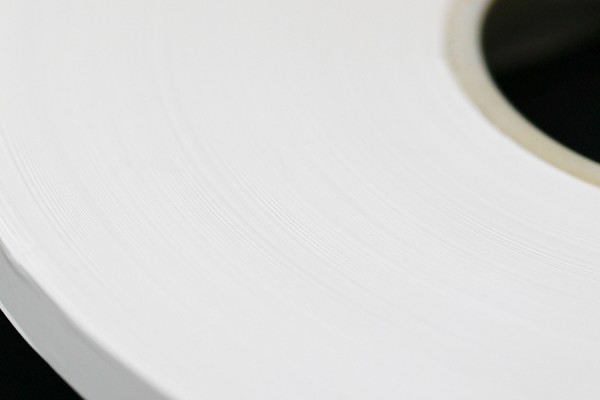
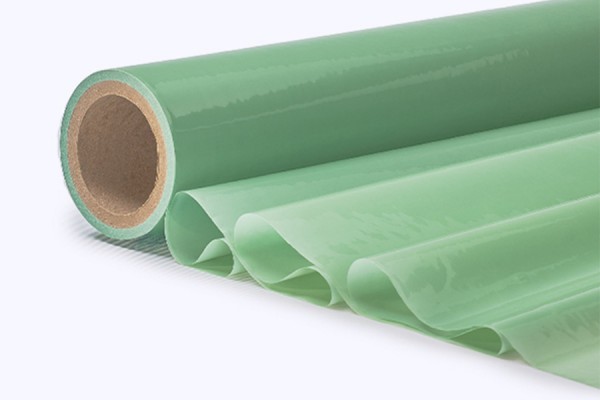
PTFE membranes are important players in numerous industries, particularly electronics, due to their remarkable waterproof and breathable properties. By allowing air to circulate while blocking liquid penetration, they effectively prevent moisture from disrupting sensitive electronic components. This feature not only extends the lifespan of devices but also enhances their reliability in challenging environments. Furthermore, the low dielectric constant of PTFE membranes makes them particularly effective for high-frequency applications, resulting in minimal signal loss and improved overall performance in communication systems. Their strength and versatility also enable them to withstand extreme conditions without compromising their integrity. As industries evolve and demand more resilient materials, PTFE membranes will continue to play a critical role in advancing technology and ensuring optimal functionality across various applications.
PTFE Membranes in Electronics
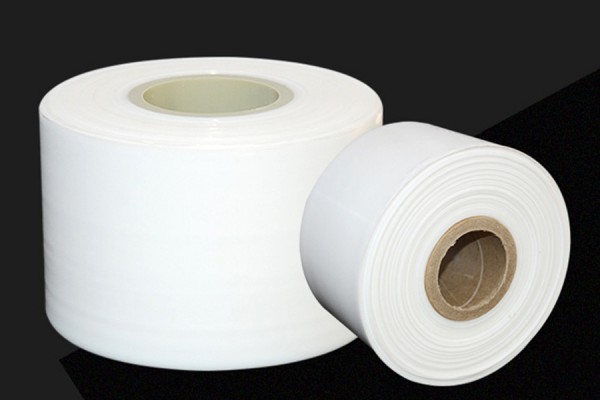
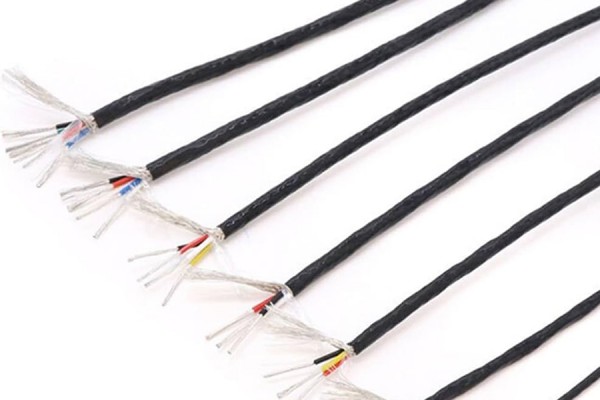
PTFE membranes are integral to the electronics industry, serving as a protective layer for sensitive components. Their low dielectric constant makes them suitable for high-frequency applications, such as in high-speed transmission line PTFE wrapping tape and various types of PTFE cable wrapping tape. This unique property allows for minimal signal loss, enhancing the performance of devices that rely on rapid data transmission. Moreover, the waterproof feature of these membranes ensures that moisture does not damage electronic parts, contributing to the longevity and reliability of devices in various conditions. The versatility of PTFE extends to products like DAC high-speed cable wrapping film and AEC high-speed cable wrapping film, providing necessary insulation and protection during operation. In addition to moisture resistance, PTFE thread seal tape plays a main role in ensuring airtight seals in electronic assembly processes. The implementation of PTFE cable roll coating further strengthens the integrity of connections by adding an additional layer of durability. Overall, PTFE membranes support electronic systems by optimizing both performance and safety across a broad spectrum of applications.
High-Frequency Signal Protection with PTFE
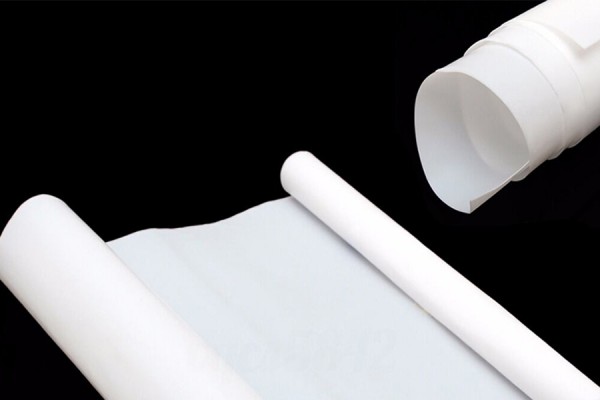
PTFE membranes play a main role in high-frequency signal protection, notably in demanding environments like telecommunications and aerospace. Their low dielectric constant and loss are main in minimizing signal degradation during transmission, making them an ideal choice for 5G and 6G communication systems. The structure of PTFE contributes to its effectiveness, as it forms a barrier that prevents moisture and other contaminants from interfering with signal integrity. Furthermore, the semi-air insulation achieved by the membrane enhances performance, ensuring that high-speed data transmission remains reliable. The versatility of PTFE allows it to be utilized not only in coaxial cables but also in connectors and other components where precision is paramount. As electronic devices demand higher performance standards, the integration of PTFE membranes emerges as a practical solution to meet these requirements while safeguarding sensitive electronics from environmental challenges.
The benefits of Waterproof Materials
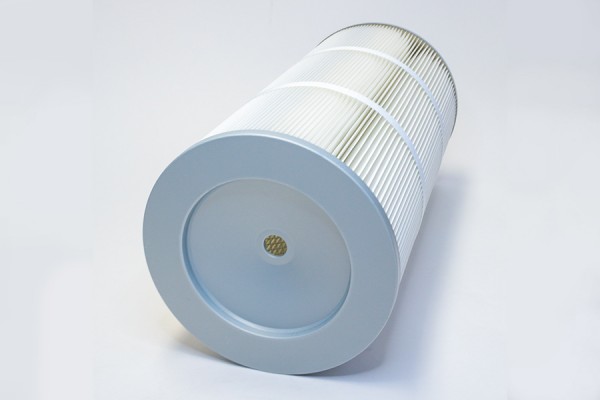
PTFE membranes offer significant advantages as waterproof materials, primarily due to their exceptional porosity and structure. These membranes maintain over 85% porosity, enabling air to flow freely while effectively blocking water. This unique capability ensures that electronic devices remain dry in various conditions, reducing the risk of moisture-related failures. The small pore sizes, ranging from 0.2 to 3 μm, create a barrier that prevents liquid penetration while allowing vapor exchange. This characteristic is particularly beneficial in high-performance environments where equipment is exposed to harsh weather or chemical substances. furthermore, the hydrophobic nature of PTFE makes it resilient against water and contaminants, ensuring easy cleaning and upkeep. As a result, PTFE membranes not only protect electronics but also improve their longevity and reliability across several applications, including outdoor use or environments with fluctuating temperatures and humidity levels.
Breathability features of PTFE Membranes
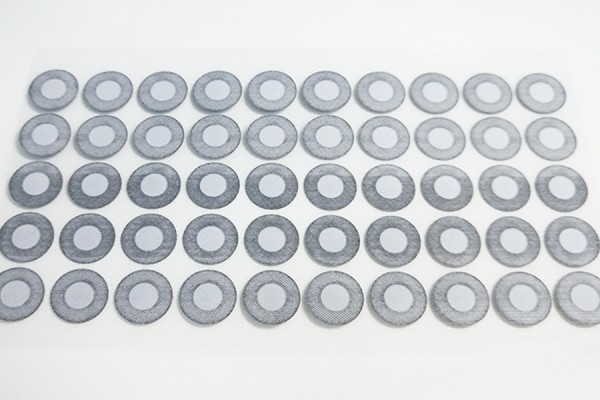
PTFE membranes are renowned for their exceptional breathability, a main quality that sets them apart in various applications. With a porosity exceeding 85%, these membranes allow air to pass through while preventing water from infiltrating. This feature is important in environments where moisture control is essential, such as in electronic devices and protective gear. The membrane’s pore sizes, ranging from 0.2 to 3 μm, strike an ideal balance, permitting the exchange of gases while blocking moisture and particles. This permits effective thermal management and enhances comfort in wearables. Furthermore, PTFE’s hydrophobic properties significantly reduce dust accumulation on the surface, making maintenance an easier task. The unique microporous structure not only supports breathability but also contributes to acoustic protection, benefiting devices like smartphones and wireless earphones by maintaining clear sound transmission while managing internal and external pressure effectively. The versatility of PTFE membranes reflects their suitability for diverse sectors that demand reliable breathable materials without compromising on durability or functionality.
Applications of PTFE in Harsh Environments
PTFE membranes are widely utilized in harsh environments due to their exceptional chemical resistance and thermal stability. These membranes are ideal for aerospace applications, where equipment is exposed to extreme temperatures and corrosive substances. In the automotive sector, PTFE provides reliable protection for electronic components that operate under challenging conditions, safeguarding against moisture and chemical exposure. Moreover, in industrial settings, PTFE membranes boost filtration processes, ensuring durability and effectiveness when dealing with aggressive solvents and particulates. Their hydrophobic nature contributes to their ability to function effectively in outdoor telecommunications installations, as they prevent moisture infiltration while allowing for necessary air exchange. This makes PTFE a helpful asset across a variety of industries that demand reliable performance under severe environmental stressors.
Understanding ePTFE’s Unique Properties
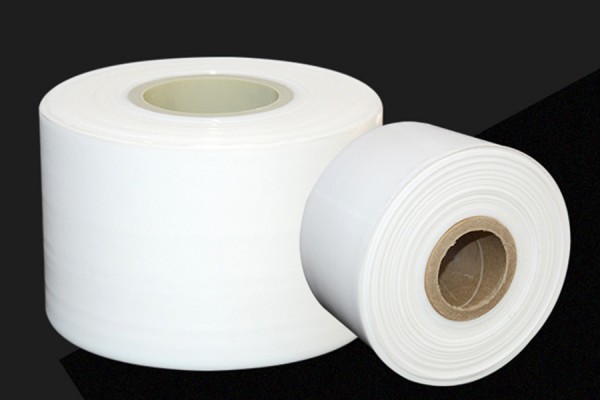
ePTFE, known for its distinct microporous structure, offers a blend of waterproofness and breathability, making it essential for various industries. This structure enables water vapor to escape while preventing liquid water from penetrating the material, which is main in applications requiring moisture management. The unique properties of ePTFE also contribute to its acoustic insulation characteristics, providing critical protection for sensitive electronic devices. furthermore, ePTFE’s chemical inertness and thermal stability, from -200℃ to +260℃, allow it to function effectively in extreme environments without compromising performance. These attributes make ePTFE a preferred choice in aerospace applications and chemical processing tasks. Furthermore, the material’s flexibility ensures it adapts well to different designs, maintaining functionality across various product requirements. The combination of these features supports reliable performance in high-demand scenarios like electronic component shielding and sound transmission quality enhancement, reinforcing ePTFE’s critical role in modern technological innovations.
Advanced communication solutions with PTFE
PTFE membranes play a important role in modern communication systems, particularly in high-frequency environments. Their low dielectric constant and loss characteristics ensure minimal signal degradation, making them ideal for applications like 5G and 6G communications. These membranes not only protect sensitive components but also improve overall transmission efficiency. The unique properties of ePTFE further improve performance, enabling effective management of heat and moisture that can otherwise impair signal quality. Furthermore, the integration of PTFE into cable insulation creates a robust solution for aerospace and radar systems, where reliability is critical. By combining thermal resistance with excellent electrical properties, PTFE membranes support cutting-edge communication technologies while meeting the demanding standards of high-speed data transmission. This versatility underscores PTFE’s importance across numerous industries reliant on efficient and effective communication solutions.
PTFE Membranes: Strength and Versatility
PTFE membranes exhibit remarkable strength and versatility, making them suitable for various applications across multiple industries. Their fibrous nature enhances their durability, allowing them to withstand extreme conditions without compromising their integrity. This strength is paired with their lightweight properties, facilitating easy implementation in complex systems. The versatility of PTFE membranes is evident in their ability to provide effective solutions in electronics, aerospace, and high-frequency communication environments. By maintaining low dielectric constants, they enable efficient signal transmission while reducing energy loss. furthermore, the waterproof nature of these membranes protects sensitive components from moisture and damage, contributing to the longevity of electronic devices. Furthermore, the ability of PTFE to resist chemical corrosion means these membranes function reliably even in harsh environments where other materials may fail. As applications evolve, the adaptability and resilience of PTFE membranes remain main drivers for innovation and effectiveness across diverse sectors.
Conclusion
PTFE membranes stand out for their unique combination of waterproofing and breathability, which positions them as invaluable in a variety of demanding applications. The durability and resilience of these membranes allow them to thrive in environments where other materials might struggle. From protecting sensitive electronic components to enhancing communication systems, PTFE’s attributes contribute significantly to performance and reliability. The ongoing advancements in technology necessitate materials that can meet increasing performance standards, and PTFE membranes are well-equipped to address these challenges. Their role in diverse industries, from aerospace to electronics, demonstrates their versatility and essential function in optimizing both product longevity and efficiency. As industries continue to evolve, the integration of PTFE membranes will likely be central to innovation in high-performance frameworks, making them a critical component for future developments across multiple sectors.
FAQs
What are PTFE membranes used for?
PTFE membranes serve multiple purposes, including protection for electronic devices, waterproofing while allowing breathability, and enhancing performance in high-frequency communication systems.
How do PTFE membranes allow breathability?
They feature a unique microporous structure that enables air to pass while preventing liquid water from seeping through, maintaining internal moisture control.
Are PTFE membranes resistant to chemicals?
Yes, PTFE membranes exhibit excellent chemical resistance, making them suitable for harsh industrial environments where exposure to aggressive substances is common.
Can PTFE membranes be used in outdoor applications?
Absolutely. Their waterproof and breathable properties make them ideal for outdoor electronics and protective gear that must withstand varying weather conditions.
What advantages do PTFE membranes provide in electronics?
They reduce signal loss in high-frequency applications, protect sensitive components from moisture damage, and boost overall device longevity and reliability.