main Takeaways
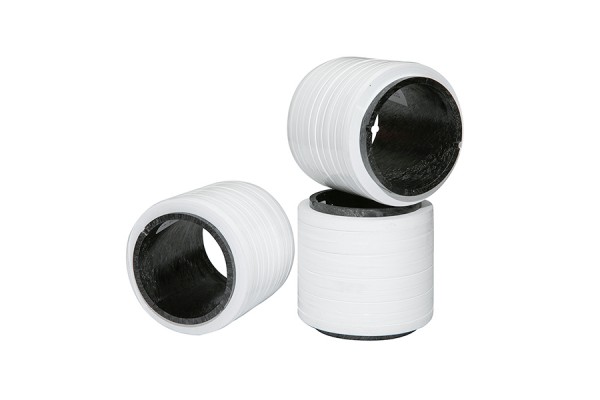
ePTFE membrane technology markedly improves product performance across multiple sectors. Its waterproof and breathable properties make it vital for applications that require moisture control, including electronics and medical devices. The membranes’ ability to permit vapor passage while blocking water droplets plays a key role in preserving the reliability and safety of delicate components. Additionally, ePTFE’s lightness and durability contribute to overall efficiency, trimming weight without compromising strength. This technology’s adaptability across industries—from automotive to aerospace—highlights its broad relevance and crucial role in advancing modern manufacturing. Regular use of ePTFE membranes not only meets current market needs but also promotes innovation, paving the way for future breakthroughs in high-performance materials.
Exploring ePTFE Membrane Benefits
ePTFE membranes deliver notable benefits thanks to their distinctive traits, including a minimum pore size around 0.1 microns, which permits strong water vapor permeability while blocking water droplets. This makes them highly effective in a range of applications, especially where waterproofing is needed without sacrificing breathability. They play a key role in boosting the performance of medical devices and components used in electronics, where moisture control and acoustic protection matter. The lightness of ePTFE membranes helps reduce product weight and improve durability, particularly in high-frequency systems, such as those using PTFE cable wrapping tape or high-speed transmission line PTFE wrapping tape. Moreover, the versatility of ePTFE spans a variety of innovations including PTFE wrapping film and PTFE Thread Seal Tape, underscoring its role across many industries. The ongoing resistance to chemical corrosion and extreme temperatures further underscores the importance of this technology in advancing modern product design and functionality.
High-Performance Waterproof Solutions
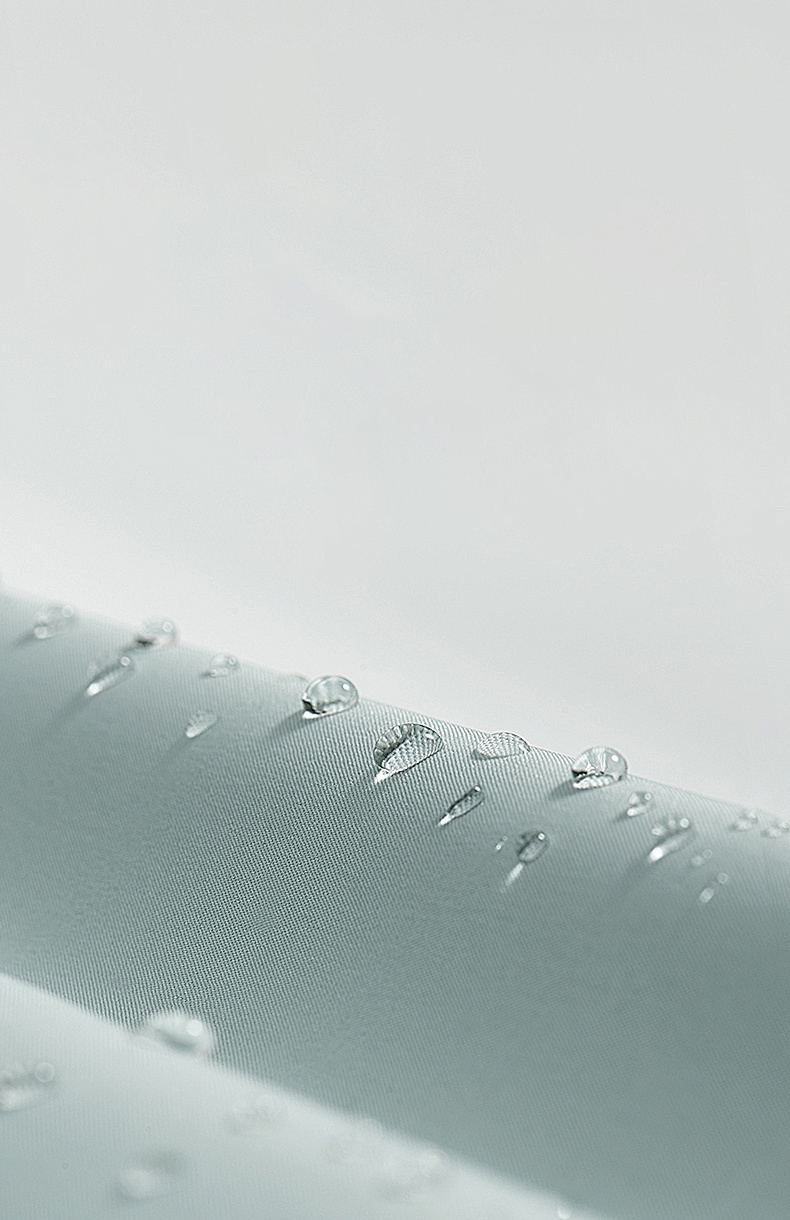
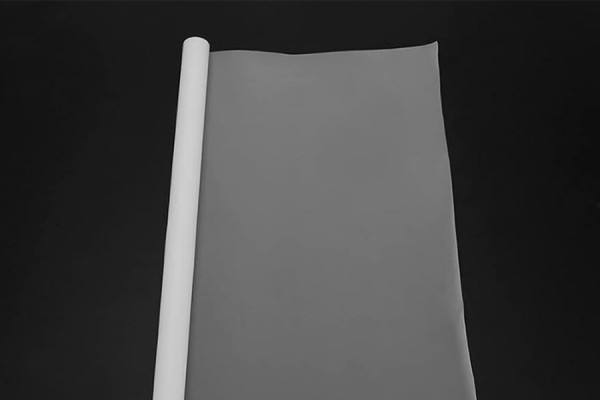
ePTFE membranes provide advanced waterproofing capabilities, making them a key component across many industries. The distinctive structure lets vapor pass through while keeping water droplets out, helping devices stay dry and functional. This is especially important in environments where moisture could harm sensitive electronics or compromise medical devices. In sectors such as automotive and aerospace, ePTFE membranes are used to shield critical components from water ingress while keeping a lightweight profile. Their durability allows them to endure harsh conditions without losing effectiveness, giving manufacturers confidence in long-term performance. Additionally, the use of ePTFE membranes promotes better breathability in products, reducing condensation that can foster mold or bacterial growth. This dual role of waterproofing and breathability is crucial for boosting reliability and safety in consumer goods and medical technologies alike.
Versatile applications of ePTFE
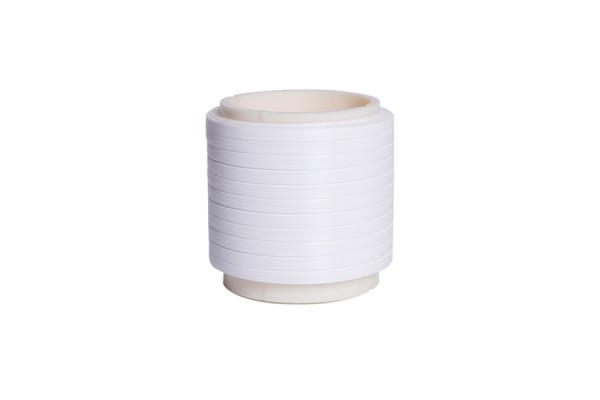
The ePTFE membrane has permeated numerous industries thanks to its distinct traits. In the electronics sector, it plays a key part in waterproof and breathable applications. This includes insulation for electronic devices, which requires a blend of electrical performance and environmental resilience. In medical technology, ePTFE is instrumental in developing devices like catheters and implants, where its biocompatibility and barrier properties are important for patient safety. Its adaptability extends to environmental uses, including filtration systems that tackle industrial dust and water treatment processes. Automotive manufacturers also benefit from this membrane’s versatility, applying it in components that need protection against harsh conditions. Furthermore, the outdoor gear industry utilizes ePTFE for waterproof clothing and equipment, which demand reliable moisture management without compromising breathability. Each application showcases the membrane’s ability to improve functionality across a broad spectrum of fields while delivering impressive performance standards.
Enhancing medical devices with ePTFE
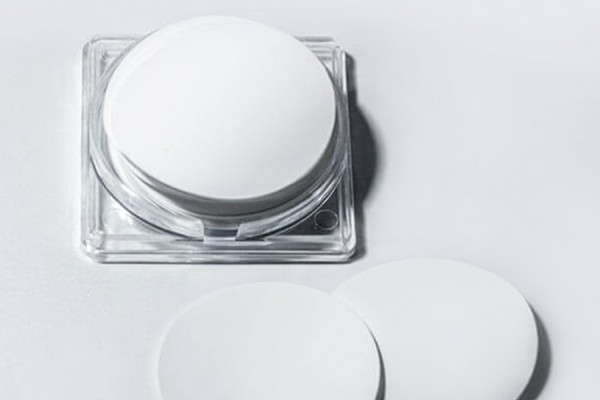
ePTFE plays a key role in developing modern medical devices, noticeably improving their reliability and safety. Its distinctive porous structure supports gas exchange and moisture management, making it suitable for applications like artificial blood vessels, wound dressings, and medical catheters. The waterproof and breathable properties keep bodily fluids contained while still allowing gas release, which is essential for preventing infections and promoting healing. ePTFE’s biocompatibility enhances patient comfort and lowers the risk of adverse reactions. Additionally, its resistance to chemical corrosion makes it suitable for sterilization processes, preserving device integrity over time. By incorporating ePTFE technology, manufacturers can create devices that not only meet stringent regulatory standards but also improve patient outcomes through enhanced functionality and performance.
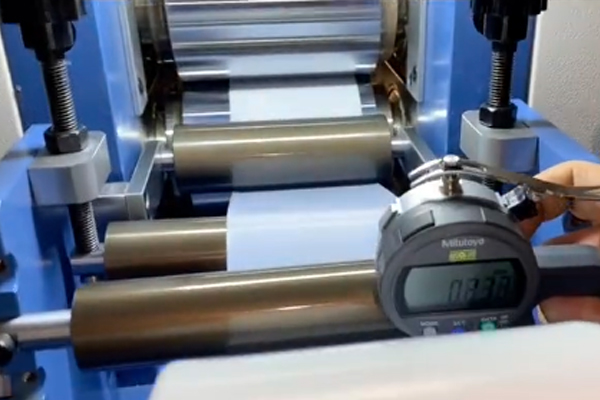
ePTFE in Advanced Electronics
ePTFE membranes play a meaningful role in advanced electronics by delivering essential insulation and water resistance. These membranes are used in 5G and 6G cable insulation, ensuring reliable signal transmission even in tough environments. Their low dielectric constant helps preserve signal integrity, which matters in high-frequency applications. Additionally, ePTFE’s porous structure supports breathability and moisture management in electronic devices, preventing component degradation. In consumer electronics, waterproof acoustic membranes made from ePTFE provide dual benefits: they shield sensitive parts from liquid damage while also optimizing sound quality. This material’s durability against extreme temperatures makes it a useful asset for devices exposed to harsh conditions, such as smartphones and radar systems. As the demand for high-performance electronics grows, the adaptability of ePTFE technology is likely to drive further innovation and efficiency across the industry.
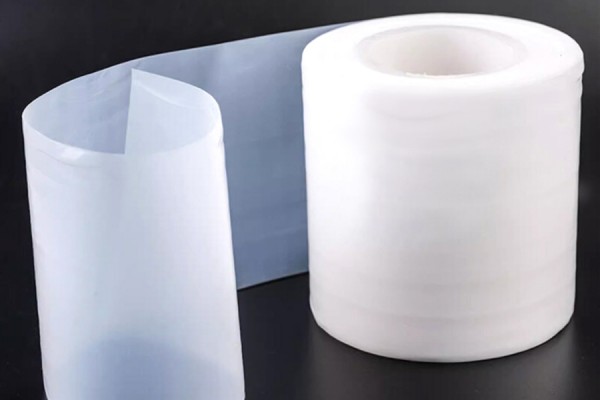
Acoustic protection through Membranes
ePTFE membranes play a key role in providing acoustic protection across various applications. Their distinctive structure—porous yet sturdy—allows them to minimize sound transmission while preserving essential airflow. This trait is useful in consumer electronics, where audio quality matters. In devices like smartphones and headphones, ePTFE membranes effectively reduce unwanted noise without sacrificing acoustic clarity. Additionally, their lightness contributes to overall product efficiency, making them suitable for modern engineering solutions. Beyond consumer tech, industries such as automotive and aerospace benefit from ePTFE’s sound-dampening abilities. Here, these membranes help isolate noise inside vehicle cabins and aircraft interiors, boosting user comfort and experience. The versatility of ePTFE technology underscores its crucial role in developing high-performance products that meet today’s market demands while ensuring safety and compliance with strict industry standards.
original Uses of ePTFE Technology
ePTFE technology shows its versatility across many industries, illustrating its adaptability and performance. In construction, ePTFE membranes are used for waterproofing and insulation, delivering durable solutions that endure harsh environments. The automotive sector employs ePTFE in vehicles for parts requiring both gas release and water resistance, boosting overall safety and performance. In telecommunications, the material acts as an effective barrier in communication cables, ensuring reliable transmission while shielding internal components from moisture. also, ePTFE plays a role in creating filtration systems that improve air and water quality in industrial settings. Its lightweight yet sturdy nature makes it a favored choice in aerospace applications for insulation against extreme temperatures. These uses reinforce the value of ePTFE technology across different domains, reflecting its important role in improving product reliability and functionality.
Transforming industrial applications with ePTFE
ePTFE membrane technology is reshaping several industrial sectors by delivering effective solutions to complex challenges. The material’s distinctive properties, including durability and resistance to harsh conditions, make it a solid choice for applications that demand reliability and performance. For instance, in the production of filtration systems, ePTFE membranes support efficient air and liquid purification by filtering particulates without clogging. In the automotive field, these membranes act as robust barriers against moisture and contaminants, extending the life of critical components. Additionally, ePTFE is used in protective coatings, offering resistance to chemical exposure while preserving functionality. Its role in energy production is also meaningful; ePTFE membranes are used in fuel-cell technology to boost efficiency and environmental sustainability. The ongoing adoption of ePTFE membranes not only improves operational performance but also aligns with rising demands for efficiency and safety in industrial practices.
Conclusion
ePTFE membrane technology sits at the edge of innovation, consistently showing its broad applicability and improved performance across many sectors. Its capacity to combine waterproofing, breathability, and acoustic protection makes it a key player in fields from medical devices to advanced electronics. The integration of ePTFE not only enhances product reliability but also addresses specific industry needs effectively. As industries evolve and the demand for high-performance materials grows, ePTFE membranes are likely to yield new solutions that meet challenging requirements. The ongoing development and refinement of this technology will keep driving gains in efficiency, safety, and overall functionality across multiple applications, underscoring its crucial role in future progress.
FAQs
What is an ePTFE membrane?
An ePTFE membrane is a high-performance material recognized for its waterproofing and breathability traits, widely employed in applications including electronics and medical devices.
What are the primary benefits of using ePTFE membranes?
The main benefits include strong moisture management, durability under tough conditions, lightness, and protection against contaminants while permitting gas exchange.
In which industries is ePTFE technology commonly utilized?
ePTFE technology is used in sectors such as electronics, automotive, aerospace, medical devices, and outdoor gear for waterproofing and sound dampening applications.
How does ePTFE improve medical devices?
ePTFE enhances medical devices by offering biocompatibility, reducing infection risk via moisture management, and maintaining safety standards during sterilization processes.
Can ePTFE membranes withstand extreme temperatures?
Yes, ePTFE membranes resist extreme temperatures, making them suitable for high-performance applications facing demanding environmental conditions.