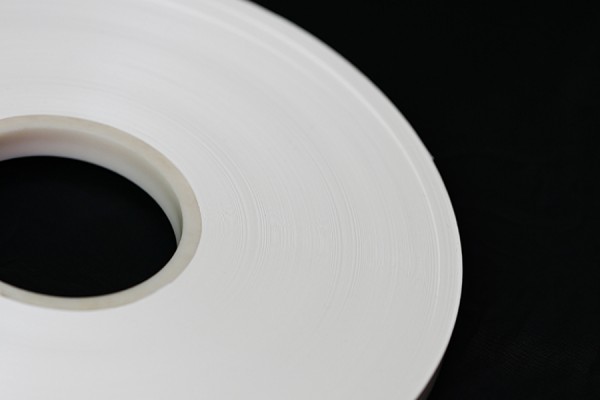
important Takeaways
PTFE wrapping tape is essential for optimizing high-speed transmission lines, delivering numerous benefits that contribute to enhanced performance and reliability. The tape’s low dielectric constant ensures minimal signal loss during data transmission, maintaining signal integrity even in high-frequency applications. Furthermore, PTFE exhibits excellent thermal resistance, making it suitable for environments with extreme temperatures. Its inherent chemical resistance provides added durability, allowing it to withstand harsh conditions prevalent in industries such as aerospace and telecommunications. also, the flexibility of PTFE allows it to smoothly conform to various cable shapes, ensuring a tight and protective seal that minimizes the risk of electromagnetic interference. As industries increasingly prioritize data integrity and performance, the use of PTFE wrapping tape becomes a proactive approach to ensuring communication systems function at their best in demanding environments. The combination of these attributes underscores the value of PTFE wrapping tape as a critical component in modern high-speed transmission applications.
PTFE Tape for Speedy Lines
High-speed transmission line PTFE wrapping tape is engineered to meet the demanding requirements of modern communication systems. The unique properties of PTFE wrapping film make it indispensable for maintaining signal integrity in high-frequency applications. With its low dielectric loss, this tape ensures minimal signal degradation, thereby maximizing data throughput. It acts as a protective layer that withstands extreme conditions like high temperatures and corrosive environments, essential for reliable performance in critical infrastructures. For instance, the durability of PTFE cable wrapping tape plays a critical role in aerospace and military applications, where performance reliability is paramount. Moreover, the flexibility and tensile strength of the material allow it to conform seamlessly around cables, providing excellent insulation while preventing electromagnetic interference. This capability is important for various applications including RF cables and high-speed data lines, highlighting why many professionals choose PTFE thread seal tape as their go-to solution for cable insulation needs.
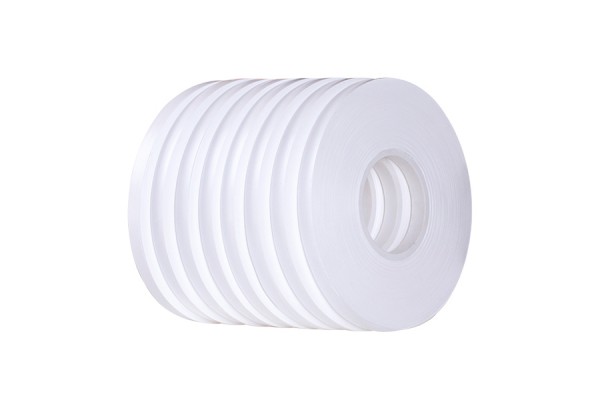
Maximize data with PTFE
Utilizing PTFE wrapping tape significantly improves the performance of high-speed transmission lines. This material’s low dielectric constant allows for minimal signal loss, essential for efficient data transfer. The unique properties of PTFE provide not only insulation but also thermal resilience, making it suitable for high-temperature applications. With the rising demand for speed in data transmission, especially in sectors like telecommunications and aerospace, incorporating PTFE wrapping tape is a proactive solution to improve reliability and durability. Engineers and technicians have found that wrapped cables experience reduced interference, leading to clearer signals and better overall performance.
"Effective insulation can remain a game changer in high-speed data applications."
When evaluating options for transmission line enhancements, the combination of advanced technology and reliable materials like PTFE becomes critical to meeting modern standards in data communication.
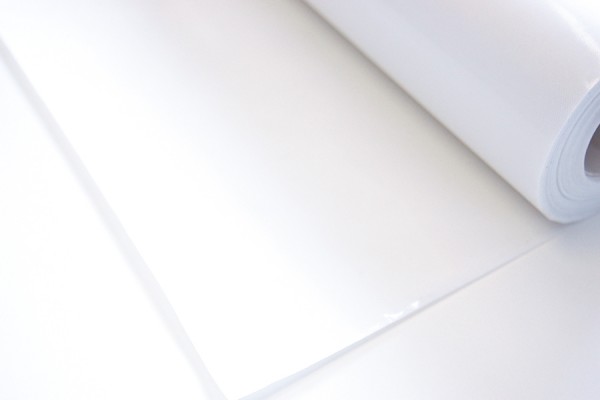
improve RF Cable Performance
PTFE wrapping tape significantly improves the performance of RF cables. Its exceptional insulation properties reduce dielectric loss, which is essential for maintaining signal integrity at high frequencies. This tape is engineered to withstand harsh conditions, including high temperatures and exposure to various chemicals, making it a reliable choice for demanding environments. The flexibility of PTFE allows it to conform well to cable shapes, ensuring complete coverage and protection against external interference. Furthermore, the high dielectric strength ensures that these cables can operate without the risk of short circuits or energy loss. As data transmission speeds continue to increase, utilizing PTFE wrapping tape becomes increasingly important in delivering stable and reliable performance for RF cables in various critical applications.
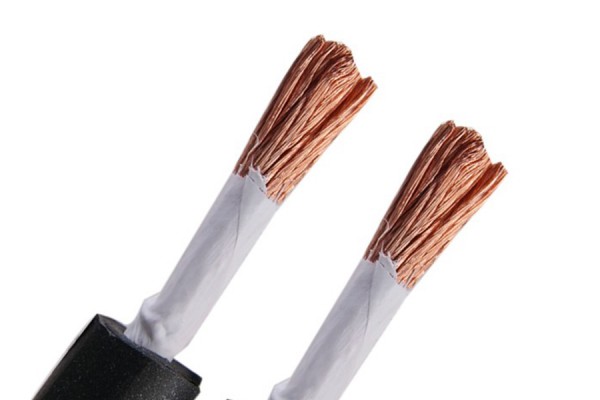
Thermal resistance in Cable Wraps
Thermal resistance is a main characteristic of PTFE wrapping tape, making it suitable for high-speed transmission lines. This type of tape performs exceptionally well under varying temperature conditions, ensuring that the insulation maintains its integrity even in extreme heat. The ability to withstand high temperatures allows this material to be used in environments where other insulators may fail, such as aerospace applications. furthermore, the low thermal conductivity of PTFE reduces heat transfer, which helps maintain optimal operating temperatures in electronic systems. This is particularly important for RF cables and data cables, where overheating can lead to signal degradation and reduced performance. With Guangrou’s PTFE film, engineers can be confident that their high-speed transmission lines will operate reliably even under challenging thermal conditions. As a result, users benefit from improved data integrity and longevity of their cable systems.
Electromagnetic shielding insights
electromagnetic shielding is essential for maintaining signal integrity in high-speed transmission lines. PTFE wrapping tape provides remarkable effectiveness in blocking electromagnetic interference (EMI), which can disrupt data transmission. This shielding capability stems from PTFE’s unique molecular structure, allowing it to reflect and absorb electromagnetic waves. When applied to cables, the film creates a protective barrier that minimizes the impact of external electronic noise. Such protection is particularly beneficial in environments with heavy electrical activity or where multiple devices operate simultaneously. Moreover, the lightweight nature of Guangrou’s PTFE tape adds to its appeal without compromising performance. By effectively mitigating unwanted interference, this tape ensures that signals remain stable and reliable, which is vital for applications in telecommunications, aerospace, and medical devices where precision in data transmission can be critical.
Critical applications of PTFE
PTFE wrapping tape finds its essential role in various industries where performance and reliability are paramount. In the aerospace field, it protects wiring harnesses that experience extreme thermal and mechanical stress. The medical sector also benefits from PTFE’s properties, as it insulates cables used in surgical equipment, safeguarding sensitive electronic components in high-stakes environments. In telecommunications, the tape ensures uninterrupted data transmission in 5G base stations by minimizing interference through effective electromagnetic shielding. Moreover, its application extends to automotive charging stations, where thermal resistance is important for electric vehicle infrastructure. PTFE wrapping tape is not just an accessory; it is a reliable solution for challenges posed by demanding environments across multiple critical sectors.
Insulation benefits in High-Speed Lines
PTFE wrapping tape is integral to ensuring the effective insulation of high-speed transmission lines. This material provides exceptional thermal resistance, allowing cables to maintain performance even in high-temperature environments. The low dielectric constant of PTFE minimizes energy loss during signal transmission, which is essential for maintaining data integrity in demanding applications. furthermore, PTFE’s inherent resistance to chemicals and moisture enhances durability, ensuring that cables remain reliable over time. The flexibility of PTFE allows for easy application, conforming to various cable shapes while maintaining a secure seal that protects against external elements. This combination of strength and lightweight properties enables high-speed lines to achieve optimal performance without the burden of excessive weight or bulk, ensuring efficient data flow in critical systems.
Flexibility and Strength of PTFE
PTFE wrapping tape is renowned for its remarkable flexibility and strength, making it ideal for high-speed transmission lines. This material can bend around corners and contours without sacrificing structural integrity, ensuring a secure wrap around various cable types. Its flexibility allows it to conform to different shapes, which is vital for ensuring consistent performance in dynamic environments where cables may experience movement. also, PTFE has high tensile strength, which provides durability against wear and tear. This combination of flexibility and strength contributes significantly to the overall performance of wrapped cables, enhancing their longevity and reliability in demanding applications. The ability of PTFE to withstand both mechanical stress and environmental factors further solidifies its importance in the construction of high-speed data transmission lines, where maintaining signal integrity is paramount.
Conclusion
PTFE wrapping tape plays a vital role in enhancing the performance of high-speed transmission lines. Its unique properties provide significant advantages, such as effective thermal resistance and superior electromagnetic shielding, which are important for maintaining signal integrity in demanding environments. The exceptional insulation capabilities of PTFE ensure minimal signal loss, allowing for more efficient data transmission. Furthermore, the flexibility and strength of PTFE make it a practical choice for various applications, ensuring that cables maintain their performance under different conditions. Industries from aerospace to telecommunications increasingly rely on PTFE wrapping tape for its robust characteristics and reliability. As data transmission demands grow, the importance of using high quality materials like PTFE continues to be clear, solidifying its status as a critical component in modern communication systems.
FAQs
What is PTFE wrapping tape?
PTFE wrapping tape is a specialized tape made from polytetrafluoroethylene, known for its excellent insulation and thermal resistance properties.
How does PTFE wrapping tape improve signal integrity?
The low dielectric loss of PTFE wrapping tape helps maintain signal integrity by minimizing signal degradation, especially in high-speed transmission lines.
Is PTFE wrapping tape suitable for high-temperature environments?
Yes, PTFE can withstand high temperatures without losing its effectiveness, making it ideal for applications in extreme conditions.
What applications benefit from using PTFE wrapping tape?
PTFE wrapping tape is commonly used in aerospace, telecommunications, medical devices, and RF cables due to its insulation and electromagnetic shielding properties.
Can PTFE wrapping tape prevent electromagnetic interference?
Absolutely. Its molecular structure allows it to block and absorb electromagnetic interference, ensuring stable signal transmission in various electronic applications.
How does the flexibility of PTFE benefit cable insulation?
The flexibility of PTFE allows it to conform easily to different shapes and sizes of cables, providing effective coverage and protection against external elements.
Is PTFE wrapping tape chemically resistant?
Yes, PTFE has inherent resistance to a wide range of chemicals, enhancing its durability and making it suitable for various industrial applications.