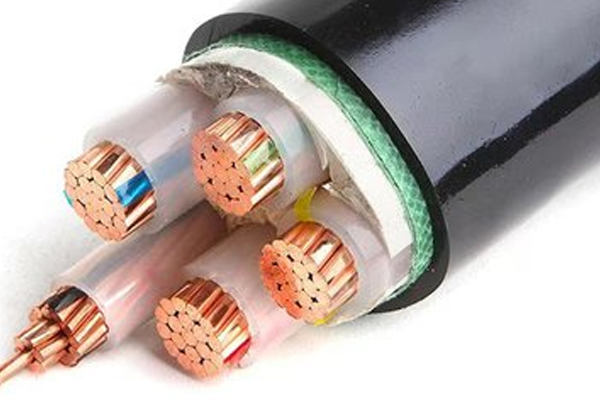
main Takeaways
PTFE wrapping tape is a key component in high-speed transmission line applications, offering several benefits that directly influence signal integrity and performance. Its low dielectric loss allows signals to travel with minimal degradation, making it ideal for environments where precision is essential. Factors such as temperature stability and chemical resistance set PTFE apart from traditional materials, ensuring durability under challenging conditions. Moreover, the consistent application of PTFE wrapping can reduce impedance fluctuations, essential for maintaining reliable signal transmission throughout various infrastructures. In industries like aerospace and telecommunications, these features contribute to effective data management and reliable communications. As technology advances, the integration of PTFE solutions becomes increasingly important for achieving high-performance standards in electrical systems across diverse applications. These main attributes not only improve efficiency but also significantly extend the lifespan of critical components in high-speed communication networks.
High-Speed Data Transmission with PTFE Tape
In high-speed transmission line applications, the use of High speed transmission line PTFE wrapping tape is essential to ensure signal quality and reduce losses. This specialized tape, known as PTFE wrapping film, exhibits exceptional dielectric properties and thermal resistance, making it ideal for environments with extreme conditions. The unique structure of PTFE cable wrapping tape enables it to maintain signal integrity while minimizing dielectric loss, a critical factor in high-frequency data transmission. Moreover, the consistent application of PTFE Thread Seal Tape across various cable configurations enhances durability and performance. Products like DAC high-speed cable wrapping film and AEC high-speed cable wrapping film further improve the efficiency of coaxial cables by providing reliable insulation from external interference. Utilizing these technologies allows for better management of signal degradation in automotive electronics and telecommunications infrastructures. With innovations such as AOC high-speed cable wrapping film and ACC high-speed cable wrapping film entering the market, users can expect even greater performance benefits tailored for specific applications in the fast-paced scene of data communication.
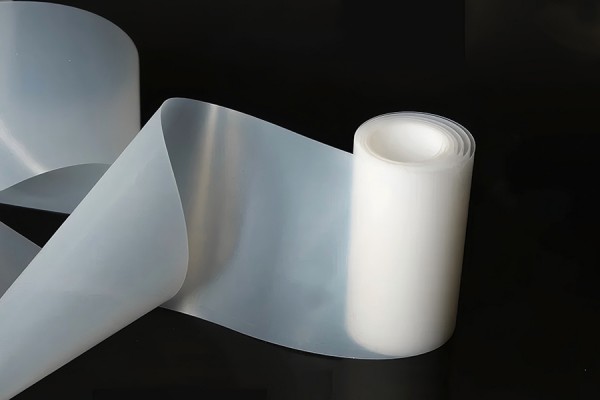
Minimizing signal loss in PTFE Wrapping
PTFE wrapping tape plays a significant role in minimizing signal loss in high-speed transmission lines. The unique porous structure of PTFE helps reduce high-frequency signal polarization loss, ensuring that the integrity of signals remains intact even under extreme conditions. This ability to maintain low dielectric loss makes PTFE an ideal choice for various applications, particularly in environments where signal clarity is paramount. The precise control over material thickness is key, as even minor variations can lead to impedance fluctuations. By adhering to stringent dimension standards, PTFE wrapping tape ensures uniform impedance across its length, which is vital for consistent signal transmission. Furthermore, the material’s resilience against temperature variations and corrosive elements also contributes to preserving signal quality over time. This means that engineers and technicians can rely on PTFE wrapping tape to provide stable performance in demanding situations, whether for military communications or telecommunications infrastructure.
"Investing in quality PTFE wrapping tape can significantly improve the efficacy of your high-speed transmission systems."
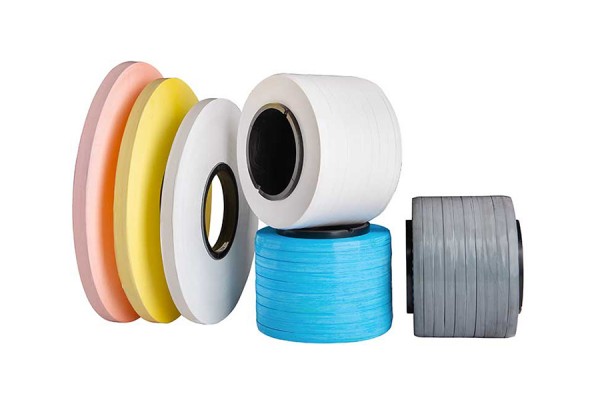
The advantages of PTFE for Signal Integrity
PTFE stands out for its exceptional properties that support signal integrity in high-speed transmission lines. Its low dielectric loss ensures minimal signal degradation, allowing high-frequency signals to transmit accurately over long distances. The material’s low molecular polarity and stable performance across a temperature range from -200℃ to 260℃ play a vital role in preventing distortions often seen in traditional insulating materials. Furthermore, PTFE’s resilience against environmental stressors like temperature fluctuations and corrosion contributes significantly to maintaining consistent impedance. This stability is key for data integrity in demanding environments such as aerospace, automotive, and telecommunications, where any loss of signal can impact overall system performance. furthermore, PTFE’s ability to maintain structural integrity under dynamic conditions enhances its effectiveness as a wrapping tape for sensitive electrical components.
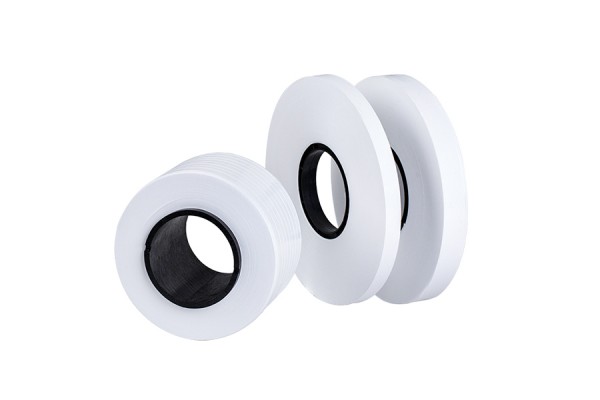
Enhancing performance in Harsh Environments
PTFE wrapping tape is engineered to excel in extreme conditions, such as extreme temperatures and corrosive environments. This material remains stable and maintains its dielectric properties within a broad temperature range, from -200℃ to 260℃. Its durability minimizes signal loss and prevents degradation throughout unpredictable operational circumstances. The chemical resistance of PTFE tape also ensures longevity in environments where exposure to harsh substances is common, making it an ideal choice for demanding sectors such as aerospace and automotive applications. In addition to temperature resistance, the tape’s unidirectional porous structure reduces high-frequency signal attenuation and crosstalk, key for maintaining clear data transmission. This combination of resilience and performance under stress enhances the reliability of high-speed data transmission lines, ensuring that systems operate effectively even in the face of challenging conditions.
Applications of PTFE Tape in Aerospace
PTFE tape plays a vital role in the aerospace sector, particularly in high-speed data transmission applications. Its low dielectric loss contributes significantly to preserving signal integrity, essential for communication systems used in aircraft controls and navigation. The tape’s high resistance to extreme temperatures and environmental conditions ensures reliable performance in the rigors of flight operations. It is particularly beneficial for wiring and electronic components that require insulation from electromagnetic interference, enhancing the overall reliability of systems in critical functions. Further, its lightweight nature aids in minimizing aircraft weight, contributing to fuel efficiency and performance. Utilization of PTFE tape also extends to protection against corrosive substances often present in aviation fuel and hydraulic fluids, ensuring longevity and safety in aerospace applications. This combination of attributes makes PTFE wrapping tape an indispensable solution for maintaining optimal functionality across various aerospace systems.
PTFE Solutions for Automotive Electronics
PTFE wrapping tape plays a significant role in automotive electronics by delivering exceptional performance in high-speed transmission lines. Its low dielectric loss is essential for maintaining signal integrity, which is critical in modern vehicles that rely heavily on electronic systems for functions like navigation, safety, and engine management. The ability of PTFE to withstand high temperatures and environmental stressors makes it a reliable choice for automotive applications where durability is paramount. Many automotive components, such as sensors and control units, require effective insulation to prevent signal interference. PTFE’s superior qualities ensure that these systems operate efficiently even under demanding conditions, reducing the risk of malfunctions. As the automotive industry moves towards more complex electronic architectures, PTFE wrapping tape becomes increasingly useful in managing the electrical characteristics necessary for seamless communication across different vehicle systems. This technology not only aids in maintaining performance but also contributes to the longevity of automotive electronics by preventing data loss and preserving the functionality of critical components.
Optimizing coaxial cables with PTFE Wrapping
Utilizing PTFE wrapping tape for coaxial cables significantly improves their performance by reducing signal loss and maintaining signal integrity. This tape offers excellent insulation due to its low dielectric loss properties, making it an ideal choice for high-frequency applications. PTFE’s stable performance across a wide temperature range, from -200℃ to 260℃, ensures reliability even in harsh environments. The precise thickness control of PTFE tape allows for consistent impedance along the cable, which is vital in preventing disruptions that may arise from variations in material thickness. furthermore, its resistance to moisture and chemicals contributes to prolonged cable life, making it suitable for demanding sectors like aerospace and telecommunications. By incorporating PTFE wrapping, manufacturers can boost the overall performance of coaxial cables, ensuring efficient transmission of data without interference or degradation over time.
main Benefits of Using PTFE in Telecommunications
PTFE wrapping tape plays a vital role in the telecommunications sector due to its unique properties that improve signal integrity. Its low dielectric constant ensures minimal signal loss, which is important for maintaining the performance of high-frequency communication lines. In environments with electromagnetic interference, such as urban areas or industrial settings, PTFE tape provides essential insulation to prevent crosstalk, safeguarding data transmission quality. furthermore, its resistance to extreme temperatures and harsh chemicals makes it suitable for outdoor applications where cables are exposed to fluctuating weather conditions. The smooth surface of PTFE tape also contributes to effective shielding, providing a stable and reliable transmission line important for the fast-paced telecommunications industry. Overall, the use of PTFE in various telecommunications applications promotes consistent communication performance essential for modern connectivity.
Conclusion
the integration of High-speed transmission line PTFE wrapping tape in various industries is evidently beneficial for ensuring reliable data transmission. Its unique properties effectively minimize signal loss, enhancing overall performance in challenging environments. Whether applied in aerospace, automotive, or telecommunications sectors, PTFE tape exhibits resilience against temperature fluctuations and corrosive elements, safeguarding essential communication systems. The material’s low dielectric loss is particularly important for maintaining signal integrity across extensive distances, reducing the risk of data degradation. As technology continues to advance and data demands increase, adopting PTFE solutions will be important to achieving optimal performance and durability in high-speed transmission applications. This solidifies its role as an essential component for future developments in high-performance electronics.
FAQs
What is PTFE wrapping tape used for in high-speed transmission lines?
PTFE wrapping tape is used to improve signal integrity and reduce signal loss in high-speed transmission lines, making it ideal for applications in aerospace, automotive, and telecommunications.
How does PTFE wrapping tape minimize signal loss?
PTFE’s low dielectric properties reduce high-frequency signal polarization loss, ensuring that signals maintain integrity even under extreme conditions.
What advantages does PTFE offer over traditional insulating materials?
PTFE provides lower dielectric loss, better temperature stability, and greater resistance to environmental stressors compared to traditional insulating materials.
Can PTFE wrapping tape be used in harsh environments?
Yes, PTFE tape performs well in harsh environments due to its ability to withstand extreme temperatures and resist chemical degradation.
Is PTFE suitable for automotive electronics applications?
Absolutely, PTFE is highly effective for automotive electronics because it ensures reliable signal transmission under demanding conditions essential for modern vehicle functionalities.