main Takeaways
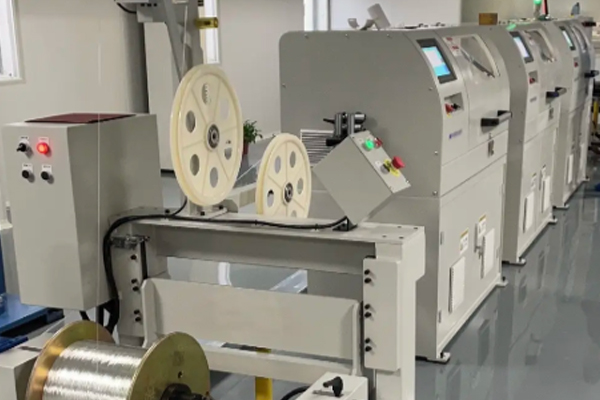
Teflon film is a fundamental component in modern manufacturing, primarily due to its exceptional properties that boost efficiency and durability. Its non-stick nature reduces friction, which not only prolongs the lifespan of machinery but also minimizes maintenance downtime. The film’s chemical resistance protects it from harsh substances, allowing it to maintain operational integrity in various environments. Withstanding extreme temperatures ensures versatility, making Teflon film suitable for diverse applications from aerospace to electronics. By integrating Teflon film into manufacturing processes, companies can improve product quality while optimizing workflow and reducing energy consumption. This adaptability underscores Teflon film’s importance in meeting the evolving demands of today’s industrial scene.
Understanding teflon film applications
teflon film’s versatility is evident across various industries, serving as a critical material in manufacturing applications. Its unique properties make it suitable for high-speed transmission lines, where the use of high-speed transmission line PTFE wrapping tape ensures seamless operation. PTFE wrapping film offers protection against environmental factors, enhancing the longevity of electrical components. furthermore, PTFE thread seal tape is essential in preventing leaks in plumbing and gas applications. For cable management, PTFE cable wrapping tape and PTFE cable roll coating provide excellent insulation and protection against wear and tear. Industries also utilize DAC high-speed cable wrapping film, AEC high-speed cable wrapping film, AOC high-speed cable wrapping film, and ACC high-speed cable wrapping film to meet specific performance requirements in high-frequency environments. The adaptability of Teflon film across these varied applications underscores its importance in modern manufacturing processes.
The role of Teflon Film in Manufacturing
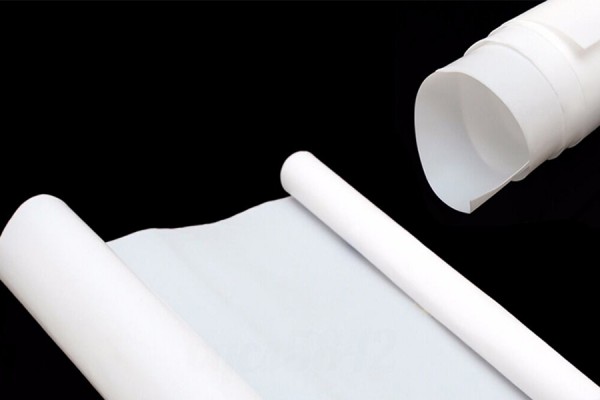
Teflon film plays a important role in various manufacturing environments due to its exceptional chemical resistance and non-stick properties. This material is particularly beneficial in processes where equipment faces harsh conditions, as it prevents adhesion and buildup of materials, ultimately leading to smoother operations. The film’s ability to withstand extreme temperatures further enhances its utility, allowing it to perform effectively in applications ranging from food processing to industrial machinery. also, Teflon film’s lightweight nature contributes to energy efficiency during production processes, making it a cost-effective choice for manufacturers focused on productivity. This material’s versatility extends beyond traditional applications; it is now integrated into new designs across multiple industries, illustrating its impact on modern manufacturing solutions. By incorporating Teflon film, manufacturers can improve product quality while minimizing downtime related to maintenance and repairs.
Teflon film: A Material Revolution
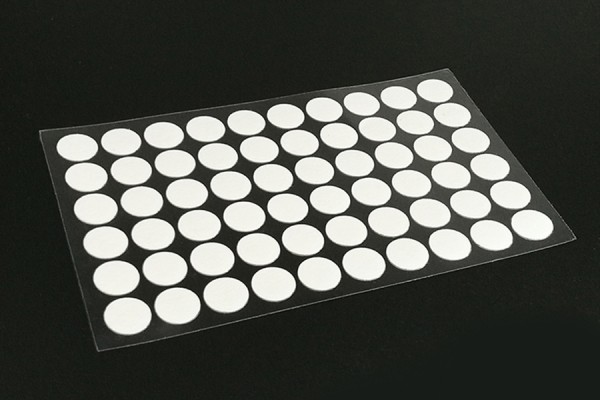
Teflon film has introduced a significant shift in manufacturing, characterized by its unique characteristics that set it apart from traditional materials. With its non-stick surface, Teflon film ensures that processes involving adhesion are smoother and more efficient, drastically reducing downtime for maintenance. This material is resistant to a wide range of chemicals, making it suitable for industries dealing with corrosive substances. Its temperature tolerance is another remarkable feature, allowing Teflon film to perform effectively in both high and low-temperature environments. also, its flexibility and strength permit it to be used in various applications—from insulation in electrical components to protective barriers against environmental factors. This versatility contributes to improved manufacturing outcomes by offering tailored solutions for specific challenges. As manufacturing continues to evolve, Teflon film is a prime example of how new materials can transform operational approaches and improve productivity across multiple sectors.
Enhancing durability with Teflon Film
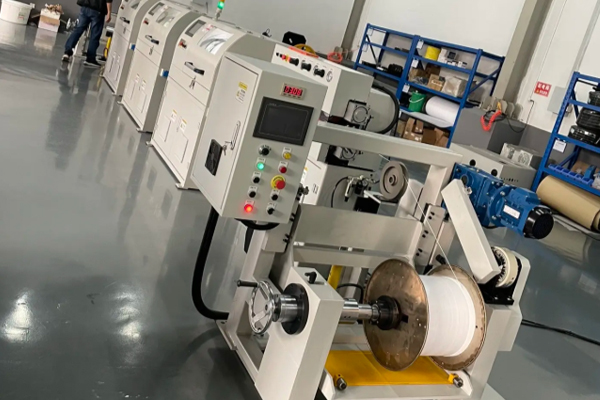
Teflon film is recognized for its impressive durability, making it an essential choice in various manufacturing applications. Its resistance to extreme temperatures and harsh chemicals ensures that products maintain integrity over prolonged use. The film’s non-stick properties further boost its longevity by minimizing wear during friction and reducing degradation from environmental factors. This combination of heat and chemical resistance allows Teflon film to outperform traditional materials in demanding settings, such as aerospace, automotive, and electronics. With Teflon film, manufacturers can achieve longer service lives for components, leading to reduced maintenance costs and fewer replacements. By employing this versatile film, industries can create more reliable systems that stand up to the rigors of modern production environments.
Versatile uses of Teflon Film
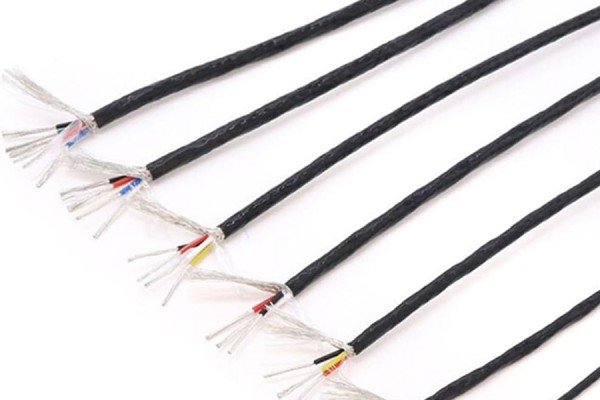
Teflon film is recognized for its extensive range of applications across various sectors. Its non-stick and chemical-resistant properties make it ideal for use in environments where protection from corrosive substances is essential. In the aerospace industry, Teflon film can be used for insulation and as a protective barrier against extreme conditions. Within the electronics sector, it is an effective insulator, ensuring reliable performance of sensitive components. furthermore, Teflon film finds its place in the food processing industry, where it helps in packaging solutions that prioritize efficiency and safety. The film’s ability to withstand high temperatures further solidifies its role in heating applications and industrial machinery.
"Teflon film’s adaptability across different fields showcases its importance in modern manufacturing." This versatility not only improves manufacturing processes but also highlights the material’s relevance in today’s industrial applications.
Efficiency boosts with Teflon Film
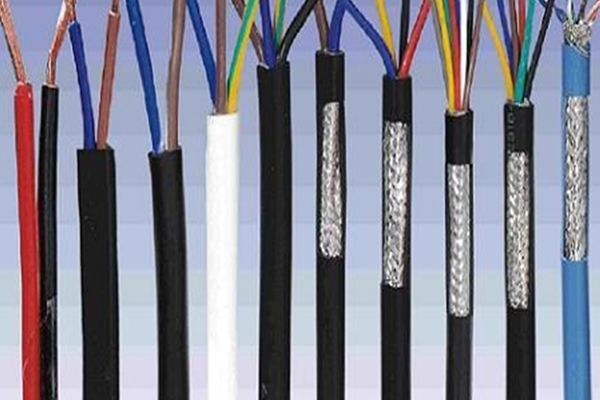
Teflon film significantly improves operational efficiency across various manufacturing processes. Its low friction properties reduce wear on machinery, leading to longer equipment life and decreased maintenance costs. This film’s resistance to high temperatures also allows for faster processing speeds without compromising the quality of the final product. In applications where thermal management is important, Teflon film effectively minimizes heat loss, contributing to energy savings and lower operational expenses. Its chemical resistance protects against corrosive substances, maintaining the integrity of production lines and preventing costly downtimes. As manufacturers seek to optimize workflow and reduce energy consumption, integrating Teflon film into their processes presents a straightforward solution. This adaptability enhances productivity while maintaining a focus on sustainability within industrial practices.
Teflon film in Modern Industry
Teflon film plays an essential role in various sectors of modern industry due to its remarkable properties. Its chemical resistance makes it ideal for use in environments where corrosive substances are present. Industries such as electronics and aerospace benefit from the non-stick characteristics of Teflon film, which help reduce friction and wear in components. In manufacturing processes, Teflon film is widely utilized for insulating wires and cables, ensuring durability and reliability under extreme conditions. The film’s ability to withstand high temperatures without degrading further enhances its application range. also, many companies leverage Teflon film in automotive manufacturing, where it improves fuel efficiency by reducing drag on moving parts. Overall, the versatility of Teflon film meets the diverse needs of modern manufacturing processes, establishing it as a critical material across various industries.
Unique properties of Teflon Film
Teflon film stands out due to its remarkable characteristics that significantly benefit various manufacturing processes. Its exceptional non-stick properties ensure minimal friction, reducing wear and tear on equipment while enhancing efficiency. The film’s resistance to chemicals and heat allows it to maintain performance even in harsh environments, making it a reliable choice for applications exposed to extreme conditions. Teflon film is lightweight yet durable, offering a solution that balances strength with ease of handling. furthermore, its electrical insulating properties make it suitable for use in electronic applications, where it minimizes interference and enhances device longevity. Overall, the combination of these unique properties positions Teflon film as an essential material in modern manufacturing, supporting innovation across different sectors.
Conclusion
teflon film stands out as a major material in modern manufacturing, driven by its unique properties and versatile applications. Its exceptional chemical resistance, non-stick surface, and ability to withstand extreme temperatures make it indispensable in various sectors. As industries increasingly focus on efficiency and durability, Teflon film continuously proves its value by enhancing production processes and minimizing equipment wear. The integration of Teflon film into manufacturing not only optimizes operational workflows but also supports innovation across numerous fields, from aerospace to electronics. This adaptability ensures that Teflon film remains a main player in meeting the evolving demands of modern industrial applications, highlighting its essential role within manufacturing today.
FAQs
What is Teflon film?
Teflon film is a thin, flexible material made from polytetrafluoroethylene (PTFE) known for its non-stick and chemical-resistant properties.
What are the primary uses of Teflon film in manufacturing?
Teflon film is used in insulation, protective barriers, and as a non-stick surface in various applications including electronics, food processing, and aerospace.
How does Teflon film boost efficiency in production?
Its low friction properties reduce wear on machinery, leading to longer equipment life and decreasing maintenance costs.
Is Teflon film environmentally friendly?
While Teflon film improves energy efficiency in manufacturing processes, its environmental impact depends on the disposal methods of PTFE products.
Can Teflon film be used in high-temperature applications?
Yes, Teflon film can withstand high temperatures, making it suitable for applications that require thermal resistance without degrading.
What industries benefit most from using Teflon film?
Industries such as aerospace, automotive, electronics, and food processing benefit significantly from the unique properties of Teflon film.
How does the chemical resistance of Teflon film affect its durability?
The chemical resistance of Teflon film ensures that it maintains structural integrity even when exposed to harsh substances over time.