main Takeaways
ePTFE membranes present significant advantages across various sectors, particularly in the electrical and medical fields. Their low flammability and high thermal stability are essential for ensuring insulation safety, reducing the risk of electrical failures in high-temperature environments. In terms of signal efficiency, the low attenuation and broad frequency range capabilities make them ideal for modern communication technologies. Furthermore, in medical applications, their microporous structure allows for effective gas exchange while resisting clogging from bodily fluids. The remarkable chemical resistance of ePTFE also protects sensitive pharmaceuticals from degradation during storage and transport. As innovations continue to emerge, the multifunctional role of ePTFE membranes is likely to expand further, addressing complex challenges while enhancing operational performance in varied applications.
The role of ePTFE in Insulation
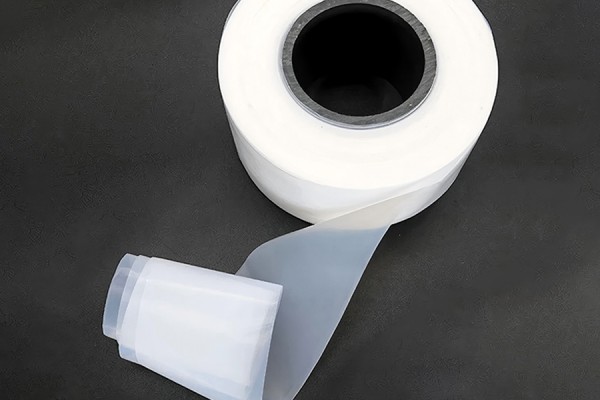
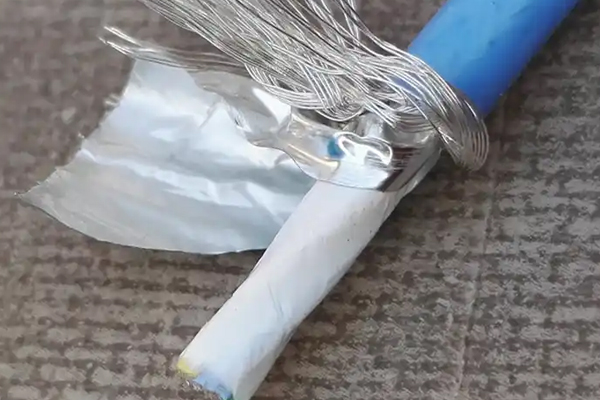
ePTFE membranes function effectively as insulation materials in various applications due to their unique properties. Unlike traditional options like polyethylene (PE) and polyvinyl chloride (PVC), which can pose fire hazards, ePTFE provides improved safety through its low flammability and high thermal stability. These properties are essential in environments where high temperatures may be encountered. Moreover, ePTFE’s low dielectric constant contributes significantly to minimizing signal degradation, making it an ideal choice for high-speed transmission lines such as those utilizing PTFE wrapping tape.
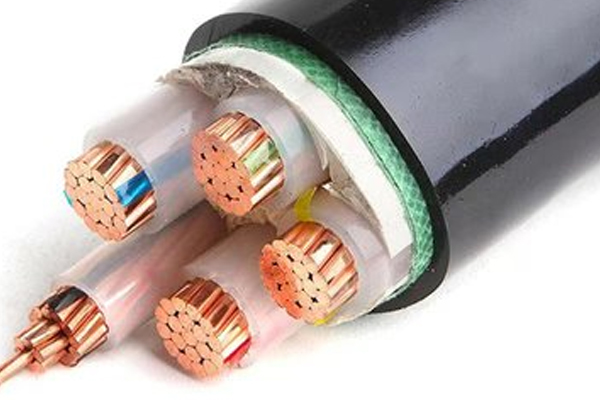
When used in electrical infrastructures, ePTFE helps maintain insulation integrity by providing resistance against moisture and environmental contaminants. This capability enhances performance metrics in both standard cables and specialized applications involving high-frequency operations, such as those benefitting from DAC, AEC, or ACC high-speed cable wrapping films.
"Choosing ePTFE for insulation can significantly reduce the risk of electrical failures."
With its versatile nature, ePTFE not only aids in effective insulation but also optimizes performance across a range of electrical and electronic applications.
ePTFE Membranes for Signal Efficiency
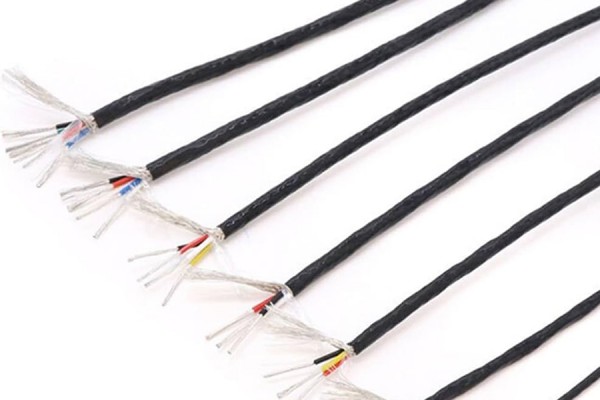
ePTFE membranes significantly improve signal transmission in various applications. Their low attenuation constant minimizes conductor and dielectric loss, essential for efficient electromagnetic wave propagation. This quality is beneficial in communications cables, where high performance is main for maintaining clarity and speed. The unique structure of ePTFE allows it to operate effectively across a broad frequency range, ensuring reliable performance even under challenging conditions. Furthermore, its thermal stability contributes to consistent signal integrity, reducing the risk of performance degradation due to heat variations. As technology evolves, the demand for high-quality signal transmission continues to grow, making ePTFE a preferred choice in advancing cable technologies and communication systems.
new Uses in Medical Devices
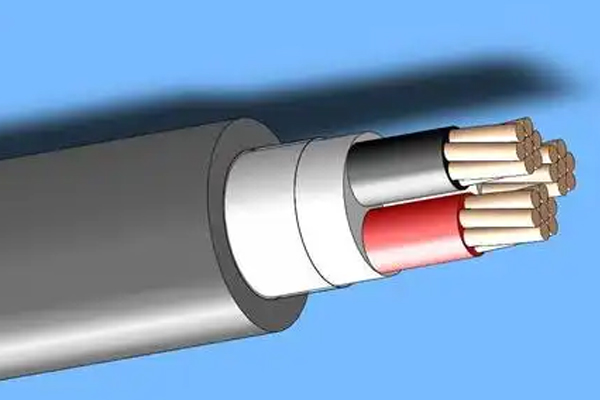
ePTFE membranes are making significant waves in medical technology due to their unique properties. For instance, their microporous structure allows for efficient gas exchange, which is essential in devices like ventilators and oxygenators. This feature enhances patient care by ensuring precise delivery of gases while preventing clogging from bodily fluids. Furthermore, ePTFE’s chemical resistance makes it suitable for applications involving harsh substances, such as in fluid management systems where sterilization is paramount. also, the incorporation of ePTFE membranes in microfluidic devices has transformed diagnostic procedures. These chips require reliable performance under high pressures while maintaining a stable flow within minuscule channels. ePTFE’s durability in these demanding conditions makes it an ideal choice for the development of portable medical testing equipment, facilitating quicker and more accurate results for patients. With ongoing innovation, the potential applications of ePTFE membranes in the medical field continue to expand, offering promising solutions that address important challenges in healthcare delivery.
Enhancing pharmaceutical packaging
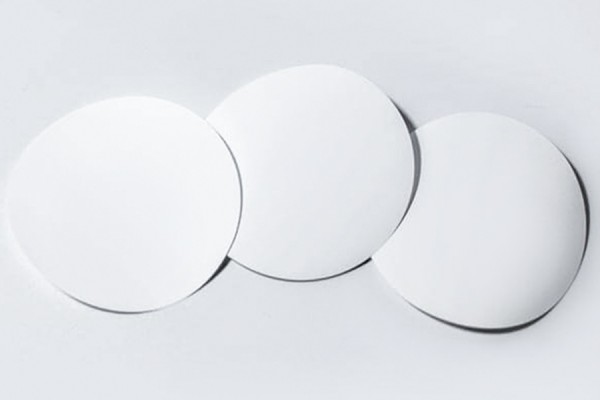
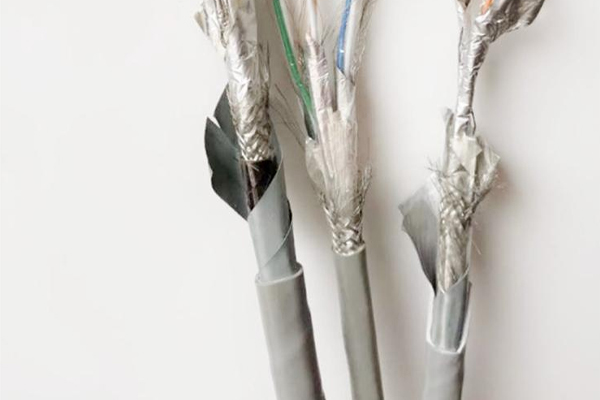
ePTFE membranes play a significant role in the pharmaceutical industry by offering reliable leak-proof solutions for packaging corrosive substances, such as peracetic acid. Their unique composition provides a strong barrier, preventing any chemical interactions that could compromise the integrity of the packaging. By integrating ePTFE with PET materials, manufacturers can achieve high-performance seals that ensure safety and compliance with stringent standards. The chemical resistance of ePTFE allows it to maintain functionality across a broad pH range, making it ideal for various pharmaceuticals. Moreover, its lightweight properties contribute to easier handling and transportation of packaged goods. This innovation not only increases shelf life but also enhances product reliability by protecting sensitive materials from environmental contaminants. As pharmaceutical products evolve, the adaptability of ePTFE membranes makes them essential in developing more efficient and safer packaging solutions.
Versatility of ePTFE Membranes
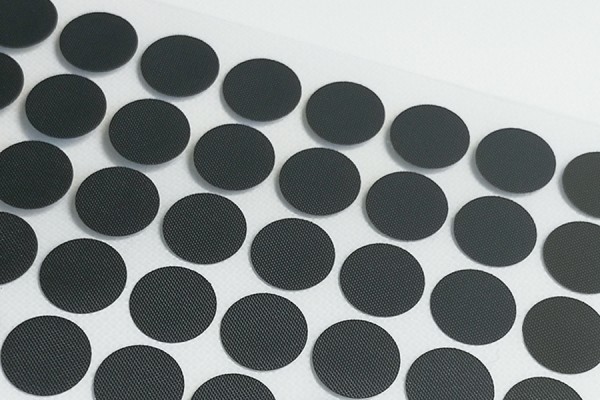
ePTFE membranes exhibit a remarkable range of applications due to their unique properties. In the electrical industry, they provide essential insulation, protecting cables from high temperatures and preventing potential hazards like burning and smoke. Their low dielectric constant ensures efficient signal transmission, making them ideal for communications cables. Beyond electrical applications, ePTFE membranes are invaluable in medical devices. They are utilized in microfluidic chips that demand high-pressure resistance and stable gas flow, catering to the needs of modern medical testing equipment. also, in pharmaceutical packaging, composite seals made from ePTFE+PET form leak-proof barriers that securely contain corrosive substances. The adaptability of ePTFE allows it to serve diverse sectors while maintaining superior performance across extreme conditions. This blend of electrical efficiency and medical utility positions ePTFE as a versatile solution in various industrial contexts.
Optimizing electrical cable performance
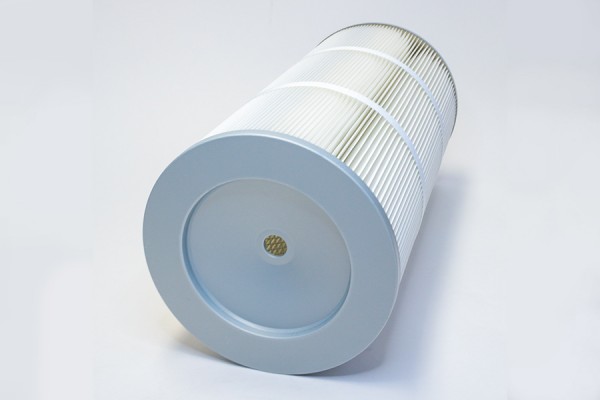
ePTFE membranes optimize electrical cable performance by providing superior insulation properties that reduce signal loss and boost transmission efficiency. With a low dielectric constant, ePTFE minimizes electromagnetic interference, enabling clearer communication and faster data transfer. Its high thermal stability and low flammability offer additional protection against high-temperature environments, which is essential for maintaining cable integrity. The unique microporous structure of ePTFE not only helps in insulating but also allows for moisture vapor transmission, reducing condensation that can harm electrical components. Moreover, the lightweight nature of ePTFE contributes to overall cable flexibility, making installation easier without sacrificing durability. As industries evolve and the demand for efficient technology increases, ePTFE’s role in improving cable performance becomes increasingly significant.
Chemical resistance in Medical Applications
ePTFE membranes exhibit exceptional chemical resistance, making them indispensable in various medical applications. Their hydrophobic properties ensure that moisture and corrosive substances do not penetrate the membrane, providing reliable protection against aggressive chemicals often found in pharmaceuticals. This is particularly vital in the storage and transport of sensitive materials, such as peracetic acid or other reactive agents. The membranes maintain integrity under high temperatures and varying pH levels, ensuring that they perform consistently across a range of conditions. In microfluidic devices used for diagnostics, ePTFE facilitates stable gas flow without compromising the sample integrity, thus enhancing the accuracy of medical tests. As healthcare continues to advance, the flexibility and durability of ePTFE membranes present opportunities for developing new solutions that further improve safety and efficiency in medical environments.
Future trends for ePTFE Technologies
Emerging applications for ePTFE membranes are expected to reflect advancements in both material science and technology integration. Research is focusing on enhancing the inherent properties of ePTFE, such as improving its thermal stability and mechanical strength. Innovations like composite materials that blend ePTFE with other polymers aim to optimize performance in extreme environments. also, the medical sector is likely to see a growth in ePTFE utilization for smart medical devices, where membranes provide not only insulation and protection but also facilitate communication through embedded sensor technology. In the electrical field, the demand for high-frequency applications may lead to new formulations of ePTFE that reduce signal loss even further. The sustainability trend will influence future developments as well, with a push toward recycling processes for memrbanes and eco-friendly production methods. Collaborations between industries can further drive these trends, allowing for shared insights and accelerated innovations in ePTFE technology.
Conclusion
the role of ePTFE membranes in both the electrical and medical sectors underscores their transformational potential across various applications. In electrical contexts, their insulation and signal efficiency properties enable technological advancements that increase reliability and performance in critical infrastructures. Meanwhile, in the medical field, ePTFE’s durability and chemical resistance address significant challenges, facilitating innovations that improve patient care and testing accuracy. The continuous exploration of ePTFE technologies presents opportunities for further improvements in both safety and efficiency. As industries grow more dependent on advanced materials like ePTFE, the membrane’s multifunctional capabilities could lead to new solutions that tackle complex challenges, reinforcing its relevance well into the future.
FAQs
What are ePTFE membranes used for?
ePTFE membranes are used in insulation, signal transmission, medical devices, and pharmaceutical packaging.
How does ePTFE improve electrical insulation?
ePTFE improves electrical insulation by providing low flammability, high thermal stability, and resistance to moisture and contaminants.
Can ePTFE membranes withstand high temperatures?
Yes, ePTFE membranes can withstand high temperatures while maintaining their integrity and performance.
What advantages do ePTFE membranes offer in medical applications?
In medical applications, ePTFE membranes provide chemical resistance, efficient gas exchange, and stable flow in microfluidic devices.
Are there future trends for ePTFE technology?
Future trends include enhancements in thermal stability, smart device integration, and sustainable production methods.