important Takeaways
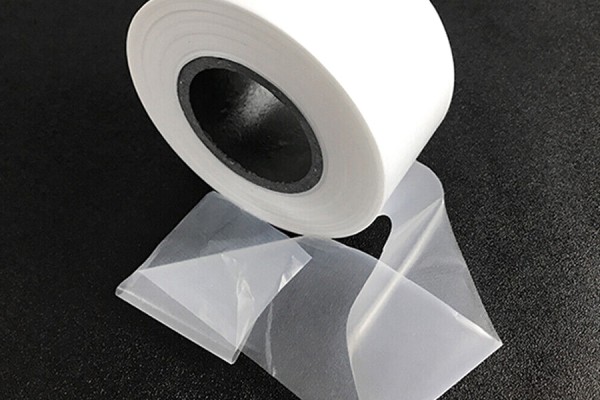
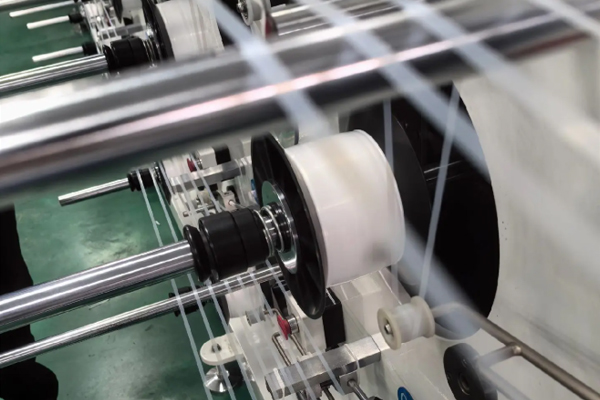
PTFE high-speed cable film stands out for its unique properties that cater to demanding applications across various industries. Its outstanding thermal resistance allows it to function efficiently in extreme heat, ensuring consistent performance where other materials might fail. The low dielectric loss characteristic is critical for maintaining signal clarity in high-speed communication systems, making it the preferred choice for aerospace, telecommunications, and automotive sectors. Furthermore, the material’s lightweight nature simplifies installation and handling, avoiding the drawbacks that come with heavier alternatives. The durability of PTFE against wear and chemical exposure ensures longevity in challenging environments, enhancing reliability. As industries continue to advance technologically, the robust performance of PTFE high-speed cable film will remain essential for meeting current requirements and adapting to future challenges effectively.
Benefits of PTFE Cables
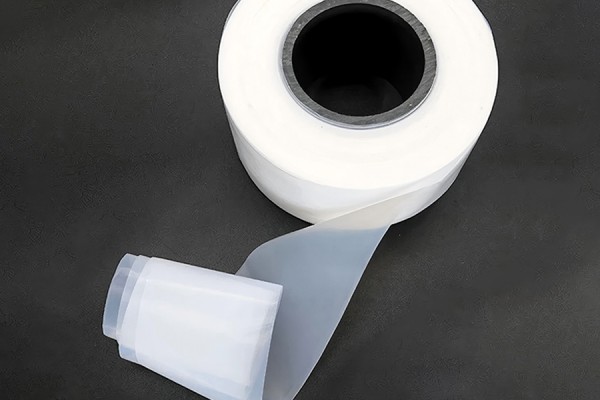
PTFE cables are designed to perform reliably in demanding environments. Their high thermal resistance makes them ideal for applications involving high temperatures, ensuring that insulation remains effective even under extreme conditions. The low dielectric loss of PTFE allows for better signal transmission, which is critical for high-speed data lines. Moreover, PTFE wrapping film and PTFE cable wrapping tape provide excellent wear resistance and electromagnetic shielding, enhancing performance in environments susceptible to interference. With characteristics like a low thermal expansion coefficient and lightweight structure, these cables can minimize maintenance needs while offering durability. This is particularly relevant in military and aerospace sectors where robust performance is essential. Applications include DAC high-speed cable wrapping film and AEC high-speed cable wrapping film, which facilitate efficient energy transfer in various electronic devices. Overall, PTFE cables stand out for their remarkable insulation capabilities and consistent reliability across both temperature extremes and demanding use scenarios.
Features of PTFE Film
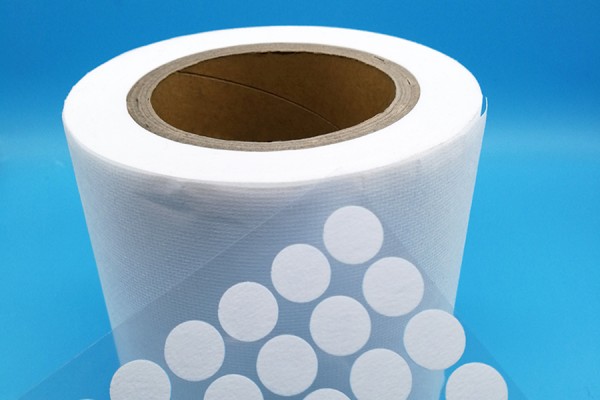
PTFE film offers several exceptional characteristics that make it an ideal choice for high-speed cable applications. Its low thermal expansion coefficient ensures that dimensions remain stable across varying temperatures, important for maintaining performance in extreme conditions. The lightweight structure contributes to overall efficiency, enabling easier handling and installation without compromising strength. Thin thickness allows for increased flexibility in design while ensuring that cables can be packed closely together without interference. PTFE also excels in shielding performance, effectively blocking electromagnetic interference, which is vital in minimizing signal degradation. Its low attenuation is another advantage, permitting high-frequency signals to transmit over long distances with minimal loss. Moreover, the material’s resistance to heat and chemicals renders it suitable for environments prone to harsh conditions, ensuring that its insulating properties remain intact. These features combined boost the reliability and durability of cables, particularly those used in aviation, telecommunications, and automotive applications where performance is critical.
Applications of PTFE Insulation
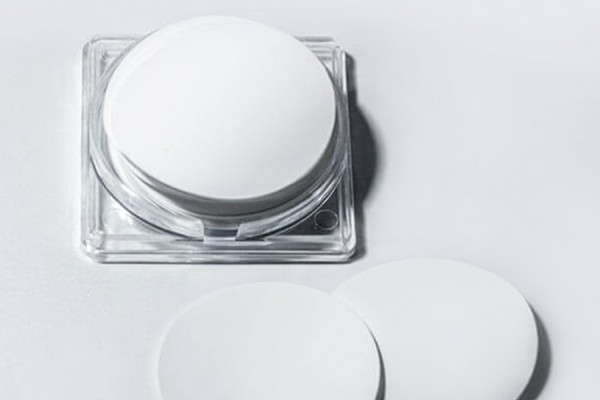
PTFE insulation is essential in various high-performance applications due to its exceptional characteristics. In the aerospace sector, it is employed for wiring in avionics and instrumentation, where reliability under extreme conditions is important. The automotive industry utilizes PTFE for parts such as harnesses and connectors that require resistance to heat and chemicals. In telecommunications, PTFE film is utilized in RF and microwave cables, where its low dielectric constant enhances signal clarity and speed. also, it serves well in electric vehicle charging stations, where durability is paramount against heat exposure. Its versatility extends to military applications, where the performance in harsh environments can impact mission success. The ability of PTFE insulation to maintain integrity under mechanical stress further broadens its applicability across industries that demand advanced materials for safety and efficiency.
| Industry | Application | Benefits |
|---|---|---|
| Aerospace | Wiring in avionics | Reliability under extreme conditions |
| Automotive | Harnesses and connectors | Heat and chemical resistance |
| Telecommunications | RF/microwave cables | Enhanced signal clarity and speed |
| Electric Vehicles | Charging station cables | Durability against heat exposure |
| Military | Communication systems | Performance under harsh environments |
Performance in Extreme Conditions
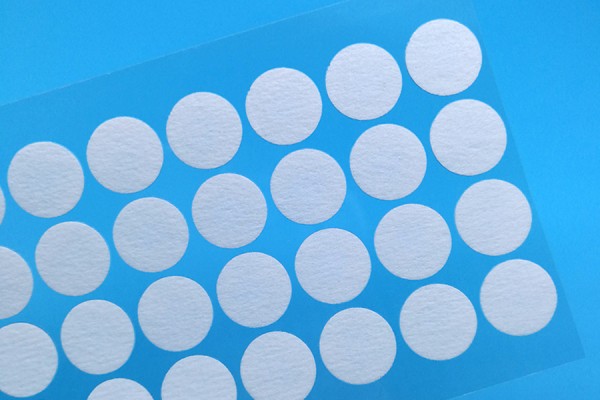
PTFE high-speed cable film excels under extreme conditions, providing reliable insulation and performance in high-temperature environments. Its low thermal expansion coefficient enhances stability, preventing signal distortion even during temperature fluctuations. This material withstands harsh chemical exposures, making it ideal for applications in corrosive settings typical in aerospace and military environments. The lightweight nature of PTFE film ensures easy handling and installation without compromising durability, allowing for flexibility in various setups. Furthermore, the porous mesh structure reduces signal attenuation, encouraging uninterrupted communication important for high-frequency operations. Users can trust PTFE high-speed cable film to deliver consistent performance where standard materials may falter, ensuring that it remains a top choice for demanding applications involving electronic systems and transmission lines.
Durability of High-Speed Cables
PTFE high-speed cables are designed to withstand rigorous conditions without compromising performance. Their resistance to extreme temperatures ensures they maintain functionality, even in demanding environments, such as aerospace and military applications. The lightweight structure of PTFE allows for easier handling and installation without sacrificing strength. Importantly, the composite material’s wear resistance makes it ideal for scenarios where movement and friction can lead to degradation over time. also, the shielding properties provided by PTFE prevent interference from external electromagnetic sources, further enhancing the reliability of signal transmission. Compared to conventional films, PTFE exhibits a notable ability to retain its integrity under stress, making it a preferred choice in applications where durability is non-negotiable.
Signal transmission stability
PTFE high-speed cable film demonstrates impressive stability in signal transmission. Its low dielectric constant minimizes signal loss, making it particularly effective for high-frequency applications. This film maintains signal integrity even under challenging conditions, such as temperature fluctuations or electromagnetic interference. The combination of its unique porous mesh structure and high tensile strength contributes to its exceptional performance.
"For optimal performance, consider the cable’s insulation material and structure as critical factors in maintaining signal clarity."
In environments demanding reliable data transfer, like telecommunications and aerospace, PTFE film’s flexible design allows it to adapt while protecting against external factors. Its low thermal expansion coefficient ensures consistent performance across a range of temperatures without compromising the insulation capacity. Overall, the stability offered by PTFE cable film is essential for achieving efficient operation in high-speed transmission systems.
High-Temperature Insulation Solutions
PTFE high-speed cable film offers exceptional insulation capabilities in high-temperature environments, where temperatures can exceed 200°C. Unlike traditional insulation materials, PTFE maintains its structural integrity and electrical properties even under extreme conditions. This film’s lightweight and thin profile further enhances its suitability for applications requiring space-saving designs without compromising performance. The low thermal expansion coefficient of PTFE minimizes the risk of mechanical failures due to temperature fluctuations. Furthermore, its chemical resistance ensures longevity in corrosive settings commonly found in industrial applications. Utilization of PTFE film is critical for aerospace and military wiring systems, where reliable performance in high-stakes environments is essential. In addition, the film’s ability to provide consistent dielectric properties makes it advantageous for microwave communication systems, ensuring that signal loss remains minimal even at elevated temperatures. By integrating PTFE insulation solutions, industries can achieve improved safety and reliability in their electronic systems, supporting the demands of modern technology.
Compare conventional films
when examining insulation materials for high-speed cables, it’s clear that conventional films often fall short of the capabilities offered by PTFE. Traditional options may lack the thermal stability required for high-temperature environments, leading to potential failures in performance. In contrast, PTFE maintains a low thermal expansion coefficient, ensuring consistent performance even under extreme conditions. Lightweight films may offer some benefits, but they often compromise on durability and resistance to wear and corrosion.
Furthermore, conventional films typically have a higher dielectric loss compared to PTFE, which can negatively affect signal transmission stability in RF and microwave applications. The porous structure of PTFE film facilitates lower attenuation rates, providing a distinct advantage over standard insulation materials. This enhancement in signal integrity is essential as communications technology advances rapidly towards higher frequencies. Thus, for industries requiring robust performance in challenging applications, such as military and aerospace sectors, PTFE presents a superior alternative that meets rigorous operational demands.
Conclusion
in evaluating PTFE high-speed cable film, its benefits clearly extend to various demanding environments. The material excels in maintaining insulation integrity and performance across a broad range of temperatures, vital for sectors like aerospace and telecommunications. Its lightweight properties simplify installation while enhancing durability, allowing for reliable operation even under stress. PTFE’s ability to resist chemicals and wear ensures longevity and minimal maintenance, which is main in high-fidelity signaling applications. The material’s superior dielectric properties provide a clear advantage over conventional films, minimizing signal loss and distortion. Consequently, as the demand for effective communication systems continues to grow, PTFE high-speed cable film is a reliable choice that meets both current and future technological needs.
FAQs
What is PTFE high-speed cable film?
PTFE high-speed cable film is a specialized insulation material designed to provide superior performance in demanding environments, particularly for high-temperature applications.
What are the benefits of using PTFE cables?
PTFE cables offer excellent thermal resistance, low dielectric loss for better signal transmission, and durability against wear and electromagnetic interference.
How does PTFE film perform under extreme conditions?
PTFE film maintains insulation integrity and stable performance in extreme temperatures and harsh chemical environments, essential for aerospace and military applications.
Can PTFE insulation be used in various industries?
Yes, PTFE insulation is widely used in industries such as aerospace, automotive, telecommunications, and military for its reliability in harsh conditions.
What distinguishes PTFE from conventional films?
PTFE outperforms conventional films in thermal stability, signal transmission stability, and resistance to wear—making it ideal for high-speed data applications.