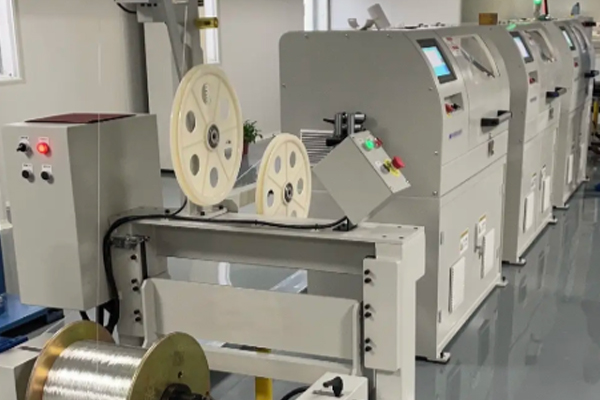
main Takeaways
The film brings clear benefits for industrial work. It resists chemicals that would corrode parts, extending their life and reliability. Its low friction reduces wear between moving parts and helps machines run more smoothly in tough conditions. The film also fits many sectors—from electronics to food processing—by delivering targeted advantages. That flexibility can simplify production and meet high performance standards in modern manufacturing. Using the film in operations can streamline workflows, improve safety, and raise productivity while cutting maintenance costs. These qualities make it a practical choice for professionals looking for dependable solutions in their projects.
Benefits of Teflon Film
These benefits make the film useful in many industrial settings. It resists chemicals well, handling harsh substances without breaking down. Its non-stick surface lowers friction, which matters for high-speed processes that use PTFE wrapping tape or PTFE cable wrap. It also insulates electrically, helping components stay reliable.
It can be manufactured as wrapping film that keeps its shape and strength under heat swings. This matters for high-speed cable wraps such as those used in DAC or AEC applications, where performance depends on stability across environments. The light weight also helps with handling and installation.
"Choosing this material means reliability and solid performance in tough applications."
Given these qualities, many industries turn to PTFE-based products like Thread Seal Tape or cable coatings to streamline operations while meeting strict durability and efficiency standards.
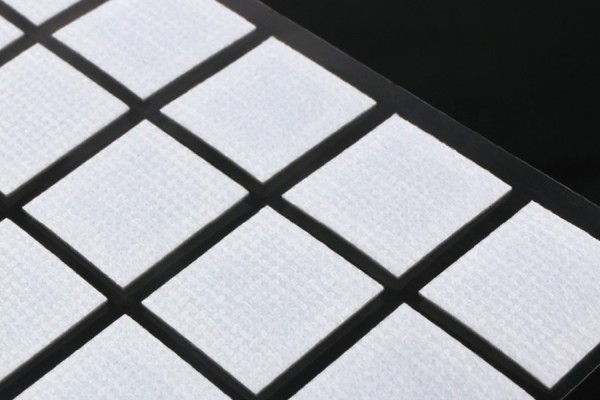
Teflon film applications
The film proves versatile across many industrial uses. In electronics, it provides an insulation barrier against moisture and contaminants, helping critical components stay reliable. In automotive wiring harnesses, it serves as a protective layer, boosting durability in tough conditions. Its chemical resistance also makes it valuable in pharmaceuticals, where it lines equipment that handles corrosive substances. In aerospace, the film’s lightweight nature contributes to overall fuel efficiency. It also features in food processing, offering non-stick surfaces that support hygiene and easy cleaning. The film’s adaptability continues to spur innovation across sectors, supporting performance and safety in diverse applications.
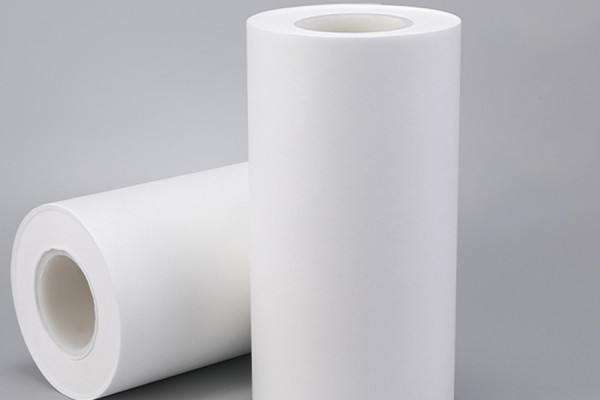
Why choose teflon film?
This material offers several advantages for industrial use. It resists chemicals well, which helps environments with harsh substances. That resilience cuts degradation over time, giving longer-lasting parts. Its electrical insulation adds another benefit, especially in areas needing stable performance under different voltages. It works across a broad temperature range, so it can adapt without losing functionality. The smooth surface minimizes friction, helpful when parts move or contact each other. All of this extends equipment lifespans and improves overall efficiency in manufacturing and processing. Its versatility makes it a go-to choice in electronics, automotive, and chemical processing, where durability and performance matter.
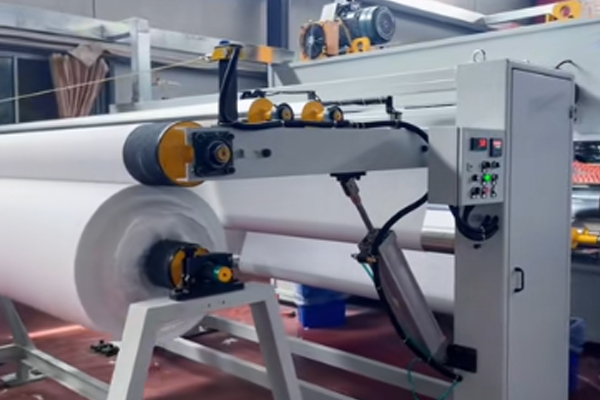
Teflon film in Industry
The film is widely used across many industries, thanks to its unique characteristics. Its non-stick surface simplifies manufacturing of gaskets and seals, boosting production efficiency. In electronics, it offers strong insulation for printed circuit boards and wire coatings. Its chemical resistance stands up to harsh environments, useful in chemical processing and manufacturing. In aerospace and automotive, the film’s lightweight yet durable nature supports performance without adding weight. It also helps maintain system reliability and reduces maintenance costs over time. The film remains versatile enough for applications where performance and safety matter.
important Features of Teflon
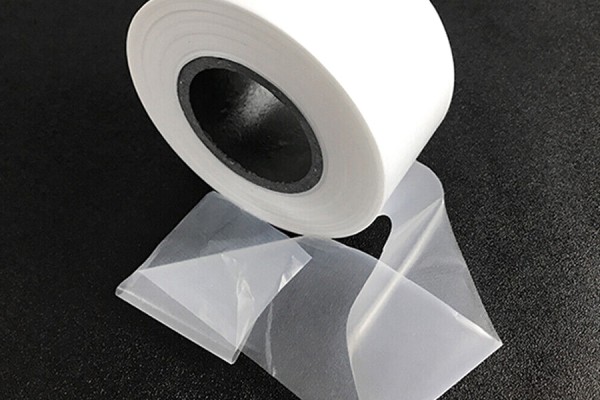
PTFE film stands out for its chemical resistance, making it suitable for applications where exposure to harsh substances is a concern. That durability keep its integrity and performance over time, even in aggressive environments. The low-friction surface makes handling smoother and reduces wear. It also stays stable across a wide temperature range, so it remains useful in high-heat scenarios. Its dielectric insulation supports reliable performance in electrical work. The film’s transparency helps in setups where you need to see what’s happening. Taken together, these traits give it a versatile role across fields, from automotive to electronics.
Teflon film efficiency gains
The film delivers noticeable efficiency gains in industrial processes. Its thermal stability supports operations at high temperatures, minimizing downtime from temperature-related malfunctions. Its non-stick surface reduces friction, helping machinery run smoothly and extending service life. The resistance to chemicals protects against corrosive substances, useful in environments like chemical processing and food production. This broad applicability lowers operational risk and boosts productivity. When reliability matters, the film maintains consistent performance, keeping processes steady over time. In the end, firms can cut costs and raise operational capability by using the film in their workflows.
Versatility of Teflon Film
The film shows real versatility across many industries. Its chemical resistance helps in harsh environments. In electronics, it offers strong insulation for wiring and connectors. In food processing, the non-stick surface aids cleaning and hygiene. Its durability under extreme temperatures supports use in aerospace and automotive work. The film’s adaptability also covers medical devices where biocompatibility matters. All of this explains why professionals rely on this material for practical solutions in their fields.
Teflon for Reliability
Reliability comes from the film’s steady performance in many settings. Its resistance to chemicals helps it endure harsh environments, including chemical processing, oil and gas, and food production. The material’s low friction reduces wear, extending equipment life and cutting downtime. In electrical work, its dielectric strength supports safe, stable operation in high-voltage contexts. The film remains transparent enough for process monitoring, adding convenience where visibility matters. Used in production systems, it offers consistent efficiency and a practical way to handle complex tasks. That reliability translates into lower maintenance costs and better productivity across sectors relying on these films.
Conclusion
Using this film in production has changed the equation across many sectors. Its chemical resistance guards against harsh environments, helping components last longer. The low-friction surface improves efficiency and lowers maintenance. It stands up to varied temperatures, staying functional when others fail. This versatility shows up in electronics, food processing, and beyond. As industries evolve, demand for this material will continue, driven by the need for durable, high-performing components. The benefits are clear to many professionals evaluating their workflows.
FAQs
What is this film made of?
This film is made primarily from polytetrafluoroethylene (PTFE), a high-performance fluoropolymer.
What are the primary benefits of using this film?
The main benefits include chemical resistance, low friction, excellent electrical insulation, and thermal stability.
How does this film improve efficiency in industrial applications?
This film reduces friction between components, minimizes wear and tear, and ensures reliable performance under varying temperatures.
Can this film be used in high-temperature environments?
Yes, this film maintains its integrity at high temperatures, making it suitable for applications requiring thermal stability.
Is this film environmentally friendly?
While this film is durable and long-lasting, its production raises environmental concerns due to the use of hazardous substances.
How does this film compare to other materials in industrial use?
This film often outperforms other materials in chemical resistance and longevity, especially in harsh environments.
What industries benefit most from this film?
Industries such as electronics, automotive, aerospace, food processing, and pharmaceuticals benefit significantly from its versatile properties.
Can this film be customized for specific applications?
Yes, manufacturers can customize this film based on thickness, size, and specific performance requirements to meet various industrial needs.