main Takeaways
PTFE film stands out as a main material for high-performance applications, due to its unmatched properties like chemical resistance and thermal stability. Its performance in aerospace ensures safety under extreme conditions, while in electronics, it provides reliable insulation that prolongs component life. Automotive applications benefit from its low friction characteristics, which reduce wear on parts and boost overall durability. PTFE film also handles harsh environments effortlessly, maintaining both flexibility and strength under temperature swings. The innovations in PTFE formulations continue to broaden its application range across sectors, signifying its importance in meeting the evolving demands of modern industries. Expertise in utilizing this material can lead to improved efficiency and reliability in various applications.
Unleashing PTFE Film Power
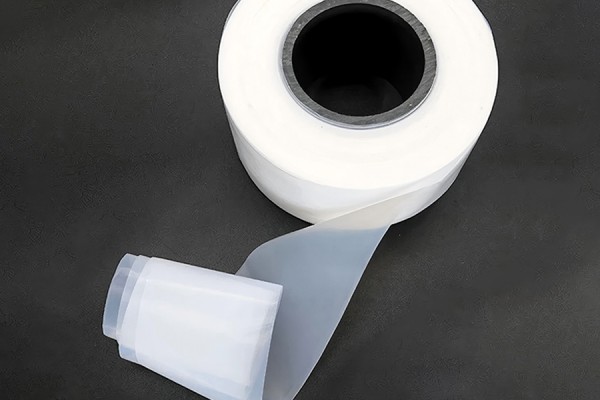
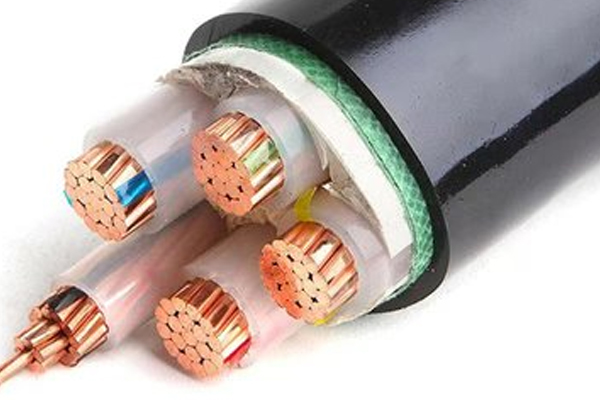
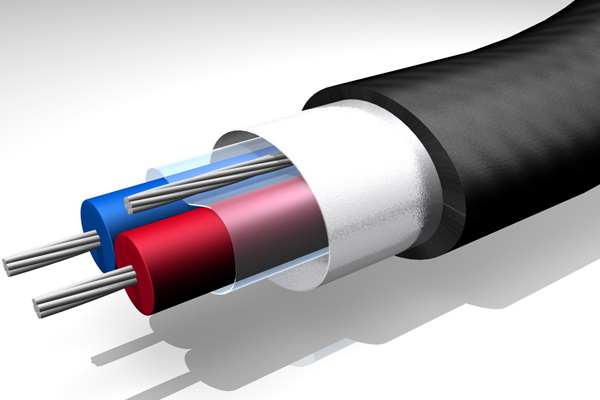
PTFE film offers robust capabilities that cater to high-performance needs. Its chemical resistance allows it to withstand corrosive substances, making it ideal in settings where exposure to harsh chemicals is common. In aerospace, PTFE wrapping film creates vital components that maintain integrity and performance under extreme conditions. Automotive applications benefit from the thermal stability of high-speed transmission line PTFE wrapping tape, ensuring reliable operation in engine compartments where high temperatures are prevalent. The low friction properties of PTFE cable wrapping tape contribute to smoother performance and reduced wear in mechanical systems. Furthermore, DAC high-speed cable wrapping film, AEC high-speed cable wrapping film, and AOC high-speed cable wrapping film have gained traction for their ability to manage high-frequency signals effectively. These innovations demonstrate the versatility of PTFE materials across various industries while focusing on providing effective solutions tailored for demanding environments.
PTFE Film in Aerospace Use
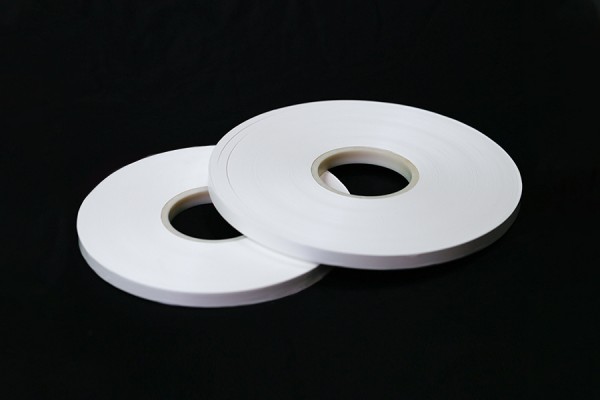
PTFE film plays a critical role in the aerospace industry due to its exceptional performance under extreme conditions. Its ability to endure high temperatures and resist harsh chemicals makes it suitable for various applications, such as sealing and insulating components. Many aircraft systems require materials that can handle significant thermal variations and pressure fluctuations; PTFE film meets these demands effectively.
In addition to thermal stability, PTFE film’s low friction properties reduce wear and tear on moving parts, contributing to increased efficiency and longer service life for aerospace applications. The film is often used in wiring harnesses, fuel lines, and other components where reliability is essential.
Moreover, the lightweight nature of PTFE film supports aerospace designs focused on fuel efficiency without compromising safety or durability. Manufacturers continue to advance their processes to produce PTFE films with even better mechanical strengths and insulation capacities, ensuring they meet the evolving needs of modern aviation technology.
PTFE Film Benefits in Electronics
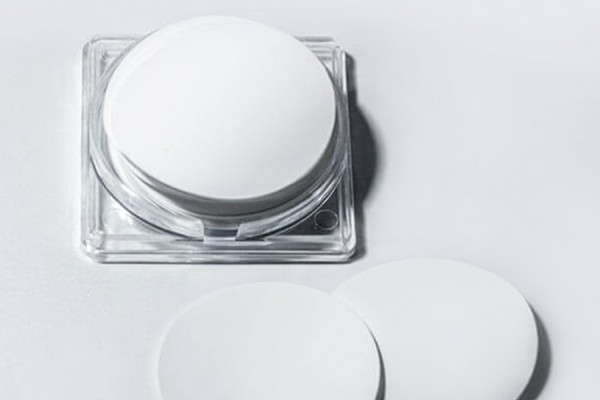
PTFE film is a critical component in the electronics sector due to its strong non-stick and insulating properties. This material excels in applications where heat and chemical exposure are prevalent. For instance, PTFE’s dielectric strength ensures reliable performance in insulating sensitive electronic components.
"Using PTFE film can significantly reduce maintenance costs, thanks to its durability and resistance against wear."
In circuit board manufacturing, PTFE film acts as an effective dielectric layer that helps maintain signal integrity while resisting moisture and chemical corrosion. Its low friction surface also minimizes material interaction, which can lead to reduced wear on moving parts within devices like switches and relays.
The lightweight nature of PTFE film allows for easier integration into compact electronic designs, promoting innovation as devices become smaller yet more powerful. As industries continue to push for advanced technology in electronics, the benefits of PTFE film are becoming increasingly indispensable for achieving high-performance results.
Maximizing thermal stability
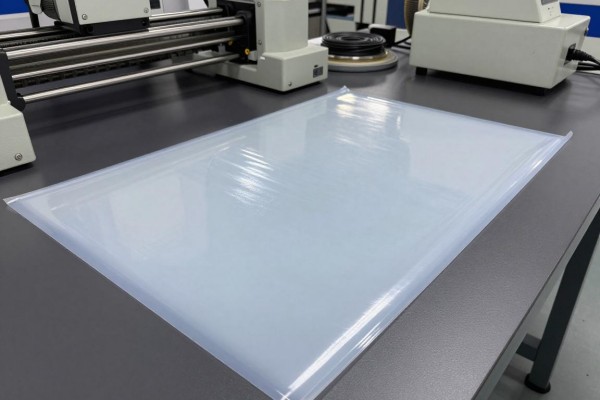
PTFE film exhibits remarkable thermal stability, capable of sustaining extreme temperatures ranging from -200℃ to +260℃. This property is significant where reliable performance is necessary under fluctuating thermal conditions. In aerospace applications, for instance, components must endure harsh thermal cycles without compromising functionality. PTFE’s ability to withstand these challenges makes it helpful in ensuring safe operations and longevity for critical parts.
In electronics, PTFE film plays a important role in insulating components exposed to heat generated by high-power devices. Its low thermal conductivity reduces the risk of overheating and improves overall system efficiency. Automotive applications further benefit from PTFE’s resilience; engine parts and components require materials that can endure high heat while maintaining structural integrity.
As industries increasingly focus on efficiency and safety, the demand for materials with exceptional thermal characteristics like PTFE film continues to grow, paving the way for new designs and solutions in various sectors.
Enhancing automotive applications
PTFE film plays a vital role in the automotive industry due to its outstanding properties. The film’s chemical resistance protects components from exposure to oils, fuels, and other harsh fluids encountered during operation. Its low friction surface contributes to improved performance in moving parts, reducing wear and prolonging lifespan. In engine applications, PTFE film withstands extreme temperatures, maintaining structural integrity under conditions ranging from -200°C to +260°C.
Furthermore, PTFE’s dielectric strength is highly beneficial for electrical insulation in automotive wiring systems. This quality keeps electrical components safe from potential damage caused by moisture or corrosion. Many manufacturers are turning to PTFE film for gasket and seal solutions, ensuring reliable seals that can endure high pressures while preventing leaks. The development of advanced PTFE formulations offers tailored solutions for specific automotive applications, such as lightweight designs that further boost fuel efficiency while maintaining durability.
| Property | Specification |
|---|---|
| Chemical Resistance | Excellent |
| Operating Temperature | -200°C to +260°C |
| Dielectric Strength | High-performance |
| Friction Coefficient | Low |
PTFE Film for Harsh Environments
PTFE film excels in harsh environments where extreme conditions threaten material integrity. Its ability to retain performance under very low and high temperatures, ranging from -200℃ to +260℃, makes it a reliable choice. These films do not merely resist chemical degradation; they also maintain mechanical strength and flexibility, even in aggressive chemical atmospheres found in manufacturing settings or marine applications. The low friction properties of PTFE film allow it to be used effectively in sliding applications or as insulation for sensitive electronic components. also, its flame-retardant characteristics contribute to safety in high-risk areas like aerospace and automotive sectors. As industries push for better materials that can withstand rigorous operational demands, PTFE film stands out as a practical solution that can adapt to diverse applications while ensuring reliability and safety.
Chemically resistant PTFE Solutions
PTFE film is recognized for its exceptional chemical resistance, making it a preferred choice in industries that require reliable materials for high-stress environments. This unique property allows PTFE films to withstand exposure to aggressive chemicals, including acids, bases, and solvents. In chemical processing plants, for instance, PTFE films serve as linings and seals to prevent leaks and corrosion. Their low friction surface also aids in reducing wear on machinery parts while promoting efficient operations.
In electronics, the film’s dielectric properties contribute to its effectiveness as insulation in circuit boards and wiring systems. Applications in petroleum and petrochemical sectors further demonstrate PTFE film’s resilience under conditions that could degrade other materials. As manufacturers continue innovating with advanced formulations of PTFE, the range of applications broadens to meet the diverse needs of industries seeking durable, chemically resistant solutions. This ongoing research fosters developments that increase the effectiveness of PTFE films in challenging environments while also addressing specific customer requirements.
Innovations in PTFE Materials
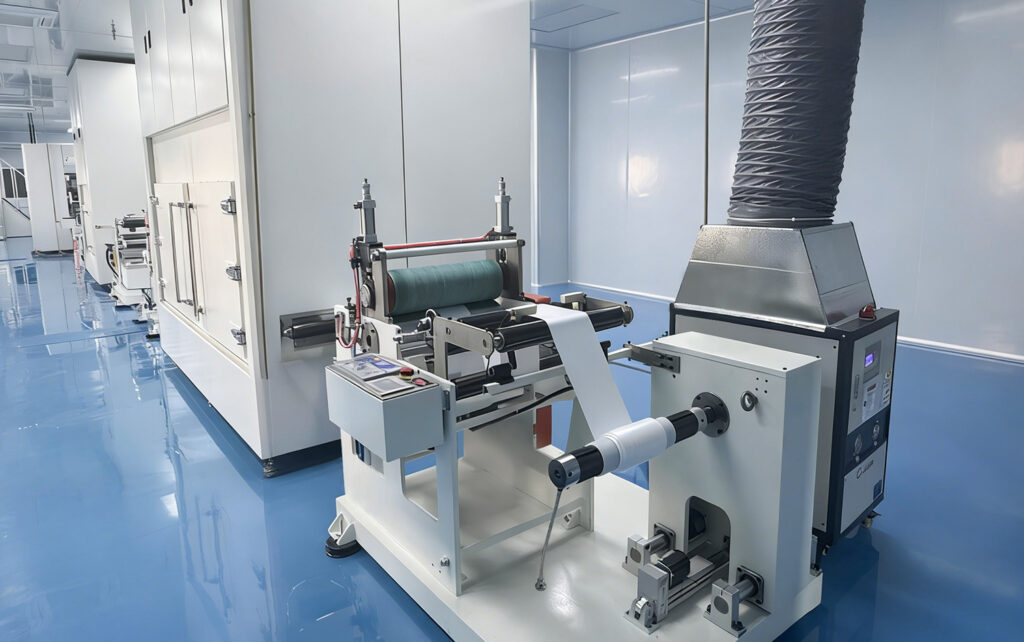
Recent advancements in PTFE materials have expanded their application range significantly. Research has focused on developing composite PTFE films that boost specific attributes while maintaining essential properties. For instance, blending PTFE with other polymers has yielded films that offer improved flexibility and tear resistance, main for demanding environments. Other innovations include modifications to boost the bonding characteristics of PTFE, increasing its compatibility with adhesives and coatings. This adaptability opens new avenues in industries requiring complex assembly or where surface adhesion is critical. also, manufacturers are exploring ways to produce PTFE films with varying thicknesses and surface textures, allowing for tailored solutions that meet precise application needs. Innovations also extend to cost-effective production methods, making high-quality PTFE films more accessible to various sectors, including electronics and automotive industries. As companies continue to invest in R&D, these improvements promise greater performance and reliability across diverse applications.
Conclusion
PTFE film has proven itself to be an essential material across various industries, offering unique properties that cater to high-performance applications. Its outstanding chemical resistance and thermal stability make it suitable for demanding environments like aerospace, electronics, and automotive sectors. In the aerospace industry, the material’s ability to withstand extreme temperatures and pressures enhances safety and durability. In electronics, PTFE film’s insulating qualities ensure reliable performance by reducing electrical interference and heat generation. The automotive sector benefits from PTFE’s low friction and chemical resilience, which extend the lifespan of components. As research continues to advance in PTFE technologies, new formulations are emerging that meet the evolving needs of these sectors. The future of PTFE film looks promising as it adapts to new challenges and applications, affirming its role as a important material in high-performance scenarios.
FAQs
What is PTFE film?
PTFE film is a synthetic fluoropolymer that offers excellent chemical resistance and thermal stability, making it ideal for various high-performance applications.
What industries benefit from PTFE film?
Industries such as aerospace, electronics, and automotive leverage PTFE film for its unique properties that improve performance and durability in challenging conditions.
How does PTFE film improve aerospace applications?
PTFE film’s ability to withstand extreme temperatures and resist harsh chemicals is important in aerospace for sealing, insulating, and maintaining component integrity.
What advantages does PTFE film provide in electronics?
In electronics, PTFE film is a reliable insulator due to its dielectric strength, protecting sensitive components from heat and moisture exposure.
Can PTFE film be used in harsh environments?
Yes, PTFE film excels in harsh environments by maintaining mechanical strength and flexibility under extreme temperatures and aggressive chemical exposure.