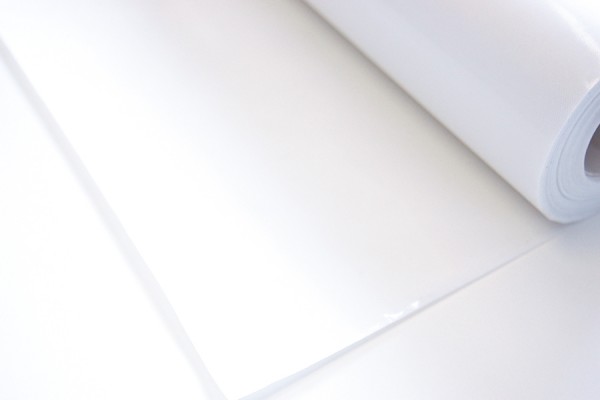
main Takeaways
ePTFE membranes stand out for their remarkable capabilities across various industries. Their unique combination of high porosity and chemical stability enables effective performance in demanding environments. In medical applications, they ensure the sterility needed in surgical tools and implants, greatly reducing the risk of infection. In contrast, the automotive sector relies on ePTFE for fluid management and noise reduction, enhancing both safety and comfort. The construction industry benefits from their use as moisture barriers that protect structural integrity while facilitating ventilation. Furthermore, ePTFE membranes are important in electronics, effectively insulating sensitive components from environmental damage, which ultimately prolongs device lifespan and boosts reliability. The adaptability of these materials points to their vital role in addressing specific operational challenges across diverse applications.
Advantages of ePTFE Membranes
ePTFE membranes offer significant advantages across various applications, primarily due to their unique properties. Their high porosity allows for optimal ventilation while maintaining a liquid barrier, making them ideal for use in demanding environments. These membranes are chemically stable, exhibiting compatibility with a broad pH range, which enables their deployment in industries handling corrosive substances. The ability to withstand extreme temperatures without losing structural integrity is essential for high-speed transmission applications, particularly in electronics.
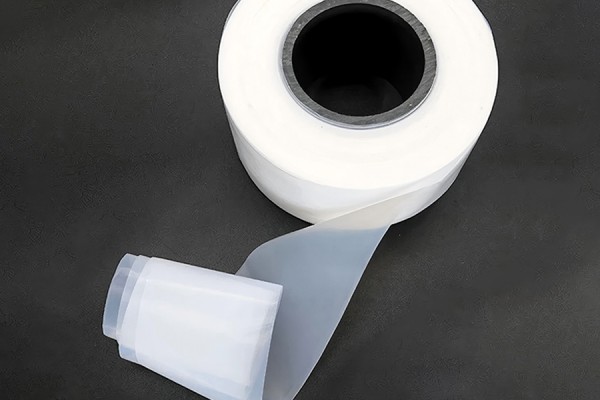
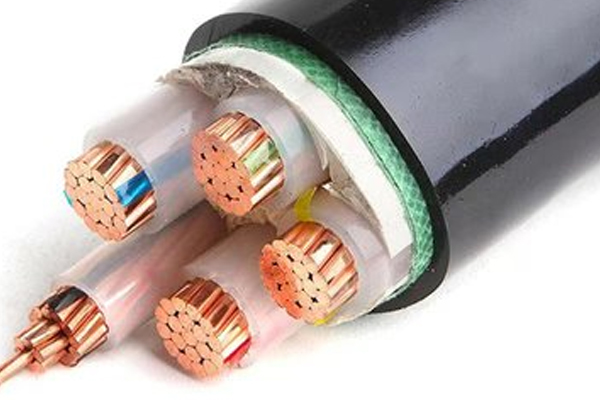
Moreover, the lightweight nature of ePTFE membranes contributes to their effectiveness in high-frequency signal transmission within cables. For instance, when using materials such as High speed transmission line PTFE wrapping tape and PTFE wrapping film, the reduction of signal loss is critical for maintaining performance. Their versatility extends to various configurations like PTFE Thread Seal Tape and PTFE cable wrapping tape, supporting both protective and functional requirements in numerous fields.
"When selecting materials like DAC high-speed cable wrapping film or AEC high-speed cable wrapping film, consider both performance and environmental factors."
Ultimately, the incorporation of ePTFE membranes leads to enhanced reliability and efficiency across diverse industrial applications.
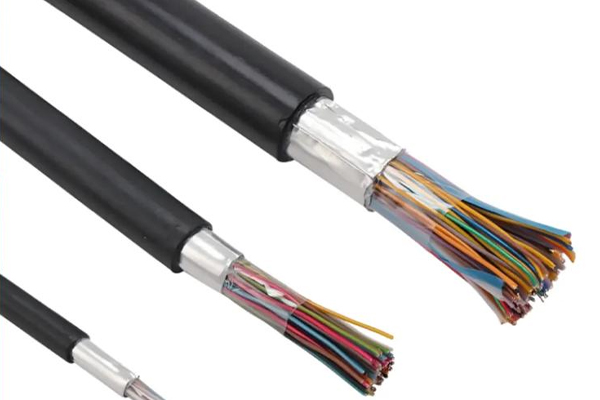
Versatile uses of ePTFE
ePTFE membranes play a main role across a range of industries due to their unique properties. In the medical field, they are utilized for filters in various devices, ensuring sterility and preventing contamination. Their biocompatibility allows for safe use in applications such as wound dressings and implantable devices. In construction, ePTFE membranes are employed in building façades and roofing systems, providing effective waterproofing while allowing ventilation. This characteristic helps maintain structural integrity and indoor air quality. In the automotive sector, these membranes are incorporated into fuel cell technologies and exhaust systems, managing gas diffusion while protecting sensitive components from corrosive elements. The electronics industry benefits from ePTFE’s capabilities in signal integrity; it is used to insulate coaxial cables, reducing signal loss in high-frequency applications. The wide-ranging applications of ePTFE membranes stem from their reliable performance even in challenging environments, making them indispensable across industries requiring durability and efficiency.
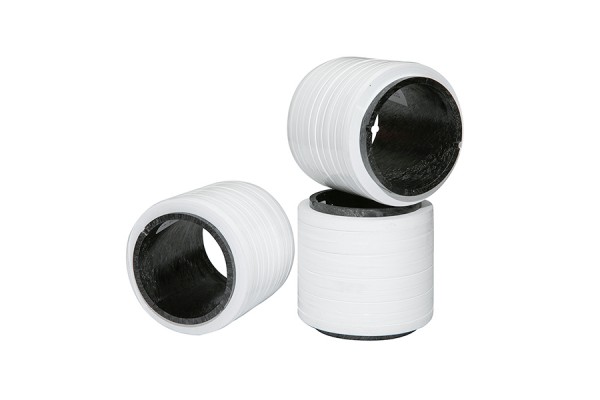
Chemical stability in Action
ePTFE membranes demonstrate exceptional chemical stability across a wide pH range, making them suitable for various applications where exposure to corrosive substances is commonplace. Their inherent resistance to acids, bases, and solvents ensures that these membranes maintain their integrity under harsh conditions. For instance, in filtration applications, ePTFE effectively separates liquids and gases while withstanding the corrosive nature of many industrial chemicals. This reliability extends to environments such as chemical processing plants or laboratories where safety and performance are paramount. In addition, the formulation of ePTFE membranes allows them to endure extreme temperatures without degradation. This property enables their use in industries ranging from electronics to automotive, significantly enhancing the durability of products that rely on these membranes. The result is a combination of long-lasting performance and reduced maintenance needs, enabling manufacturers to rely on ePTFE solutions for consistent quality and efficiency in their operations.
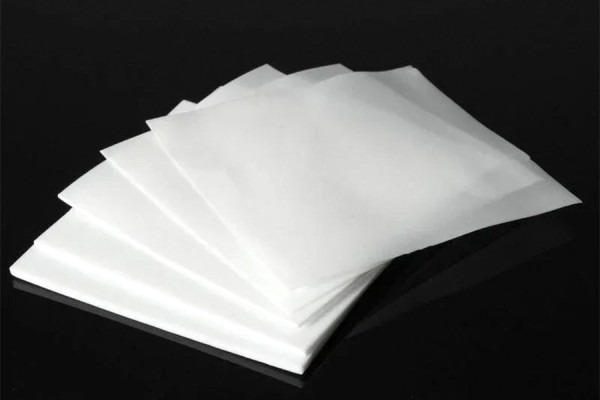
ePTFE in Harsh Environments
ePTFE membranes are engineered to withstand challenging conditions, showcasing their durability in extreme temperatures and varying pH levels. Their robust chemical stability makes them ideal for applications where exposure to aggressive substances is common. In industrial settings, these membranes prevent the ingress of harmful liquids while allowing water vapor to escape, which is important in processes that involve fluctuating pressures and temperatures. By maintaining structural integrity, ePTFE membranes contribute significantly to the safety and longevity of equipment. In contexts such as chemical processing and environmental monitoring, their ability to manage unwanted contaminants enhances reliability and efficiency. Consequently, industries benefit from their application, reducing maintenance needs while ensuring compliance with stringent regulatory standards. The versatility of ePTFE underlines its importance in high-stakes environments, offering solutions that balance performance with resilience against harsh conditions.
Enhancing performance with ePTFE
ePTFE membranes significantly boost the performance of various products due to their unique properties. The excellent chemical stability of ePTFE allows it to maintain functionality in challenging environments, effectively resisting degradation from harsh chemicals and extreme temperatures. This characteristic makes it an ideal choice for applications in industries such as pharmaceuticals and food processing, where product integrity is vital. Moreover, the porous nature of ePTFE facilitates air and vapor transmission without allowing liquid ingress, which is essential for maintaining operational efficiency in equipment like filtration systems and protective devices.
In electronics, ePTFE membranes aid signal transmission by minimizing interference. Their ability to block moisture while being breathable ensures that sensitive electronic components function optimally and last longer. also, devices utilizing ePTFE are often lighter and more compact due to the high performance provided by these membranes. This makes them suitable for modern applications like 5G communication systems, where reliable performance in a small footprint is important. Overall, integrating ePTFE into product design leads to enhanced reliability and longevity across various sectors.
Diverse applications of ePTFE
ePTFE membranes are utilized across a range of industries due to their distinctive characteristics. In the medical field, these membranes enable filtration processes in devices such as surgical instruments and implantable devices, ensuring sterility and safety. The automotive sector employs ePTFE for applications that require both fluid management and sound dampening, contributing to quieter cabin environments and efficient drainage systems. In the construction industry, ePTFE membranes serve as moisture barriers in roofing materials, providing longevity against the elements while allowing vapor to escape.
furthermore, ePTFE is important in the filtration of air and liquids in chemical processing plants, where it withstands corrosive environments while ensuring high levels of efficiency. Its role in electronics is significant as well; ePTFE membranes protect sensitive components from humidity and particulate contamination, thereby enhancing device reliability. The integration of ePTFE across these diverse industries underscores its importance as a solution to meet specific operational demands.
ePTFE’s Role in Electronics
ePTFE membranes serve essential functions in electronic devices by ensuring quick signal transmission while protecting against environmental factors. The structure of ePTFE helps maintain the integrity of high-frequency signals, especially in advanced communication systems like 5G and 6G technologies. This is critical for minimizing signal loss, which can significantly affect performance. also, ePTFE provides a waterproofing layer that safeguards delicate electronic components from moisture, preventing malfunction and extending product lifespan. Its acoustic properties are also useful, reducing sound transmission and enhancing device efficiency in varying conditions. Overall, the adaptability of ePTFE membranes makes them indispensable in the rapidly evolving electronics sector.
Impact of ePTFE on Product Reliability
ePTFE membranes contribute significantly to product reliability across various sectors. Their unique properties, such as high porosity and chemical stability, ensure that they can withstand challenging environments without losing functionality. This durability is essential in applications where exposure to harsh chemicals or extreme temperatures is common. For instance, in the electronics industry, ePTFE membranes protect sensitive components from moisture and contaminants, thus maintaining signal integrity and prolonging device lifespan. In industrial processes, their ability to filter corrosive substances while allowing gaseous exchange enhances operational efficiency and reduces maintenance needs. Furthermore, the consistent quality of ePTFE materials helps manufacturers ensure product performance within specified tolerances, leading to fewer failures and warranty claims. Overall, integrating ePTFE membranes into products can lead not only to improved performance but also instills confidence in users regarding the reliability of their applications.
Conclusion
the use of ePTFE membranes has proliferated across industries due to their reliable performance in various applications. Their inherent chemical stability and ability to withstand harsh environments contribute to their widespread adoption in sectors like electronics, automotive, and medical fields. For example, in electronic devices, ePTFE membranes not only ensure efficient signal transmission but also protect components from moisture and contamination. Similarly, in the medical industry, their biocompatibility supports safe usage in critical applications such as filtration and implants. Furthermore, the incorporation of ePTFE into construction materials aids in maintaining structural integrity against weather elements while ensuring proper ventilation. This versatility illustrates how ePTFE membranes improve product reliability and operational efficiency across diverse settings. As industries continue to evolve, the relevance of ePTFE solutions becomes more pronounced, reflecting a commitment to durability and high performance even under challenging conditions.
FAQs
What are ePTFE membranes?
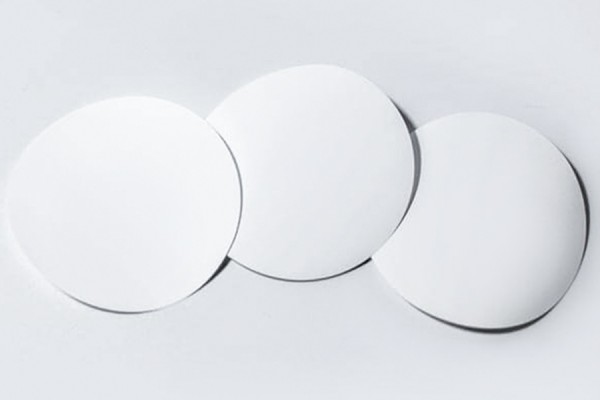
ePTFE membranes are porous, chemically stable materials used across various industries for their unique filtration and barrier properties.
What advantages do ePTFE membranes offer?
They provide high porosity for ventilation, excellent chemical resistance, and the ability to withstand extreme temperatures without degradation.
In which industries are ePTFE membranes commonly used?
ePTFE membranes are utilized in medical devices, construction, automotive applications, and electronics for diverse functionalities.
How do ePTFE membranes improve product reliability?
Their durability under harsh conditions protects sensitive components and improves operational efficiency by minimizing maintenance needs.
Can ePTFE membranes be used in harsh environments?
Yes, they are specifically engineered to endure extreme temperatures and aggressive chemicals, making them suitable for challenging applications.