main Takeaways
PTFE wrapping tape helps optimize performance in high-speed transmission lines. It offers low dielectric loss and stable thermal performance, keeping signals clear and data transfer reliable across conditions. The material resists moisture and chemicals, extending cable life and preserving integrity. It’s widely used in telecommunications, aerospace, and automotive. PTFE is non-toxic, so it can be used in medical devices without safety concerns. These traits make PTFE wrapping tape a solid option for today and for upcoming tech shifts, helping data transmission stay efficient and secure.
High-Speed Performance with PTFE
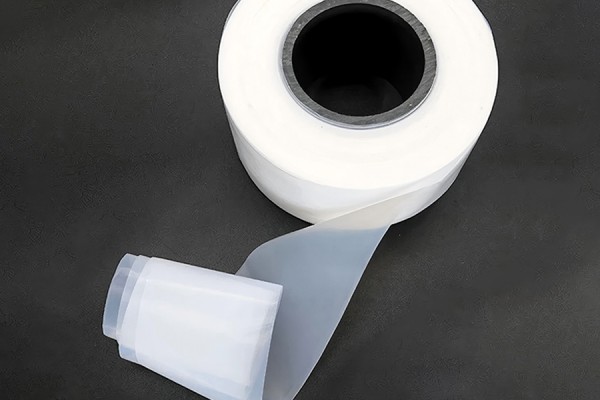
High-speed transmission line PTFE wrapping tape is designed to meet the demands of modern communication systems. Its low dielectric loss supports efficient signal transmission, making it suitable for high-frequency uses. PTFE wrapping tape offers strong insulation that holds up under extreme conditions, an essential trait for military, aerospace, and telecommunications contexts. The tape is flexible and strong, so it fits various shapes without sacrificing insulation. DAC high-speed cable wrapping film and AEC high-speed cable wrapping film are specifically engineered to boost performance in demanding environments, ensuring that data integrity remains intact during transfer. As technologies advance, PTFE remains a versatile option for improving data transmission quality across industries. The versatility of PTFE cable wrap keeps pace with trends in data communication and device interconnectivity.
Advanced PTFE Tape Benefits
"PTFE’s non-toxicity makes it usable in medical devices and electronic settings."
PTFE wrapping tape offers notable advantages that significantly improve cable performance. Its high insulation properties reduce the risk of signal loss, making it essential for reliable data transmission. The tape’s soft texture facilitates easy wrapping without compromising insulation.
"PTFE’s non-toxicity makes it usable in medical devices and electronic settings."
Its flame resistance adds a layer of safety in heat-prone environments. Coupled with excellent thermal resistance, it withstands extreme temperature fluctuations, keeping performance steady in demanding conditions. Furthermore, the tape resists chemical corrosion, extending cable life. PTFE is especially beneficial where electromagnetic interference must be minimized. By providing shielding against EMI, it helps protect signals in dense electronic environments. Industries that rely on clean data transmission stand to gain from these features.
Maximizing insulation capabilities
PTFE wrapping tape is engineered to deliver exceptional insulation in high-speed transmission lines, ensuring that data remains clear and free from interference. The chemical structure of PTFE allows it to resist moisture and prevent unwanted voltage leakage, which can significantly disrupt signal integrity. In environments with high electromagnetic interference, PTFE’s inherent properties act as a barrier, providing reliable protection for sensitive components. This tape maintains its insulating capabilities across a wide temperature range, effectively supporting applications that demand consistent performance under varying conditions. Furthermore, PTFE’s non-stick surface prevents build-up of debris and contaminants, which can degrade insulation quality over time. As speeds rise, insulation solutions like PTFE wrapping tape remain critical to keeping systems efficient. Durability and high dielectric strength help PTFE winding improve safety and extend the life of critical electronic systems in telecom and aerospace.

new Materials for Cables
New materials, including High-speed transmission line PTFE wrapping tape, are changing how cables are built to support faster transmission. PTFE’s unique properties, such as chemical resistance and thermal stability, make it suitable for various environments and applications. Modern cables coated with this tape show greater durability and can withstand harsh conditions without losing performance. Moreover, the tape’s flexibility makes installation easier, which helps in sectors like telecommunications and aerospace. This material meets current standards and adapts to rising data rates and lower signal loss. As industries evolve, adopting these new materials becomes important for better cable performance.
PTFE Solutions for Industries
PTFE wrapping tape serves many industries thanks to its standout properties.
- In aerospace, it insulates critical wiring to keep things safe and reliable in harsh environments.
- In automotive manufacturing, its thermal and chemical resistance supports wiring in electric and hybrid vehicles, addressing heat-related safety.
- In medicine, non-toxicity and chemical resistance make it suitable for patient monitors and surgical tools.
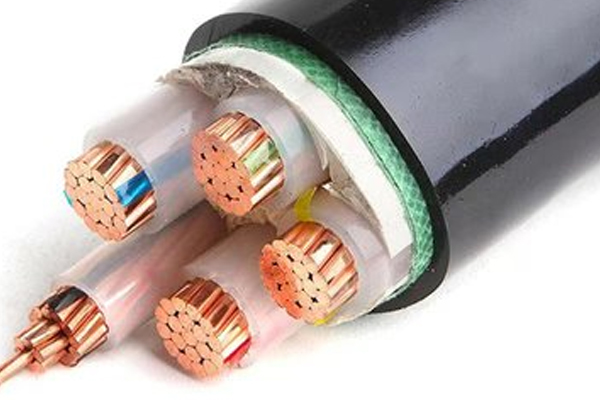
- The telecommunications sector also uses this tape on coaxial cables to reduce signal loss and improve communication quality.
Its versatility enables it to handle industry-specific challenges and boost performance across various applications.
Enhancing data transmission quality
PTFE wrapping tape helps improve data transmission quality, especially in high-speed lines. Its low dielectric loss minimizes signal degradation, enabling clearer data transfer in high-frequency setups. As electronics and communications advance, demand for materials that support higher bandwidths increases. PTFE’s insulation properties reduce interference, helping maintain signal integrity in noisy environments. Its thermal resistance helps preserve performance under changing temperatures, preventing dips due to heat. Using PTFE wrapping tape in cable designs leads to more efficient communication systems. This supports better operations across telecommunications and aerospace. PTFE meets the future needs of faster data transmission standards.
Versatile applications of PTFE
PTFE wrapping tape serves many sectors thanks to its properties.
- In telecom, it helps signal transmission stay efficient and keeps high-speed data cables performing well.
- In medicine, non-toxicity and chemical resistance make PTFE suitable for patient monitors and surgical tools.
- In automotive manufacturing, its thermal stability supports wiring in electric vehicles, addressing heat-related safety.
- In aerospace, PTFE films are used in wire insulation to protect against extreme conditions.
- As demand grows for high-frequency use, ePTFE plays a larger role in RF cables for 5G networks.
Each use case relies on PTFE’s strengths, proving its adaptability across fields.
Conclusion
PTFE wrapping tape on high-speed lines helps keep data transfer reliable across industries. Its properties, including low dielectric loss and strong thermal resistance, support signal integrity. It reduces interference from electromagnetic noise and delivers solid insulation, helping systems run smoothly even in tough conditions. In telecom, aerospace, and automotive, PTFE wrapping solutions meet the demand for performance and safety. As technology moves forward, PTFE remains a relevant choice. Its ability to stand up to extreme environments while protecting wiring highlights the need for good insulation in modern setups. As communication tech evolves, PTFE wrapping tape plays a key role in meeting future needs for speed and reliability in data transmission systems.
FAQs
What is PTFE wrapping tape used for?
PTFE wrapping tape is primarily used to insulate high-speed transmission lines in various industries, ensuring reliable data transmission and protection against heat and chemical exposure.
How does PTFE wrapping tape boost data transmission?
Its low dielectric loss minimizes signal degradation, allowing for clearer data transfer in high-frequency setups.
Is PTFE wrapping tape suitable for extreme environments?
Yes, PTFE maintains performance across a wide temperature range, making it effective in extreme conditions typically found in aerospace and automotive applications.
Can PTFE wrapping tape resist chemical exposure?
Yes, PTFE has excellent chemical resistance, protecting cables from potential damage due to environmental factors and prolonging their lifespan.
How does the installation of PTFE wrapping tape affect cable performance?
The tape’s flexibility lets you wrap around different shapes without compromising insulation, ensuring optimal performance.