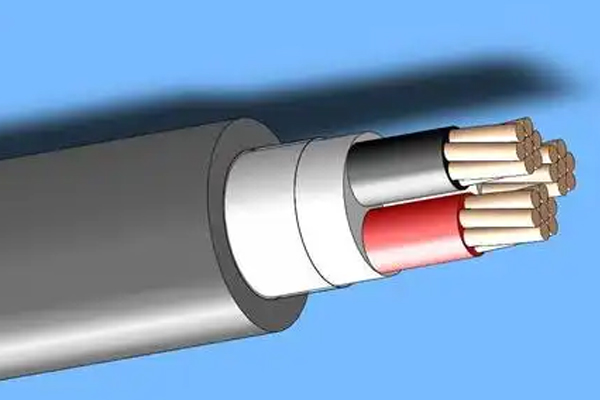
main Takeaways
Teflon film stands out in industrial applications due to its chemical resistance, thermal stability, and mechanical toughness. Its ability to resist aggressive chemicals ensures that it remains effective in harsh environments, reducing the risk of material degradation. This is important in sectors like pharmaceuticals and food processing, where maintaining product integrity is paramount. The thermal stability of Teflon film allows it to perform reliably during extreme temperature fluctuations, protecting other components from damage. Furthermore, its mechanical toughness means it can endure physical stress without losing functionality, making it suitable for demanding applications. These attributes not only boost the operational life of products but also lead to lower maintenance costs and increased efficiency in manufacturing processes. The continued use of Teflon film across various industries highlights its essential role in supporting original advancements while meeting operational demands effectively.
original Uses of Teflon Film
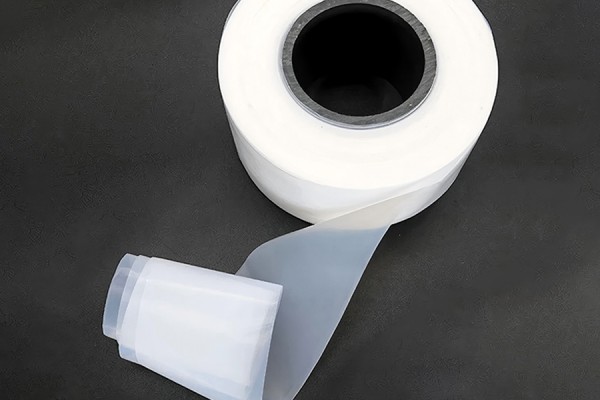
Teflon film is noted for its versatility across various industrial applications. Its chemical resistance allows it to be utilized in environments where it encounters aggressive substances, making it a natural choice for PTFE Thread Seal Tape and PTFE cable wrapping tape. This film’s thermal stability ensures safe performance in high-temperature settings, which is essential for DAC high-speed cable wrapping film and similar products designed to withstand heat without degrading. The mechanical toughness of Teflon film further contributes to its appeal, as seen in products like high speed transmission line PTFE wrapping tape, which maintains integrity under stress. Moreover, the durability provided by PTFE cable roll coating presents advantages in manufacturing processes that require reliable materials to ensure efficiency and longevity. As industries evolve and require more original solutions, Teflon film remains a important player across diverse sectors, including electronics and construction.
"Choosing the right tape or film can significantly affect both performance and longevity in industrial applications."
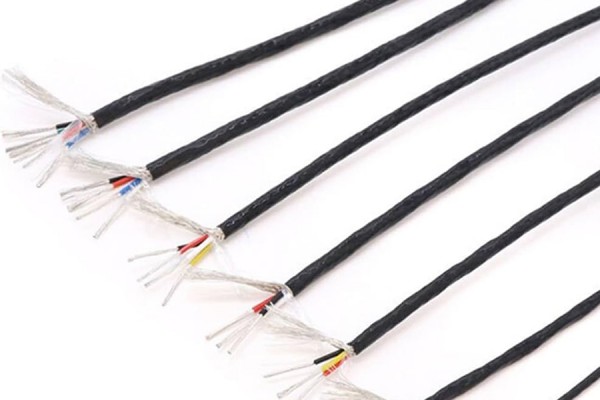
Teflon film’s Chemical Resistance
Teflon film demonstrates outstanding chemical resistance, making it an ideal choice for various industrial applications. It can withstand exposure to a wide range of corrosive substances, including strong acids and bases. This attribute ensures that Teflon film maintains its integrity and functional properties even in harsh environments where other materials might deteriorate. Its non-reactive nature prevents chemical bonding, reducing the risk of contamination in sensitive processes. Industries such as pharmaceuticals and food processing particularly benefit from this quality, as it safeguards product purity and complies with strict regulatory standards. By utilizing Teflon film in manufacturing settings, companies can minimize downtime and maintenance costs associated with material degradation, ultimately enhancing operational efficiency. This chemical stability also opens the door to original designs where traditional materials would fail, enabling advancements in product development across various sectors.
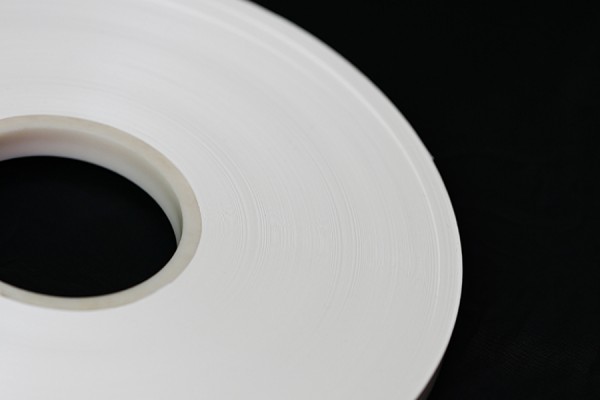
Thermal stability in Teflon Film
Teflon film exhibits impressive thermal stability, remaining effective across a broad range of temperatures. Its operational capacity typically spans from -268°C to 260°C, allowing it to function reliably in both cryogenic and high-heat environments. This resilience makes it suitable for applications such as insulation in high-temperature electrical components and protective coatings for parts that encounter extreme conditions. The absence of melting at elevated temperatures ensures that Teflon maintains its structural integrity without deformation, making it an ideal candidate for manufacturing processes that require ongoing exposure to heat. Furthermore, this stability contributes to prolonged product life cycles, as Teflon film resists degradation over time, reducing the need for frequent replacements in industrial settings. As businesses seek materials that can withstand fluctuating temperatures without compromising performance, Teflon film stands out as a dependable option that meets these demands effectively.
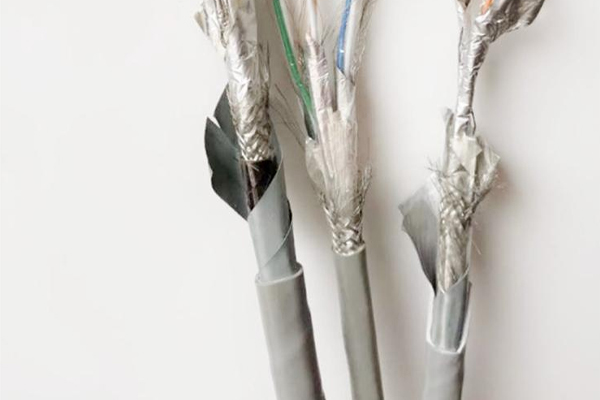
Mechanical toughness of Teflon Film
Mechanical toughness is a vital attribute of Teflon film, which contributes significantly to its functionality in various industrial applications. Teflon film exhibits high resistance to impact and tensile stress, allowing it to withstand harsh conditions without compromising its structural integrity. This toughness makes it suitable for use in environments subject to fluctuations in temperature and pressure. Its ability to maintain performance under mechanical strain ensures that products made with Teflon film experience longer life cycles and reduced downtime. Industries that require reliable components rely on Teflon film for gaskets, seals, and insulators where durability is critical. This resilience not only minimizes maintenance costs but also enhances the overall efficiency of manufacturing processes.
Boosting efficiency with Teflon
Teflon film is instrumental in streamlining various industrial processes due to its unique properties. Its low friction coefficient significantly reduces wear and tear on machinery, leading to less maintenance and downtime. Industries using Teflon film in conveyor systems often experience smoother operations, which can translate to higher throughput rates. furthermore, the chemical resistance of Teflon allows it to withstand harsh environments without degrading, ensuring that industrial equipment operates reliably over extended periods.
In applications such as heat sealing and laminating, Teflon film enhances production speed by allowing quick processing without compromising product quality. The thermal stability of Teflon ensures that it maintains integrity across temperature fluctuations typical in manufacturing environments.
| Property | Benefit |
|---|---|
| Low Friction | Reduces wear on machinery |
| Chemical Resistance | Withstands harsh environments |
| Thermal Stability | Maintains integrity during temperature changes |
The use of Teflon film thus not only supports but actively boosts operational efficiency across multiple manufacturing sectors.
Teflon film in Manufacturing
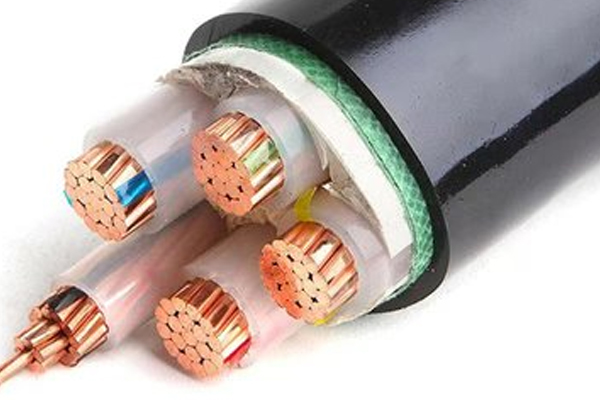
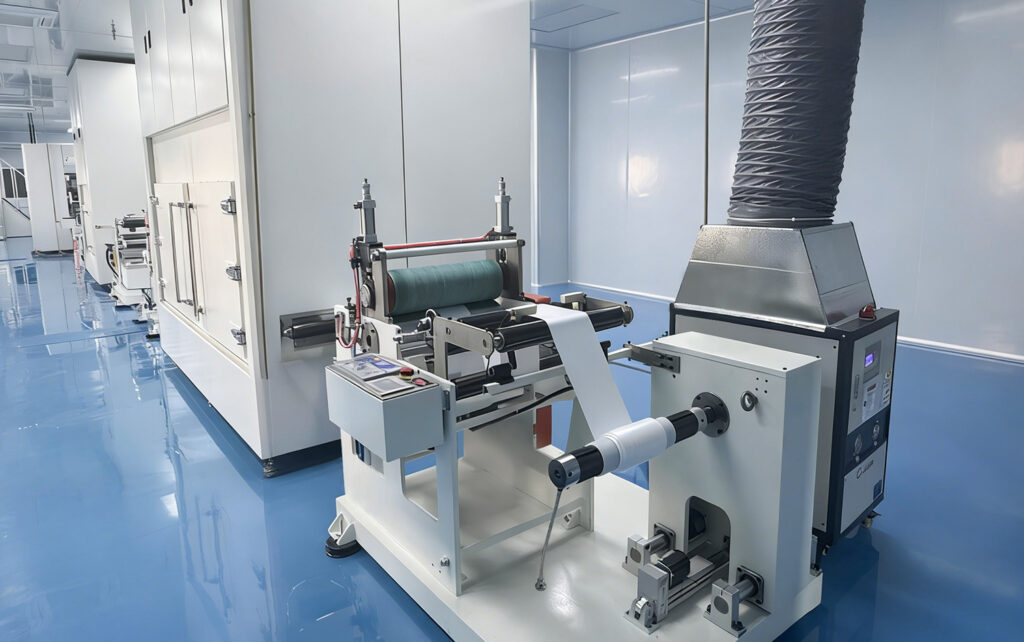
Teflon film plays a significant role in manufacturing processes due to its remarkable properties. Its chemical resistance prevents degradation when exposed to harsh substances, making it ideal for applications in industries such as aerospace, automotive, and electronics. The film’s thermal stability ensures that it can withstand extreme temperatures without losing its integrity, which is vital for processes involving heat exposure. Moreover, its mechanical toughness provides durability against wear and tear, especially in environments where equipment is subject to frequent movement or friction. Manufacturers utilize Teflon film for insulating wires and cables, lining tanks and pipes, and creating non-stick surfaces for production tools. By incorporating Teflon film, companies can improve operational efficiency, reduce maintenance costs, and extend the lifespan of machinery.
Applications of Teflon Film
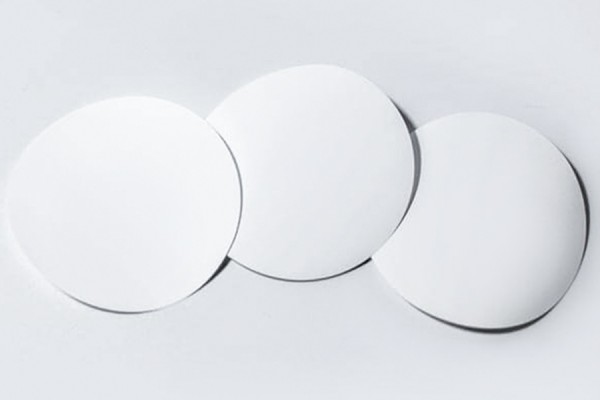
Teflon film is widely utilized across various industrial sectors due to its unique properties. In electrical applications, the film acts as an insulating layer, providing electrical reliability and protecting components from moisture and contaminants. Its chemical resistance makes it ideal for use in the pharmaceutical and food industries, where it helps maintain product purity by preventing reactions with packaging materials. In manufacturing environments, Teflon film is used as a non-stick surface for molds and machine components, aiding in the smooth release of products and reducing downtime for cleaning. also, in the aerospace sector, Teflon film can be found in applications that require lightweight materials with high-performance characteristics, improving fuel efficiency while ensuring durability. Its versatility extends to printing technologies as well, where it plays a role in producing high quality graphics without adhesive failure.
Advantages of Teflon in Industry
Teflon film offers significant benefits in industrial applications due to its unique properties. Chemical resistance is one of the most critical advantages, allowing it to withstand harsh environments and corrosive substances. This makes Teflon film ideal for use in chemical processing, where it can protect equipment and extend the lifespan of components. Its thermal stability is another important trait; Teflon maintains its integrity across a wide temperature range, making it suitable for applications that involve extreme heat or cold. Furthermore, Teflon’s mechanical toughness ensures durability under stress, making it a reliable choice for various manufacturing processes. These advantages contribute to operational efficiency by reducing maintenance costs and increasing the reliability of production systems. Effectively, Teflon film can boost overall productivity across multiple sectors, from food processing to aerospace manufacturing.
Conclusion
teflon film stands out as a versatile material in industrial applications due to its unique properties of chemical resistance, thermal stability, and mechanical toughness. These attributes allow it to perform effectively in challenging environments, ensuring the integrity and longevity of products. Industries such as aerospace, automotive, and pharmaceuticals benefit from Teflon film’s ability to withstand harsh conditions while maintaining reliability. Its role in enhancing manufacturing efficiency is evident, with reduced maintenance needs and smoother operations seen in various processes. As industrial requirements evolve, Teflon film remains a helpful solution that supports innovation and operational resilience across sectors. stressing its application potential provides insights into how businesses can leverage this material to meet growing demands while ensuring performance and safety standards.
FAQs
What is Teflon film used for?
Teflon film is commonly used in applications requiring chemical resistance, thermal stability, and mechanical toughness across various industries such as aerospace, automotive, and electronics.
Why is chemical resistance important for Teflon film?
Chemical resistance prevents degradation when exposed to harsh substances, ensuring product integrity and compliance with safety standards in sensitive environments.
Can Teflon film handle high temperatures?
Yes, Teflon film maintains its structural integrity across a wide temperature range, typically from -268°C to 260°C.
How does Teflon film boost efficiency in manufacturing?
Its low friction properties reduce wear on machinery, minimizing maintenance needs and downtime while improving operational throughput.
Is Teflon film environmentally friendly?
While Teflon film is durable and long-lasting, its production and disposal need to be managed correctly to reduce environmental impact.
What role does mechanical toughness play in Teflon film applications?
Mechanical toughness allows Teflon film to withstand impact and stress without losing performance, making it ideal for high-demand industrial environments.
How does Teflon film contribute to product safety in food processing?
Teflon’s non-reactive nature ensures that it does not leach harmful substances into food products, maintaining purity and complying with strict regulations.
Can Teflon film be recycled?
Recycling options for Teflon are limited; however, some facilities can process it under specific conditions. Check local guidelines for disposal options.