
important Takeaways
ePTFE membranes represent a fusion of innovation and practicality that enhances their role in various sectors. Their distinctive properties, including breathability and water resistance, make them indispensable for maintaining optimal conditions in electronics and healthcare applications. In electronics, they protect sensitive components while enabling high-speed data transfer, significantly contributing to device reliability. In healthcare, ePTFE’s biocompatibility supports its use in critical medical devices, ensuring patient safety and effective treatment outcomes. Moreover, the membranes’ efficacy in filtration systems supports environmental sustainability efforts while ensuring clean air and water. The versatility that ePTFE membranes offer illustrates their importance across multiple industries, making them critical to technological advancement and environmental protection. Insights into their original uses reveal the fundamental role of ePTFE in driving efficiencies necessary for modern challenges.
ePTFE Membrane Advantages
ePTFE membranes offer numerous advantages, making them highly desirable across various industries. Their unique microporous structure allows for exceptional breathability while preventing water intrusion, which is vital in applications requiring moisture control. This characteristic is particularly important in electronics, where maintaining a dry environment ensures optimal performance and longevity of components. Their chemical resistance contributes to durability, standing up to harsh environments without degrading.
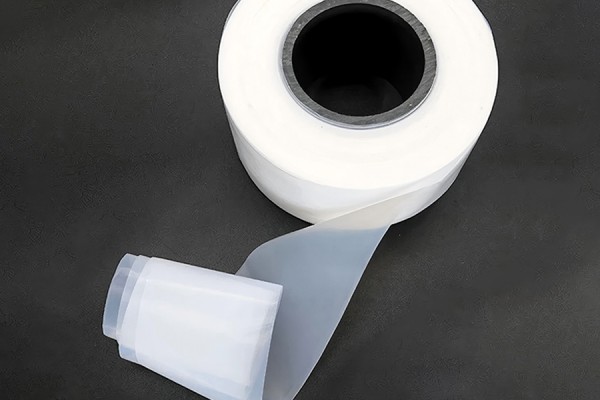
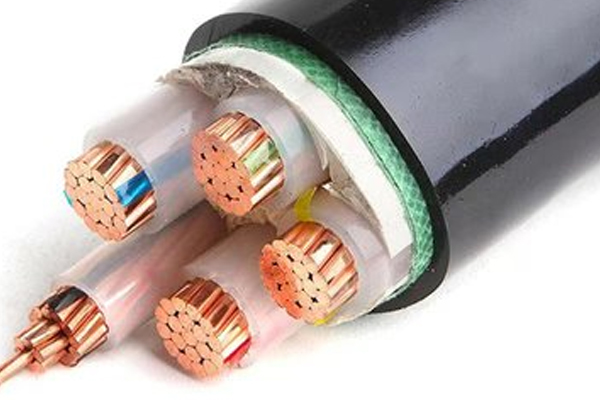
Moreover, ePTFE membranes play a significant role in high-speed transmission lines, providing insulation and protection to cables. The use of high speed transmission line PTFE wrapping tape and PTFE cable wrapping film enhances the reliability of these systems by minimizing signal loss and ensuring optimal transmission efficiency. furthermore, their lightweight nature allows for reduced overall weight in construction without sacrificing strength, making them suitable for use in aerospace and automotive applications. As industries seek more efficient materials, ePTFE continues to meet these demands through its new properties and versatility.
new Uses of ePTFE
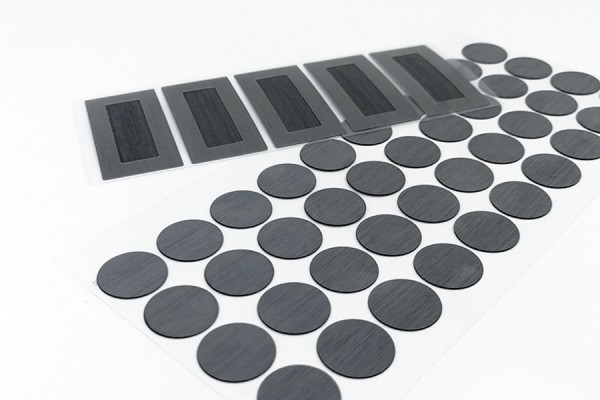
ePTFE membranes are making significant impacts across various sectors due to their unique properties. In the electronics field, these membranes provide essential insulation for 5G and 6G cables, ensuring high-speed data transmission while minimizing signal loss. They also serve as protective barriers in semiconductor manufacturing, allowing for high precision in sensitive environments.
In healthcare, ePTFE is utilized in advanced wound dressings and artificial blood vessels, benefiting from its biocompatibility and resistance to bodily fluids. This material helps in maintaining a controlled environment for recovery processes.
Environmental applications are equally important; ePTFE membranes are used in industrial dust collection and water treatment systems, improving air and water quality by effectively filtering contaminants.
"The versatility of ePTFE clearly demonstrates its potential across diverse applications."
This structural marvel’s three-dimensional porous design not only allows for ventilation but also ensures that important functions like pressure regulation are maintained, making ePTFE a important component in modern manufacturing solutions.
ePTFE in Electronics
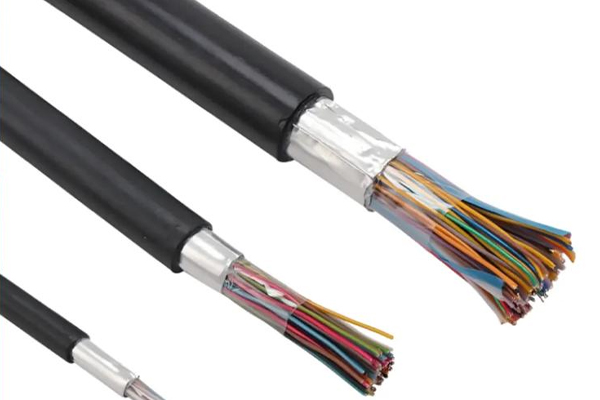
ePTFE membranes play a vital role in the electronics industry, particularly due to their ability to manage environmental factors effectively. These membranes serve as insulating layers for high-speed 5G and 6G cable applications. Their low dielectric properties ensure minimal signal loss while maintaining efficient operation in rigorous conditions. In semiconductor manufacturing, ePTFE assists in protecting sensitive components from moisture and dust, contributing to the reliability of electronic devices. Furthermore, sound transmission in consumer electronics like smartphones benefits from the microporous architecture of ePTFE; it allows sound waves to pass while safeguarding against water damage. The lightweight nature of these membranes aids in reducing the overall weight of electronic devices without compromising performance, making them invaluable for modern technology advancements. With continuous innovation, ePTFE membranes are set to boost functionality and durability across a range of electronic applications.
Health applications of ePTFE
ePTFE membranes are increasingly vital in healthcare due to their unique properties. Their biocompatibility makes them suitable for medical implants, such as artificial blood vessels, which require materials that do not provoke an immune response. also, ePTFE membranes are utilized in wound dressings that promote healing while keeping the area moist and free from external contaminants. In applications involving drug delivery systems, the permeability of ePTFE allows for controlled release while protecting sensitive compounds from degradation. These membranes also play a role in surgical instruments by reducing friction and ensuring precision during procedures. Their ability to filter while allowing gas exchange is important in devices like respiratory aids, ensuring users receive adequate oxygen without the risks associated with bacteria or viruses. This versatility positions ePTFE as a important material in developing advanced medical technologies that prioritize patient safety and treatment efficacy.
Environmental benefits of ePTFE
ePTFE membranes contribute significantly to environmental sustainability. Their robust structure allows for effective water and air filtration, enhancing water treatment processes and reducing pollution in industrial applications. With a low environmental impact during production, ePTFE is recyclable, which helps decrease waste in various sectors. The membranes are integral to air filtration systems that trap harmful particles and toxins, promoting cleaner air. In the renewable energy sector, ePTFE membranes are used in lithium battery vents, which support the efficient release of gases and reduce the risk of battery failure. This innovation not only improves the safety and longevity of batteries but also aligns with global efforts toward cleaner technologies. As industries seek greener solutions, incorporating ePTFE membranes presents a practical approach to improve environmental protection while improving overall product performance across diverse applications.
ePTFE: A Structural Marvel
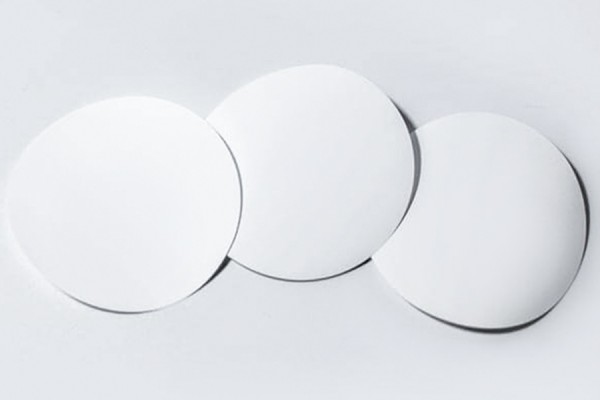
ePTFE membranes exemplify advanced engineering, showcasing a unique three-dimensional porous structure that contributes to their noteworthy strength and flexibility. The membrane’s microporous nature allows for efficient gas exchange while retaining water resistance, making it ideal across various applications. This combination of properties is essential for electronics, where ePTFE helps maintain the integrity of sensitive components under varying conditions. In healthcare, its biocompatibility and ability to facilitate physiological interactions improve its utility in devices like artificial blood vessels. The robustness of ePTFE also supports environmental applications, where it acts effectively in filtration systems, capturing pollutants while allowing clean air to flow. Its adaptability ensures that ePTFE performs reliably in extreme environments, establishing itself as a go-to material in both industrial and consumer products. This strategic combination of breathability and strength positions ePTFE as a significant player in modern material science, addressing the demanding needs across multiple sectors.
Breathability in ePTFE Designs
The unique structure of ePTFE membranes plays a significant role in their exceptional breathability. With a pore size that allows water vapor to escape while blocking larger water droplets, these membranes offer a practical solution for various applications. This characteristic is essential in environments where moisture control is critical, such as in personal protective equipment and outdoor gear. The three-dimensional porous architecture of ePTFE not only facilitates air circulation but also ensures that harmful gases can vent safely. In electronics, the breathability of ePTFE membranes enables moisture mitigation, preserving the integrity of sensitive components. also, in medical applications, breathability contributes to comfort and safety in devices like wound dressings and surgical products, allowing them to maintain a sterile barrier while preventing moisture buildup. The effective design of ePTFE enhances overall product performance by matching the demands of diverse environments with reliable breathability features.
ePTFE Membranes in Manufacturing
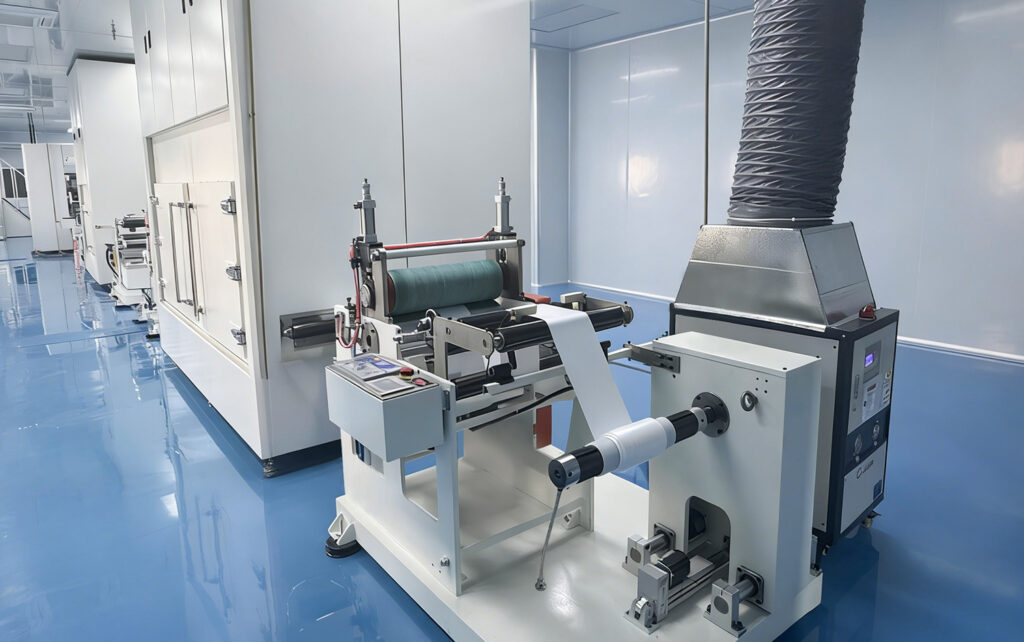
ePTFE membranes play a vital role in various manufacturing processes. Their resistance to extreme temperatures and chemical exposures makes them suitable for high-demand environments. In the electronics sector, ePTFE membranes are used for protective insulation in circuit boards, enabling device longevity and durability. For industrial applications, these membranes serve as essential barriers in filtration systems, capturing harmful particulates while allowing airflow.
Moreover, in the automotive industry, ePTFE membranes can be found in components designed for noise control and pressure regulation. Their microporous structure allows sound waves to pass through without compromising the waterproofing capabilities essential for exterior applications. ePTFE also contributes to renewable energy manufacturing by acting as a safety venting solution for lithium-ion batteries, preventing hazardous gas accumulation while ensuring optimal performance. The adaptability of ePTFE across various manufacturing sectors underscores its importance as a cutting-edge material that enhances product reliability and safety.
Conclusion
ePTFE membranes demonstrate remarkable versatility and functionality across a range of industries. Their unique properties, such as excellent breathability and water resistance, make them suitable for critical applications in electronics, healthcare, and environmental sectors. In electronics, ePTFE membranes protect sensitive components while facilitating high-speed data transmission. The healthcare sector benefits from their biocompatibility, utilizing these membranes in advanced medical devices and wound care. Environmental applications display ePTFE’s role in air and water filtration systems, supporting sustainability goals by enhancing purification processes. Overall, the continued innovation and application of ePTFE membranes point out their significance in modern material science, addressing the evolving needs of various industries while contributing to improved product performance and safety.
FAQs
What are ePTFE membranes used for?
ePTFE membranes are used in various applications including electronics for insulation, healthcare for medical devices, and environmental sectors for filtration systems.
How do ePTFE membranes improve breathability?
Their unique microporous structure allows water vapor to escape while blocking larger water droplets, facilitating effective moisture control.
Are ePTFE membranes safe for medical use?
Yes, ePTFE membranes are biocompatible and used in medical applications such as wound dressings and artificial blood vessels.
What industries benefit most from ePTFE technology?
Electronics, healthcare, environmental protection, automotive, and aerospace industries greatly benefit from the unique properties of ePTFE membranes.
Can ePTFE membranes be recycled?
Yes, ePTFE membranes have low environmental impact during production and can be recycled to reduce waste across various sectors.
How do ePTFE membranes contribute to sustainability?
They improve air and water quality through effective filtration while being recyclable, supporting efforts for environmentally friendly manufacturing practices.
What makes ePTFE different from traditional PTFE?
ePTFE is expanded to create a porous structure that enhances breathability and moisture management, unlike traditional PTFE which is dense and non-porous.
Do ePTFE membranes have any chemical resistance?
Yes, they exhibit high chemical resistance which makes them durable in harsh environments without degrading performance.