Main Takeaways
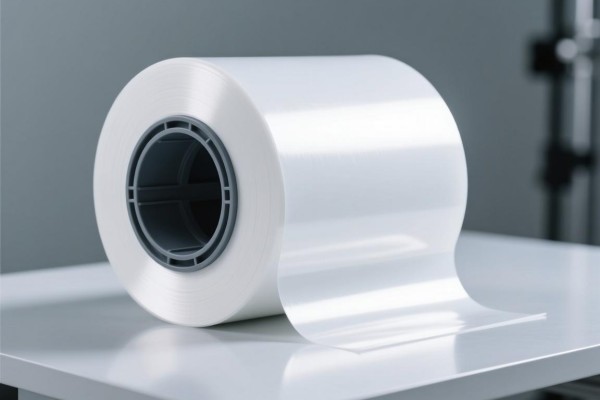
Teflon film is a useful material in modern manufacturing. Its low-friction surface keeps machines moving more smoothly, and its release properties help parts separate cleanly instead of sticking. That means less waste, less cleanup, and fewer annoying pauses on the line. It also holds up well under heat and chemicals, so equipment can keep running in rough conditions with less attention from maintenance crews. Automotive and electronics teams use it to protect parts and stretch service life. The material is light, which helps where energy use matters. In practice, it gives manufacturers a way to tighten up operations without spending more on repairs and downtime.
Applications of PTFE Film
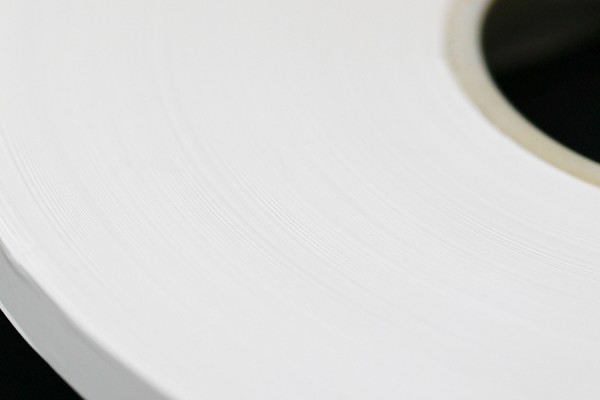
PTFE film is used in a lot of places because it handles problems other materials struggle with. In electronics, high-speed transmission line PTFE wrapping tape supports insulation and helps keep signal loss in check in telecom work. The same material shows up as PTFE wrapping film for wires and components that need protection from heat and abrasion. In plumbing, PTFE Thread Seal Tape helps form tight seals and cuts down on leaks in pipe joints. For cable management, PTFE cable wrapping tape gives cables a light, tough layer that helps them last longer in harsh conditions. DAC high-speed cable wrapping film and AEC high-speed cable wrapping film are used in advanced electrical cable production, where stable performance matters at high frequencies. PTFE cable roll coating adds another layer of defense against outside conditions. Manufacturers keep turning to these PTFE-based options because they make production less fussy and less prone to stoppages.
Benefits of PTFE in Manufacturing
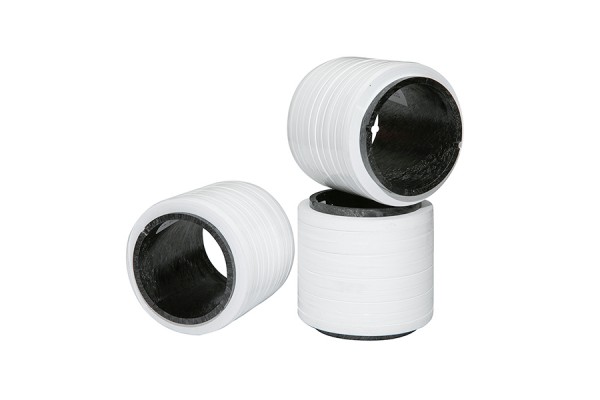
PTFE film brings a few clear advantages to manufacturing. Its non-stick surface keeps material from clinging to tools and parts, so finished pieces come away cleanly and waste stays lower. That shortens production runs and cuts the kind of downtime everyone complains about. PTFE also lasts well in jobs that involve sealing or insulation, which means fewer replacements and lower costs. It handles heat and harsh chemicals without giving up, so it fits a wide range of industrial settings. Its low friction coefficient helps machines run more efficiently, especially when speed matters. Put it into a process, and you usually get better output, lower upkeep, and equipment that lasts longer.
PTFE Film and Industry
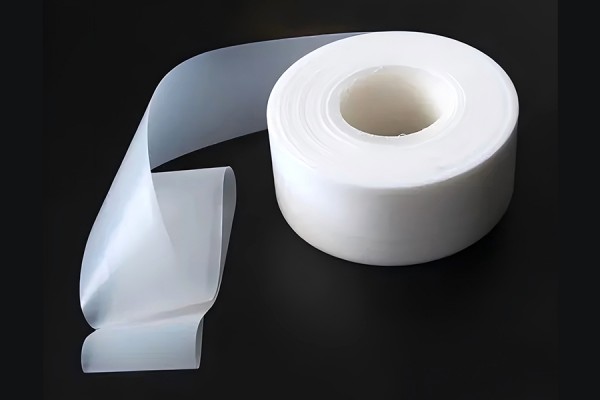
PTFE film has a real place in modern industry. It resists heat, chemicals, and electricity, which makes it useful in places where ordinary materials fail fast. In electronics manufacturing, it often acts as insulation for wiring and components, keeping things dependable in demanding setups. The automotive sector uses it for its low-friction surface, which cuts wear and helps key parts last longer.
"Using PTFE film in manufacturing can cut maintenance bills over time, sometimes by a lot."
Packaging plants rely on it for coating layers and for keeping contamination out. In food production, its non-stick surface saves time and reduces material loss. As companies keep pushing into newer processes, the uses for PTFE film keep expanding, and that makes sense. It is one of those materials that quietly solves a lot of annoying problems.
Durability with Teflon
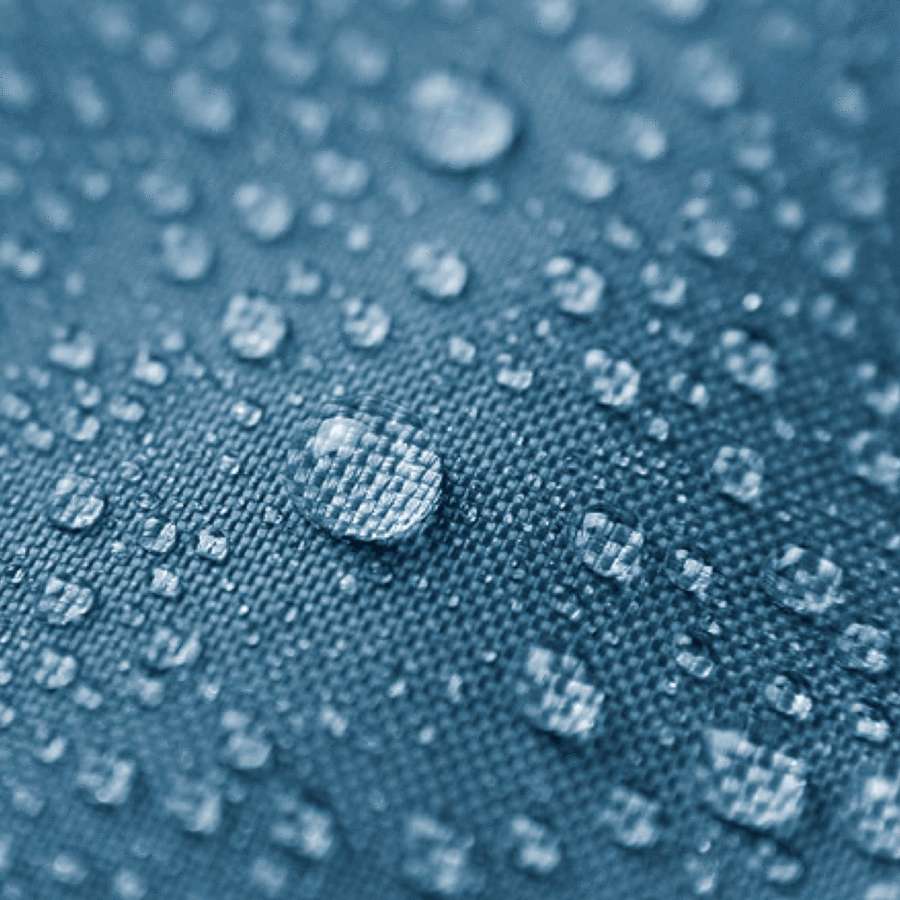
Teflon is known for lasting through rough conditions in manufacturing. It resists chemicals well, so it helps protect machinery and parts from corrosive exposure. That gives tools and equipment a longer life and reduces how often they need replacing. Its non-stick surface also makes cleaning less painful, which lowers surface wear. Where abrasion is a problem, it works as a solid barrier against damage. It stays stable at high temperatures too, which is why so many industries keep using it when things get hot and messy. Put together, these traits make it a practical part of production, not some niche add-on.
Reducing friction: PTFE Use
PTFE film is widely used because it keeps friction low. That makes it a good fit for many manufacturing jobs. Its non-stick surface cuts wear on equipment and parts, which helps them last longer and keeps maintenance down. It is especially useful anywhere parts slide past each other or where a process needs as little resistance as possible. Automotive, aerospace, and electronics teams use it for exactly that reason. In conveyor systems, for example, PTFE film reduces drag and helps the line move faster. It also holds up in extreme temperatures without falling apart, so performance stays steady when conditions get rough. When manufacturers build it into machines and tools, they usually get smoother operation and lower energy loss.
Manufacturing Solutions
PTFE film plays a useful role in modern manufacturing because it deals with a few common headaches at once. It resists high temperatures and stays chemically stable, so it works well for insulating electrical parts and shielding sensitive machine components. Its non-stick surface makes cleaning and maintenance less of a chore, which keeps production from stalling. In automated systems, it cuts friction between moving parts and helps slow down wear. The material is light too, so it can reduce energy use in some setups. Companies are using it more often in conveyor belts and packaging materials because it helps systems run more smoothly and keeps equipment working longer. In plain terms, it solves problems without making a scene, which is usually what good materials do.
PTFE Film in Production Processes
PTFE film plays a useful role in production because it keeps materials from sticking and tearing as easily. Its heat resistance lets it work in high-temperature settings, which is why it shows up in conveyor belts and insulation coatings. In machining, it lowers friction between parts, so machines run more smoothly and last longer. It also resists chemicals, which helps protect equipment from corrosive exposure. Industries use it for its light weight in areas like aerospace parts and food processing equipment. That flexibility helps manufacturers keep operations moving and lowers maintenance costs while protecting product quality.
Maximizing performance with PTFE
PTFE film matters in modern manufacturing because it brings a set of practical traits that solve real problems. Its low friction coefficient reduces wear in machinery and helps equipment last longer. The non-stick surface keeps materials from clinging during production, which makes workflows smoother and cuts maintenance interruptions. Its chemical resistance suits places where harsh substances are part of the job, so processes can keep going without constant cleanup. It also handles high heat well, which matters in industries that need materials to stay stable under heavy thermal stress. As manufacturers look for ways to get more out of their equipment while keeping costs down, PTFE film often makes the cut in automotive, aerospace, and similar fields. It is one of those choices that feels boring until you see how much trouble it saves.
Conclusion
the use of PTFE film in manufacturing changes how a lot of industries work by making equipment more reliable and less temperamental. Its low friction and durability improve machine performance and help raise productivity. Manufacturers trying to tighten up their operations often reach for PTFE because it handles rough conditions without much drama. It cuts maintenance costs, helps equipment last longer, and fits sectors like electronics, automotive, and food processing. More companies are adopting PTFE-based materials because efficiency and waste reduction matter more than ever. As manufacturing keeps shifting, this material will probably stay part of the conversation, especially where heat, wear, and chemical exposure are everyday problems.
FAQs
What is Teflon film used for in manufacturing?
It is used for insulation, reducing friction, and protecting machine parts in many industrial settings.
How does PTFE film improve durability?
PTFE’s chemical resistance and low-friction surface help equipment last longer and need less maintenance.
Can PTFE film withstand high temperatures?
Yes. It holds up in high-temperature environments without breaking down, which makes it a fit for many manufacturing processes.
What industries benefit from PTFE film?
Electronics, automotive, food processing, and packaging all use it for its mix of heat resistance, low friction, and chemical stability.
How does PTFE film reduce friction?
Its non-stick surface lowers resistance between moving parts, which improves machine efficiency and reduces wear.
Is PTFE film eco-friendly?
It lasts a long time, but its environmental impact still depends on how it is made and disposed of, so the full picture is messy.
What maintenance advantages does PTFE film offer?
Its non-stick surface makes cleaning easier, which means less downtime and lower maintenance costs.
Can PTFE film be used in food processing?
Yes. Its non-stick surface and chemical resistance make it a good fit for food production equipment.
How does the use of PTFE in manufacturing affect productivity?
It helps keep materials from sticking and reduces the need for constant repairs or replacements, which keeps production moving.