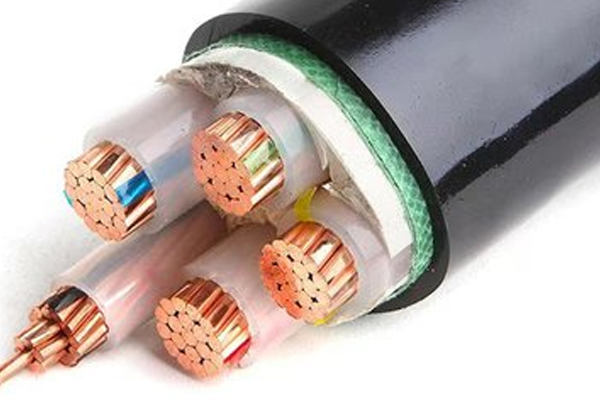
Key Takeaways
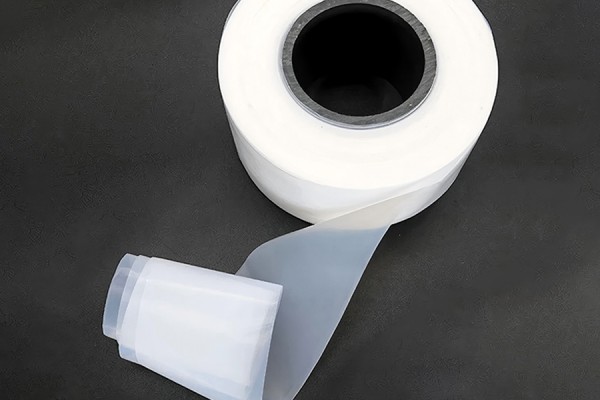
PTFE wrapping tape gives high-speed transmission lines a steadier, cleaner signal path. Its low dielectric loss keeps signal loss down, which matters when data rates climb and margins get thin. The material bends easily, so it wraps around odd cable shapes without fighting the build. It holds up in hot, rough settings too, which is why aerospace and defense teams keep using it. It also resists moisture, chemicals, and other conditions that wear out ordinary insulation. Put into a cable design, it helps engineers keep pace with denser circuits and faster data links. The mix of toughness and electrical performance makes it a practical choice in modern electronics and communications.
PTFE Tape for Fast Lines
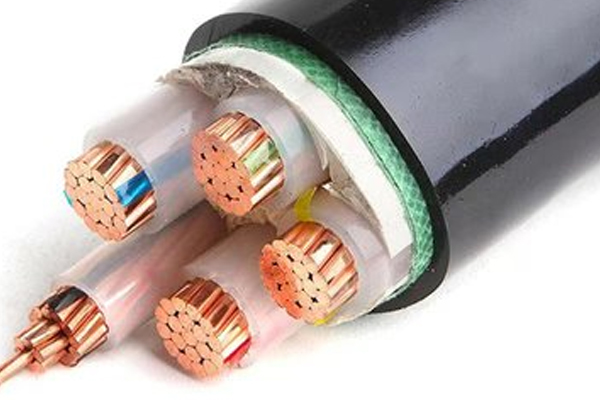
PTFE tape for high-speed lines helps signals travel with less loss. Made from polytetrafluoroethylene, it has low dielectric loss, which matters a lot in high-frequency work. That is why it shows up in aerospace and military communications, where failures are expensive and annoying. The film is flexible and strong enough to wrap around complex cable assemblies without wrecking insulation. It fits RF coaxial cables and fast data lines, where signal quality is the whole game. It also handles extreme temperatures and resists wear from the environment, so it keeps working when conditions get ugly. For many device makers, it has become a standard part of building faster, steadier electronic systems.
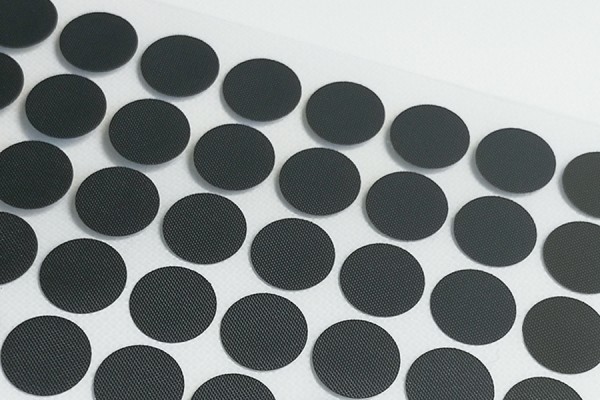
Reliable insulation solutions
PTFE wrapping tape gives high-speed transmission lines a cleaner insulation layer, which is what many engineers want when the schedule is already bad enough. Its high dielectric strength and low dielectric loss keep signals steady even as frequency rises. That makes it a solid fit for RF cables and data systems where small losses turn into real problems. The tape bends around different cable shapes, and it stands up to heat and moisture without breaking down quickly. That matters in military and aerospace work, where equipment gets pushed hard. Choosing PTFE usually means choosing a longer service life and fewer surprises in the field.
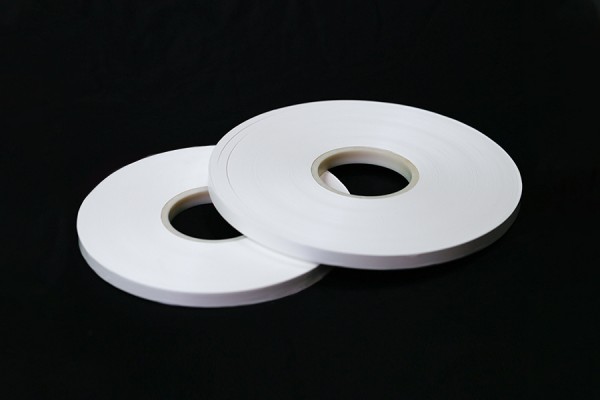
Low-Loss Cable Insulation
PTFE wrapping tape is built to keep dielectric loss low, which makes it a smart option for fast transmission lines. PTFE’s low dielectric constant cuts down energy loss during signal travel, so more of the signal reaches the far end in usable shape. That matters in telecommunications and aerospace, where speed leaves little room for waste. The film’s electrical insulation also helps systems manage energy more cleanly inside high-frequency setups. With the tape in place, cables hold signal quality across changing temperatures and use conditions, indoors or out. That kind of stability cuts maintenance and helps cables last longer. In harsh settings, where heat and vibration chew through materials, PTFE earns its place.
Durable PTFE Cable Wrap
Guangrou’s PTFE cable wrap gives high-speed transmission lines a tough layer of insulation. It handles heat, resists chemicals, and keeps doing its job in places where lesser materials start to crack or drift. The material is easy to work with, so it can be wrapped around different cable shapes without creating a mess. That matters in aerospace and military systems, where there is no room for sloppy performance. Its low dielectric constant keeps signal loss small, which helps data move cleanly. It also helps block electromagnetic interference, which can be a nuisance in high-frequency systems. The result is a wrap that is both durable and useful, not just durable for marketing copy.
Advanced transmission tape
advanced transmission tape has a real job to do in high-speed transmission lines. It keeps signal quality steady by cutting the dielectric loss that cheaper insulation often brings with it. PTFE brings high dielectric strength, flexibility, and resistance to heat swings, all of which matter in demanding builds. Those traits make it useful in military, aerospace, and telecom work, where equipment has to keep going. Guangrou tunes its PTFE wrapping tape for those conditions so performance stays steady when the temperature or load changes.
"When speed and stability matter, this tape earns its keep."
Its ability to hold insulation performance in rough conditions helps cables stay useful in high-frequency systems. Engineers and technicians tend to trust it for that reason; they know what they are getting. It also fits into cable assembly work without creating extra headaches, which saves time, and a fair amount of frustration.
Efficient high-Speed Cables
PTFE wrapping tape helps high-speed transmission lines work with less signal loss. That means cleaner signals in systems that move a lot of data. The material also bends well, so cables can route through tight spaces without losing shape or insulation quality.
These traits help high-speed cables keep up with rising demands for capacity in telecommunications and aerospace. PTFE insulation helps preserve signal quality over longer runs, which is a real need in high-frequency systems. The tape also resists heat, so it keeps working when temperatures climb. For manufacturers that care about durability and plain old reliability, that makes it an easy material to defend.
By building PTFE into cable designs, engineers can cut interference and get more stable performance. That flexibility makes PTFE wrapping tape a useful part of efficient high-speed transmission lines in modern electronics.
Reliable insulation for Electronics
PTFE wrapping tape offers strong insulation for high-speed transmission lines, and it matters in electronics that can’t afford flaky behavior. Its low dielectric constant keeps signal loss down, which is a real advantage in high-frequency data work. PTFE also holds up in harsh settings where heat swings and chemical exposure can ruin other materials. It gives decent electromagnetic shielding too, which helps cut interference that would otherwise muddy the signal. Telecommunications and aerospace teams use it because it keeps systems working when the environment gets mean. Its adaptability across different uses is part of the appeal; it does the job without needing much hand-holding.
Performance in Extreme Conditions
Guangrou PTFE wrapping tape is made for conditions that chew through ordinary insulation. It handles high heat without giving up its shape or its electrical properties. In aerospace and military projects, that kind of consistency is not optional. The tape’s low dielectric loss helps keep signals clean so high-speed transmission lines keep moving data without random dropouts. It also resists corrosion, electromagnetic interference, and harsh chemicals, which makes it a decent choice for outdoor or industrial use. The wrap bends to fit different cable designs and still shields against wear. In practice, that mix of toughness and stability makes it a dependable choice for demanding electronic systems.
Conclusion
PTFE wrapping tape is a practical answer for insulating high-speed transmission lines. It keeps dielectric loss low, so signals stay cleaner in telecommunications and aerospace systems. It also stands up to heat and environmental stress, which means fewer failures and less maintenance later. The tape bends around different cable shapes without ruining the insulation, so installers do not have to fight it. As electronics keep getting faster and denser, this material keeps finding new jobs. Its ability to stay stable across changing conditions is the main reason manufacturers keep coming back to it.
FAQs
What is PTFE wrapping tape used for?
PTFE wrapping tape insulates high-speed transmission lines in electronic systems and helps keep signal loss low.
How does PTFE wrapping tape improve signal quality?
Its low dielectric constant cuts energy loss during transmission, so signal integrity stays better at high frequencies.
Can PTFE wrapping tape withstand extreme temperatures?
Yes. It is built to handle extreme heat and cold, which is why it works in aerospace and military uses.
Is PTFE tape flexible enough for various cable shapes?
Yes. It bends around different cable designs without damaging the insulation layer.
What advantages does PTFE offer over traditional insulation materials?
PTFE handles heat better, resists interference, and lasts longer when heat, moisture, or chemicals are part of the job.