Important Takeaways
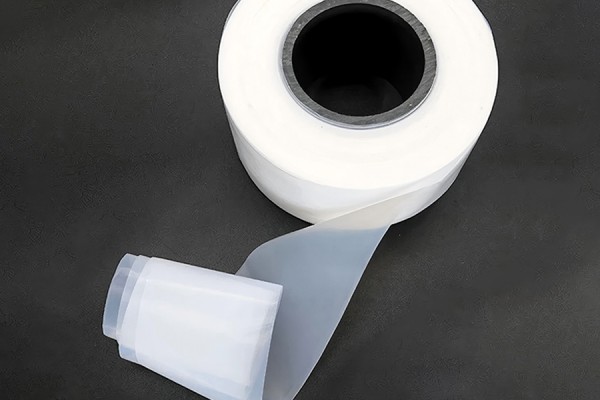
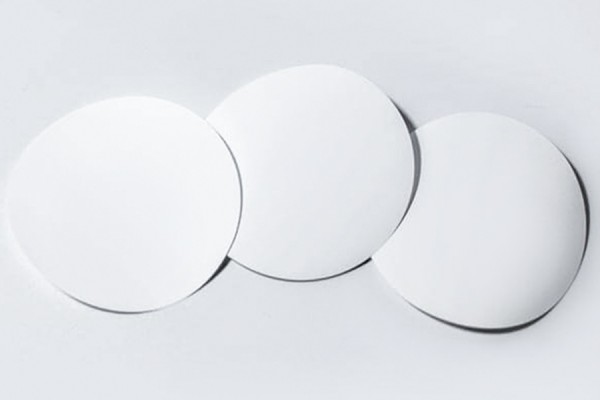
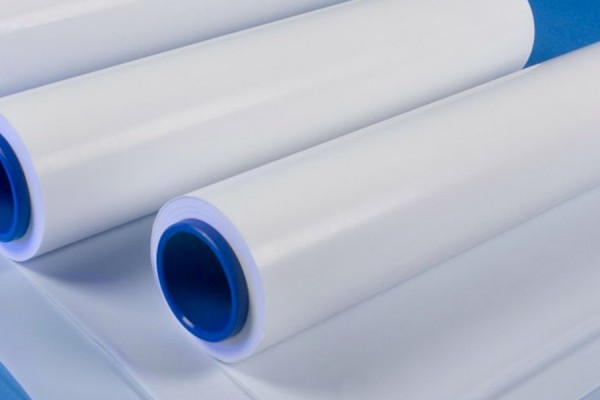
Polytetrafluoroethylene (PTFE) wrapping film turns up in a lot of industrial settings because it handles rough conditions without making a fuss. It resists chemicals, stays stable in heat, and works well in insulation, sealing, and protective roles. That means fewer repairs, less cleaning, and fewer ugly surprises when equipment gets hot or exposed to harsh substances. Its slick surface also keeps residue from sticking, which helps parts last longer and keeps shutdowns shorter. It is the kind of material people miss only after it is gone.
Versatile PTFE Wrapping Film
PTFE film is useful in more places than people expect. Its chemical resistance makes it a solid choice for insulation in areas where solvents, vapors, or other aggressive materials are part of daily work. It also holds up on fast-moving transmission lines and around parts that need protection without slowing anything down.
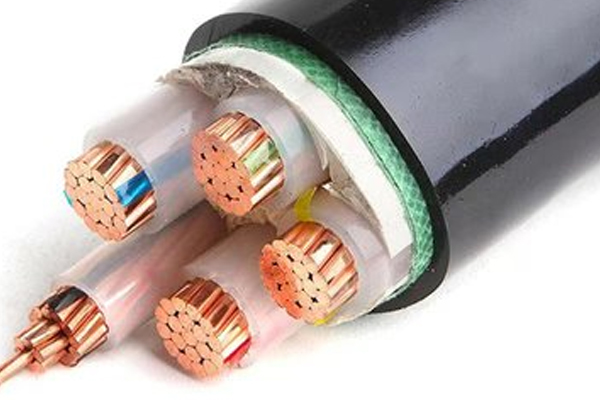
In sealing work, PTFE Thread Seal Tape is still a standard pick when leaks are a problem nobody wants to revisit. PTFE cable wrapping tape protects wiring in harsh conditions, and DAC high-speed cable wrapping film plus AEC high-speed cable wrapping film are used where consistency matters in high-frequency work.
Its light weight and strength make PTFE cable roll coating practical on production lines, especially when manufacturers need insulation and surface protection without adding extra complexity. Engineers keep coming back to it because it solves more than one problem at once.

PTFE Film in Insulation
PTFE film plays a big part in insulation because it handles heat well and resists electricity. It can sit near high temperatures without warping, which makes it useful in demanding environments. In electrical systems, it helps block short circuits and unwanted interference, something aerospace and electronics teams care about very much. The non-stick surface keeps dust and debris from building up, so the insulating layer does its job without much drama. Its chemical resistance also helps it stay intact after exposure to harsh substances, which cuts down on replacements. That matters in automotive and industrial equipment, where downtime gets expensive fast. Using PTFE film in insulation setups can also reduce heat loss and improve safety, assuming the rest of the system is built properly.
Sealing solutions with PTFE
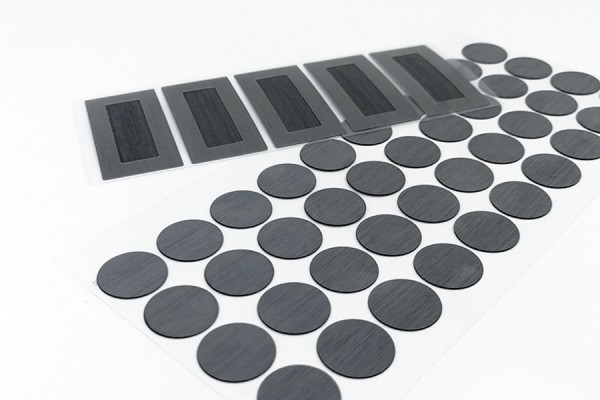
PTFE film works well in sealing jobs because it resists chemicals and has very low friction. It forms tight seals that hold up in ugly conditions, which is why aerospace and food processing both use it. In joints and flanges, it helps stop leaks and contamination, keeping liquid and gas systems cleaner and more dependable. Its non-stick surface also makes maintenance less annoying because parts come apart more easily.
Its thermal stability lets it keep working in hot equipment, which is useful when machines run hard for long stretches. PTFE film also shows up in protective seals for electrical parts, where it shields sensitive components from moisture and chemical exposure. Over time, that durability means fewer replacements and fewer interruptions. Used this way, PTFE film improves safety and day-to-day efficiency without adding much complexity.
Protective uses of PTFE Film
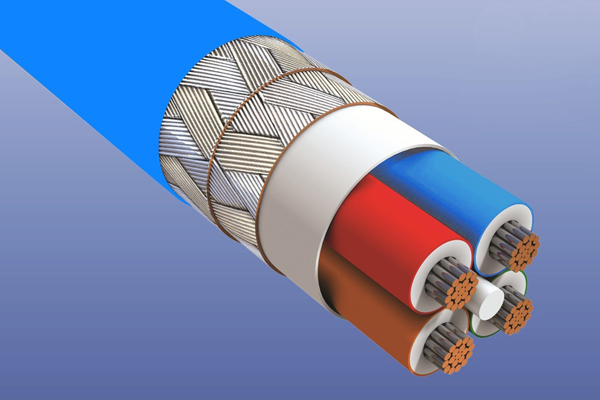
PTFE film has a real job in protective applications across several industries. It holds up against harsh environments and acts as a barrier when conditions get messy. In electronics, it shields sensitive parts from moisture and dust while still providing insulation. Its non-stick surface also helps keep contamination down in places where cleanliness matters, such as food processing and pharmaceuticals. The film can handle extreme temperatures, so it fits well in high-heat work like industrial insulation and heat sealing. Because it bends and conforms easily, it covers odd shapes without much trouble. For companies trying to keep equipment reliable and repair bills lower, that matters.
Benefits of PTFE in Industry
PTFE brings a mix of traits that make it useful in industrial work. It resists aggressive chemicals, so it keeps its shape and function in places where other materials break down. Its low friction reduces wear on moving parts, which helps them last longer and run more smoothly. That matters a lot in sealing, where leaks can turn into expensive headaches fast. The non-stick surface also keeps buildup under control, so cleaning equipment in food processing or chemical plants takes less time. Its heat tolerance opens the door to use in aerospace and electronics too. Companies use those traits to cut maintenance costs, keep products dependable, and make wire insulation, protective coatings, and filtration parts more practical.
New Applications of PTFE
PTFE film appears in a wide range of industries because it handles a lot of different demands. In aerospace, it works as insulation and stands up to heat and chemicals. Electrical systems use it to protect cables and components, especially where high voltage is part of the job. Food processing relies on its non-stick surface because cleanup is easier and surfaces stay more sanitary. In automotive work, PTFE shows up in gaskets and seals that need to survive high pressure and heat. New uses in renewable energy, including lithium batteries and fuel cells, keep adding to its reach. It is a practical option when parts need to keep working under changing conditions.
Enhancing performance with PTFE
PTFE film improves performance in a lot of industrial settings. Its low friction helps machinery move more smoothly, which cuts wear on parts. It also resists harsh chemicals, so it keeps its shape when exposed to rough substances. In insulation work, it helps limit heat loss, which supports energy efficiency in systems that need tight temperature control. Its non-stick surface is useful in sealing too, where it helps prevent leaks and keeps contaminants out. For protective uses, it shields surfaces from corrosion, abrasion, and heat, which helps important equipment stay in service longer. For many operations, it is a practical choice that makes daily work less troublesome.
PTFE Film in Modern Manufacturing
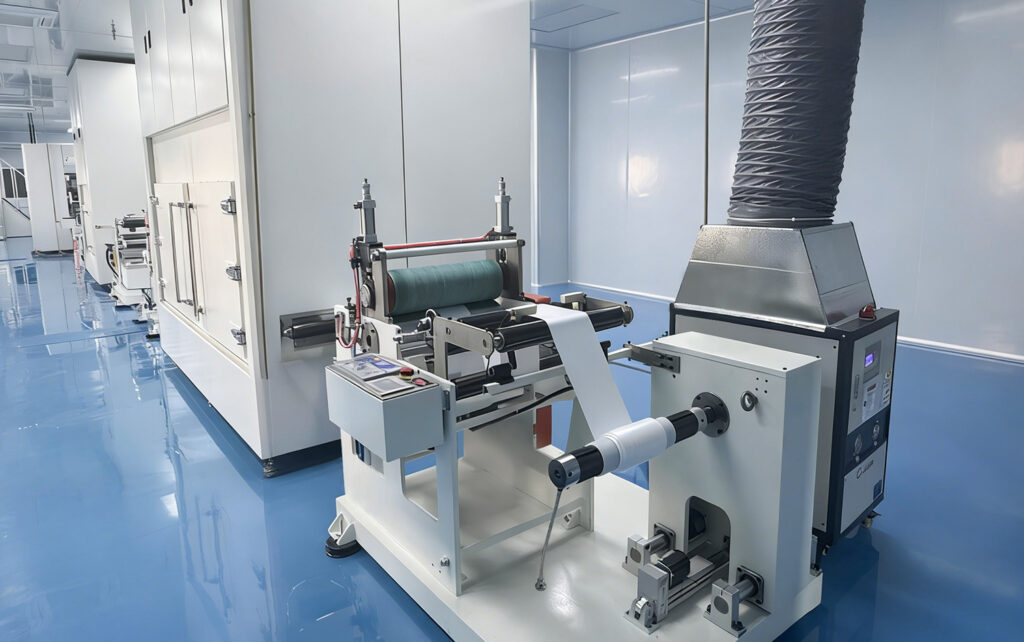
PTFE film matters in modern manufacturing because it solves problems that show up in real production lines. It resists chemicals, so it fits well where aggressive materials are part of the process. It is used to insulate wires and cables in electronics and automotive work, where safety and consistency matter. Its non-stick behavior helps in molding and release processes, which saves time and cuts frustration. Its thermal stability also makes it useful in high-heat jobs such as semiconductor production and aerospace work. The material is light, tough, and easy to work into different systems, so it keeps showing up in protective coatings and sealing work. In a lot of plants, it is one of those materials that just earns its place.
Conclusion
PTFE film is useful because it handles the jobs that wear out lesser materials. It resists chemicals, holds up under heat, and keeps working in insulation, sealing, and protection tasks where failure is expensive. It is not a cure-all, and it will not fix a sloppy process, but it does make demanding systems more dependable. That is why it keeps turning up in so many industrial settings. As companies keep pushing for safer, cleaner, and less maintenance-heavy operations, PTFE film will probably stay in the mix.
FAQs
What is PTFE film used for?
PTFE film is used for insulation, sealing, and protective work in many industries because it resists chemicals and handles heat well.
How does PTFE film boost electrical insulation?
It helps block short circuits and reduces heat loss, which makes it useful in high-voltage systems and other sensitive electrical setups.
Is PTFE film suitable for high-temperature applications?
Yes. It holds up well in high heat, so it works in places like industrial insulation and equipment exposed to hot operating conditions.
Can PTFE film be used in food processing industries?
Yes. Its non-stick surface and chemical resistance make cleanup easier and help keep food-processing equipment cleaner.
How does PTFE film improve sealing solutions?
It creates tight, leak-resistant seals that stand up to harsh conditions, especially around joints and flanges.