
main Takeaways
Teflon film is a versatile material with important properties that facilitate its use in a wide range of industrial applications. Its outstanding chemical resistance and non-stick characteristics make it a preferred choice in sectors that require high durability and efficiency. Industries such as food processing rely on Teflon film for safe and compliant packaging, while its insulating qualities play an essential role in electronics. The high-temperature resistance of Teflon film ensures optimal performance even in demanding environments, adding to its overall value. furthermore, the material’s lightweight nature supports energy efficiency, making it beneficial across various manufacturing processes. The continuous development of new Teflon variants highlights the material’s adaptability and relevance in addressing modern industrial challenges. As technology advances, Teflon film remains integral in providing practical solutions tailored to meet specific operational requirements across different fields.
Teflon film properties
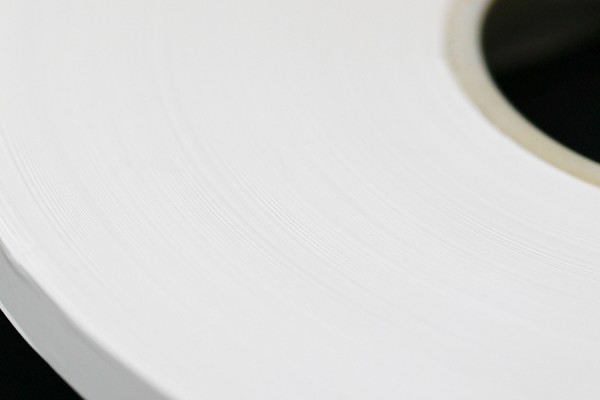
teflon film, known for its non-stick surface and chemical resistance, plays a vital role in various industries. This polymer, scientifically recognized as PTFE (polytetrafluoroethylene), exhibits low friction and excellent electrical insulation properties. It withstands extreme temperatures, making it ideal for applications that involve high heat. furthermore, Teflon film is compatible with a range of substances including chemicals that would degrade other materials. Its strength and durability are important in high-performance applications like high speed transmission line PTFE wrapping tape and PTFE Thread Seal Tape. With options such as PTFE cable wrapping tape and AEC high-speed cable wrapping film, manufacturers benefit from versatile solutions tailored to specific needs. The film’s unique attributes not only improve manufacturing processes but also ensure longevity in dynamic environments.
Industrial uses of Teflon
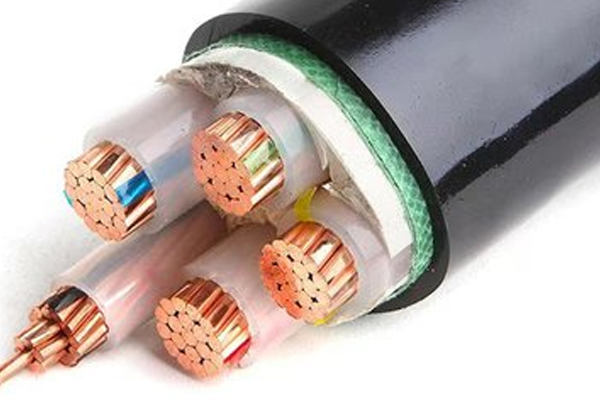
Teflon film is widely utilized across multiple industries due to its unique properties. In the electronics sector, Teflon film acts as insulation, effectively protecting sensitive components from heat and moisture. Its exceptional chemical resistance makes it a preferred choice for packaging materials in the food and pharmaceutical industries, ensuring product integrity during storage and transport. In automotive applications, Teflon film is frequently used in gaskets and seals to provide lasting protection against harsh operating conditions. The aerospace industry also benefits from Teflon film, employing it in various parts to reduce friction and boost performance in demanding environments. With its versatility, Teflon film continues to find new applications, highlighting its importance in modern manufacturing processes.

Chemical resistance benefits
teflon film exhibits remarkable chemical resistance, making it a sought-after material in various industrial applications. Its ability to withstand corrosive substances ensures durability in challenging environments, where traditional materials may fail. This characteristic is particularly advantageous in the chemical processing and pharmaceutical industries, where exposure to aggressive solvents and acids is common. Teflon film maintains its integrity under extreme conditions, reducing the risk of product contamination and equipment damage. also, its non-reactive nature minimizes the interactions between the film and chemicals, preserving the purity of sensitive materials. Industries such as food processing utilize Teflon film to ensure safety and compliance with stringent standards while benefiting from easier cleaning and maintenance due to its non-stick properties. Overall, the chemical resistance benefits of Teflon film boost productivity and safety across various sectors, solidifying its position as a important component in manufacturing processes.
Non-Stick Teflon Applications
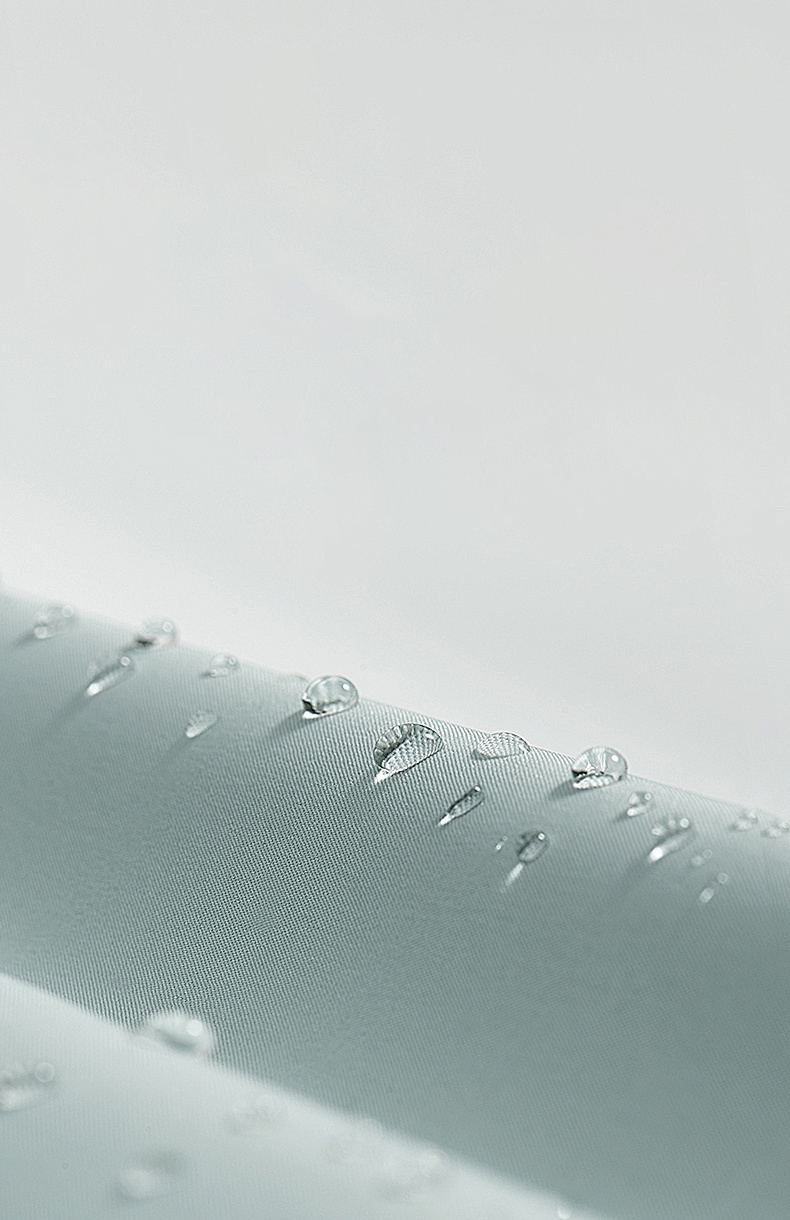
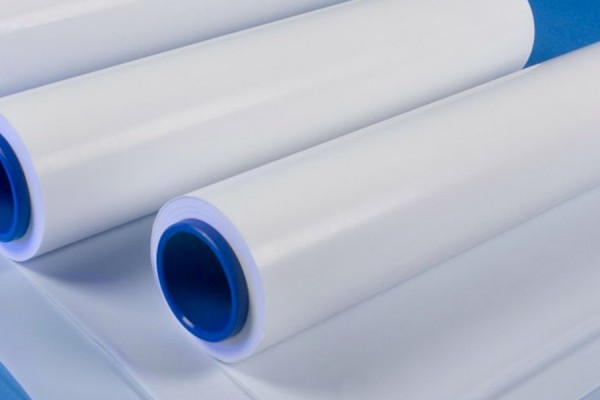
Teflon film is widely recognized for its non-stick properties, making it an essential material in various industries. In the culinary sector, it is commonly used in bakeware and cooking utensils to minimize food sticking and facilitate easier cleanup. This feature not only enhances cooking efficiency but also promotes healthier meal preparation by reducing the need for excess fats and oils. In the realm of industrial applications, Teflon film is utilized in equipment that requires low friction surfaces, such as conveyor belts and rollers. Here, its chemical resistance helps withstand harsh environments while maintaining functionality.
also, Teflon tape is a familiar application in plumbing, where it provides leak-proof seals for threaded connections. The material’s versatility extends to electrical insulation as well, where it protects wires and components from moisture and conductive contaminants due to its hydrophobic nature.
"The integration of Teflon film into various applications significantly improves performance while extending the lifespan of components."
As such, this material plays a important role across numerous sectors by simplifying processes and enhancing product reliability.
Teflon film in Manufacturing
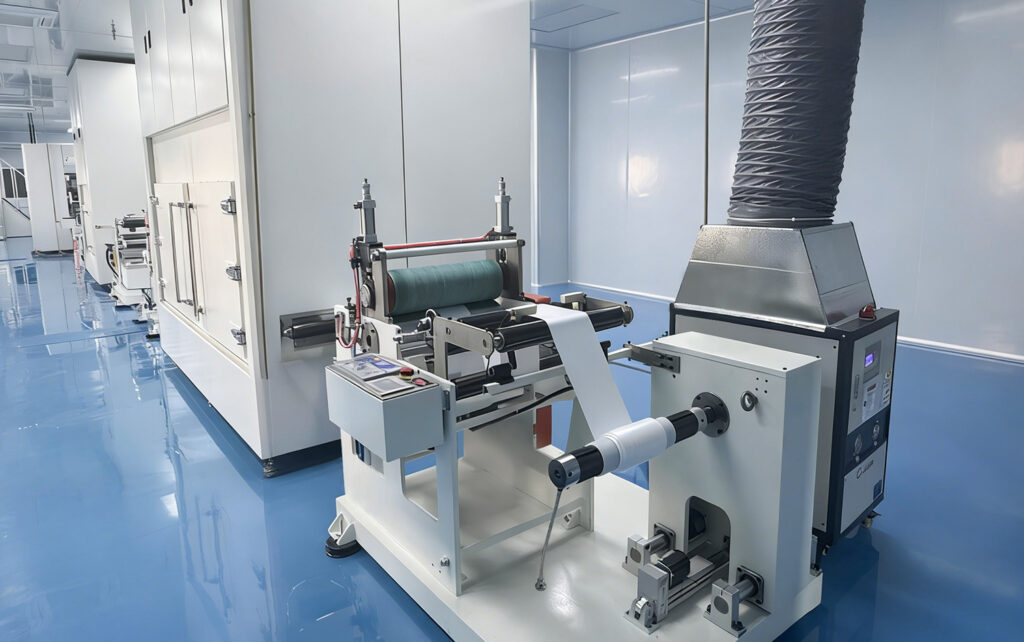
Teflon film plays a significant role in various manufacturing processes due to its unique properties. Its excellent chemical resistance makes it suitable for applications that involve aggressive substances, reducing the risk of degradation over time. This attribute is particularly advantageous in industries such as chemical processing and pharmaceuticals, where exposure to harsh chemicals is common. Furthermore, the non-stick qualities of Teflon film prevent the adherence of materials during production, ensuring smoother operations and higher efficiency in processes like molding or sealing.
Manufacturers also appreciate Teflon’s high-temperature resistance, allowing it to maintain its integrity under extreme conditions, which is important for applications such as insulation or protective coatings. also, Teflon film is lightweight yet durable, contributing to better energy efficiency and cost savings in production workflows. These characteristics make Teflon film not just a choice but often a necessity for manufacturers seeking reliability and performance across various sectors.
Versatile teflon solutions
teflon film offers a variety of solutions suitable for numerous industrial applications. Its ability to withstand extreme conditions makes it a go-to material for manufacturers looking for reliability. In the aerospace sector, Teflon film is utilized in insulation and protective components due to its high temperature resistance and versatility. Moreover, its chemical inertness serves industries involving pharmaceuticals and food processing, where contamination risks must be minimized.
Another area where Teflon film shines is in the electronics sector, where it acts as a protective layer for circuit boards and components, aiding in signal integrity while resisting moisture and corrosion. also, this film lends itself well to custom solutions, including specialized coatings and barrier films that meet specific industry standards. As technology advances, the demand for new applications of Teflon film continues to grow, proving its adaptability in modern manufacturing processes.
Exploring teflon variants
teflon film is available in various forms, each tailored for specific uses across industries. Standard Teflon films are often employed for their excellent chemical resistance and non-stick properties, making them ideal for applications in the food and pharmaceutical sectors. However, specialized variants, such as Teflon FEP and Teflon PFA films, offer enhanced thermal stability and clarity, suited for high-heat applications like electrical insulation and protective coatings. Moreover, multilayered Teflon films can incorporate additional materials to improve particular characteristics such as UV resistance or abrasion durability. As manufacturers continue to innovate, developing variants with unique blends of properties for niche applications has become increasingly common. Understanding these diverse options can help industries select the most appropriate Teflon film type to meet their specific operational demands and performance criteria.
Advantages of Teflon Film
Teflon film offers several important advantages that make it highly sought after in various applications. Its remarkable chemical resistance allows it to withstand harsh environments without degrading or losing functionality. This property is essential for industries such as chemical processing and pharmaceuticals, where materials often encounter corrosive substances. furthermore, the non-stick qualities of Teflon film facilitate easy release in manufacturing processes, reducing downtime and improving efficiency. Teflon’s ability to endure high temperatures further enhances its appeal, making it suitable for applications involving heat exposure.
Moreover, its lightweight yet durable nature results in significant weight savings without compromising structural integrity. This is particularly beneficial in aerospace and automotive sectors, where weight reduction can lead to enhanced performance and fuel efficiency. The versatility of Teflon film allows it to be used in a broad range of products, from insulation materials to protective coatings. By providing effective solutions across several industries, Teflon film proves to be an invaluable material for modern manufacturing and industrial applications.
Conclusion
teflon film stands out as a multi-faceted material that enhances efficiency and performance across various sectors. Its unique properties, chemical resistance and non-stick characteristics, make it an optimal choice for applications ranging from food processing to aerospace. Manufacturers appreciate its durability and lightweight nature, which contribute to improved operational workflows. As innovation continues, the adaptability of Teflon film ensures it remains relevant in addressing emerging industrial challenges. The ongoing exploration of advanced Teflon variants provides opportunities for specialized applications, demonstrating the material’s potential to evolve alongside technological advancements. The integration of Teflon film into modern manufacturing processes not only simplifies operations but also underlines its importance in delivering reliable, high quality solutions tailored to diverse industry needs.
FAQs
What is Teflon film made of?
Teflon film is made from polytetrafluoroethylene (PTFE), a high-performance polymer known for its exceptional chemical resistance and non-stick properties.
Where is Teflon film commonly used?
Teflon film is commonly used in industries such as food processing, pharmaceuticals, electronics, aerospace, and automotive applications.
What are the benefits of using Teflon film in manufacturing?
The benefits include its chemical resistance, high-temperature stability, non-stick qualities, and durability, which improve efficiency and reliability in manufacturing processes.
Can Teflon film be recycled?
Generally, Teflon film is not widely recyclable due to the difficulty in processing PTFE. Disposal should follow local regulations for hazardous materials.
How does Teflon’s non-stick property work?
Teflon’s non-stick property results from its low surface energy, which prevents materials from adhering to its surface, making it easier to clean and use in various applications.
Is Teflon film safe for food contact?
Yes, Teflon film is considered safe for food contact when used according to industry standards and guidelines. It does not react with food or release harmful substances under normal cooking conditions.
What temperatures can Teflon film withstand?
Teflon film can withstand temperatures up to about 260°C (500°F) without losing its integrity or performance characteristics.
Are there different types of Teflon films available?
Yes, there are various types such as standard PTFE films and specialized variants like FEP and PFA which offer enhanced properties tailored for specific applications.