important Takeaways
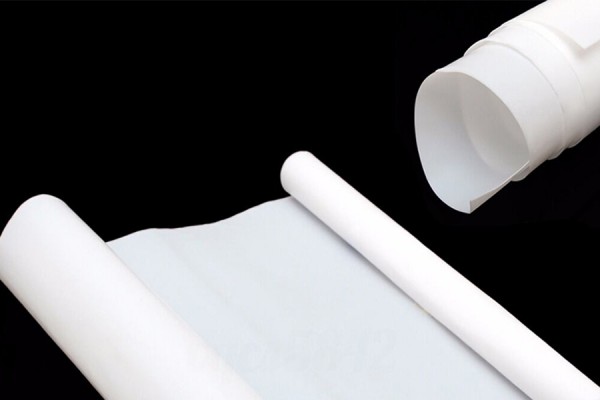
ePTFE membranes are defining characteristics of various advanced industries, thanks to their adaptation to diverse applications. In electronics, they ensure reliable signal transmission while also acting as moisture barriers through features like waterproof films. The medical sector benefits from ePTFE’s biocompatibility, contributing significantly to innovations in devices such as catheters and sterilizing filters that improve patient safety. Furthermore, their role in environmental filtration systems demonstrates effectiveness in maintaining air and water quality, proving important for industries focused on sustainability. ePTFE membranes are equally critical in construction, offering weather-resistant solutions that prolong the life of structural materials. Overall, the expansion of ePTFE applications across sectors illustrates a promising trend towards more reliable and efficient materials that can meet the evolving demands of modern technology and industry standards.
original ePTFE Membrane Uses
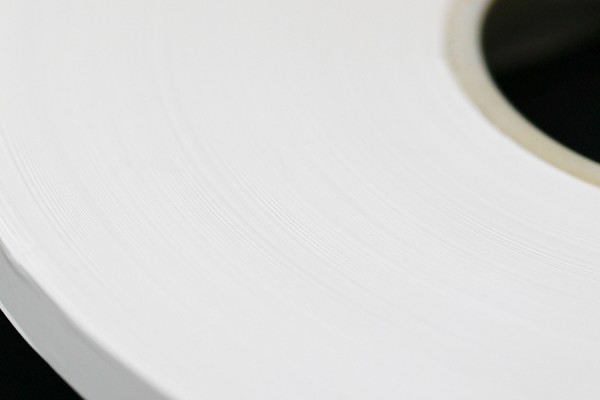
ePTFE membranes exhibit notable versatility across various industries due to their unique properties. In electronics, the use of high-speed transmission line PTFE wrapping tape ensures reliable signal integrity, accommodating the demands of fast-paced communication technologies. PTFE wrapping film, widely implemented in consumer electronics, enhances moisture protection and contamination resistance. The medical field benefits significantly from ePTFE, utilized in applications such as PTFE Thread Seal Tape for secure fittings in devices like infusion pumps. furthermore, innovations such as PTFE cable wrapping tape and PTFE cable roll coating improve device reliability by protecting cables under diverse conditions. In filtration systems, DAC high-speed cable wrapping film acts as a barrier against particulate matter while maintaining airflow quality. Furthermore, AEC and AOC high-speed cable wrapping films ensure effective insulation necessary for high-frequency environments. Over time, the integration of these advanced materials is revolutionizing not only manufacturing processes but also the overall durability and performance of products across sectors including medical to construction and environmental filtration.
ePTFE in Electronics
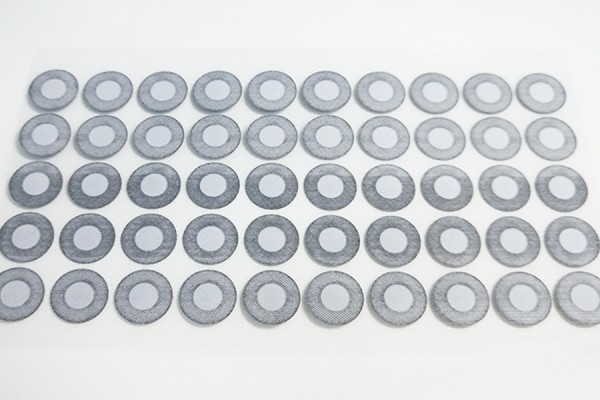
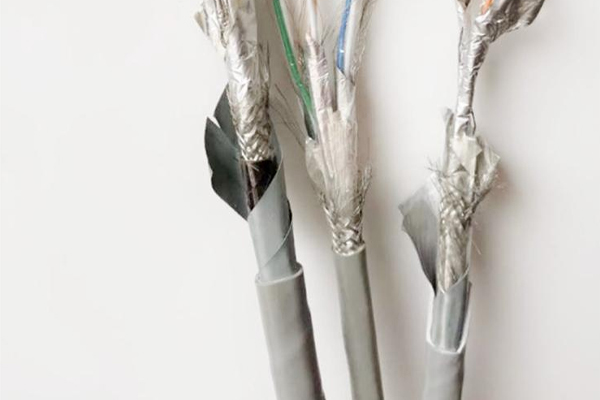
ePTFE membranes play a significant role in the electronics sector due to their unique properties. They are utilized as insulation for high-speed cables, notably in 5G and emerging 6G technologies. This insulating capability ensures minimal signal loss, which is important for maintaining high data transmission speeds. also, ePTFE is employed in semiconductor filtering membranes, contributing to the efficiency and reliability of electronic components. Flexible circuit boards (FPCs) benefit from ePTFE’s lightweight and durable nature, providing robust protection against environmental factors such as moisture and contaminants. Moreover, these membranes are integral to waterproof sound-transmitting films that improve audio quality in consumer electronics. The ability of ePTFE to withstand extreme temperatures further enhances its utility across various applications, from complex manufacturing processes to consumer gadgets. The ongoing integration of ePTFE into electronic devices exemplifies its versatility and importance in maintaining performance and longevity in modern technology.
Medical innovations with ePTFE
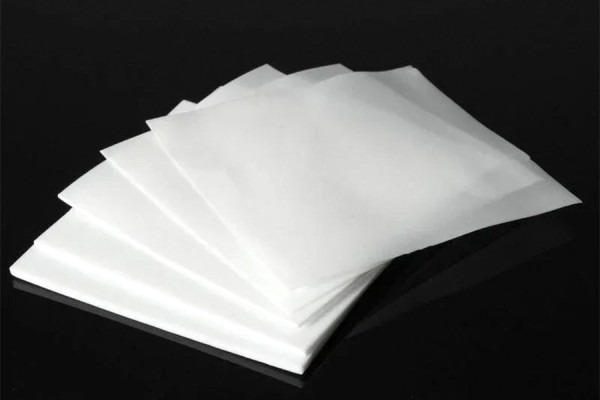
ePTFE membranes play a significant role in the medical field, thanks to their unique properties. Their biocompatibility makes them suitable for use in a variety of applications, including artificial blood vessels, which require materials that won’t cause adverse reactions. In wound care, ePTFE membranes facilitate moisture management while preventing bacterial infiltration, promoting efficient healing processes. Sterilizing filters made from ePTFE are important in ensuring medical equipment is safe for use, as they allow gases to pass while trapping harmful particles. furthermore, medical catheters incorporate ePTFE due to its ability to minimize friction and improve fluid flow. These membranes are also utilized in diagnostic devices, improving the precision of readings and enhancing patient monitoring. The permeable structure of ePTFE contributes to its effectiveness in these applications, showcasing how this new material continually advances medical technology and patient care.
main ePTFE Applications
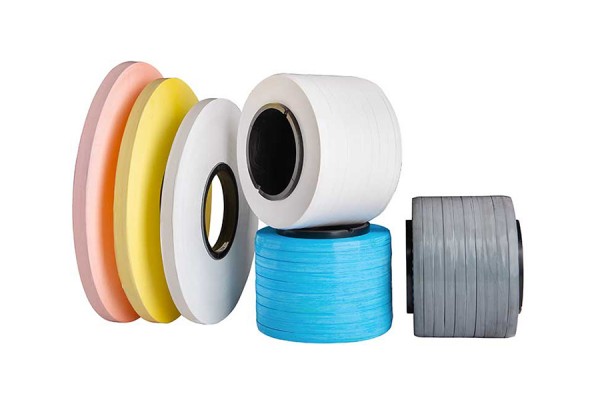
ePTFE membranes play a significant role across various sectors due to their remarkable characteristics. In electronics, they are essential for enhancing signal integrity in high-speed cables and are commonly utilized in waterproof sound-transmitting films. The medical field benefits immensely from ePTFE in devices such as artificial blood vessels and wound dressings, where biocompatibility is important. Moreover, their use in sterilizing filters ensures sterile conditions for medical procedures. In environmental sectors, ePTFE acts as a critical material for filtration systems, efficiently removing particulate matter and contaminants from air and water. furthermore, it finds applications in construction as waterproofing membranes and high-temperature seal materials, effectively protecting structures from moisture damage and thermal stress. As industries continue to seek original solutions, ePTFE’s diverse applications demonstrate its importance in modern technology and manufacturing processes.
Advanced filtration with ePTFE
ePTFE membranes are essential in advanced filtration processes, owing to their unique three-dimensional structure and tiny pore size. These membranes effectively allow gases to pass while blocking liquid contaminants, making them ideal for various industrial applications. In air filtration systems, ePTFE membranes trap fine particulates and aerosols while maintaining airflow efficiency. This capability is important for industries where air quality is paramount, such as pharmaceuticals and food production.
Moreover, in water treatment facilities, ePTFE membranes are utilized to separate contaminants from clean water, helping to meet stringent environmental standards. Their chemical resistance also ensures durability in diverse conditions, adding to their practicality in harsh environments. furthermore, ePTFE’s biocompatibility makes it suitable for applications like blood filtration and dialysis devices. As the demand for efficient filtration systems grows across industries, ePTFE membranes stand out as a reliable solution that enhances both performance and efficiency in environmental and medical applications.
ePTFE in Environmental Solutions
ePTFE membranes play a vital role in environmental solutions, particularly within industrial dust collection and water treatment systems. Their porous structure facilitates efficient air filtration, allowing for the separation of particulates without compromising airflow. This capability is essential in environments where maintaining air quality is critical. In water treatment, ePTFE membranes assist in processes such as microfiltration, effectively removing contaminants while maintaining pressure equilibrium. This feature aids in enhancing the overall efficiency of treatment facilities. also, ePTFE’s chemical resistance makes it suitable for harsh environments, ensuring durability and longevity of filters. By integrating ePTFE membranes into these applications, industries can achieve improved performance and sustainability outcomes, catering to the increasing demand for effective environmental solutions. Manufacturing processes benefit from the ability to recycle water and reduce airborne pollutants, highlighting a shift toward greener practices across various sectors.
ePTFE for Construction Needs
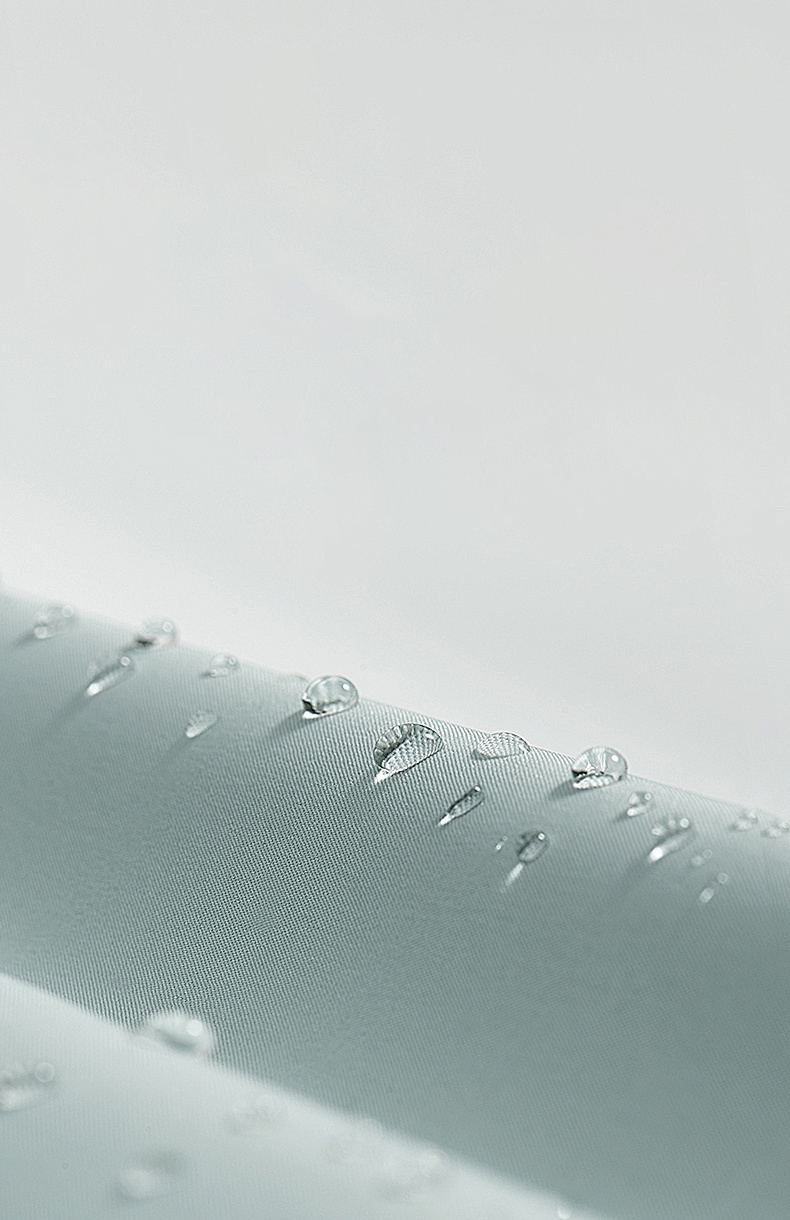
ePTFE membranes excel in construction due to their exceptional waterproofing and durability properties. They are used in roofing systems, providing a reliable barrier against moisture while allowing vapor to escape, which is essential for maintaining structural integrity. These membranes also demonstrate temperature resilience, making them suitable for various climates and conditions. In addition, ePTFE’s chemical resistance ensures longevity in harsh environments, such as areas exposed to pollution or corrosion. The lightweight nature of ePTFE allows for easier installation and maintenance compared to traditional materials, reducing labor costs and time on site. Furthermore, its permeability helps regulate indoor air quality by allowing trapped moisture to exit while preventing water ingress. This makes ePTFE an invaluable asset in modern construction practices focused on sustainability and performance enhancement. Its versatility continues to revolutionize how structures are built and maintained, leading to improved energy efficiency and reduced resource consumption across the industry.
Revolutionizing industries with ePTFE
ePTFE membranes are transforming various sectors by leveraging their unique attributes, such as lightweight structure and exceptional chemical resistance. In electronics, these membranes play a vital role in enhancing device performance, safeguarding sensitive components from moisture and external contaminants. Their application in medical devices is equally significant; ePTFE membranes are essential for creating reliable filtration systems and biocompatible implants, promoting better patient outcomes. In environmental contexts, the membranes are instrumental in filtration systems that effectively manage industrial waste and ensure clean water supply, thus contributing to sustainability efforts. In construction, ePTFE’s waterproofing properties improve the durability of materials used in buildings while maintaining energy efficiency. The versatility of ePTFE is not just limited to these sectors — its ability to adapt to new applications marks it as a cornerstone material for future innovations across multiple fields. By aligning the performance of materials with environmental requirements and industry demands, ePTFE stands at the forefront of technology-driven transformations that redefine industry standards.
Conclusion
ePTFE membranes are integral to the evolution of modern industries, reflecting a blend of performance and adaptability. Their application spans multiple sectors, enhancing not only product reliability but also operational efficiencies. In electronics, their role in preserving signal integrity sustains advancements in communication technology. The medical realm relies on ePTFE for innovations that ensure patient safety and effective treatment options, showcasing its biocompatibility. Environmental solutions benefit significantly as these membranes optimize filtration processes, contributing to cleaner air and water systems. The construction industry utilizes ePTFE for its waterproofing and durability features, resulting in improved building longevity and sustainability. As industries continue to evolve and face new challenges, the diverse applications of ePTFE illustrate its growing importance in meeting future demands while promoting innovation across various fields. The continuous integration of this material into daily operations signifies a shift towards more efficient, resilient products that can adapt to changing needs.
FAQs
What are ePTFE membranes?
ePTFE membranes are advanced materials known for their lightweight, durable, and chemical-resistant properties used across various industries.
How are ePTFE membranes used in electronics?
In electronics, ePTFE membranes provide insulation for high-speed cables, enhancing signal integrity and protecting components from moisture.
What benefits do ePTFE membranes offer in medical applications?
ePTFE membranes offer biocompatibility, making them ideal for applications like artificial blood vessels and wound dressings that require safe contact with bodily fluids.
Can ePTFE membranes improve filtration systems?
Yes, ePTFE membranes boost filtration systems by efficiently removing particulates while maintaining airflow in both air and water treatment applications.
What advantages does ePTFE provide in construction?
In construction, ePTFE’s waterproofing properties protect structures from moisture damage while its durability ensures longevity under various environmental conditions.
How does ePTFE contribute to environmental solutions?
ePTFE aids in environmental solutions by facilitating effective dust collection and water treatment processes, thus promoting cleaner air and water resources.
Are there any limitations to using ePTFE?
While versatile, the production costs of ePTFE can be higher compared to traditional materials, which may limit its use in certain low-cost applications.