
main Takeaways
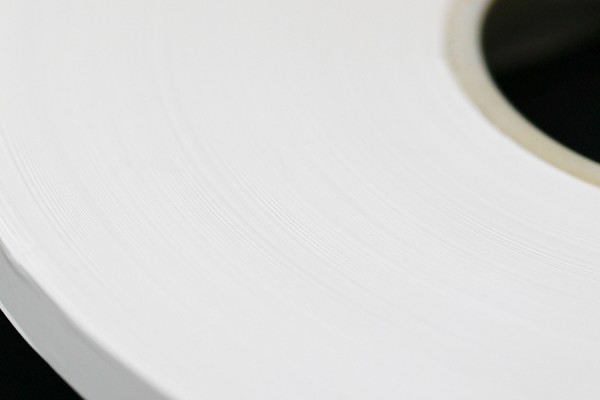
PTFE cable coil wrapping film brings a range of benefits that are reshaping electronic wiring standards. By boosting signal integrity, this material cuts signal losses substantially, making it suitable for high-frequency applications such as 5G and aerospace communications. Its thermal stability lets it perform reliably in extreme temperatures, delivering dependable insulation that can resist both heat and moisture. The strong resistance of PTFE to chemicals keeps wiring systems performing over time, lowering the risk of failures in demanding environments. Additionally, its ability to shield against electromagnetic interference helps preserve signal quality in intricate electronic setups. As industries move toward advanced technologies, adopting PTFE films is key to meeting the reliability and efficiency standards demanded by next-generation devices. Overall, using PTFE wraps is a strategic choice for manufacturers aiming to ensure products perform under tough conditions while accommodating future tech advances.
Revolutionizing wiring with PTFE Film
The emergence of PTFE coil-wrapping film is changing how electronic wiring systems operate. This new material effectively boosts signal integrity, a key factor for modern applications. The low dielectric constant of PTFE wrapping film minimizes signal loss, making it an ideal choice for high-speed transmission line uses. Its strong thermal stability lets it run reliably in high-temperature environments, which is crucial for technologies such as automotive and aerospace. In addition to its insulating properties, the wrap offers resistance to corrosion and abrasion. The integration of high-speed DAC-wrapped film and AEC-wrapped film allows manufacturers to keep pace with the demands of emerging technologies, facilitating the consistent performance of high-frequency components in challenging conditions. For industries seeking robust electrical insulation solutions, adopting this advanced material represents a meaningful step in wiring technology.
"Embracing PTFE films could lead to substantial improvements in your system’s reliability and performance."
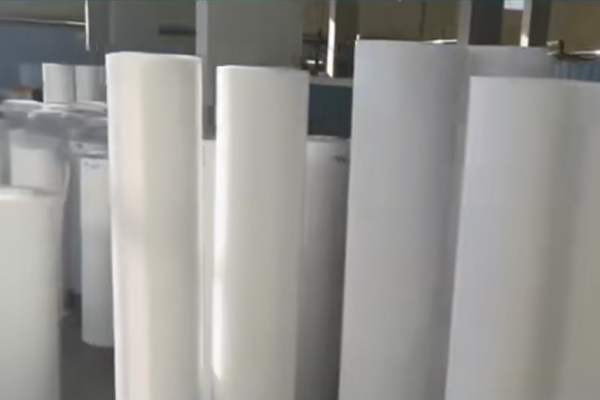
Enhancing signal integrity with PTFE
PTFE-based wraps play a critical role in improving signal integrity across various electronic applications. Its low dielectric constant minimizes signal loss, ensuring that high-frequency signals remain strong and clear. This trait is particularly beneficial for 5G and 6G communications, where maintaining signal quality is essential for efficient data transmission. The unique properties of PTFE also allow it to withstand harsh environmental conditions without degrading performance. By acting as a protective barrier against electromagnetic interference, it helps preserve the fidelity of signals traveling through wires and cables. This is especially important in complex electronic systems where multiple components interact. Moreover, the film’s capacity for "semi-air insulation" further enhances its effectiveness by reducing reflections and distortions often associated with wiring challenges. As technology evolves and demands increase for reliable high-speed data transfer, incorporating PTFE wraps in electronic systems becomes increasingly useful for engineers and developers striving to optimize performance.
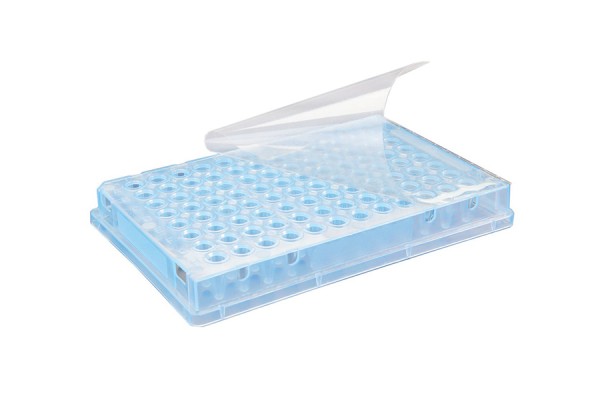
PTFE Film for High-Temp Wiring
PTFE-based coil wrapping film is specifically designed to excel in high-temperature wiring applications. This film maintains its integrity and performance in extreme conditions, with thermal stability ranging from -150 to 260 degrees Celsius. This vast temperature range is essential for environments that push the limits of traditional insulation materials. PTFE’s chemical inertness ensures that it does not react negatively with other substances, making it a reliable choice for various applications. Its excellent dielectric properties significantly reduce signal loss even at elevated temperatures, making it ideal for high-frequency electronic devices. Moreover, the film’s unique structure contributes to effective insulation against moisture and contaminants, enhancing the durability of wiring systems in sectors like aerospace and automotive. As technology continues to advance, the role of PTFE in ensuring the reliability and efficiency of high-temperature wiring will only expand.
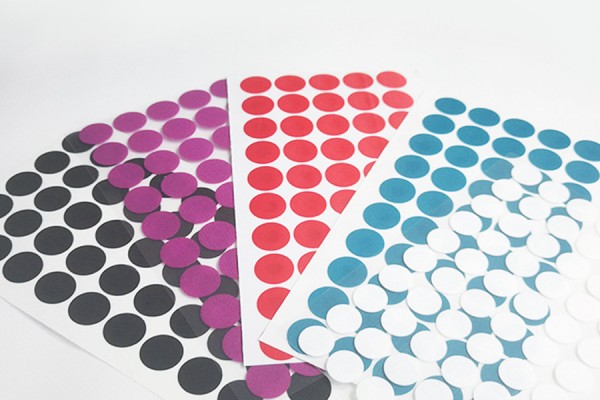
Optimal insulation with PTFE Wraps
PTFE wraps offer exceptional insulation, ensuring that electrical integrity is maintained even in challenging conditions. The unique structure of PTFE significantly reduces dielectric losses, making it an ideal choice for high-frequency applications. This type of insulation is particularly beneficial in environments where high temperatures are a concern, as PTFE remains stable across a wide temperature range from -150 to 260 degrees Celsius. Moreover, the material’s chemical resistance protects wiring from environmental factors that could degrade performance over time. By facilitating low-friction surfaces, PTFE wraps help minimize wear and tear on cables, further enhancing longevity and reliability. Their use in diverse sectors, including aerospace and telecommunications, showcases the adaptability of PTFE wraps as a critical component in modern electronic wiring solutions. This practical application ensures devices operate effectively while reducing maintenance costs associated with degraded insulation over time.
Advanced tech and PTFE Films
PTFE films are increasingly essential in modern electronics, driven by the need for high efficiency and reliability in advanced technologies. In applications like 5G infrastructure and aerospace systems, the low dielectric constant of PTFE significantly boosts signal integrity. This material is adept at handling high-frequency signals, making it ideal for aerospace communications and RF applications. The adaptability of PTFE films to extreme conditions allows them to excel in various environments, from automotive wiring to medical devices. Their unique properties facilitate seamless integration within devices, ensuring optimal performance under demanding circumstances. As technology progresses, the role of PTFE-based coil wrapping film becomes more critical in accommodating the rapid evolution of electronic systems, enabling innovations that require robust materials capable of supporting complex electronic designs while maintaining performance standards.
PTFE Cable Wraps: A Game Changer
PTFE cable wraps fundamentally alter the dynamics of electronic wiring. These wraps deliver exceptional insulation properties, making them ideal for high-temperature applications where other materials might fail. Their unique composition allows for superior signal transmission, reducing losses and enhancing performance in communications systems. Moreover, the wraps offer remarkable resistance to chemical corrosion and abrasion, extending the lifespan of wiring in demanding environments. As electronic devices become smaller and more complex, the need for reliable and efficient insulation solutions grows. PTFE cable wraps not only meet these requirements but also provide additional benefits such as moisture resistance and protection against electromagnetic interference. This dual functionality makes them indispensable in advanced technologies like electric vehicles, aerospace systems, and telecommunications. By choosing PTFE cable wraps, manufacturers respond to the evolving demands of modern technology while ensuring performance reliability across various applications.
Unmatched protection in Wiring
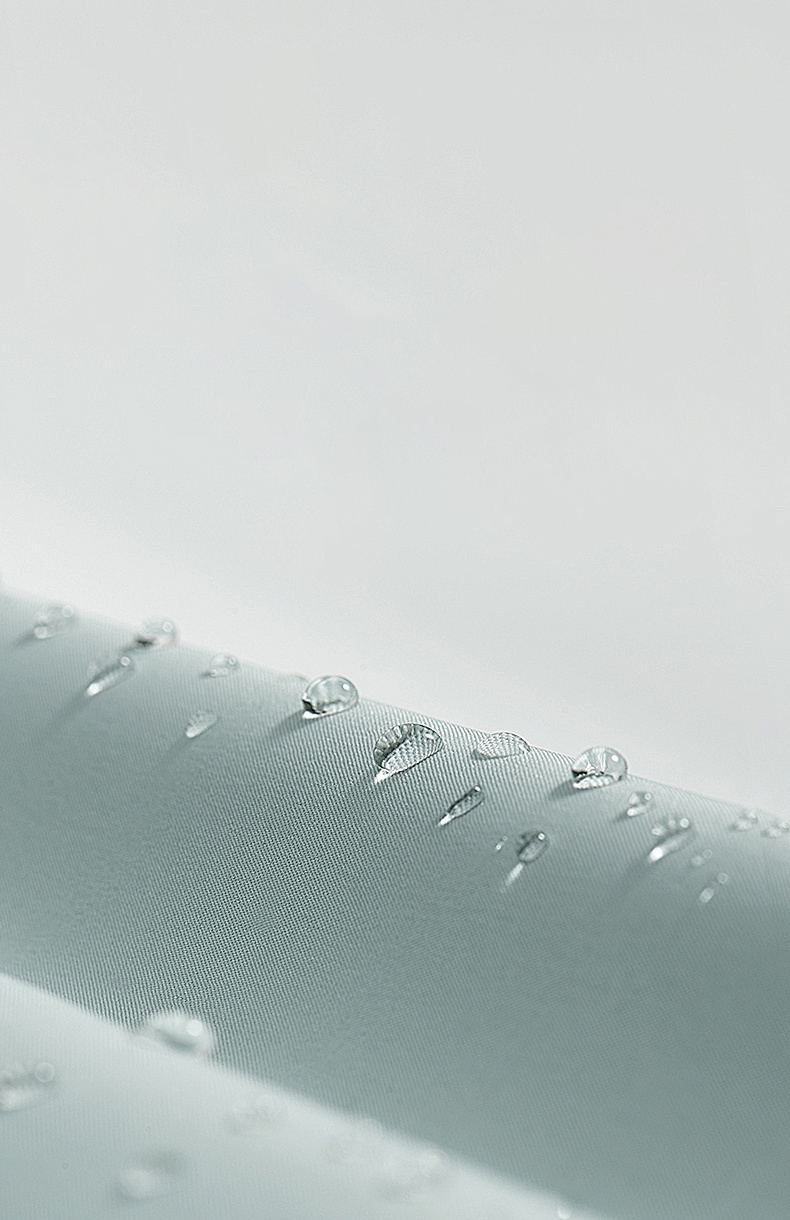
PTFE cable coil wrapping film provides vital protection for wiring applications, ensuring reliable performance even in the most demanding environments. Its exceptional resistance to heat and chemicals safeguards the integrity of electrical components, making it an ideal choice for industries ranging from aerospace to automotive. The film’s low friction characteristics allow for smoother wire handling and reduced wear, extending the lifespan of cables. Moreover, the microporous structure of ePTFE enhances breathability while preventing moisture intrusion, further protecting sensitive electronic systems. This unique combination of properties makes PTFE wraps indispensable for applications where signal integrity is paramount. By reducing exposure to external aggressors, PTFE films promote the durability and efficiency of wiring designs, addressing the evolving challenges faced in modern electronics.
Transforming electronics with PTFE
The integration of this topic is reshaping the electronics sector significantly. By improving signal integrity, this film addresses the challenges posed by high frequency and rapid data transmission. Its unique properties allow for better signal retention, which is vital for advanced applications in telecommunications and data centers. Moreover, PTFE’s excellent insulation capabilities ensure that electronic components remain protected from external factors, such as moisture and physical abrasion, that could compromise their functionality. The adaptability of PTFE to high-temperature environments further expands its use in automotive and aerospace industries where conditions can be extreme. As industries increasingly shift towards technologies like 5G and beyond, PTFE films are poised to play an important role in meeting the growing demands for efficient, reliable wiring solutions. This transformation is not just about materials; it reflects a broader trend toward optimizing performance in a digitally driven world.
Conclusion
the integration of this content marks a significant advancement in electronic wiring technology. Its remarkable properties help to improve signal integrity, especially in high-frequency applications where clarity is important. The film’s resistance to heat and chemicals is an essential safeguard, extending the life of wiring systems across various industries such as automotive and telecommunications. By minimizing signal loss and protecting against environmental factors, PTFE films position themselves as integral components in the evolving situation of technology. As we continue to innovate and adapt to higher standards of performance, utilizing PTFE cable wraps will support advancements in numerous electronic applications. Implementing these films is not just about improving insulation; it aligns with a growing need for reliable solutions that meet the demands of modern electronics.
FAQs
What is the subject used for?
this area is used to boost signal integrity, provide insulation, and protect wiring in high-temperature environments.
How does PTFE improve signal integrity?
PTFE has a low dielectric constant that minimizes signal loss, which helps maintain strong and clear high-frequency signals.
Can PTFE cable wraps resist high temperatures?
Yes, PTFE can function effectively in extreme temperatures ranging from -150 to 260 degrees Celsius without losing its insulation properties.
What industries benefit from using PTFE films?
Industries such as automotive, aerospace, and telecommunications benefit significantly from the protective and insulating properties of PTFE films.
Are there any environmental factors that PTFE wraps protect against?
Yes, PTFE wraps provide resistance against moisture, chemicals, and electromagnetic interference, ensuring reliable performance in varying conditions.
Is PTFE film suitable for 5G technologies?
Absolutely. The properties of PTFE make it ideal for supporting the requirements of 5G communications with low signal loss and high reliability.
How do I maintain wiring that uses PTFE wraps?
Wiring with PTFE wraps generally requires minimal maintenance due to the film’s durability and resistance to wear over time.
Can I use PTFE films in medical devices?
Yes, the chemical inertness and excellent insulating properties of PTFE make it suitable for various applications within medical devices.
Are there any specific installation requirements for using PTFE wraps?
PTFE wraps can be installed like traditional insulation but may require considerations for handling due to their unique material properties.