
main Takeaways
ePTFE membranes are increasingly recognized for their essential contributions across a range of industries. Their lightweight nature and remarkable chemical stability allow them to perform effectively in harsh environments, making them ideal for applications in electronics, aerospace, and filtration. These membranes ensure high-speed signal transmission in electronic devices, significantly reducing signal loss and enhancing data integrity. In aerospace, their resistance to extreme temperatures and pressures translates into improved safety and efficiency for aircraft components. Furthermore, in filtration systems, ePTFE membranes excel in particle separation while maintaining airflow, which is important for maintaining air quality and process efficiency. The versatility of these membranes leads to new applications, such as in textiles for breathable yet waterproof fabrics and sound insulation in automotive systems. Overall, the unique properties of ePTFE not only meet the current demands of various industries but also pave the way for future developments that emphasize sustainability and improved performance across numerous applications.
Applications of ePTFE Membranes
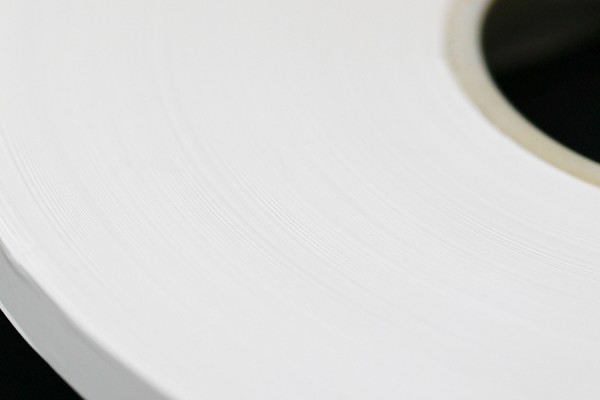
ePTFE membranes find extensive use across various industries due to their unique properties. In electronics, they are integral to high-speed transmission lines and signal integrity, enhancing performance in devices requiring precision and reliability. Products such as High speed transmission line PTFE wrapping tape and PTFE cable wrapping tape ensure minimal signal loss while providing environmental protection for critical components. Their role extends to cable applications as well, with PTFE wrapping film being vital in shielding sensitive wires.
In the aerospace sector, ePTFE membranes support original designs by providing lightweight materials that resist extreme temperatures and pressure changes. Their application enhances the performance of high-frequency systems, making them invaluable in aircraft design and satellite communications. Filtration systems also benefit from their durability, effectively separating particles while maintaining airflow.
furthermore, ePTFE membranes are used in automotive systems for sound insulation, ensuring a quieter experience for passengers. The versatile applications point out the importance of ePTFE in modern technology, maintaining its essential role as industries evolve and innovate.
Advantages in Electronics
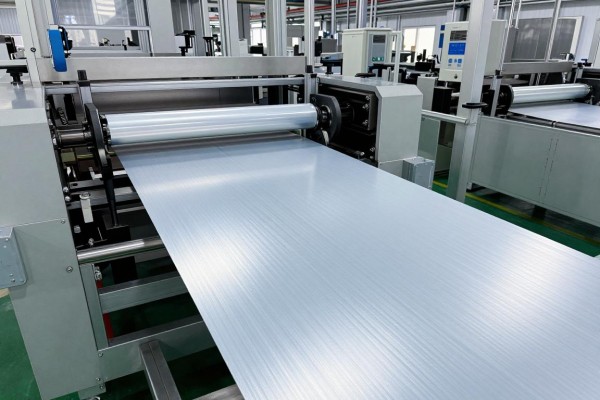
ePTFE membranes play a vital role in the electronics sector, where their unique properties significantly improve device performance. These membranes facilitate high-speed signal transmission while offering essential environmental protection. Their low dielectric constant minimizes signal loss, making them particularly beneficial for advanced communication technologies like 5G and upcoming 6G networks. The original insulation techniques utilized with ePTFE help maintain data integrity, which is critical for electronic devices requiring precise operation. Furthermore, these membranes are essential in various components, such as circuit boards and housings, as they provide adequate moisture management without compromising component functionality. This capability is main in protecting sensitive electronics from humidity and contaminants, ensuring longevity and reliability even in challenging conditions. The adaptability of ePTFE membranes also allows for integration into diverse products, from smartphones to complex aerospace systems, enhancing overall efficiency and durability in electronic applications.
ePTFE in Aerospace Use
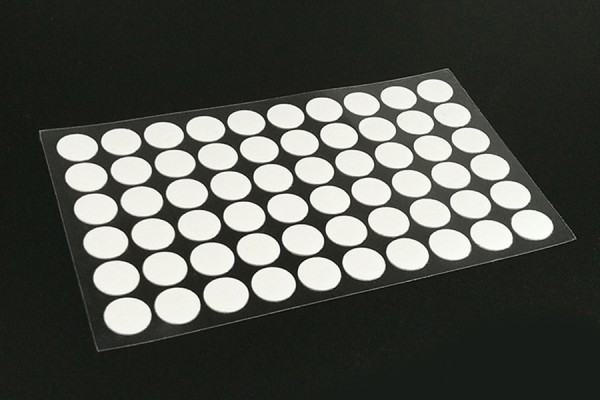
ePTFE membranes play a significant role in the aerospace industry due to their lightweight and high-performance characteristics. These membranes are engineered to withstand extreme temperatures and pressures, making them ideal for both aircraft and spacecraft applications. Their chemical stability ensures reliability in harsh environments, where exposure to gases and liquids is common.
Moreover, ePTFE membranes are utilized in various components such as seals, gaskets, and thermal insulation materials. They provide excellent resistance to fuel and hydraulic fluids, main for maintaining safety and efficiency in aerospace operations. The unique structure of ePTFE allows for superior sound insulation while permitting moisture vapor transmission, which is essential for maintaining the integrity of cabin environments.
"The use of ePTFE materials not only enhances the durability of aircraft components but also contributes to overall fuel efficiency."
As airlines increasingly focus on sustainability, incorporating lightweight materials like ePTFE can lead to reduced fuel consumption and lower emissions. This adaptability positions ePTFE as a important player in advancing aerospace technology toward more eco-friendly solutions.
Filtration system benefits
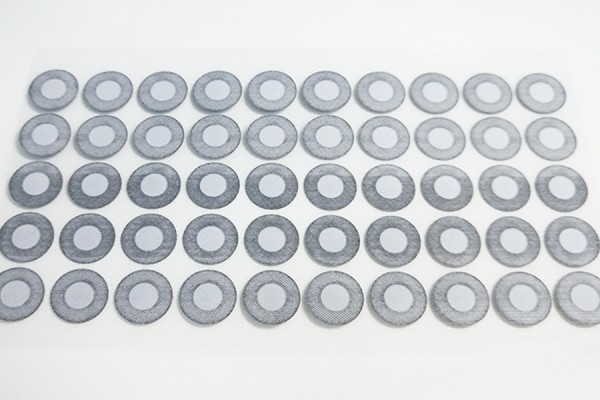
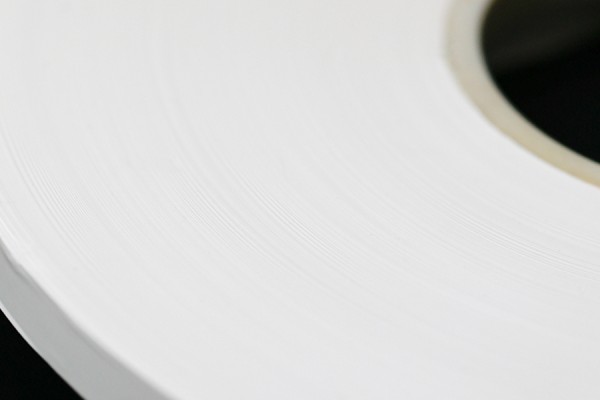
ePTFE membranes play a vital role in various filtration systems due to their unique structure and properties. With a minimum pore size of just 0.1 microns, these membranes effectively filter out microscopic particles while allowing gases and vapors to pass through. This capability is essential in numerous applications, from air purification systems to water treatment processes. The chemical stability of ePTFE also ensures that the membranes maintain their integrity in harsh environments, where other materials might degrade. also, their high permeability reduces pressure drops across the filter, enhancing energy efficiency during operation. In industries where contaminant control is important, such as pharmaceuticals and food processing, ePTFE membranes provide reliable solutions that boost product quality and safety. The ability to withstand varying temperatures and corrosive substances further positions these membranes as an optimal choice for demanding filtration tasks.
Durability in Harsh Conditions
ePTFE membranes are designed to withstand extreme environments, making them ideal for applications where resilience is important. Their chemically stable structure resists degradation, allowing them to endure high temperatures and corrosive substances without compromising performance. This durability translates into longer service life, reducing the need for frequent replacements and maintenance. In electronics, for instance, ePTFE membranes maintain integrity under temperature variations and moisture, ensuring consistent performance. Similarly, in aerospace applications, these membranes help protect sensitive components from harsh atmospheric conditions while promoting efficiency. The ability to perform reliably in challenging settings highlights ePTFE’s role in industries that demand high standards of durability and effectiveness. also, the lightweight nature of these membranes contributes to energy efficiency, further enhancing their appeal across various sectors facing harsh operational challenges.
original Uses in Industry
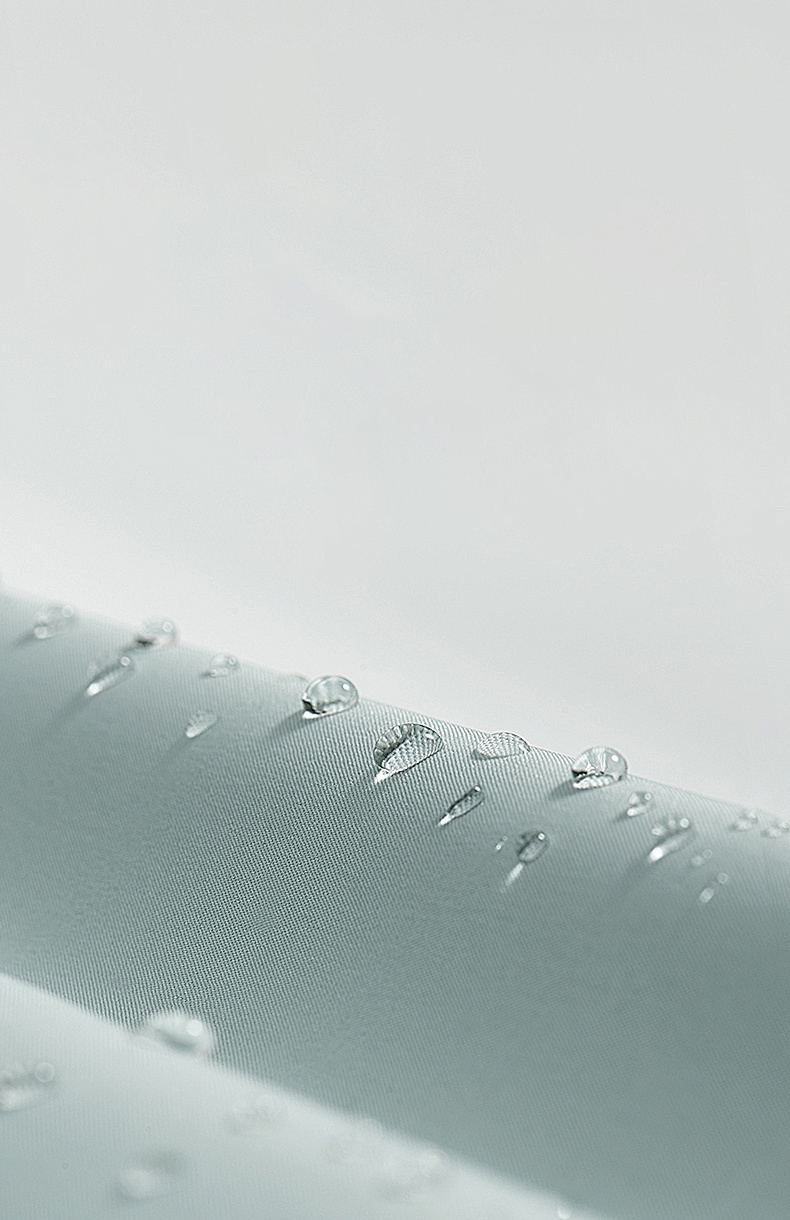
ePTFE membranes are gaining traction across various sectors due to their versatile characteristics. In the pharmaceutical industry, these membranes are used in drug delivery systems, where precision and reliability are essential. Their ability to withstand corrosive substances makes them ideal for applications involving aggressive chemicals. In the textile sector, ePTFE membranes contribute to creating breathable yet waterproof fabrics, enhancing performance in active wear and outdoor gear. The automotive industry also benefits from ePTFE technology, with these membranes being utilized in components designed for high-temperature areas such as exhaust systems. Moreover, developments in nanotechnology have opened new avenues for ePTFE applications; for example, coating surfaces with ePTFE can provide anti-fogging and self-cleaning properties. These original uses stress the adaptability of ePTFE membranes, making them an important material for improving efficiency and functionality across multiple industries.
Performance enhancements with ePTFE
ePTFE membranes provide significant performance improvements across various applications. Their lightweight and porous structure facilitates efficient airflow and moisture management, leading to enhanced functionality in electronic devices. This is particularly important in high-speed communications, as ePTFE membranes minimize signal loss while maintaining data integrity. Moreover, the versatility of ePTFE allows it to excel in aerospace environments, where it effectively withstands extreme pressures and temperatures. Its low dielectric constant also ensures that new technologies in 5G/6G networks can achieve optimal performance without compromise. In filtration systems, ePTFE enhances filtration efficiency by offering superior chemical resistance and durability, making it ideal for harsh operating conditions. Overall, the unique properties of ePTFE significantly boost performance and reliability across multiple sectors while ensuring longevity under challenging circumstances.
The future of ePTFE Technology
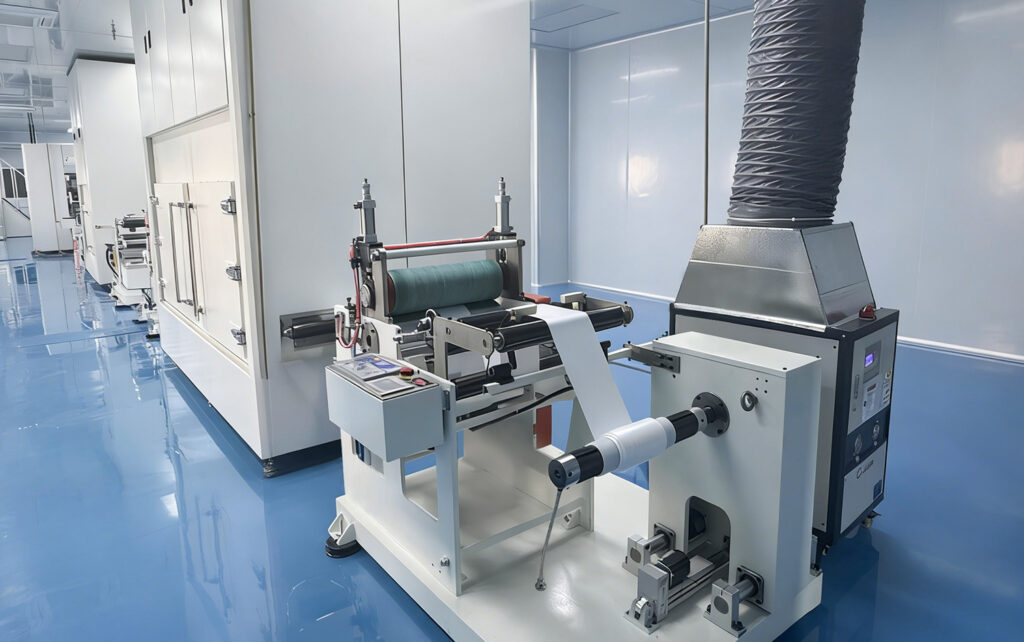
The development of ePTFE technology is set to revolutionize multiple industries by integrating advanced manufacturing techniques and new applications. Emerging trends indicate a strong focus on enhancing the material properties of ePTFE, making it even more versatile for use in demanding environments. Researchers are actively exploring ways to improve its thermal stability and chemical resistance, which can lead to wider applications in industries like pharmaceuticals and biotechnology. Furthermore, the combination of ePTFE with other materials is being studied to create hybrid products that could deliver superior performance characteristics. As sustainability becomes a pressing concern, manufacturers are also looking into eco-friendly production methods that minimize waste while maintaining high quality standards. The synergy between ePTFE membranes and cutting-edge technologies will likely boost functionalities in sectors such as renewable energy and smart textiles, promising to deliver even greater efficiency and effectiveness in challenging conditions.
Conclusion
the varied applications of ePTFE membranes across numerous industries point out their essential role in enhancing performance and durability. From the electronics sector to aerospace and filtration systems, ePTFE membranes consistently improve efficiency and reliability, adapting to the specific demands of each field. This adaptability is a significant advantage as industries evolve and face new challenges, particularly in terms of sustainability and efficiency. As developments continue in material technology, ePTFE is poised to remain at the forefront of innovation, offering solutions that not only meet current operational requirements but also anticipate future trends. The continued exploration of their versatile properties suggests a promising situation where ePTFE technology will improve product quality and effectiveness across a range of applications.
FAQs
What are ePTFE membranes commonly used for?
ePTFE membranes are widely used in industries like electronics, aerospace, and filtration systems due to their lightweight and durable nature.
How do ePTFE membranes boost electronic devices?
These membranes improve signal transmission, reduce signal loss, and protect sensitive components from moisture and contaminants.
What benefits do ePTFE membranes provide in aerospace applications?
In aerospace, ePTFE membranes resist extreme temperatures and pressures, ensuring reliability in critical aircraft components.
Can ePTFE membranes be used in filtration systems?
Yes, they effectively filter out microscopic particles while allowing gases and vapors to pass through, maintaining efficiency.
What makes ePTFE durable in harsh conditions?
Their chemically stable structure enables them to withstand extreme environments without degrading performance or integrity.