important Takeaways
PTFE cable tape wrapping represents a significant advancement in high-frequency connectivity across various industries. Its unique characteristics, such as low dielectric loss and exceptional insulation properties, play an essential role in enhancing the performance of wireless communication systems, particularly 5G. In high-demand environments like aerospace and telecommunications, the importance of PTFE wraps cannot be overstated; they ensure signal integrity and reliability under extreme conditions. Moreover, manufacturers focus on improving the formulation and application techniques for PTFE wraps to meet evolving industry standards and technical requirements. The adaptability of PTFE to various cable types makes it a versatile choice for engineers seeking robust solutions for modern connectivity challenges. As industries continue to embrace new communication technologies, the role of PTFE tape wrapping is poised to expand further, solidifying its status as a cornerstone in the development of advanced cabling solutions that support high-speed data transmission in diverse applications.
PTFE Cable Tape Trends
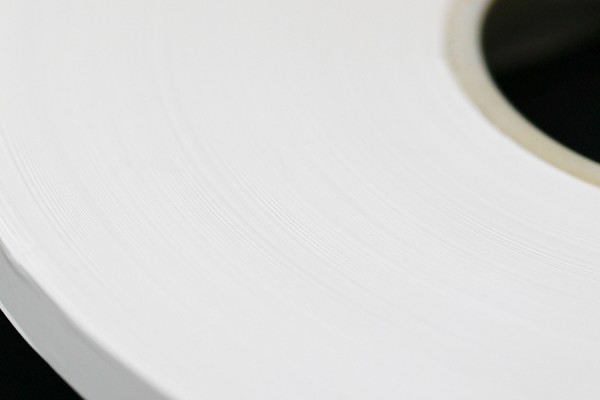
The demand for high-speed transmission line PTFE wrapping tape has surged, driven by advancements in communication technologies. Manufacturers are now focusing on developing more durable and efficient PTFE wrapping film to meet industry standards. This material is essential for ensuring high-frequency performance, especially in sectors like telecommunications and aerospace. As applications for PTFE Thread Seal Tape expand, its compatibility with various high-speed and high-frequency cable wrapping film types becomes increasingly critical. Products like DAC high-speed cable wrapping film and AEC high-speed cable wrapping film are leading the charge in innovation, providing improved insulation and resistance to harsh environments. Companies aim to optimize PTFE cable roll coating techniques, ensuring that the end product meets rigorous quality demands while minimizing dielectric loss. also, organizations are experimenting with new formulations to improve the chemical resistance of these wraps, thus improving their utility across various applications. The interaction between evolving technology and material science continues to reshape the scene of cabling solutions, making PTFE tape a important component in developing robust communication networks.
Enhancing 5G with PTFE
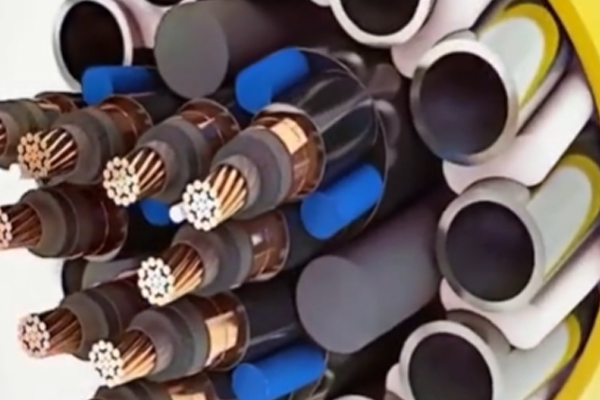
PTFE cable tape wrapping is integral to the advancement of 5G technology, addressing the need for higher speed and bandwidth. Its unique properties significantly reduce dielectric loss, promoting clearer signal transmission without interference. In urban areas, where the density of devices is high, this reduction in loss ensures that communication remains stable and efficient. Furthermore, PTFE’s durability in extreme conditions adds a layer of reliability in challenging environments, such as industrial settings or outdoor applications.
As 5G systems become more prevalent, the requirement for materials that can withstand elevated temperatures and various forms of electromagnetic interference is paramount. PTFE excels in these aspects; it not only maintains performance under stress but also contributes to the longevity of cables used in complex network infrastructures. Integrating PTFE into 5G applications fosters improved connectivity and overall user experience by ensuring that even high-frequency signals can propagate effectively across diverse environments.
The importance of PTFE Wraps
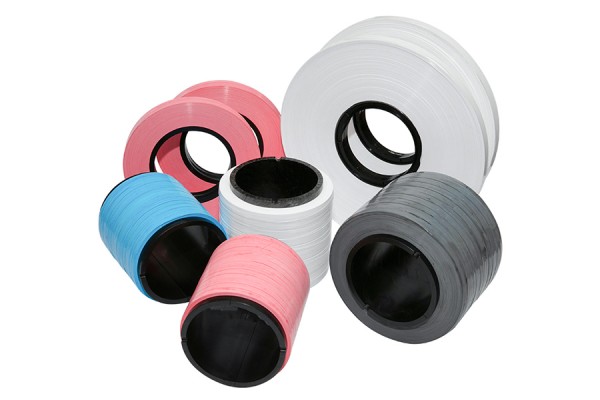
PTFE wraps play a important role in the performance and reliability of various cables, particularly in environments where high frequency and temperature are prevalent. Their exceptional insulation properties make them indispensable for transmitting signals effectively, minimizing loss and interference. This is particularly vital in applications like 5G systems, where maintaining signal integrity is important for operational efficiency. furthermore, PTFE’s resistance to heat, chemicals, and moisture enhances the durability of cables used in harsh environments. As the demand for high-performance connectivity continues to rise across industries such as aerospace and telecommunications, integrating PTFE wraps into cable design ensures that the infrastructure can withstand challenging conditions while delivering consistent performance. Furthermore, advancements in PTFE technology enable better compatibility with evolving communication systems, making these wraps not just important but necessary in modern cable manufacturing.
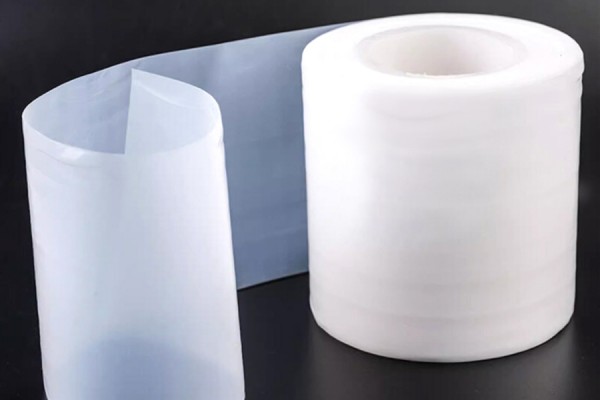
PTFE in Aerospace Tech
this topic plays a vital role in aerospace applications due to its unique properties. The aerospace industry demands materials that can withstand extreme temperatures, corrosive environments, and high-frequency signals. PTFE’s broad temperature tolerance ensures reliable insulation from -150 to 260 degrees Celsius, making it ideal for various components in aircraft. also, its low dielectric loss is important for maintaining signal integrity in communication systems used for navigation and control. Aerospace technology also benefits from PTFE’s durability and chemical resistance, which extend the lifespan of electrical systems subjected to harsh conditions. As the industry pushes towards more advanced aviation technologies, innovations utilizing PTFE continue to improve performance and reliability. The integration of PTFE wraps not only enhances safety but also contributes to the efficiency of communication protocols essential for modern aerospace operations.
High-Frequency Performance Boost
this content significantly enhances the performance of high-frequency systems. Its exceptional low dielectric loss directly impacts signal integrity, making it essential for high-speed applications such as 5G networks. By using PTFE wraps, engineers improve the efficiency of data transmission, reducing potential losses that occur during high-frequency operations. The material’s capability to withstand extreme temperatures and harsh environmental conditions ensures consistent performance in military and aerospace applications, where reliability is paramount. Moreover, the unique properties of ePTFE facilitate "half-air insulation," further mitigating signal degradation. As wireless communication technologies evolve, the demand for advanced solutions like PTFE cable tape wraps continues to rise, driving innovation in system designs and enabling reliable connectivity across an increasingly complex situation.
Insulation benefits of PTFE
the subject offers important insulation benefits that significantly improve the performance of high-frequency connectivity solutions. Its exceptional dielectric properties lead to a low dielectric loss, making it ideal for 5G systems that demand superior signal integrity. The excellent thermal stability of PTFE allows it to operate effectively in a wide range of temperatures, ensuring consistent performance in both hot and cold environments. furthermore, PTFE is inherently resistant to many chemicals, which contributes to the longevity and reliability of cable systems used in harsh conditions. By providing an effective barrier against moisture and other contaminants, PTFE wraps improve overall cable insulation, reducing the risk of short circuits and improving network reliability. This combination of features is critical not only for high-frequency data transmission but also for maintaining robust performance in aerospace and military applications where environmental conditions can be extreme.
PTFE Tape for Harsh Environments
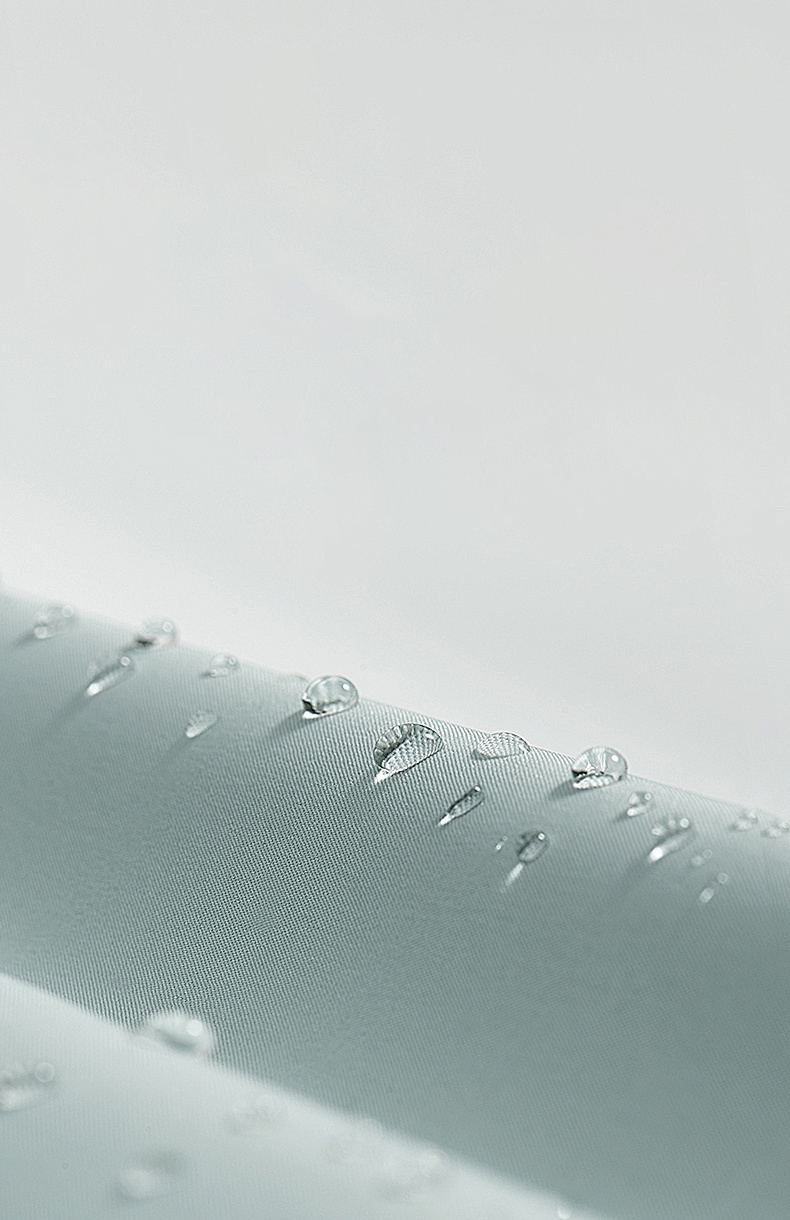
this area excels in demanding conditions, making it ideal for various applications where environmental stresses are common. It maintains its integrity in extreme temperatures, ranging from -150 to 260 degrees Celsius, which is critical for many industrial and military uses. The remarkable chemical resistance of PTFE prevents degradation even in corrosive environments, ensuring long-lasting performance. This durability is important for installations exposed to harsh elements, as it minimizes the need for frequent replacements. Moreover, its flame-retardant properties add an extra layer of safety and reliability in high-risk applications. PTFE’s low dielectric loss means that it can effectively support high-frequency signals without compromising performance, making it a preferred choice for telecommunications equipment operating under strain. In sectors like aerospace and military communications, PTFE wraps are essential in preserving signal quality and ensuring the longevity of equipment exposed to challenging conditions.
Innovations in Cable Wrapping
The evolution of it has introduced numerous advancements aimed at enhancing performance in various applications. New techniques have emerged that focus on adhering tightly to cable surfaces, significantly improving insulation and durability. With innovations in material processing, manufacturers are developing PTFE wraps that not only protect sensitive wires but also actively reduce signal loss. These advanced wraps are designed with greater flexibility, allowing for easier installation and greater adaptability to different cable types. Furthermore, incorporating micro-structured surfaces into PTFE tapes has proven effective in minimizing friction and enhancing heat dissipation, which is critical for high-frequency cables. As the demand for more resilient and efficient connectivity solutions grows, ongoing research is expected to yield even more effective wrapping materials that cater to the specific needs of industries such as aerospace and telecommunications.
Conclusion
this topic stands out as a critical innovation in high-frequency connectivity solutions. Its unique properties provide significant advantages across various industries, ensuring reliable communication in challenging environments. The widespread adoption of PTFE wraps in applications like 5G and aerospace illustrates their importance in modern technology. As demand for faster and more efficient connectivity grows, the role of PTFE becomes even more vital, enabling advancements that were previously unattainable. The continuous evolution of PTFE technology promises improvements in insulation, durability, and performance, meeting the increasing needs of complex network infrastructures. Moreover, as engineers refine application techniques and explore new formulations, the future of cable tape wrapping looks promising. By combining technical excellence with original approaches, PTFE not only enhances existing systems but also paves the way for new developments that will shape communication technologies moving forward.
FAQs
What is this content?
the subject is a type of insulation tape made from polytetrafluoroethylene, designed to wrap cables for improved performance in high-frequency applications.
Why is PTFE used for high-frequency applications?
PTFE has low dielectric loss properties, which minimize signal loss and boost signal integrity, making it suitable for high-speed communication systems.
How does PTFE improve insulation?
PTFE provides effective barriers against moisture and contaminants, ensuring reliable insulation and reducing the risk of short circuits in cable systems.
What are the temperature limits for PTFE cable wraps?
PTFE can operate effectively within a broad temperature range, from -150 to 260 degrees Celsius, which is essential for many industrial and aerospace applications.
Can PTFE wraps withstand harsh environments?
Yes, PTFE offers excellent chemical resistance and durability, allowing it to maintain integrity in extreme conditions often found in industrial and military settings.