main Takeaways
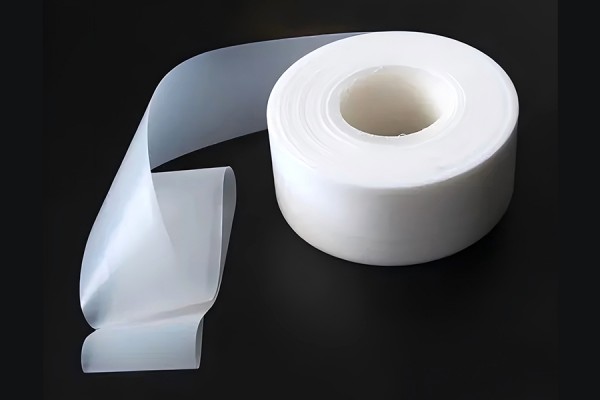
Adopting a PTFE-based wrapping film for cables marks a real shift in modern cabling, boosting insulation, durability, and signal integrity. That material shows standout properties, making it a top pick for high-frequency communications. PTFE’s low dielectric constant keeps signal loss small as data speeds rise. Sectors like aerospace and telecoms gain significantly from its chemical resistance and tolerance for extreme temperatures. Plus, its versatility lets it slot into different cabling layouts without fuss. As tech pushes toward 5G and beyond, the performance gains from this wrapping film will be crucial for manufacturers aiming to satisfy rising demand for dependable, efficient electronics. In short, adding PTFE to cabling designs helps ensure that communication tech can perform reliably and safely in tough environments.
PTFE Film Enhances Cabling
A PTFE-wrapped film for cables plays a key role in contemporary wiring solutions, markedly boosting insulation and resilience. Its distinct properties support fast data transmission, with PTFE wrapping tape effectively shielding components from environmental challenges. It withstands heat, chemicals, and moisture, making it well suited for tough roles in aerospace and telecoms. Using this wrapping tape helps preserve signal integrity, especially where high frequencies are involved. Additionally, when deployed as a cable coating, the DAC high-speed film boosts efficiency by reducing signal loss and cutting electromagnetic interference. As tech advances and bandwidth demands rise, the use of the AEC high-speed film becomes more critical. So, incorporating PTFE Thread Seal Tape into electrical systems raises performance and extends the service life of key components, keeping reliability under tough conditions. Furthermore, using ACC high-speed wrapping film opens up new approaches in cabling that meet future needs in advanced wiring applications.
Advanced insulation solutions
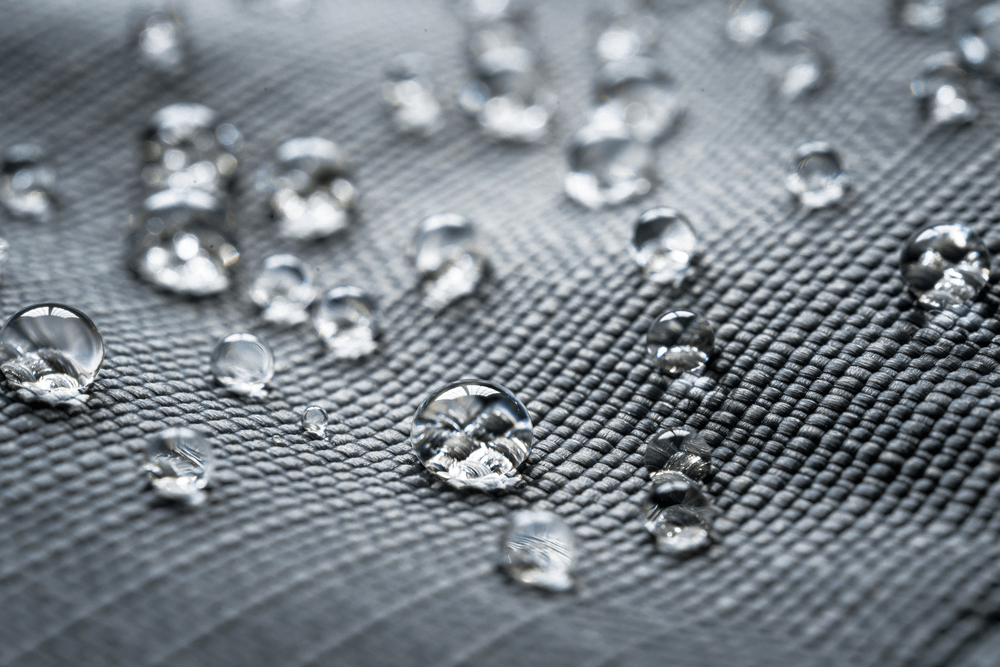
A PTFE-based wrap for cables delivers superior insulation essential to contemporary wiring systems. Its low dielectric constant markedly reduces signal loss, making it ideal for high-speed data transfer. This material not only curtails interference but also endures harsh environments, which matters in aerospace and telecom sectors. Its remarkable thermal stability ensures dependable performance across a broad temperature span, from -150 to 260 degrees Celsius. As technology advances, demand grows for materials that boost insulation without sacrificing flexibility or durability. PTFE’s distinctive structure enables easy application and adaptation in multiple layouts, ensuring a snug fit around cables. Its chemical inertness further guarantees it won’t degrade over time, delivering long-lasting performance in demanding scenarios. This insulation solution supports growing needs in industries that depend on advanced cabling techniques such as 5G and beyond.
Signal integrity with PTFE
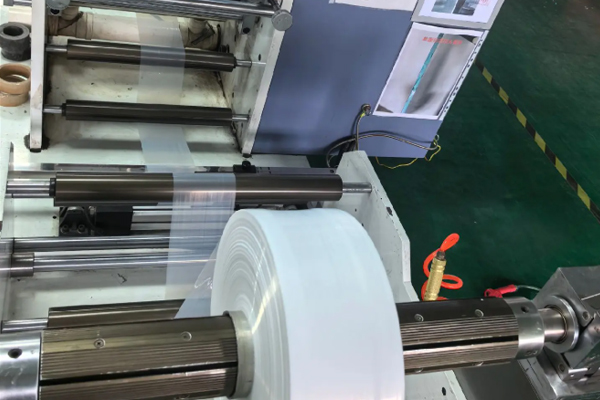
A PTFE-based wrap for cables plays a crucial role in preserving signal integrity for high-frequency use. Its low dielectric constant and low loss help minimize disruption, making it suitable for sophisticated electronics. As an insulator, the PTFE layer reduces EMI, important for systems that require fast data transfer. Its microporous structure creates a balance of internal and external pressure, boosting performance in delicate devices like smartphones and automotive radar. As tech evolves toward more complex networks such as 5G/6G, dependable insulation becomes even more critical. A PTFE-based wrap for cables not only meets those demands but also boosts the overall efficiency of high-frequency transmission by preserving data integrity through its strong insulating traits.
Durability of PTFE Materials
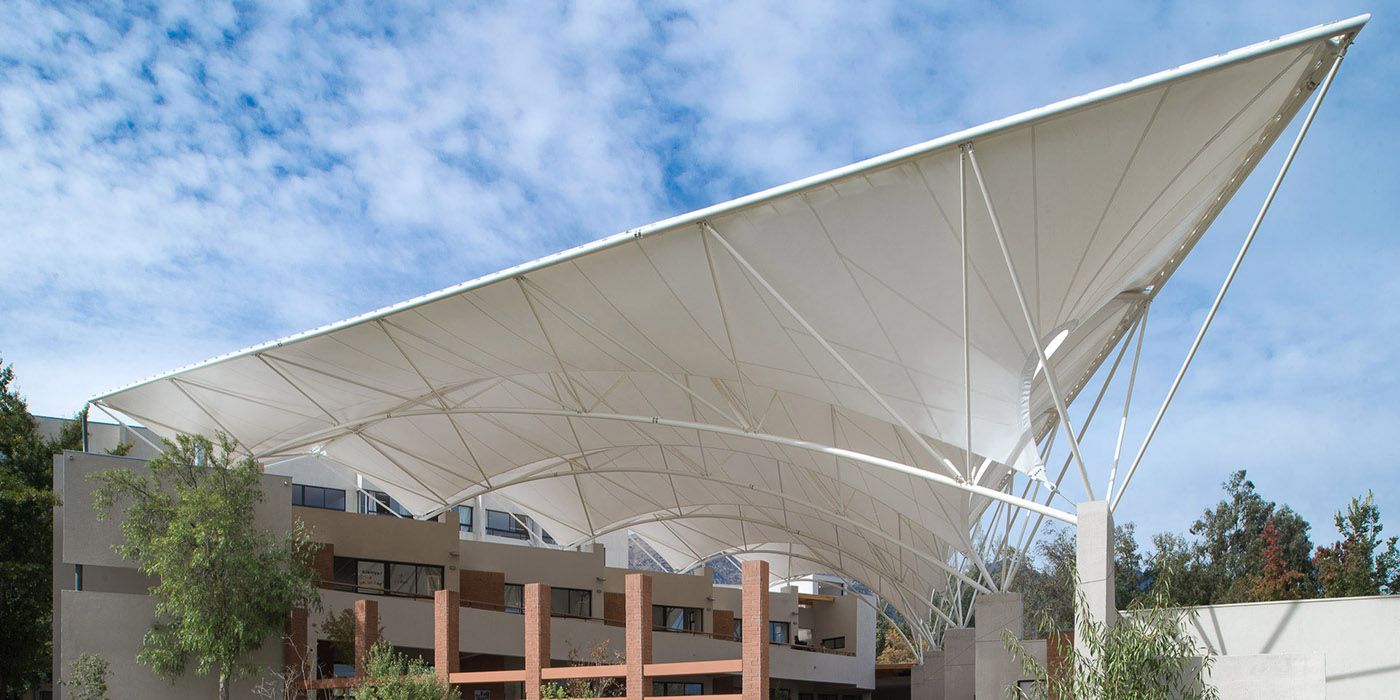
PTFE compounds show remarkable durability, fitting for tough applications. Their capacity to endure temperatures from -150 to 260 C ensures dependable performance in harsh settings. This thermal resilience matters for industries facing severe conditions, including aerospace and automotive. Beyond heat resistance, PTFE is chemically inert, delivering strong protection against corrosive agents. That trait extends the lifespan of parts coated with PTFE films, keeping them reliable over time. PTFE’s distinctive molecular makeup boosts its resistance to wear, enabling it to withstand mechanical stress without breakdown. Also, PTFE’s electrical insulation helps shield essential wiring from EMI, reinforcing its place as a staple in advanced cabling. Together, these durable traits underscore the importance of PTFE materials in today’s high-speed data transmission applications.
High-Frequency Cabling Insights
A PTFE-based wrap for cables plays a key part in delivering peak performance for high-frequency cabling. As devices seek quicker data transfer, the effectiveness of insulators becomes even more crucial. PTFE’s low dielectric constant reduces signal loss, ensuring clear and dependable communication. This trait matters especially in 5G and fast networks, where small losses can badly affect performance. Additionally, its strong thermal stability keeps it performing in extreme conditions, preserving electrical integrity across a broad temperature span. The microporous structure of ePTFE aids signal flow and also aids cooling by promoting airflow around delicate parts. This mix of traits makes a PTFE-based wrap for cables indispensable for makers aiming to improve reliability and efficiency in high-frequency cabling. Given its solid performance under tough conditions, PTFE stays a preferred option for contemporary electronics and communications.
Modern electronic coatings
Contemporary electronic coatings rely on PTFE-based cable wraps to deliver outstanding insulation for a range of devices. That material not only strengthens coating durability but also markedly boosts signal integrity, key for high-frequency use. Thanks to its low dielectric constant, PTFE reduces signal loss and supports efficient data transfer in advanced cabling. In addition, PTFE’s chemical inertness shields against environmental wear, important for devices in harsh settings. Applying this film in modern coatings boosts performance for smartphones, automotive electronics, and telecom gear. By adopting these coatings, makers can ensure products meet rising requirements for efficiency and reliability in today’s rapidly evolving tech landscape.
Versatile cabling innovations
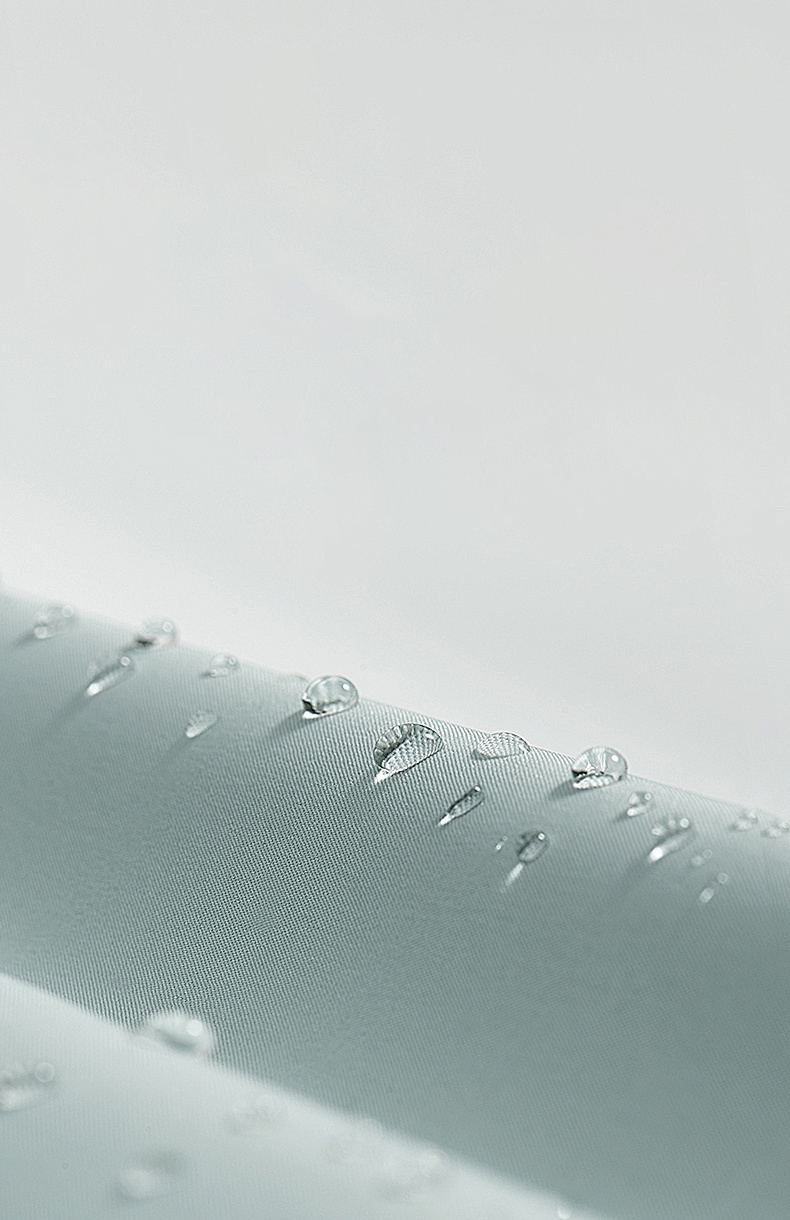
A PTFE-based cable-wrapping film holds a key part in advancing cabling tech, delivering greater versatility across different uses. Its distinctive traits enable strong thermal stability and corrosion resistance, suitable for both everyday and demanding settings. The light weight of PTFE film eases installation and boosts overall energy efficiency in electronic systems. Additionally, this material’s waterproof and breathable features support use in environments demanding tight environmental control. Advances in PTFE film manufacturing have spurred progress in flotation protection and the creation of modular cabling solutions adaptable to varied industries. As makers strive to satisfy modern communication demands, incorporating PTFE film into design processes keeps pushing improvements in signal fidelity and system reliability, backing a range of advanced wiring applications including 5G networks and aerospace engineering.
PTFE for High-Tech Wiring
A PTFE-based cable-wrapping film plays a crucial part in contemporary wiring, especially in advanced tech contexts. That material offers excellent insulation traits needed for circuits under extreme conditions. Its low dielectric constant and strong thermal stability suit sensitive electronics, including automotive and aerospace sectors. PTFE’s chemical inertness helps it stay functional over time, resisting degradation from harsh substances. Additionally, the film’s excellent resistance to electromagnetic interference supports maintaining signal integrity, especially in high-frequency systems. It enables better performance without distortion, boosting the overall efficiency of devices. As tech needs evolve, using PTFE in wiring not only meets present requirements but also foresees future progress in communication and data transfer tech. By integrating PTFE-based cable wraps into sophisticated wiring, manufacturers can deliver reliable connections essential for contemporary electronics.
Conclusion
The part played by PTFE-based cable wraps in current cabling solutions is hard to overstate. Its top-notch insulation, plus durability and chemical resistance, supports dependable performance in harsh environments. That flexibility makes PTFE applicable across fields from aerospace to telecoms, where keeping signal integrity matters. Additionally, as the need for quicker data transfer grows with 5G and beyond, embedding this film into cabling has become essential. The film protects components and improves overall efficiency by reducing signal loss and interference. By integrating PTFE into designs, makers can ensure their products meet the rigorous requirements of today’s tech landscape while gearing up for future advances in communication and data transfer.
FAQs
What is this PTFE-based cable-wrapping film?
This PTFE-based wrap for cables is a focused insulating material used in electrical work to boost signal integrity and shield wiring from environmental influences.
How does PTFE enhance signal integrity?
It boosts signal integrity by possessing a low dielectric constant that cuts signal loss and lowers EMI, crucial for high-frequency uses.
What temperature range can PTFE materials handle?
PTFE resists temperatures from -150 to 260 C, suitable for harsh conditions across many sectors.
Is PTFE chemically inert?
Yes, PTFE is chemically inert and resistant to corrosive substances, ensuring longevity and performance in tough environments.
Can PTFE be employed in 5G networks?
Absolutely. PTFE’s distinctive properties make it ideal for high-speed data transmission in 5G networks, where reliable insulation is essential.