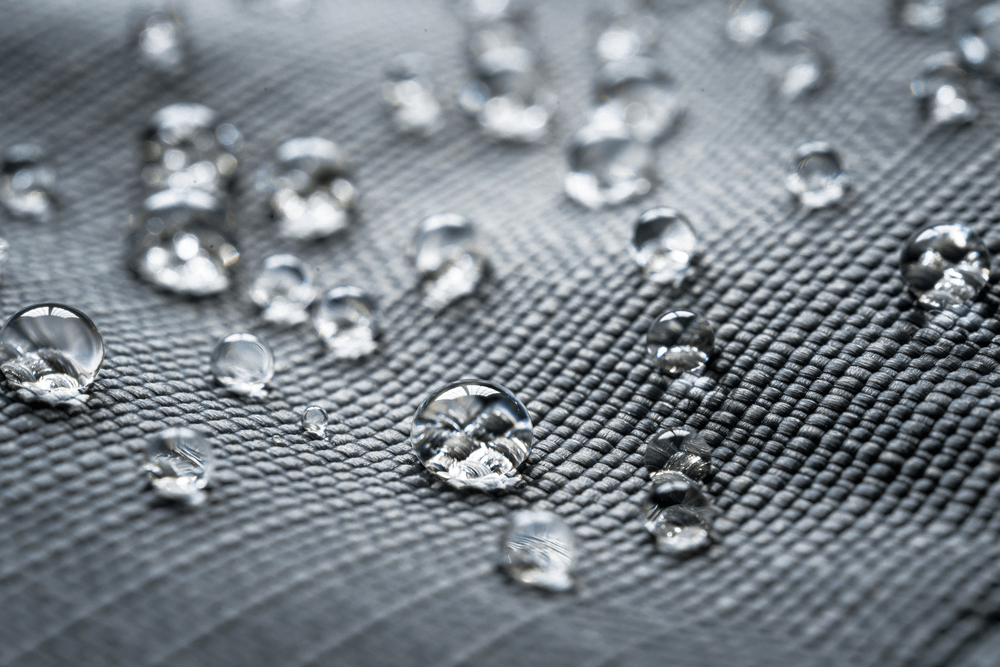
important Takeaways
PTFE cable tape wrapping remains crucial for keeping performance high in tough settings. Its strong insulation capability shields cables from extreme heat and corrosive agents, preserving longevity and usability. This material achieves a noticeable drop in signal loss thanks to its low dielectric constant, making it ideal for high-frequency work across many sectors. PTFE’s rugged character not only strengthens cable durability but also reduces upkeep costs over time. As industries push for dependable operation under tough conditions, PTFE cable tape wrapping stands out as a key solution in advanced cable management. highlighting both durability and efficiency, PTFE plays a crucial role in the reliability of modern electrical systems.
Advantages of PTFE Tape
PTFE wrapping tape proves essential across many industries, especially where rapid data transfer matters. This advanced material is renowned for its excellent insulation, making it suitable for applications such as RF coaxial cables and high-frequency data lines. By reducing dielectric loss, the wrapping ensures signals stay intact over long distances. In telecommunications, faster, more dependable connections drive the use of PTFE wraps in 5G and 6G technologies. Moreover, its durability helps it perform consistently even in harsh conditions. Automotive sectors also benefit from PTFE wrapping tape, as it shields wiring harnesses from environmental factors that could cause degradation. Overall, employing high-speed tapes like PTFE is a crucial tactic for boosting cable performance in high-temperature and demanding settings. This versatility underlines the broad adoption and reliability of PTFE-based wrapping across many industries.
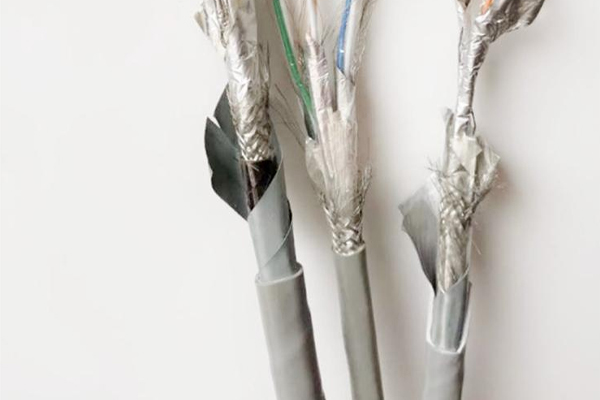
Enhancing cable performance
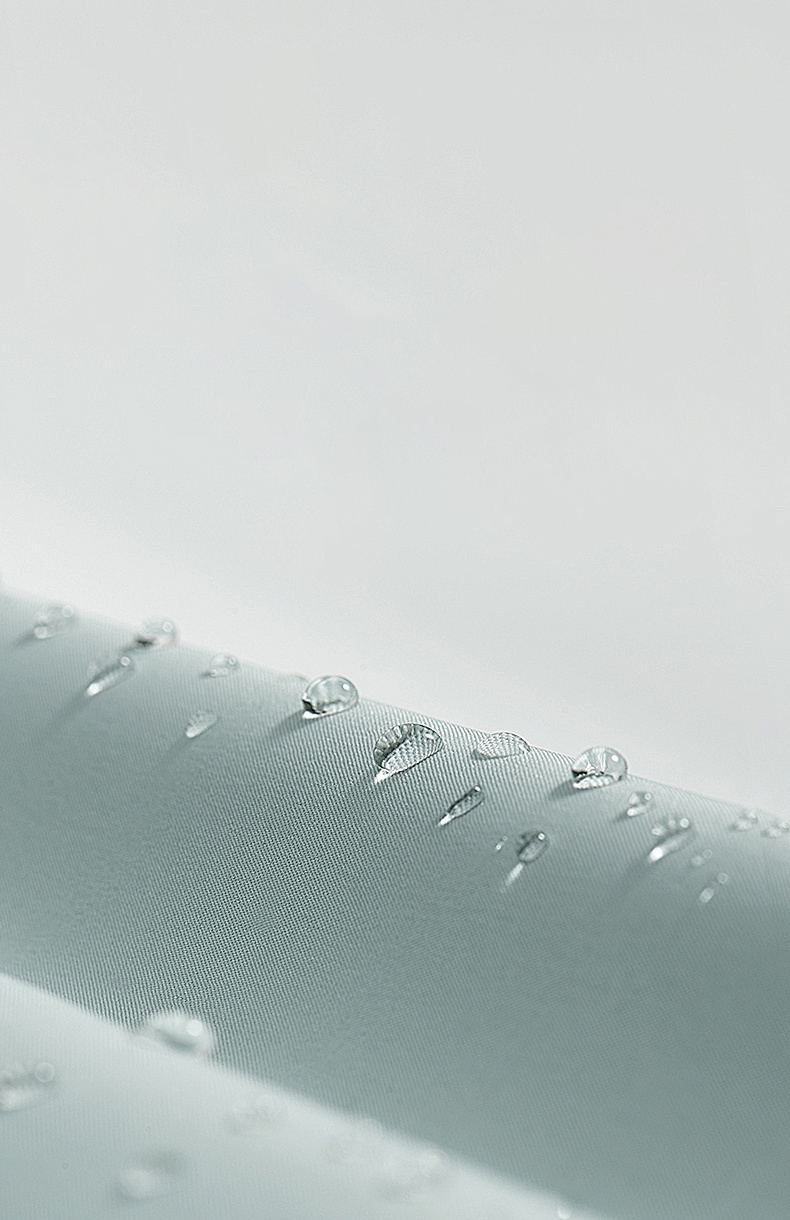
PTFE tape wrapping significantly improves cable performance by providing superior insulation and minimizing signal loss. The unique properties of PTFE, such as its low dielectric constant and excellent thermal stability, ensure efficient data transmission even in high-frequency applications. This material acts as a barrier against environmental factors, preventing interference from moisture, heat, and chemicals that could compromise cable integrity. The microporous structure of ePTFE not only aids in waterproofing but also contributes to acoustic dampening, which is essential for sensitive electronic devices. By enhancing the resilience of cables under extreme conditions, PTFE tape wrapping plays a vital role in maintaining optimal functionality across various industries, including telecommunications and aerospace.
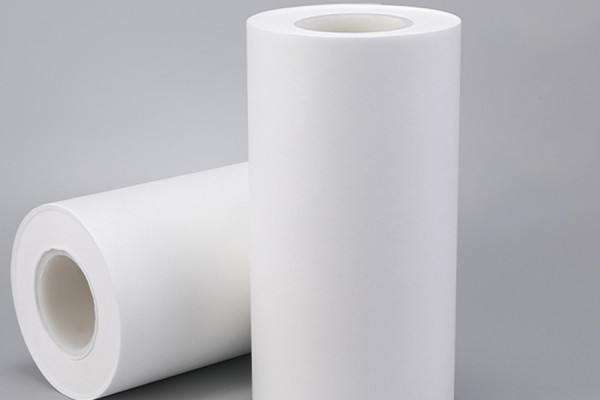
PTFE Solutions for Tough Environments
PTFE wrapping tape is designed to excel in challenging environments, delivering sturdy protection for cables facing extreme temperatures and tough conditions. This material’s distinctive traits, including high chemical resistance and exceptional thermal stability, make it indispensable in fields where reliability matters. PTFE’s capacity to resist corrosive substances helps keep cables intact and functional even in the harshest environments.
"In challenging situations, the combination of durability and insulation provided by PTFE tape significantly increases cable lifespan."
Moreover, the lightweight character of PTFE contributes to reduced stress on cable assemblies, boosting overall efficiency. Its effective dielectric properties translate to minimal energy loss during transmission, making it an excellent choice for applications demanding high performance amidst mechanical stress or temperature fluctuations. By utilizing PTFE wrapping, firms protect their assets and maintain operational continuity across sectors like aerospace and telecommunications where performance cannot be compromised.
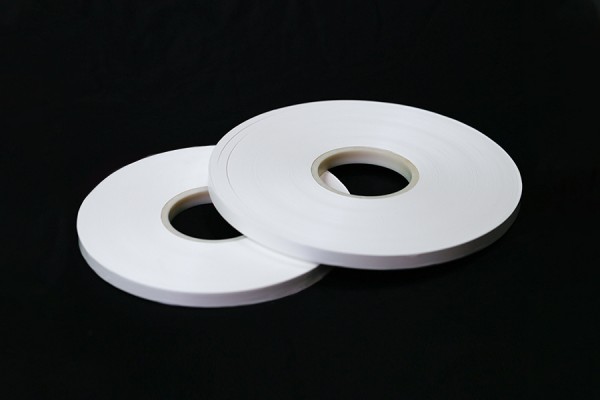
Durability of PTFE Wrapping
PTFE wrapping shows exceptional durability, making it well-suited for demanding tasks. Its strong chemical resistance lets it resist exposure to various harsh substances without breaking down. This trait is crucial in settings where cables might meet corrosive elements. The material’s outstanding thermal stability lets it endure extreme temperatures, preserving its integrity and performance over time. Additionally, PTFE’s low-friction surface reduces wear during installation and operation, further extending life. This robustness means fewer replacements and lower maintenance costs across sectors like aerospace, automotive, and telecommunications. As industries depend on high-performance parts, PTFE wraps offer a solid solution that meets demanding standards while supporting high-speed signal transmission.
Application of High-Speed Tapes
PTFE wrapping tape proves essential across many industries, especially where rapid data transfer matters. This advanced material is renowned for its excellent insulation, making it suitable for applications such as RF coaxial cables and high-frequency data lines. By reducing dielectric loss, the wrapping ensures signals stay intact over long distances. In telecommunications, faster, more dependable connections drive the use of PTFE wraps in 5G and 6G technologies. Moreover, its durability helps it perform consistently even in harsh conditions. Automotive sectors also benefit from PTFE wrapping tape, as it shields wiring harnesses from environmental factors that could cause degradation. Overall, employing high-speed tapes like PTFE is a crucial tactic for boosting cable performance in high-temperature and demanding settings. This versatility underscores the broad adoption and reliability of PTFE-based wrapping across many industries.
Insulation in Extreme Conditions
PTFE wrapping tape excels at insulation under extreme conditions. This material resists high temperatures, often surpassing 260°C. Its superb thermal properties suit environments where standard materials might fail. Beyond heat resistance, PTFE provides low dielectric loss, ensuring efficient signal transmission even in high-frequency scenarios. This makes it a solid choice for industries like aerospace and telecommunications, where reliability matters. The chemical stability of PTFE also supports performance in tough environments, shielding cables from corrosive substances and moisture. By minimizing electrical leakage and preserving optimal performance, PTFE wrapping aids the integrity of electronic systems under extreme demands.
PTFE in Electronics Wiring
PTFE-wrapped cables play a crucial role in electronics wiring, delivering superior insulation and protection. Its excellent dielectric properties markedly reduce signal loss, making it effective for high-frequency use. This matters in settings where reliable transmission is essential, like telecommunications and data networks. In addition, PTFE’s strong heat resistance ensures cables stay functional even with wide temperature swings. Beyond electrical traits, PTFE wrapping offers outstanding corrosion resistance, shielding wiring from harsh environmental factors. This durability means longer-lasting cable assemblies and lower maintenance costs, extending the life of electronic devices. PTFE’s versatility suits a broad spectrum of applications, from consumer electronics to automotive wiring, ensuring solid performance across industries. As demand for efficient electronic components grows, the role of PTFE in improving wiring solutions remains significant.
Corrosion resistance benefits
PTFE-wrapped tape offers strong protection against corrosion, making it ideal for harsh environments. Its chemical resistance lets it withstand exposure to a range of substances, including acids, bases, and solvents. This durability is particularly useful in sectors where equipment faces corrosive elements, such as manufacturing and chemical processing. By forming a protective barrier around cables, this wrapping prevents degradation over time, extending the lifespan of critical components. The low-friction properties of PTFE also contribute to reducing wear and tear, which further diminishes the risk of corrosion-related failures. This robust performance under corrosive conditions not only ensures operational efficiency but also reduces maintenance costs associated with cable replacement or repairs. In summary, the corrosion resistance of PTFE tape wrapping enhances reliability in demanding applications while safeguarding essential electronic connections against damaging environmental factors.
Conclusion
PTFE-wrapped tape stands as a crucial solution across many industrial settings thanks to its strong characteristics. Its ability to resist extreme temperatures and corrosive environments helps cables stay intact, delivering dependable performance over time. Beyond durability, PTFE’s insulation properties reduce signal loss, boosting the effectiveness of high-speed data transmissions. Industries like telecommunications and aerospace rely on these traits, where precision and reliability are essential. Additionally, the light weight of PTFE-wrapped tape reduces strain on wire assemblies, aiding efficiency in systems facing mechanical stress or environmental challenges. As industries evolve and demand for sturdy cable solutions grows, PTFE-wrapped tape remains a core element in maintaining operational continuity while extending equipment life across sectors.
FAQs
What is this PTFE-coated cable wrap?
PTFE-coated cable wrap is a specialized material used for insulating and protecting cables in high-temperature and high-frequency environments.
What are the key advantages of using PTFE tape?
PTFE tape offers strong insulation, longevity, reduced signal loss, and resistance to temperature swings and corrosive elements.
Which sectors frequently rely on PTFE cable tape?
PTFE-wrapped protection is common in telecom, aerospace, automotive, and electronics sectors thanks to its dependable performance under tough requirements.
How does PTFE wrapping boost signal transmission?
PTFE’s low dielectric constant lowers energy loss during signal transfer, helping preserve performance in high-frequency uses.
Can PTFE tape endure very high temperatures?
Yes, PTFE tape tolerates temperatures around and beyond 260°C without sacrificing its insulating performance, making it fit for harsh environments.
Is PTFE environmentally acceptable?
PTFE itself is a stable material; however, its environmental impact depends on disposal methods. Proper disposal techniques can minimize negative effects.
How long does PTFE cable wrapping last?
The service life varies by application and environment, but its durability often yields longer lifespans than conventional materials.
What makes PTFE wrapping economical?
While upfront costs may be higher, the durability and reduced maintenance needs of PTFE cables often translate into lower long-term expenses.
Is PTFE cable tape easy to apply?
Yes, PTFE tape can be readily applied during cable assembly because of its light weight and flexibility.
How does PTFE perform in corrosive environments?
PTFE offers strong chemical resistance against acids and solvents, shielding cables from corrosion even in harsh conditions.