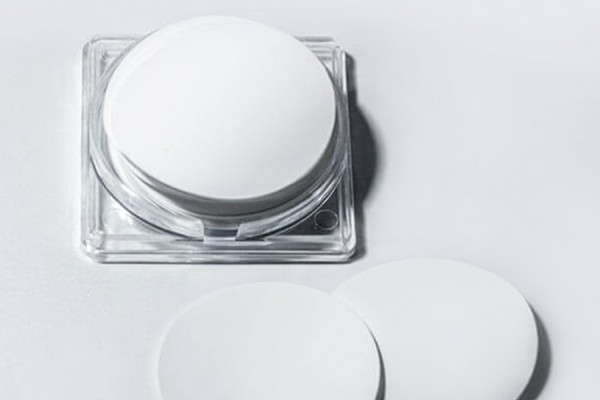
important Takeaways
PTFE high-speed cable film offers significant advantages that boost the performance and reliability of electrical systems. Its exceptional insulation properties prevent signal loss, which is key for high-frequency applications like 5G communication. The film’s thermal stability, able to withstand extreme temperatures from -200°C to +260°C, ensures consistent functionality, protecting critical components during operation. furthermore, PTFE’s resistance to corrosion extends the life of electrical wiring, making it a helpful choice for industries exposed to harsh conditions. The lightweight nature of the film simplifies installation and contributes to overall system efficiency without sacrificing durability. Furthermore, its low dielectric constant improves signal integrity by reducing interference from external electromagnetic sources. These characteristics together position PTFE high-speed cable film as a important material in advancing technologies across aerospace, automotive, and communications sectors, addressing the growing demands for reliable signal transmission in increasingly complex environments.
Enhancing signal integrity with PTFE Film
PTFE high-speed cable film plays a vital role in maintaining signal integrity across various applications. Its low dielectric constant minimizes signal loss, making it suitable for high-speed transmission lines and RF communication. This cable wrapping film effectively shields sensitive signals from external electromagnetic interference, ensuring consistent performance in demanding environments. The lightweight and flexible nature of PTFE allows for easy processing, facilitating the creation of complex wire configurations needed in modern technology. Furthermore, it displays outstanding thermal stability, enabling reliable operation even in extreme temperatures ranging from -200°C to +260°C. This reliability is particularly essential for industries like aerospace and automotive where performance cannot be compromised. By integrating DAC and AEC high-speed cable wrapping films into designs, manufacturers can achieve optimal durability and protection against the elements. Ultimately, utilizing PTFE wrapping film not only enhances electrical performance but also ensures the longevity of vital components in any electronic assembly.
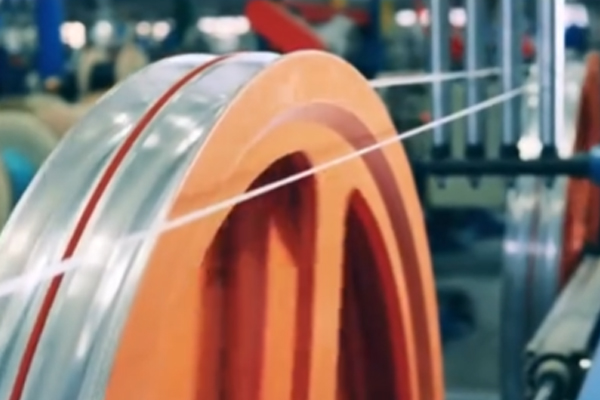
Top benefits of PTFE Cable Film
PTFE high-speed cable film is recognized for several main advantages that boost electrical performance in demanding environments. Its exceptional insulation properties ensure minimal signal loss, promoting efficient data transmission, which is vital for applications such as 5G communication. The film’s high heat resistance allows it to operate effectively across a wide temperature spectrum, from -200°C to +260°C, making it suitable for extreme conditions encountered in aerospace and automotive industries. Furthermore, its strong corrosion resistance protects cables from harsh chemicals and environmental factors, prolonging the lifespan of electrical components. The lightweight and durable nature of PTFE cable film also simplifies installation processes while minimizing the overall weight of wiring systems. also, its low dielectric constant is a significant advantage for high-frequency applications like RF and microwave communication cables, ensuring reliable signal integrity. Overall, PTFE cable film stands out as a reliable choice for enhancing the durability and performance of various electrical systems.
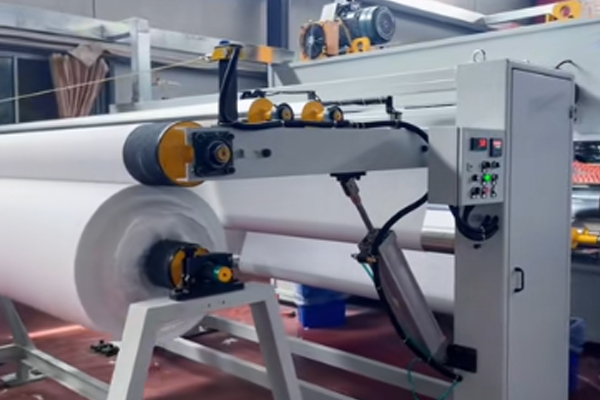
Durability in Harsh Environments
PTFE high-speed cable film is specifically designed to withstand challenging conditions encountered in various applications. It excels in environments with extreme temperatures and significant exposure to chemicals, ensuring consistent performance where traditional materials may fail. Its remarkable thermal resistance maintains functionality in temperatures ranging from -200°C to +260°C, with the capability to endure brief spikes above 300°C.
Moreover, this cable film demonstrates outstanding chemical inertness, making it resistant to corrosive substances often found in industrial or marine settings. The lightweight composite structure enhances durability without compromising functionality, allowing it to perform under mechanical stress and abrasive environments with ease. This resilience is particularly beneficial for applications like aerospace and automotive, where reliability is paramount.
"The effective performance of PTFE under harsh conditions makes it an essential component in modern electrical systems."
Such durability not only contributes to the longevity of systems but also enhances their overall safety and efficiency by minimizing failures caused by material degradation over time. The combination of thermal stability and chemical resistance positions PTFE high-speed cable film as a superior choice for critical wiring applications.
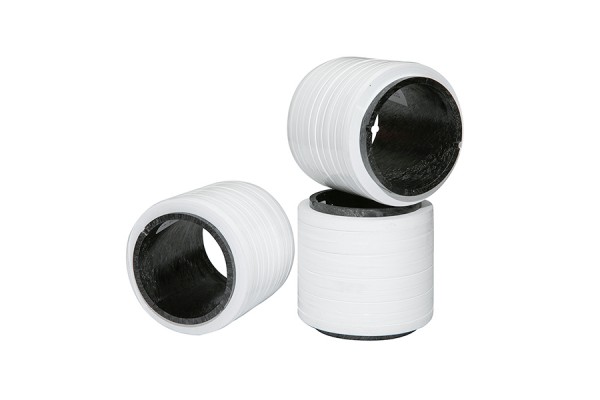
5G Applications of PTFE Film
PTFE high-speed cable film plays a vital role in 5G technology due to its exceptional electrical performance. Its low dielectric constant is important for efficient signal transmission in high-frequency applications. This film supports the increasing demand for data transmission rates required by 5G networks, ensuring that signals remain clear and robust even over extensive distances. The anti-corrosion properties of PTFE make it an excellent choice for outdoor installations, where exposure to harsh environmental conditions can degrade other materials. Moreover, the heat resistance capabilities allow it to function effectively in situations where cables may encounter high temperatures. With the rise of smart cities and connected devices, the reliable performance of PTFE film is essential in maintaining network integrity and reducing latency in communication systems. Its application extends beyond traditional cables to specialist environments like data centers, where maintaining signal fidelity is critical for high-speed data processing and transmission.
Understanding PTFE Cable Properties
PTFE, or polytetrafluoroethylene, exhibits unique characteristics that make it a preferred choice for high-speed cable applications. Its low thermal expansion coefficient ensures stability across temperature changes, which is especially important in environments with rapid thermal fluctuations. The material maintains flexibility while providing excellent electrical insulation, allowing for minimal signal loss over long distances. also, PTFE is chemically inert; it resists corrosion from harsh chemicals and environments. This attribute is vital for applications in sectors like aerospace and automotive, where cable integrity is critical for safety and performance. The microporous network structure within PTFE contributes to its low dielectric constant, making it effective for RF and microwave signals. This property not only enhances signal clarity but also improves overall transmission efficiency in data applications such as 5G communications. With its ability to endure extreme temperatures, from -200°C to +260°C, PTFE stands out as a robust solution for various demanding scenarios.
Aerospace standards for PTFE Films
Aerospace applications demand strict compliance with performance and safety standards. PTFE high-speed cable films play a important role in meeting these requirements, exhibiting properties essential for extreme environments. For instance, films are evaluated against criteria such as thermal expansion and temperature tolerance to ensure they maintain structural integrity across varying conditions. The lightweight yet robust nature of PTFE contributes to fuel efficiency while offering reliable insulation and electromagnetic shielding. Moreover, PTFE’s ability to withstand temperatures from -200°C to +260°C proves beneficial in aerospace scenarios where equipment operates in severe thermal gradients. also, rigorous testing is conducted for flame retardancy and chemical inertness, both vital for reducing the risk of hazards in aircraft operations. This adherence to aerospace standards positions PTFE films as an attractive choice for wiring and communication in modern aircraft systems, enabling seamless integration of advanced technologies while ensuring safety and reliability throughout flight operations.
Maximizing electrical safety
the design of PTFE high-speed cable film plays a significant role in ensuring electrical safety across various applications. With its exceptional dielectric strength, this film effectively prevents electrical breakdown, allowing for safer signal transmission. Its superior insulation properties safeguard against short circuits and electrical fires, critical in environments such as automotive and aerospace industries where safety is paramount. The thermal stability of PTFE enables it to maintain performance under extreme conditions, reducing the risk of failures due to overheating. Furthermore, PTFE’s corrosion resistance protects cables from chemical exposure and environmental stresses, extending their operational life and reliability. This combination of durability and insulating capabilities means that when used in high-stakes applications, PTFE high-speed cable film not only enhances performance but also prioritizes the safety of systems and personnel alike.
PTFE for Automotive Reliability
PTFE high-speed cable film plays a vital role in the automotive sector, where reliability and performance are non-negotiable. Its exceptional heat resistance ensures that cables operate effectively in high-temperature environments, such as under the hood of vehicles. The material’s lightweight nature contributes to overall vehicle efficiency, while its low thermal expansion coefficient prevents deformation during temperature fluctuations. PTFE’s anti-corrosive properties also guard against harsh chemicals commonly encountered in automotive settings, enhancing the longevity of electrical components. furthermore, its effective electromagnetic shielding minimizes interference from surrounding electronic systems, ensuring stable communication and control signals within the vehicle. As automotive technology advances towards electric and hybrid models, PTFE cable film is becoming increasingly essential for maintaining electrical integrity throughout complex wiring systems. Its proven track record that aligns with rigorous industry standards solidifies its role as a main component in modern automotive applications.
Conclusion
incorporating PTFE high-speed cable film into electrical systems significantly enhances performance and reliability. Its unique properties, such as low dielectric constant and high thermal stability, ensure optimal signal transmission even in the most demanding conditions. This film not only withstands extreme temperatures but also offers remarkable chemical resistance, prolonging the lifespan of essential wiring in industries like aerospace and automotive. The effective insulation properties of PTFE prevent electrical breakdowns, contributing to safer operations in critical applications. As technology advances with the emergence of 5G communications and electric vehicles, the role of PTFE films becomes increasingly central in meeting the stringent demands of modern electrical systems. By adopting this advanced material, manufacturers can ensure not only superior electrical performance but also greater safety and longevity for their products.
FAQs
What is PTFE high-speed cable film?
PTFE high-speed cable film is a specialized material used for insulation and protection in electrical cables, known for its excellent heat resistance, low dielectric constant, and corrosion resistance.
What applications benefit from PTFE cable film?
PTFE cable film is ideal for applications in 5G communication, aerospace, and automotive industries where reliable signal transmission and durability under extreme conditions are essential.
How does PTFE boost signal integrity?
PTFE maintains signal integrity by minimizing signal loss due to its low dielectric constant while also shielding against electromagnetic interference, ensuring consistent performance in demanding environments.
What temperatures can PTFE high-speed cable film withstand?
PTFE can operate effectively in extreme temperatures ranging from -200°C to +260°C, with brief tolerances above 300°C, making it suitable for various industrial settings.
Is PTFE environmentally friendly?
While PTFE is chemically inert and does not easily degrade in the environment, its production and disposal should be managed according to specific regulations to minimize environmental impact.
How does PTFE contribute to electrical safety?
PTFE’s high dielectric strength prevents electrical breakdowns and short circuits while maintaining performance under extreme conditions, enhancing the safety of electrical systems.