important Takeaways
ePTFE membranes represent a versatile solution with extensive applications across multiple sectors. In electronics, their role as insulation enhances signal quality while simultaneously managing heat and moisture, essential for devices operating in high-speed environments. The healthcare industry greatly benefits from ePTFE’s biocompatibility, enabling safer interactions with human tissue in medical devices. This material’s filtration capabilities also ensure surgical sterility, important for patient safety. Renewable energy systems leverage ePTFE’s durability and gas permeability, optimizing safety in lithium batteries and hydrogen fuel cells. The membranes contribute significantly to sound control in electronics and automotive applications, balancing noise reduction with airflow. Overall, the ongoing innovations surrounding ePTFE technology continue to reveal its potential to improve performance and reliability across diverse fields. Each sector adapts these membranes to meet specific challenges, showcasing their adaptability and importance in advancing modern technologies.
Applications of ePTFE Membrane
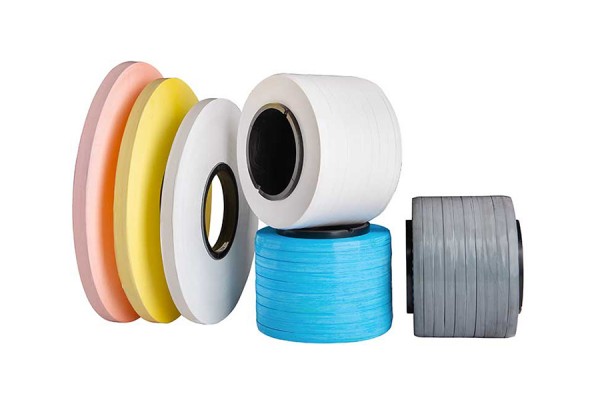
ePTFE membranes play a important role in various industries, thanks to their unique properties. In electronics, they serve as effective insulation for high-speed transmission lines, such as those using PTFE wrapping tapeand PTFE cable wrapping tape. These materials improve signal integrity and support high-frequency applications needed for advanced communications like 5G and 6G technologies. In the healthcare sector, the biocompatibility of ePTFE makes it essential for devices such as artificial blood vessels and wound dressings, where safety and durability are paramount. Furthermore, in renewable energy applications, ePTFE is used in DAC high-speed cable wrapping filmfor batteries and sensors, ensuring reliable performance in demanding environments. Sound control is another notable application; the membranes help maintain acoustic integrity in devices ranging from smartphones to outdoor communication systems. As innovations emerge, the use of PTFE thread seal tapein various filtration systems showcases the versatility of this material across different applications, ultimately enhancing performance in diverse sectors.
ePTFE Benefits in Electronics
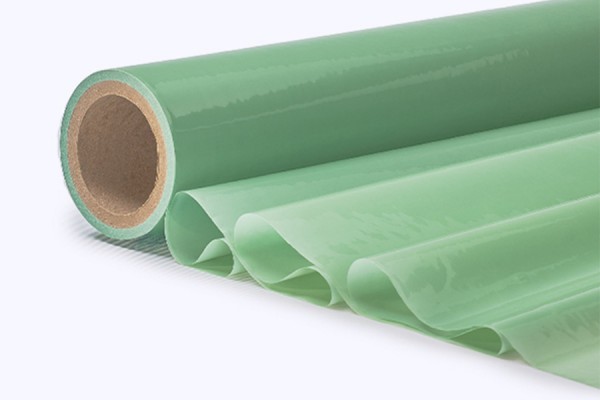
ePTFE membranes provide significant advantages in the electronics sector. Their unique properties make them ideal for various applications, especially in high-performance environments. For instance, ePTFE is used as insulation for 5G and 6G cables, where low dielectric loss is essential for maintaining signal integrity. The microporous structure allows the membranes to prevent moisture ingress while facilitating optimal airflow, thus protecting sensitive electronic components. furthermore, ePTFE membranes are utilized in acoustic applications, functioning as waterproof membranes that do not compromise sound quality. This is particularly beneficial in consumer electronics like smartphones and headphones where clarity and durability are important. Furthermore, the material enhances thermal management by withstanding extreme temperatures without degrading, ensuring the longevity and reliability of electronic devices. The interaction between durability and performance positions ePTFE as an integral element within modern electronics manufacturing, supporting innovations that demand higher efficiency and reliability in increasingly compact designs.
Transforming healthcare with ePTFE
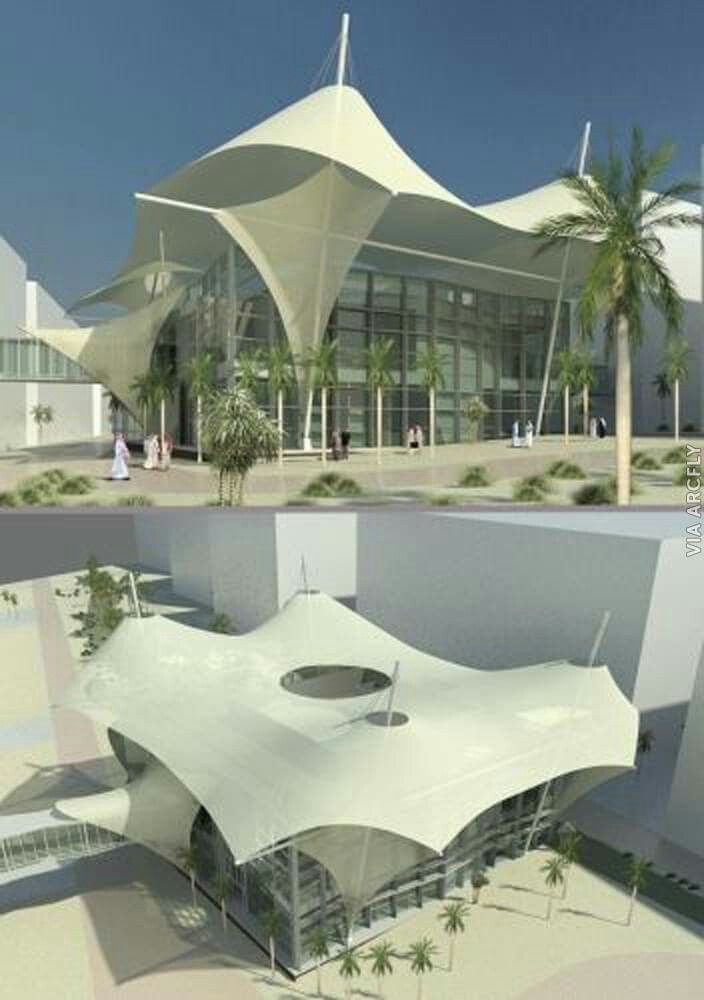
The ePTFE membrane is revolutionizing healthcare through its unique properties. Its biocompatibility makes it suitable for various medical applications, such as artificial blood vessels and wound dressings. These membranes facilitate gas exchange while preventing bacterial contamination, which is important in surgical settings. ePTFE’s filtration capabilities are also significant; used in sterilizing filtration membranes, it ensures the safety of medical devices and supplies. Moreover, its lightweight and durable structure is ideal for medical catheters, enhancing their performance and reliability. By allowing fluids to pass while keeping contaminants at bay, ePTFE membranes support better patient outcomes. As healthcare technology advances, the versatile applications of ePTFE will continue to play a vital role in the development of original solutions aimed at improving patient care and safety.
ePTFE in Renewable Energy
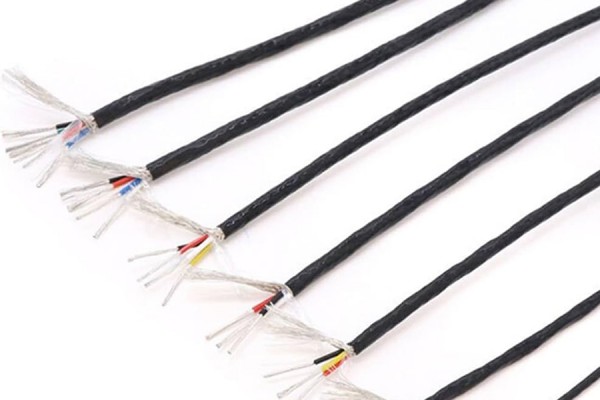
ePTFE membranes play a main role in the renewable energy sector, particularly in lithium battery technology and hydrogen fuel cells. Their unique properties, such as chemical stability and gas permeability, allow them to effectively vent harmful gases while preventing the ingress of moisture. In lithium batteries, ePTFE membranes improve safety by managing gas buildup during charge and discharge cycles. This function is important for preventing battery failure or thermal runaway incidents. Furthermore, in hydrogen fuel cells, these membranes facilitate efficient ion transport while maintaining humidity control, which is vital for optimal performance. The high durability of ePTFE against extreme environmental conditions further strengthens its application in renewable energy systems. As the push for sustainable energy sources grows, the integration of ePTFE technologies is expected to expand, driving advancements in efficiency and reliability across these vital energy solutions.
Durability of ePTFE Film
The durability of ePTFE film is one of its standout features, making it a sought-after material in various applications. This film can withstand extreme temperatures, ranging from -196°C to 260°C, without compromising its structural integrity. Its resistance to chemicals is equally impressive, allowing it to maintain functionality even in harsh environments. The non-stick nature of ePTFE also contributes to its longevity, as it prevents material buildup and degradation over time. Furthermore, the robust three-dimensional structure of the film helps it resist punctures and tears, ensuring reliable performance under stress. These properties not only boost the lifespan of products but also reduce maintenance costs. ePTFE’s durability plays a important role in industries where reliability is paramount, such as healthcare and electronics. By integrating ePTFE membranes into critical devices and systems, manufacturers can ensure consistent operation while minimizing the risk of failure due to environmental factors.
Sound control with ePTFE
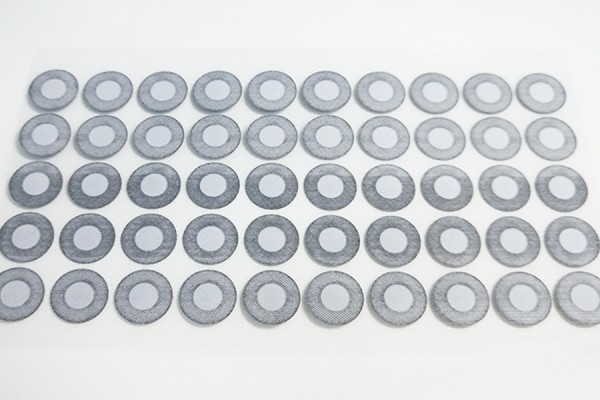
ePTFE membranes are increasingly recognized for their sound control capabilities, particularly in environments where noise reduction is essential. Their unique microstructure allows for the effective management of sound waves, providing a barrier that minimizes sound transmission while maintaining air permeability. This characteristic makes ePTFE helpful in various applications, including consumer electronics like smartphones and audio devices, where sound quality is paramount. also, ePTFE membranes prevent the escape of vibrations, contributing to better performance in sealed enclosures. In automotive settings, these membranes also help control noise levels within vehicles, enhancing passenger comfort by reducing external and internal noise interference. The ability to balance acoustic performance with pressure maintenance underscores the importance of ePTFE in creating quieter and more efficient products across multiple sectors. As industries continue to invest in materials that improve both functionality and user experience, ePTFE stands out as a critical component for effective sound management solutions.
Innovations in Biomedical Use
ePTFE membranes are gaining traction in the biomedical field due to their unique properties that cater to various medical needs. Their biocompatibility is essential for applications such as artificial blood vessels and medical catheters, where the material interacts safely with human tissue. The microporous structure allows for controlled gas exchange, making ePTFE ideal for wound dressings that promote healing while minimizing infection risks. also, ePTFE membranes are used in sterilization processes as they can effectively filter out harmful microorganisms without compromising material integrity. In drug delivery systems, ePTFE’s flexibility enables precise release of medications, enhancing therapeutic effectiveness. Innovations in this sector are also focusing on combining ePTFE with other materials to create hybrid systems that maximize performance. Research continues to explore these membranes’ potential in advanced therapies and regenerative medicine, highlighting the ongoing evolution of ePTFE technology within biomedicine.
ePTFE Technology in Filtration
ePTFE membrane technology plays a vital role in various filtration applications, offering a range of solutions for industrial and environmental needs. Its unique microporous structure allows for selective permeability, meaning it can effectively filter out contaminants while permitting desired gases and vapors to pass through. This characteristic makes ePTFE suitable for air and liquid filtration systems in sectors such as pharmaceuticals and wastewater treatment. Furthermore, the membrane’s chemical resistance ensures longevity even in harsh environments, reducing maintenance costs. In addition to air purification and water treatments, ePTFE membranes are increasingly used in specialized applications like HEPA filters for cleanrooms and breathable fabrics that protect against moisture while promoting airflow. Their durability against thermal extremes enhances their performance in various operational climates, positioning them as a reliable choice for filtration technologies across multiple industries. The ongoing advancements in ePTFE technology continue to drive innovations aimed at improving filtration efficiency and sustainability.
Conclusion
the versatility of ePTFE membranes illustrates their vital role across various industries. Their unique properties, such as biocompatibility, durability, and selective permeability, make them essential for applications in electronics, healthcare, and renewable energy. ePTFE membranes not only boost performance but also contribute to safety and reliability in critical environments. In electronics, they improve signal integrity and thermal management, while in healthcare, they promote patient safety through effective filtration and controlled gas exchange. furthermore, their applications in renewable energy systems support advancements in efficiency amid growing environmental demands. As research continues to unveil new uses for ePTFE technology, its impact will likely expand further into emerging sectors. This ongoing evolution highlights the material’s adaptability and significance in addressing modern challenges across diverse fields.
FAQs
What is an ePTFE membrane?
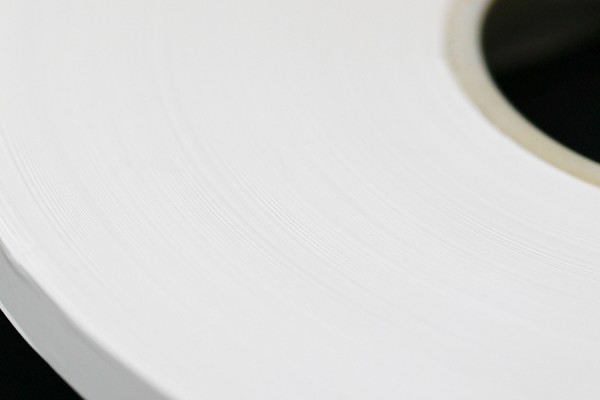
An ePTFE membrane is a type of expanded polytetrafluoroethylene film, known for its microporous structure that offers excellent filtration and barrier properties.
What are the main applications of ePTFE membranes?
ePTFE membranes find applications in various sectors, including electronics, healthcare, renewable energy, sound control, and filtration systems.
How does ePTFE improve performance in electronics?
In electronics, ePTFE improves signal integrity by providing insulation for high-speed cables and helps manage heat and moisture, contributing to reliable device performance.
Is ePTFE safe for medical use?
Yes, ePTFE is biocompatible and is widely used in medical devices such as artificial blood vessels and wound dressings due to its ability to ensure safe interaction with human tissue.
How does ePTFE contribute to renewable energy technologies?
ePTFE membranes aid in the efficiency of lithium batteries and hydrogen fuel cells by allowing gas venting while preventing moisture ingress, which enhances safety and performance.
What are the sound control capabilities of ePTFE membranes?
ePTFE membranes help reduce sound transmission while allowing airflow, making them effective in applications like consumer electronics and automotive noise reduction.
How do ePTFE membranes support filtration processes?
These membranes possess selective permeability that enables them to filter out contaminants while allowing desired gases to pass through, ensuring effective purification in various environments.