main Takeaways
ePTFE membranes are known for their wide range of uses and distinct properties, which makes them central to many industries. Their strong chemical stability lets them resist exposure to corrosive substances without much breakdown, a key trait for areas like chemical processing and pharmaceuticals. This reliability improves product performance over time. Moreover, the thermal resistance of ePTFE membranes means they keep working in extreme temperatures; that quality matters in electronics and aerospace, where gear often faces severe conditions. ePTFE’s versatility also shows up in medical devices, where it helps keep surgical instruments and filtration systems sterile. Also, the integration of ePTFE into newer technologies indicates its ongoing relevance as industries evolve and look for materials that match changing demands. Overall, the benefits of ePTFE membranes improve efficiency and help ensure safety across numerous applications.
important Advantages of ePTFE Membranes
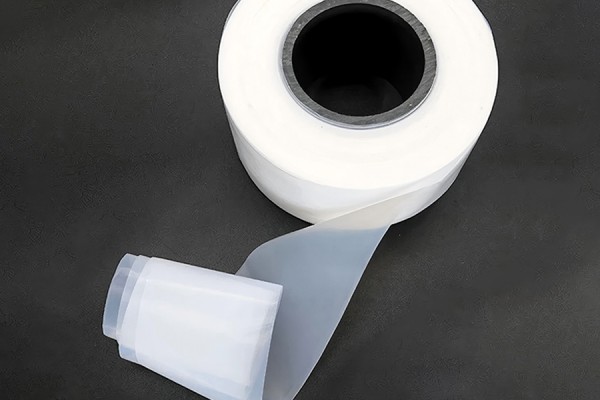
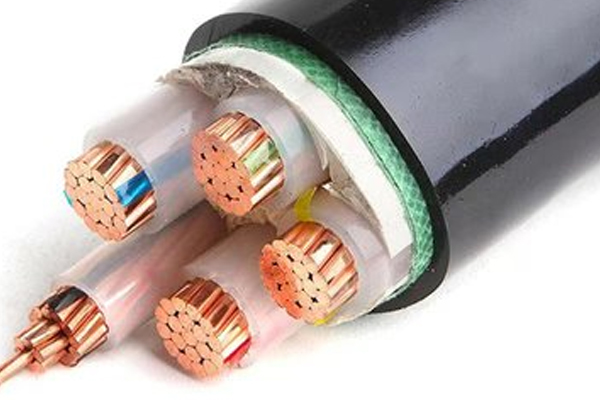
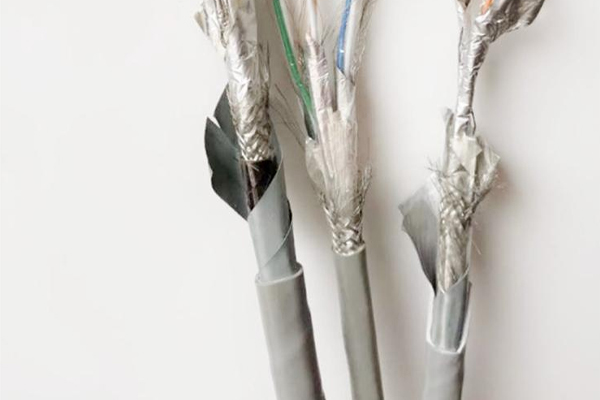
ePTFE membranes provide clear advantages that suit them to a range of industrial environments. Their excellent chemical stability lets them resist harsh settings, so they keep performing where other materials might fail. Also, ePTFE membranes have notable thermal resistance, lowering risks tied to heat exposure and offering a safer choice for temperature-sensitive uses. The adaptability of ePTFE is clear in its adoption across fields from acoustics to medical devices, showing how it handles varied challenges. In the cable industry, the material’s light weight and flexibility make installation easier. Products like High speed transmission line PTFE wrapping tape and PTFE cable wrapping tape leverage these traits to deliver dependable insulation. The lower flammability of ePTFE versus common polymers such as polyethylene or polyvinyl chloride cuts down fire risk at higher temperatures. Furthermore, the effectiveness of ePTFE in high-speed contexts is displayed by DAC high-speed cable wrapping film or AEC high-speed cable wrapping film, helping maintain signal integrity.
Versatile applications of ePTFE
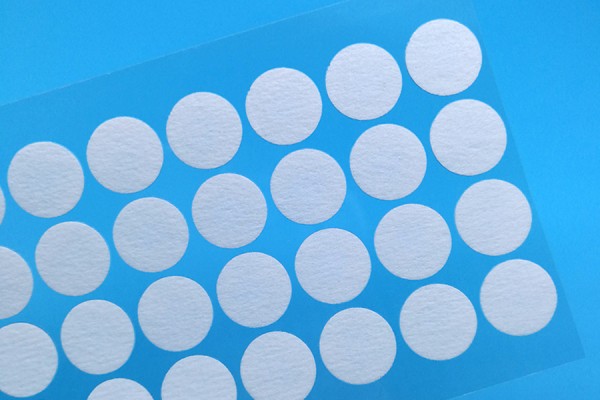
ePTFE membranes turn up across many industries because of their particular properties. In medical settings, they act as filtration layers in items like surgical masks and infusion filters, helping maintain sterility. Their light weight and chemical resistance suit them to aerospace roles, where they deliver dependable performance under extreme conditions. In electronics, these films serve as cable insulation, offering strong thermal stability and low moisture uptake compared with older insulation types. The automotive sector uses ePTFE membranes for sound damping and lightweight structural pieces that can improve fuel economy. Also, these materials are used in environmental systems as barriers against water and airborne pollutants, which helps preserve overall system integrity. Given their capacity to perform in tough conditions while keeping chemical stability, these membranes continue to display usefulness across many sectors.
ePTFE Membranes in Industry
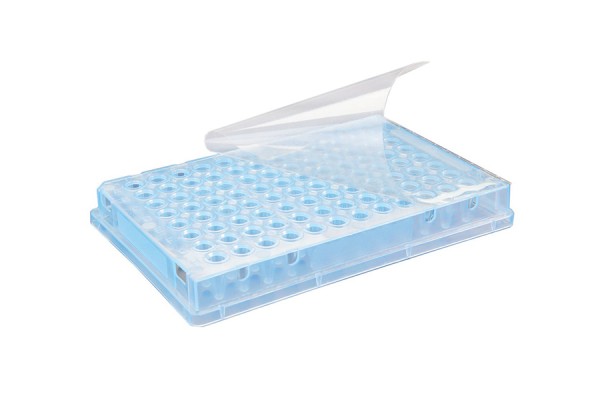
ePTFE membranes are seeing broader use across multiple industrial areas because of their defining characteristics. In electronics, they act as an important element in making durable insulating materials, delivering strong dielectric behavior and thermal stability. This makes them suitable for cable and connector applications, where reliability and safety are essential. The automotive sector also gains from ePTFE’s properties, applying it to sealing solutions that can improve fuel efficiency and cut emissions. Also, the pharmaceutical industry uses ePTFE membranes in filtration steps, maintaining high purity and safety during drug production. Their resistance to aggressive chemicals further encourages use in chemical processing, where they hold up under severe conditions. With these varied uses, ePTFE membranes demonstrate their essential role across industries, displaying relevance for meeting tough operational demands.
Enhancing performance with ePTFE
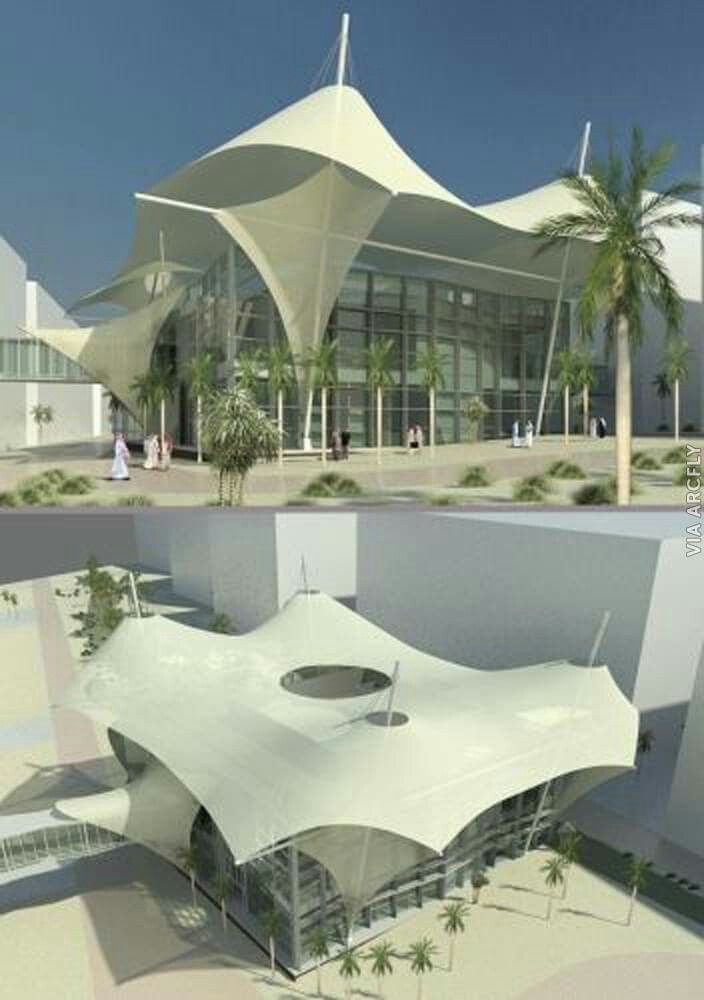
ePTFE membranes noticeably improve performance in many applications because of their distinct traits. With strong chemical stability, these membranes resist breakdown from aggressive substances, which makes them suitable for settings with high acidity or corrosive agents. The low dielectric constant and minimal moisture uptake raise electrical performance, a benefit for chemical processing and electrical insulation tasks. In fields like telecommunications and aerospace, the material’s lightness and durability reduce energy loss, helping systems run more efficiently. Also, its capacity to tolerate extreme temperatures without losing structural integrity supports reliable operation under tough conditions. The adaptability of ePTFE enables original solutions across various fields, encouraging progress that helps both manufacturers and users. As industries look for materials that hold up under pressure, ePTFE remains a key component for improving operational effectiveness.
Chemical stability of ePTFE Films
ePTFE films show impressive chemical stability, which makes them suitable for a broad set of uses in demanding environments. They resist corrosive agents, extreme pH values, and harsh chemical compounds, outperforming many standard materials. This toughness lets ePTFE preserve its structure and functionality over time, even under severe exposure. The non-reactive quality of these films contributes to long service life in uses like filtration, protective barriers, and insulated layers in electronics. Also, the material’s ability to tolerate high temperatures further improves its appeal for industries dealing with extreme thermal conditions. By delivering reliable protection against chemical breakdown, ePTFE films enable dependable operation in areas such as aerospace, pharmaceuticals, and manufacturing. This performance improves efficiency and reduces maintenance costs over the lifespan of products that use ePTFE films.
Thermal resistance in ePTFE Membranes
ePTFE membranes are well regarded for their strong thermal resistance, which makes them a logical choice in industries facing frequent temperature swings. These membranes endure high heat without losing structural strength, offering steady performance in demanding roles. Their low thermal conductivity keeps heat transfer to a minimum, which matters for insulation tasks. This feature also helps preserve the stability of nearby components in sensitive equipment, lowering the chance of heat-related damage. The built-in resistance to thermal breakdown lengthens the service life of ePTFE membranes in uses such as electrical insulation and protective layers. Also, their capacity to keep working under extended heat exposure reinforces their usefulness across sectors like aerospace, automotive, and manufacturing. As needs grow for materials that survive extreme conditions, these membranes stand out for durability and efficiency, and they remain a practical option for thermal management.
ePTFE in Harsh Environments
ePTFE membranes work very well in demanding conditions, which makes them useful in a range of industries. Their capacity to tolerate extreme temperatures and aggressive chemicals provides dependability where other materials may give out. For example, in chemical processing, the material’s inert quality shields it from harmful agents and prevents breakdown, reinforcing its role as an important part of filtration systems. Furthermore, the low moisture uptake of ePTFE helps it hold together even in humid settings, cutting the chance of failure.
In the aerospace sector, ePTFE membranes are applied where low weight and strong durability matter. Their lightness does not undercut strength, so they fit high-performance engines and gear that face intense thermal swings. Also, in medical tools like infusion systems and tissue culture containers, the biocompatibility of ePTFE is key because it protects patient safety while keeping function in sterile conditions. The notable adaptability of ePTFE lets it perform well even where conventional materials struggle.
new Uses for ePTFE Membranes
ePTFE membranes are finding roles in new projects across multiple sectors, demonstrating adaptability and reliability. In medicine, they are important for producing implants and surgical tools, where biocompatibility and chemical stability are key. They help devices keep working in changing bodily environments without breaking down. In the automotive world, ePTFE membranes improve electronics by supplying dependable insulation that endures high heat and moisture, which matters for long-term vehicle performance. Also, in environmental systems, these films act as filters for air and water purification, handling contaminants while allowing needed vapor transmission. Their useful traits also show up in consumer products like outdoor gear and clothing, where they add waterproofing without blocking breathability. Beyond established uses, ongoing research keeps turning up new possibilities for ePTFE membranes in energy-saving technologies and advanced manufacturing, reinforcing their role as adaptable parts of modern industrial work.
Conclusion
the advantages of ePTFE membranes make them a foundation in many industrial uses. Their combined chemical stability and thermal resistance meet demands across sectors from electronics to pharmaceuticals. The ability to tolerate harsh environments without compromise helps emphasize their reliability and range of uses. As innovation pushes new applications, ePTFE membranes are likely to serve a key role in developing next-generation materials. Their performance features streamline processes while improving safety and efficiency. As industries face rising pressure for effective solutions, these membranes act as important components that support progress across fields, and they point toward more efficient industrial practices.
FAQs
What are ePTFE membranes?
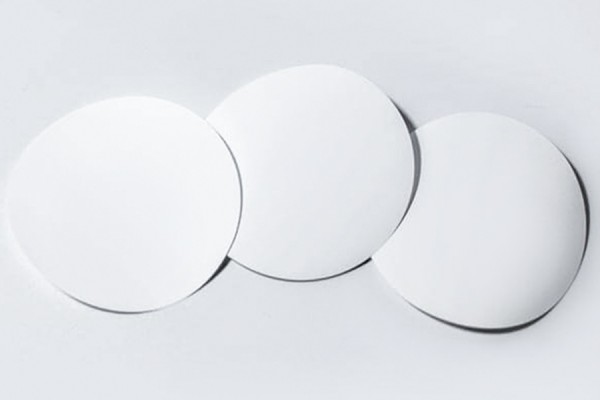
ePTFE membranes are thin films made from expanded polytetrafluoroethylene, known for their excellent chemical stability and thermal resistance.
What industries commonly use ePTFE membranes?
Industries such as electronics, aerospace, automotive, medical, and environmental sectors commonly utilize ePTFE membranes due to their versatile properties.
How do ePTFE membranes handle extreme temperatures?
ePTFE membranes can withstand high temperatures without losing structural integrity, making them suitable for demanding applications.
Are ePTFE membranes resistant to chemicals?
Yes, ePTFE membranes are highly resistant to a variety of chemicals and harsh environments, ensuring they maintain performance over time.
What applications benefit from ePTFE’s unique properties?
Applications such as filtration in medical devices, insulation in electronics, and protective barriers in chemical processing systems benefit significantly from ePTFE’s unique properties.