
main Takeaways
PTFE high-speed cable films stand out due to their remarkable properties that improve operational efficiency across various applications. Their ability to maintain performance under extreme temperatures and mechanical stress makes them ideal for industries like aerospace and telecommunications. The lightweight nature and low dielectric constant of PTFE films lead to minimal signal loss, ensuring clarity in communication lines. also, PTFE’s robust electromagnetic shielding capabilities help protect against interference, a important feature for high-frequency systems. These films not only contribute to superior thermal insulation but also resist degradation from harsh environmental factors, promoting long-term reliability. As technology demands continue to advance, the consistent performance of PTFE cable films remains essential for maintaining effective signal integrity in modern communication infrastructures.
High-Speed PTFE Cable Film Insights
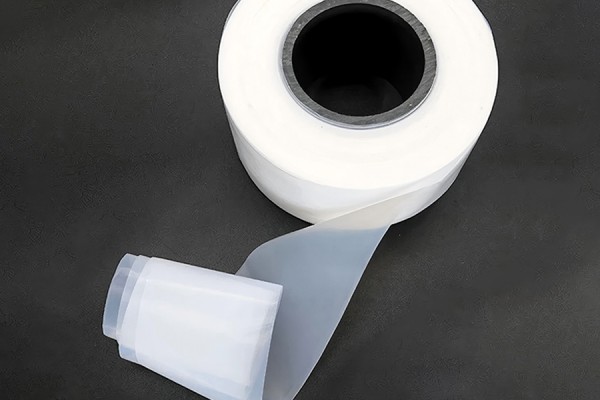
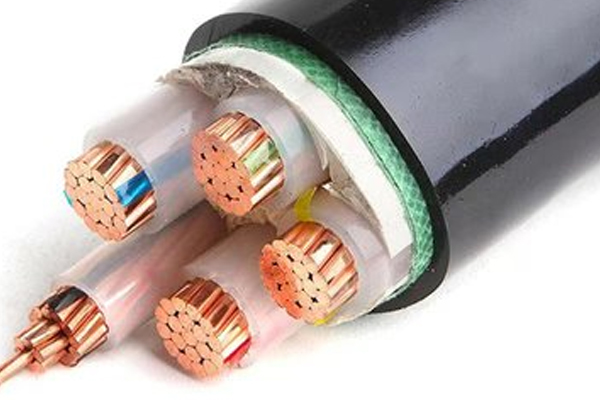
PTFE high-speed cable film is engineered to excel in demanding environments, providing reliable insulation for various high-speed transmission lines. Its inherent properties grant it exceptional durability, making it suitable for applications involving high-temperature electronic wires and automotive wiring harnesses. The lightweight nature of PTFE wrapping film contributes to its versatility, allowing easy integration into complex cable systems without adding unnecessary bulk. Moreover, the mechanical strength of this material ensures long-lasting performance and resistance to wear, which is important in high-frequency signal applications. This film also features an detailed microporous network structure that reduces the dielectric constant, resulting in minimal attenuation during signal transmission. The effectiveness of DAC high-speed cable wrapping film and AEC high-speed cable wrapping film is further highlighted by their application in critical sectors such as aerospace and telecommunications. Investing in PTFE cable roll coating or PTFE thread seal tape ultimately enhances overall system efficiency, proving essential for modern communication infrastructure reliant on robust signal integrity.
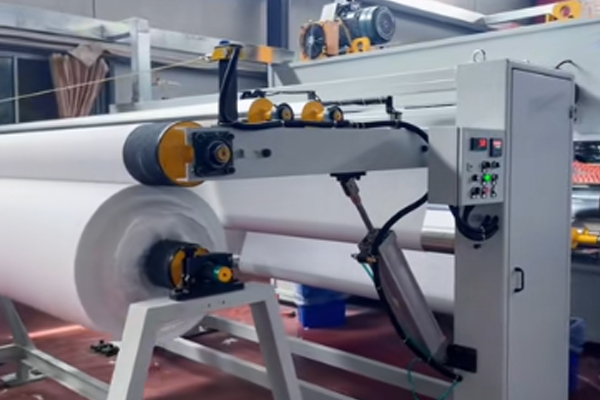
Enhancing signal efficiency with PTFE
PTFE high-speed cable film significantly improves signal efficiency in a variety of applications. Its low dielectric constant facilitates rapid signal transmission, allowing for minimal loss, which is important in high-frequency communication environments. The unique microporous structure of the film not only contributes to its lightweight and flexible nature but also enhances signal clarity by reducing interference from external sources. The superior thermal insulation and mechanical strength of PTFE ensure that the integrity of the signal remains intact, even under extreme conditions. This reliability makes PTFE highly suitable for usage in environments where performance demands are exceedingly high, such as aerospace systems and telecommunications. Moreover, the benefits extend to automotive wiring and 5G base station installations, where high-speed data transmission is essential. As industries continue to evolve towards faster communication methods, the importance of using PTFE cable films becomes evident in achieving optimal signal efficiency and overall performance enhancement.
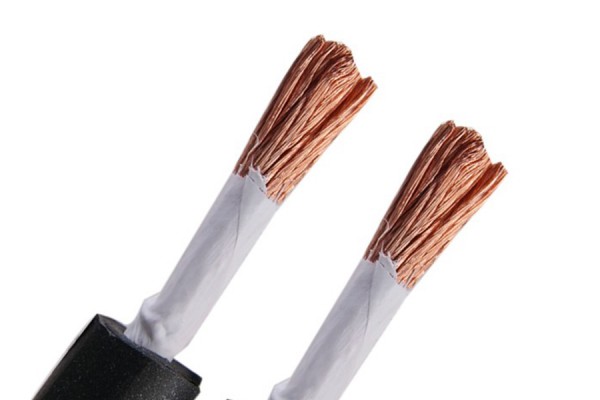
Durable solutions: PTFE Cable Film Review
PTFE high-speed cable film is recognized for its durability and reliability across various demanding applications. This material offers a unique combination of lightweight structure and high mechanical strength, making it suitable for environments requiring resilience. Its low thermal expansion coefficient ensures stability under extreme temperatures, while its flame-resistant properties add a layer of safety in hazardous conditions. PTFE films excel in electromagnetic shielding, effectively protecting against interference that can disrupt signal quality. These features are especially critical in high-temperature applications like aerospace and automotive sectors, where electrical components are exposed to intense heat. also, the flexibility of PTFE allows for easy processing during cable manufacturing, streamlining production without compromising performance. As the demand for robust cable solutions continues to rise, the advantages of PTFE cable film stand out, making it a preferred choice among engineers and manufacturers aiming for enhanced signal transmission and durability in their designs.
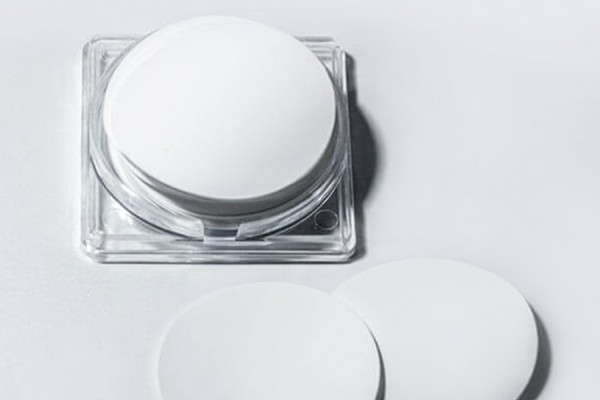
The power of PTFE for Signal Transmission
PTFE high-speed cable film is essential for reliable signal transmission in various applications. Its low dielectric constant contributes to minimal signal loss, making it ideal for RF and microwave communication. The film’s excellent thermal insulation allows it to operate efficiently across a wide temperature range, from -200°C to +260°C, ensuring consistent performance even in extreme conditions. furthermore, PTFE’s chemical inertness makes it resistant to degradation from harsh environments, which is important for maintaining signal integrity over time.
In the context of high-frequency applications, the strong mechanical properties of PTFE boost durability against wear and tear. Its flexibility facilitates ease of installation in complex configurations, thereby supporting efficient data transfer. With electromagnetic shielding capabilities, PTFE effectively minimizes interference from external sources, reinforcing the quality of the transmitted signals. This unique combination of properties positions PTFE cable film as a leading choice for industries where reliable communication is vital, including aerospace and telecommunications.
main Benefits of PTFE Cable Films
PTFE high-speed cable films offer several essential advantages for various applications. Their low thermal expansion coefficient ensures stability, even in extreme temperatures, enhancing long term reliability. The lightweight nature of PTFE allows for flexible installation options, making it suitable for complex assembly processes and accommodating tight spaces without compromising performance. With superior abrasion resistance, these films help protect wiring from wear and tear, a frequent challenge in high-demand environments. The exceptional thermal insulation properties contribute to maintaining a consistent signal quality by minimizing interference from external temperatures. Furthermore, their inherent chemical inertness enables them to withstand harsh environments, including those found in aerospace and automotive sectors. Electromagnetic shielding provided by PTFE films is important for reducing signal loss and maintaining integrity in high-frequency applications, including 5G communications. Overall, these characteristics collectively promote enhanced signal transmission efficiency and durability across a range of uses.
Electromagnetic shielding with PTFE Films
PTFE high-speed cable films excel at providing robust electromagnetic shielding, making them invaluable in environments where signal interference must be minimized. This material effectively reflects and absorbs electromagnetic waves, protecting sensitive data transmission from external disruptions. The unique microporous network of PTFE not only contributes to its lightweight and thin profile but also enhances its shielding capabilities across a variety of applications. In industries like telecommunications and aerospace, where high-frequency signals are prevalent, employing PTFE films can significantly reduce crosstalk and signal degradation. The durability of PTFE allows it to maintain these protective properties even under extreme temperature fluctuations, ensuring reliable performance in critical conditions. Furthermore, the chemical inertness of PTFE supports its longevity in harsh environments, making it a preferred choice for long term installations where consistent electromagnetic protection is essential.
PTFE Films in High-Temperature Applications
PTFE high-speed cable films are particularly beneficial in high-temperature settings due to their impressive heat resistance capabilities. They can operate effectively within a temperature range of -200°C to +260°C, with short-term tolerance exceeding 300°C. This thermal stability is vital for applications in aerospace, automotive, and industrial environments where temperature fluctuations are common. The lightweight and thin profile of PTFE films further enhances their usability in confined spaces without compromising on performance. These films provide essential insulation for various cable types, ensuring that signal integrity is maintained even under extreme conditions. The unique properties of PTFE allow it to withstand not only high temperatures but also exposure to chemically reactive environments, making it a versatile choice for multiple applications. As industries continue to innovate with new technologies, the demand for reliable materials that perform well at elevated temperatures will likely remain a top priority. The use of PTFE films in such scenarios addresses this need efficiently.
Choosing the Right Cable Film Material
Selecting the optimal cable film material is vital for maximizing performance in various applications. PTFE high-speed cable film stands out due to its excellent mechanical properties and chemical inertness. Its low thermal expansion coefficient allows for stable signal transmission across temperatures ranging from -200°C to +260°C, making it suitable for high-temperature environments such as aerospace and automotive sectors. also, its lightweight structure enhances ease of handling and installation. When faced with applications requiring electromagnetic shielding, PTFE film effectively reduces interference, safeguarding signal integrity. Furthermore, its microporous network structure contributes to a low dielectric constant, essential for high-frequency signal transmission in RF and microwave communications. Understanding the specific requirements of each application is important in determining whether PTFE or a different material is best suited to meet operational demands. This careful evaluation ensures that both performance and reliability are achieved in critical settings.
Conclusion
the versatility and performance of PTFE high-speed cable films make them an essential component in today’s advanced telecommunications and automotive industries. Their ability to maintain high efficiency and durability under extreme conditions is a significant advantage, particularly in applications requiring consistent signal integrity. PTFE films not only minimize signal loss but also ensure protection against electromagnetic interference, reinforcing their reputation as a reliable solution for high-frequency applications. Moreover, their thermal stability allows for seamless integration in environments with fluctuating temperatures, making them suitable for a wide range of uses. As demands for faster and more efficient communication technologies continue to grow, the reliance on new materials like PTFE cable films will likely play a important role in meeting these challenges head-on.
FAQs
What is PTFE high-speed cable film?
PTFE high-speed cable film is a durable material designed for insulation in high-speed signal transmission applications, providing excellent thermal stability and mechanical strength.
What are the main benefits of using PTFE high-speed cable film?
The primary benefits include high-temperature resistance, lightweight structure, low dielectric constant for minimal signal loss, and effective electromagnetic shielding.
In what applications is PTFE cable film commonly used?
PTFE cable film is often used in telecommunications, aerospace, automotive wiring harnesses, and environments requiring reliable signal transmission under challenging conditions.
How does PTFE aid in signal transmission efficiency?
PTFE improves signal transmission efficiency by minimizing attenuation and interference due to its low dielectric constant and effective electromagnetic shielding capabilities.
Can PTFE cable films withstand extreme temperatures?
Yes, PTFE films can operate effectively within a wide temperature range of -200°C to +260°C and can tolerate short-term exposure exceeding 300°C.
Is PTFE free from harmful chemicals?
Yes, PTFE is chemically inert, making it resistant to degradation from harsh environmental conditions and safe for various applications.
How do you select the right cable film material?
Choosing the right material depends on application requirements such as temperature range, required mechanical strength, and level of electromagnetic shielding.
Are there any specific industries that benefit the most from PTFE films?
Industries such as aerospace, telecommunications, and automotive are the primary sectors benefiting from the unique properties of PTFE films in their applications.