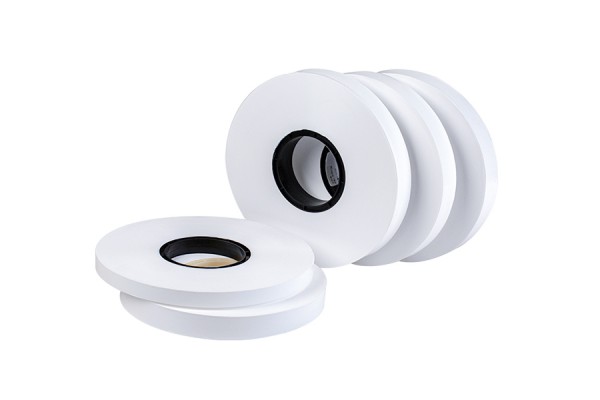
main Takeaways
PTFE membranes represent a groundbreaking advancement in modern technology, offering robust benefits across various sectors. Their unique properties, including high porosity and excellent chemical resistance, enable them to operate effectively in extreme environments. Industries that rely on electronic components can particularly benefit from PTFE membranes, as they ensure device durability and maintain performance by safeguarding against moisture and contaminants. The ability to withstand harsh temperatures further confirms PTFE’s significance in applications ranging from aerospace to consumer electronics. Ongoing research is likely to boost their properties, paving the way for original uses that could drive the future of technology. Understanding these main attributes emphasizes why PTFE membranes have become essential components in the quest for advanced, reliable solutions across multiple fields.
Impact of PTFE Membranes on Electronics
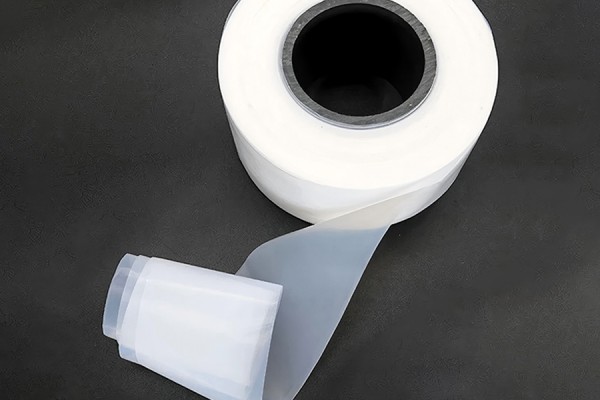
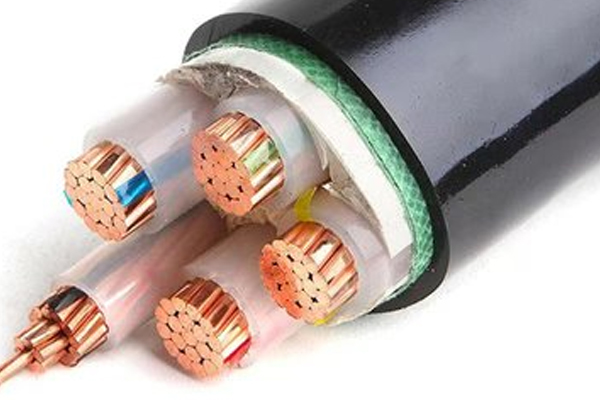
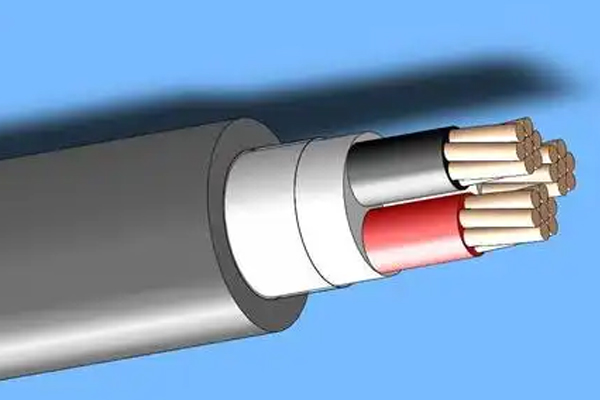
PTFE membranes significantly improve the performance of electronic devices by providing essential protection and support. These membranes maintain the integrity of high-speed transmission lines, effectively reducing signal transmission losses. Utilizing advanced materials like High speed transmission line PTFE wrapping tape and PTFE wrapping film ensures that data integrity is preserved even under extreme conditions. In addition, products such as PTFE Thread Seal Tape and PTFE cable wrapping tape improve the durability of electronic components by offering essential moisture and dust resistance. The capability of these membranes to withstand harsh environments makes them invaluable in applications like 5G/6G communications. For instance, DAC high-speed cable wrapping film, AEC high-speed cable wrapping film, and AOC high-speed cable wrapping film are specifically designed to protect sensitive electronic components while ensuring optimal performance. Furthermore, these materials are main in automotive and aerospace sectors where reliable operation is paramount, helping devices remain operational regardless of exposure to extreme temperatures or other stressors.
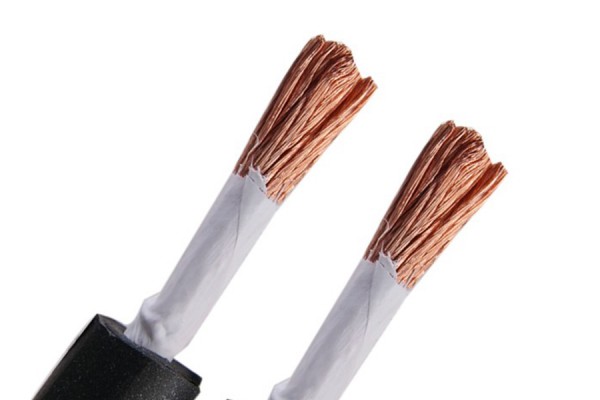
Unique properties of PTFE Membranes
PTFE membranes are distinguished by their remarkable combination of attributes, making them exceptionally suitable for various applications. One important property is their high porosity, exceeding 85%, which allows for air permeability while effectively blocking water penetration with pore sizes between 0.2-3 μm. This feature not only facilitates breathability but also ensures a significant waterproofing capability rated at IPX7 or higher, protecting sensitive electronics from moisture damage. Another important characteristic is their impressive heat resistance, enabling stable operation across extreme temperatures ranging from -200°C to +260°C and short-term exposure to 300°C. The chemical inertness of PTFE membranes enhances their durability in aggressive environments, while their low dielectric constant and medium loss contribute to reliable signal transmission in electronic applications. Moreover, the unique microporous structure of PTFE membranes aids in preventing dust accumulation and shedding it easily, further extending the longevity and performance of devices they protect. These properties collectively point out the potential for PTFE membranes to revolutionize the development of high-performance technologies.
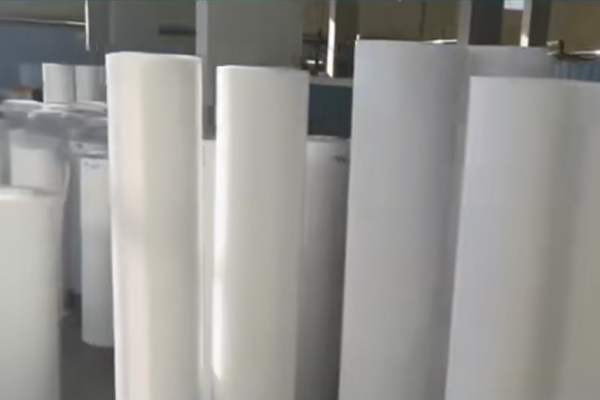
Applications of PTFE in Modern Tech
PTFE membranes are widely utilized in various modern technologies due to their remarkable attributes. In the telecommunications sector, these membranes support the efficient operation of devices by minimizing signal loss, particularly in 5G and 6G communications. Their low dielectric constant ensures that data transmission remains clear and uninterrupted. also, their role extends into consumer electronics, where PTFE membranes provide protection against environmental factors such as moisture and dust, thereby extending the lifespan of devices like smartphones. In automotive applications, PTFE membranes are integrated into sensors and radar systems, ensuring reliable performance under a range of conditions. Their impressive thermal stability makes them suitable for powering automotive electronics in extreme environments. As industries evolve, the versatility of PTFE membranes continues to make significant contributions across sectors including aerospace, where they safeguard instruments against adverse conditions while facilitating essential functions. This adaptability demonstrates their integral role in enhancing both performance and longevity in diverse applications.
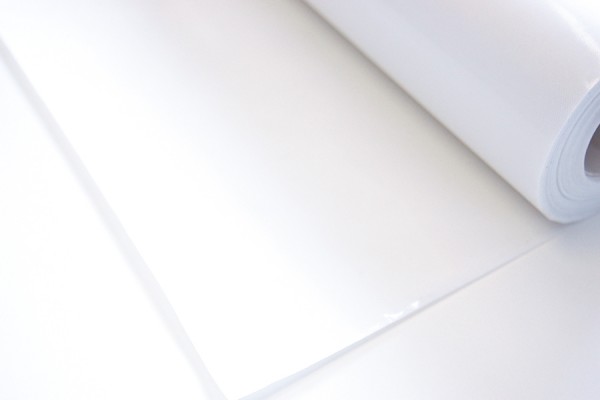
Benefits of PTFE in Harsh Conditions
PTFE membranes excel in extreme environmental conditions, showcasing their remarkable versatility and resilience. Their ability to withstand temperatures ranging from -200°C to +260°C, with brief resistance to 300°C, makes them ideal for applications in hostile areas such as aerospace and automotive sectors. furthermore, their chemical inertness ensures compatibility with various substances, enabling reliable performance in diverse environments. PTFE’s fire-resistant properties add another layer of protection, enhancing safety features where flammable materials may be present. Their water-repellent characteristics effectively shield electronic components and machinery from moisture damage. By preventing dust accumulation and maintaining cleanliness, PTFE membranes support the longevity and efficiency of devices deployed in challenging conditions. Overall, the robust nature of PTFE membranes significantly contributes to performance reliability in harsh settings, making them an invaluable asset across multiple industries.
Understanding the Structure of PTFE Membranes
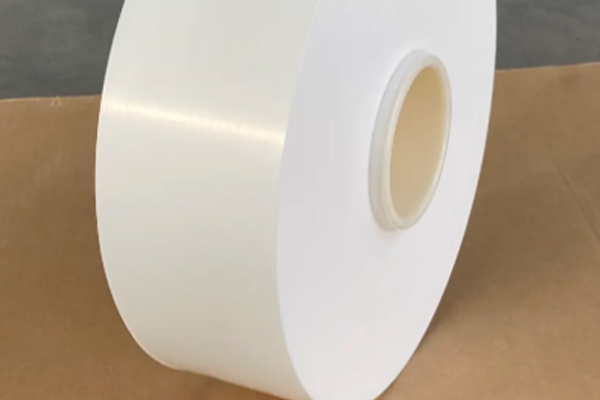
The structure of PTFE membranes is characterized by a unique microporous form that plays a vital role in their functionality. These membranes contain pores ranging from 0.2 to 3 μm in diameter, which allow air to pass through while blocking larger water droplets, effectively achieving waterproof capabilities. The significant porosity, exceeding 85%, enhances breathability, making them ideal for applications requiring moisture control. An essential feature of PTFE is its long molecular chains, which contribute to its chemical inertness and durability across various environments. This structure ensures that while air and essential gases can flow freely, contaminants like dust and water are effectively kept at bay. Such detailed design not only promotes high performance in electronics but also supports reliability in harsh conditions, such as exposure to extreme temperatures or aggressive chemicals. Understanding this structural complexity provides insights into how PTFE membranes can maintain their integrity and functionality in diverse applications from aerospace to consumer electronics.
PTFE Membranes in Aerospace Innovations
PTFE membranes play an essential role in the aerospace sector, significantly enhancing the performance and reliability of various components. Their unique properties, including a high level of chemical resistance and thermal stability, make them suitable for demanding environments often found in aerospace applications. These membranes can effectively manage moisture and contaminants, safeguarding sensitive electronics and instruments onboard aircraft. The ability of PTFE to withstand extreme temperatures, from -200°C to +260°C, while maintaining durability is particularly advantageous for materials used in high-performance aerospace engineering. Furthermore, the lightweight nature of PTFE allows for its integration into structural components without adding unnecessary weight. This weight savings can lead to improved fuel efficiency and overall aircraft performance. also, advancements in manufacturing techniques enable the development of more complex designs and configurations using PTFE membranes, further expanding their application potential within the aerospace industry. As innovations continue to emerge in this field, PTFE membranes are positioned to play a important role in advancing the capabilities of next-generation aerospace technologies.
Enhancing device durability with PTFE
PTFE membranes significantly improve the durability of electronic devices by providing robust protection against environmental hazards. Their unique porous structure allows for air circulation while effectively blocking moisture, dust, and oils. This ensures that sensitive components within devices remain functional even in challenging conditions. The high chemical inertness of PTFE means it does not degrade when exposed to various substances, reinforcing its reliability in diverse applications. Moreover, PTFE can withstand extreme temperatures, ranging from -200°C to +260°C, making it suitable for use in both consumer electronics and industrial settings. By integrating PTFE membranes into device designs, manufacturers can improve longevity and performance, ultimately reducing maintenance costs and increasing user satisfaction.
The future of PTFE in Technology
The future of PTFE membranes is promising as advancements in materials science leverage their unique properties for original applications. Continuous research focuses on enhancing their efficiency and versatility across different sectors, particularly in electronics and aerospace. As technology evolves, the demand for lightweight, durable, and resistant materials like PTFE will increase. The ability of PTFE to maintain performance under extreme conditions makes it a prime candidate for future tech developments, such as wearable electronics and autonomous vehicles. also, the integration of PTFE membranes with smart technologies could lead to breakthroughs in data transmission and environmental sensing. This fusion may open new possibilities, further improving device longevity and functionality. As industries seek sustainable solutions, PTFE’s inherent chemical stability and recyclability position it as a main material in creating eco-friendly technologies. The ongoing exploration of PTFE’s properties promises to redefine its role in modern innovations, enhancing both performance and durability across various applications.
Conclusion
PTFE membranes emerge as a significant force across various technological landscapes. Their unique properties play a critical role in enhancing device performance and longevity, particularly in challenging conditions. As industries increasingly prioritize durability and reliability, the versatility of PTFE membranes ensures their continued relevance in applications ranging from electronics to aerospace. The ability to withstand extreme temperatures, resist moisture and contaminants, and maintain structural integrity positions PTFE as a preferred material for manufacturers looking to innovate and improve product resilience. Ongoing research into the properties of PTFE promises to unlock new applications, further solidifying its significance in modern technology. As advancements continue, the adoption of PTFE membranes will likely lead to enhanced functionalities and increased efficiency across multiple sectors, reshaping future technological developments.
FAQs
What are PTFE membranes made of?
PTFE membranes are composed of polytetrafluoroethylene, a high-performance fluoropolymer known for its unique properties such as chemical resistance and thermal stability.
How do PTFE membranes improve device durability?
PTFE membranes boost device durability by providing effective moisture and dust protection, thus safeguarding sensitive components from environmental hazards.
In which applications are PTFE membranes commonly used?
PTFE membranes are widely used in electronics, aerospace, automotive sectors, and various modern technologies where performance and reliability are essential.
What temperatures can PTFE membranes withstand?
PTFE membranes can endure extreme temperatures ranging from -200°C to +260°C, with short-term exposure to 300°C without compromising their integrity.
What advantages do PTFE membranes have in extreme environments?
In extreme conditions, PTFE membranes offer benefits like moisture resistance, chemical inertness, and fire-resistance, making them suitable for harsh applications.
Do PTFE membranes require special maintenance?
Generally, PTFE membranes do not require extensive maintenance due to their durable nature; however, periodic checks can help ensure optimal performance in critical applications.
Can PTFE membranes be recycled?
Yes, PTFE can be recycled under specific processes that help recover its material properties for reuse in various applications.