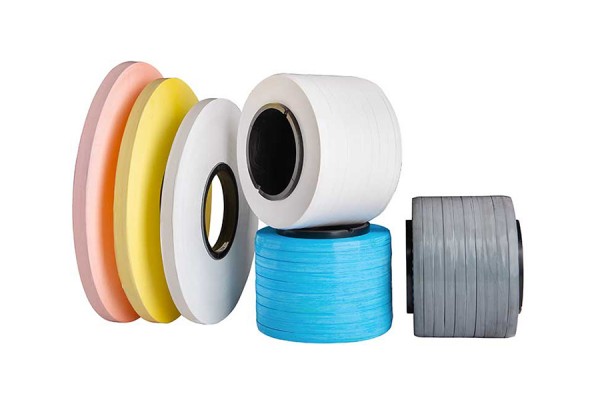
important Takeaways
ePTFE membranes represent a significant advancement in materials science, offering many benefits that boost their applications across diverse industries. Their unique combination of lightweight structure and remarkable chemical stability enables ePTFE membranes to perform reliably under challenging conditions. Businesses looking to improve the longevity and effectiveness of their products should consider these membranes, especially when operating in harsh environments. The low flammability and minimal smoke generation of ePTFE also heighten safety in contexts where risks are prevalent. furthermore, ongoing advancements in manufacturing techniques have allowed for the production of more efficient and consistent ePTFE products, further broadening their potential uses. As industries seek original solutions to meet evolving demands, the adaptability and performance of ePTFE membranes will become increasingly helpful, solidifying their role as a preferred choice over traditional materials. By strategically leveraging these attributes, companies can boost their operational efficiency and maintain a competitive edge in the market.
Understanding ePTFE Membranes
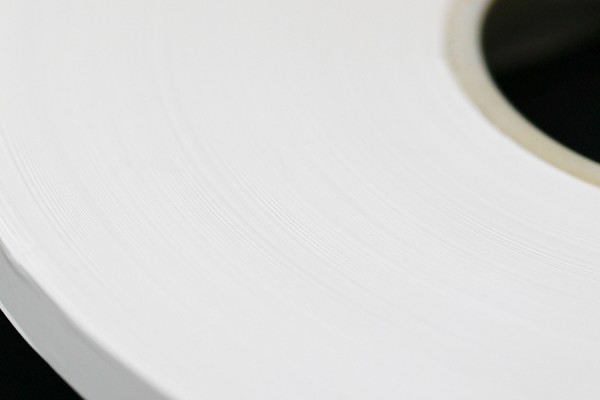
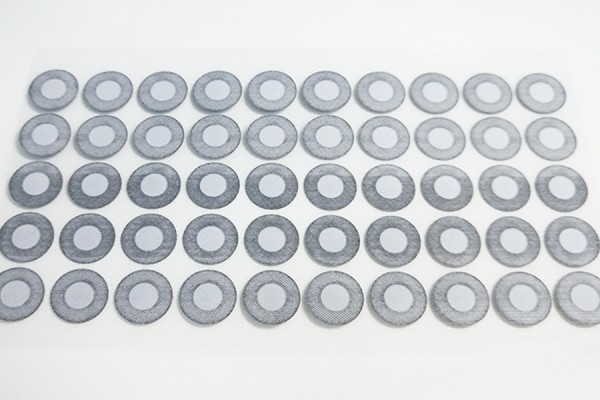
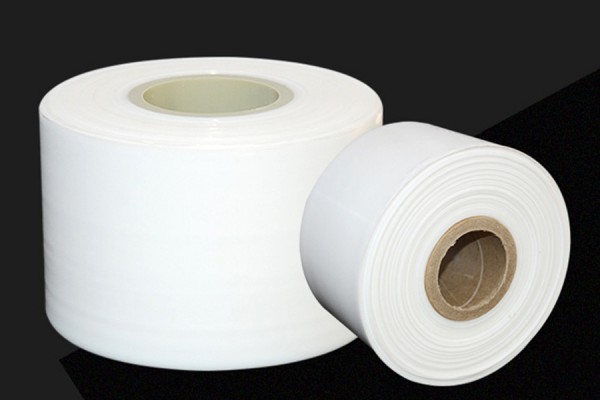
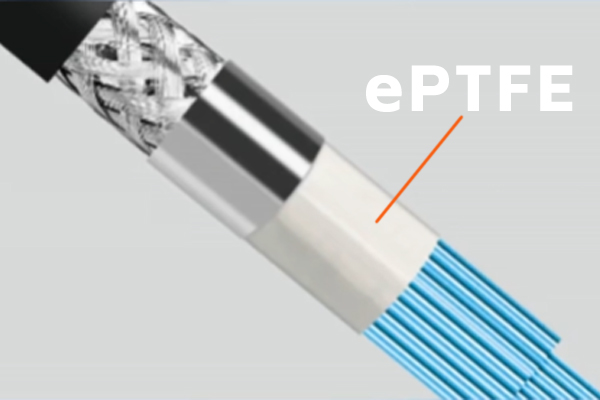
ePTFE membranes are known for their unique properties, offering a versatile solution in various industries. The material’s high permeability and excellent chemical stability make it suitable for extreme conditions, including high temperatures and aggressive pH levels. With a pore size of just 0.1 microns, ePTFE membranes effectively allow water vapor to pass while preventing larger water droplets from infiltrating, making these membranes ideal for applications like waterproof breathable fabrics and acoustic components. furthermore, in the insulation sector, ePTFE outperforms traditional materials like polyethylene (PE) and polyvinyl chloride (PVC) by providing better thermal stability and low flammability. This is particularly important in environments where fire safety is important. Manufacturers also produce various forms of PTFE wrapping, including High speed transmission line PTFE wrapping tape and PTFE cable wrapping tape, enhancing the capabilities of electrical components. The adaptability of ePTFE membranes contributes significantly to advancements across multiple fields, underscoring the material’s importance in contemporary industrial applications.
important Benefits of ePTFE Materials
ePTFE materials offer a range of advantages that position them favorably in various industrial applications. One significant benefit is their excellent chemical stability, which allows them to perform well in harsh environments with extreme pH levels and high temperatures. This durability translates into a longer lifespan for products that utilize ePTFE, which can reduce overall material replacement costs. furthermore, ePTFE membranes maintain a minimum pore size of 0.1 microns, ensuring they do not obstruct water vapor while effectively blocking larger particles and liquids. Their low flammability and minimal smoke generation during combustion improve safety in applications where fire risks are a concern. ePTFE’s lightweight properties contribute to easier handling and installation compared to more traditional materials, making it an attractive choice for high-performance projects. The material’s versatility extends to various industries, including filtration, electronics, and acoustics, enabling companies to leverage its unique qualities across multiple applications seamlessly.
Finding reliable ePTFE Suppliers
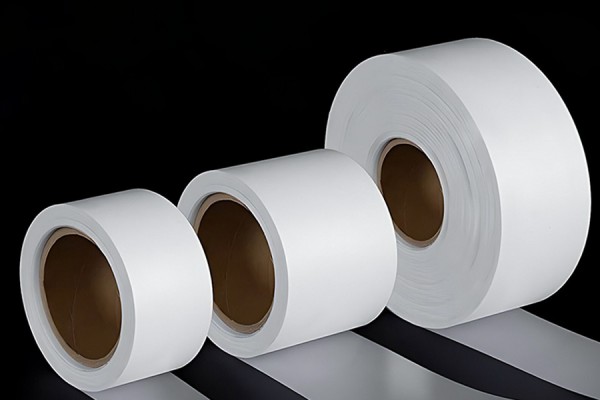
When searching for dependable ePTFE suppliers, prioritize manufacturers with a proven track record of quality assurance. Research their reputation in the industry and ensure their products comply with recognized quality standards. Cost-effectiveness is also essential; evaluate pricing against the quality offered to strike a balance that suits your budget without compromising on reliability. Timely delivery is main, so select suppliers known for meeting deadlines consistently. It’s beneficial to assess whether they provide technical support in case you encounter any issues with the product. Responsive customer service can significantly boost your purchasing experience. Consider suppliers who offer full solutions; this may include a range of ePTFE membrane options tailored for specific applications across various industries. By focusing on these important factors, businesses can secure partnerships with trustworthy ePTFE suppliers that meet their operational needs effectively.
Comparison of ePTFE with Traditional Materials
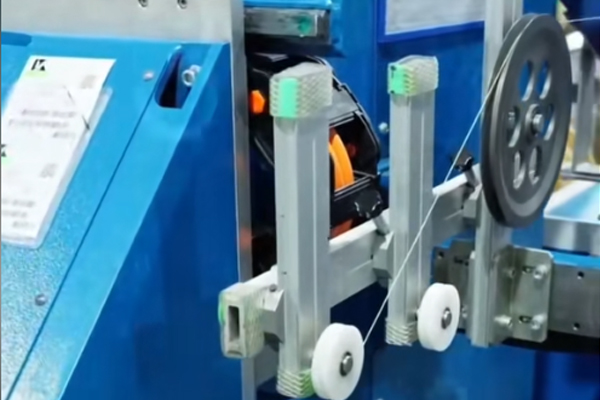
ePTFE membranes offer distinct advantages over traditional materials like polyethylene (PE) and polyvinyl chloride (PVC). One main difference is chemical stability; ePTFE maintains its integrity in extreme pH levels and high temperatures, unlike PE and PVC, which can degrade under harsh conditions. In applications requiring high-frequency cables, ePTFE also outperforms these traditional insulators due to its superior electrical characteristics. While PE and PVC are known to burn easily and emit harmful smoke, ePTFE boasts low flammability and minimal smoke generation. The tiny pore size of ePTFE, at 0.1 microns, effectively allows water vapor to pass while blocking larger water droplets, making it ideal in applications where breathability is important. Furthermore, the mechanical strength of ePTFE ensures durability across various industrial applications. As industries increasingly require reliable materials under challenging conditions, the preference for ePTFE becomes clearer when comparing it to its conventional counterparts.

Industrial uses of ePTFE Membranes
ePTFE membranes are utilized across various industries due to their unique properties. In the medical sector, they are employed in surgical implants and wound dressings, capitalizing on their biocompatibility and chemical resistance. The automotive industry also benefits from ePTFE membranes, using them in fuel systems to prevent vapor leaks while maintaining fuel efficiency. also, in the construction field, these membranes are integrated into roofing systems for their waterproof and breathable qualities, providing protection while allowing for ventilation. The textiles industry incorporates ePTFE in clothing and footwear for outdoor activities, offering moisture control without sacrificing comfort. Furthermore, ePTFE is essential in the environmental sector for filtration applications, effectively separating contaminants from gases and liquids due to its fine pore structure. These diverse applications emphasize the adaptability and functionality of ePTFE membranes in addressing specific industrial needs.
Importance of Quality in ePTFE Products
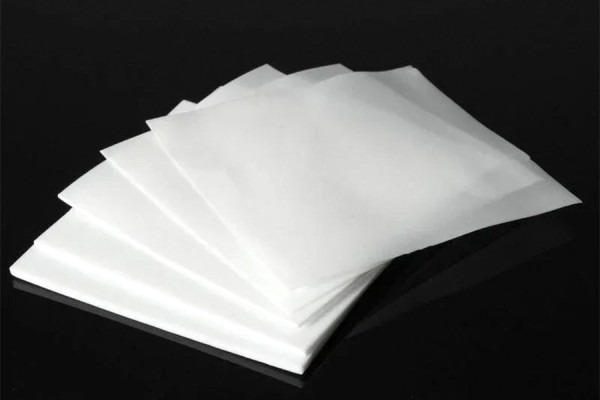
Quality in ePTFE products is vital for ensuring reliability and performance across various applications. Manufacturers must adhere to strict quality standards to provide materials that withstand extreme conditions. A product derived from high quality ePTFE not only exhibits excellent chemical stability but also demonstrates superior permeability. This translates into enhanced durability in industrial settings. Selecting a supplier with robust quality assurance practices is critical, as it guarantees that the ePTFE membranes meet international specifications and regulatory requirements. furthermore, consistent quality control processes minimize defects, which can lead to costly failures in applications such as medical devices, filtration systems, and electrical insulation. Articulating these standards helps users make informed decisions, thereby contributing to the overall efficacy of their projects. Reliable suppliers often provide certification or testing documentation that clearly showcases compliance with these essential quality metrics. A focus on quality also supports longer service life and better performance, reinforcing the trust in using ePTFE products across various sectors.
Technical advancements in ePTFE Manufacturing
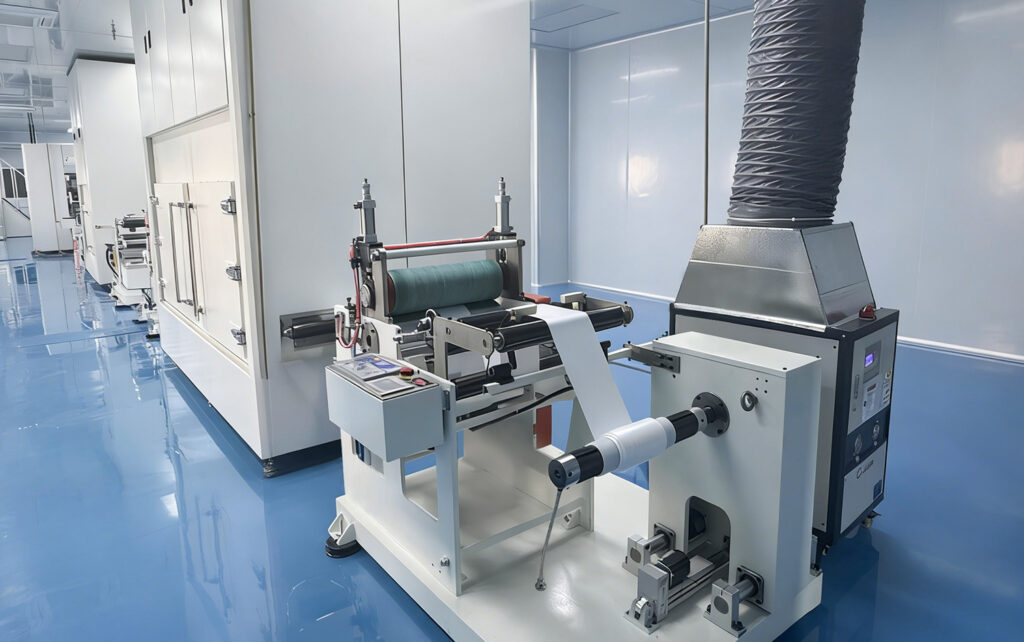
Recent advancements in ePTFE manufacturing have significantly improved the material’s properties and production efficiency. Innovations in polymer processing technologies enable the creation of membranes with enhanced pore structures, achieving even smaller pore diameters that boost breathability and moisture management. Moreover, the integration of advanced filtration techniques during production has led to greater uniformity and consistency in membrane quality. Automated manufacturing processes are reducing human error, increasing precision, and lowering production costs, making ePTFE membranes more accessible to various industries. also, researchers are exploring the use of nanotechnology to further improve the chemical resistance and thermal stability of ePTFE materials. These efforts not only expand the applications of ePTFE membranes but also promote sustainability by minimizing waste during manufacturing. Consequently, companies can manufacture high-performance membranes tailored for specific industrial requirements, reflecting a rapid evolution within this material sector.
ePTFE Membranes in Electrical Applications
ePTFE membranes serve an essential role in the electrical industry due to their superior insulating properties. Their low flammability and minimal smoke generation during combustion make them a safer alternative to traditional materials like polyethylene (PE) and polyvinyl chloride (PVC). These membranes provide effective insulation, ensuring reliability in various electrical applications. Their excellent thermal stability allows them to perform efficiently in a wide range of temperatures, reducing the risk of electrical failure. Moreover, ePTFE membranes exhibit low dielectric losses, which is vital for high-frequency applications, such as radio frequency cables. This property is mainly influenced by conductor resistance loss and dielectric insulation loss. The ability of ePTFE to maintain signal integrity while minimizing energy loss is a main advantage. In addition, the lightweight nature of ePTFE enhances the overall performance and efficiency of electrical systems, making it an invaluable component in modern electrical engineering.
Conclusion
ePTFE membranes are transforming the scene across various industries due to their unique properties and advantages. Their robust chemical stability, lightweight nature, and exceptional insulating capabilities make them preferable over traditional materials. As industries evolve and require new solutions, ePTFE’s adaptability ensures it meets these demands effectively. It is vital for manufacturers to prioritize high quality production methods to fully leverage the benefits of ePTFE. This focus on quality will not only boost product performance but also instill confidence among users across sectors. Ongoing advancements in manufacturing techniques promise further improvements in membrane characteristics, stressing the continuing relevance of ePTFE in various applications from medical devices to electrical systems. As companies continue to explore these advancements, ePTFE will likely play a significant role in shaping future industrial trends.
FAQs
What are ePTFE membranes?
ePTFE membranes are porous materials made from expanded polytetrafluoroethylene, known for their excellent chemical resistance and mechanical stability.
What industries use ePTFE membranes?
ePTFE membranes find applications in various sectors, including medical, automotive, construction, textiles, and environmental filtration.
How do ePTFE membranes compare with traditional insulation materials?
Unlike traditional materials like polyethylene and PVC, ePTFE membranes offer superior chemical stability and lower flammability while maintaining excellent permeability.
What factors should I consider when choosing an ePTFE supplier?
main factors include the supplier’s reputation for quality assurance, compliance with industry standards, cost-effectiveness, timely delivery, and customer support.
Are ePTFE membranes environmentally friendly?
While the production of ePTFE involves advanced techniques to minimize waste, the environmental impact depends on specific manufacturing practices and product lifecycle considerations.