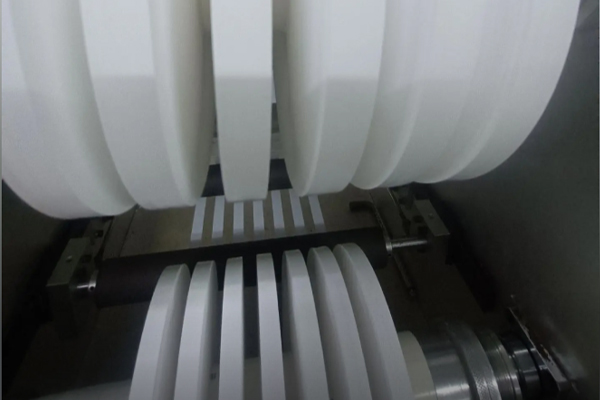
important Takeaways
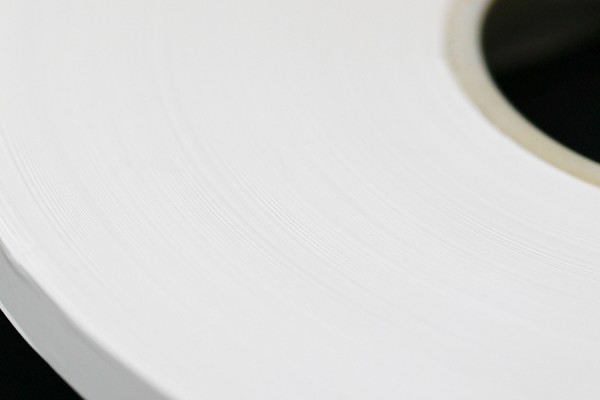
PTFE raw material tape offers several compelling benefits that contribute to its suitability across various sectors. Its low friction properties facilitate smoother movement, significantly reducing wear and prolonging the lifespan of components in mechanical assemblies. The exceptional chemical resistance of PTFE tape ensures that it remains effective even when exposed to aggressive substances, which is especially important in aerospace and automotive contexts. Furthermore, the material’s thermal stability allows it to maintain its integrity at extreme temperatures, making it a reliable choice for applications that experience significant temperature fluctuations. The versatility of PTFE tape extends beyond insulation and sealing; it can also protect sensitive electronic components from moisture and contaminants. Overall, the unique characteristics of PTFE raw material tape boost operational efficiency and safety across diverse industries, making it a useful asset for manufacturers aiming to meet rigorous performance standards.
Essential benefits of PTFE Raw Material Tape
PTFE raw material tape provides stable performance in demanding environments because of its low friction, chemical resistance, electrical insulation, and temperature tolerance. These properties make it suitable for applications such as sealing, insulation, and cable protection. Different forms are developed for specific needs, including PTFE wrapping film, PTFE Thread Seal Tape, and PTFE cable wrapping tape. In high-frequency communication fields, High speed transmission line PTFE wrapping tape supports signal stability, while PTFE cable roll coating helps protect cable structures during manufacturing. Specialized materials such as DAC high-speed cable wrapping film, AEC high-speed cable wrapping film, AOC high-speed cable wrapping film, ACC high-speed cable wrapping film, and High speed and high-frequency cable wrapping film are used where consistent insulation and mechanical performance are required. These characteristics allow PTFE tape materials to adapt to aerospace, automotive, and electronics applications.
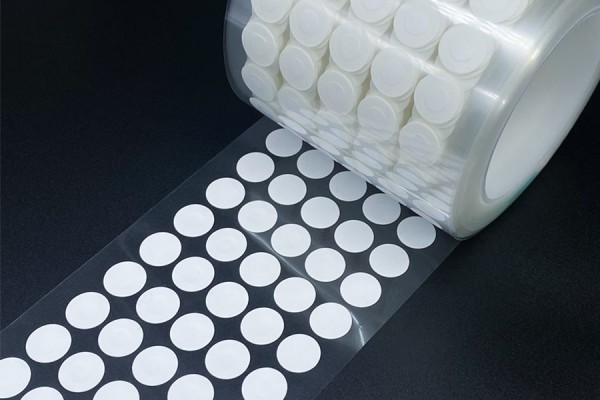
Applications of PTFE Tape in Aerospace
PTFE tape plays a important role in the aerospace sector due to its unique characteristics. This material is often utilized in applications requiring insulation and sealing, particularly in cable assemblies and connectors exposed to harsh conditions. Its chemical resistance ensures that PTFE tape can withstand aggressive substances commonly found in aircraft environments without degrading. Moreover, the low friction properties contribute to efficient mechanical performance, minimizing wear on moving parts. PTFE tape’s durability also makes it ideal for use in components subjected to extreme temperatures and pressures typical of aviation operations. By maintaining reliability under such conditions, PTFE tape enhances overall safety and performance metrics for aerospace systems. Through effective sealing and insulation, it contributes significantly to the longevity and functionality of critical aerospace components, thereby supporting the industry’s high standards for safety and performance.
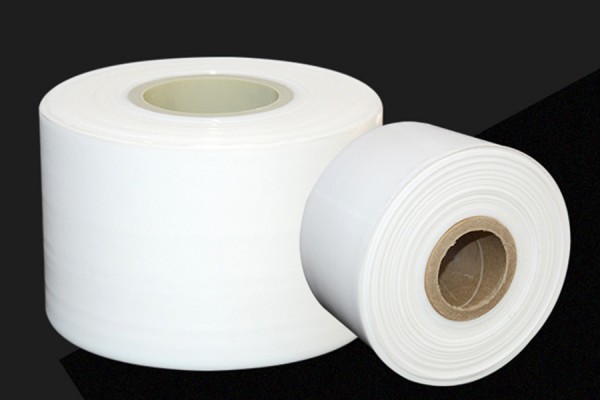
Performance advantages of PTFE Tape
PTFE tape offers several performance advantages that make it a preferred choice across various industries. Its low friction property ensures smooth movement in applications where minimal resistance is main. This feature is especially beneficial in mechanical assemblies, reducing wear and prolonging the lifespan of components. The chemical resistance of PTFE tape is another significant advantage, allowing it to withstand exposure to harsh chemicals without degrading. This makes it suitable for environments where chemical exposure is a concern, such as laboratories or manufacturing facilities. also, PTFE tape maintains thermal stability, performing effectively in both high and low-temperature conditions. This resilience enables its application in industries like aerospace and automotive, where materials face extreme temperatures and pressure fluctuations. Moreover, the non-stick surface of PTFE tape facilitates easy handling and application, preventing bonding with other materials. These performance characteristics collectively contribute to the reliability and efficiency of PTFE tape in diverse applications.
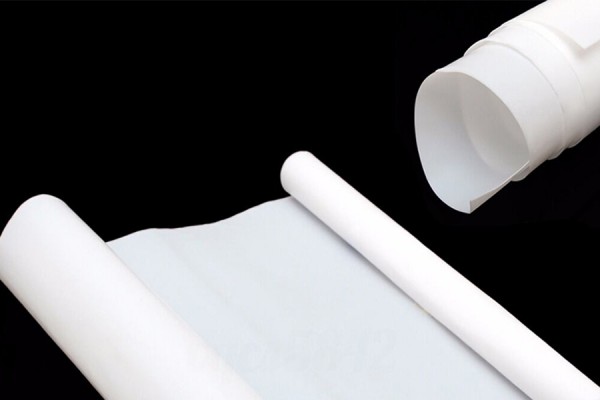
Chemical resistance of PTFE Raw Material Tape
PTFE raw material tape exhibits remarkable chemical resistance, making it suitable for a wide range of applications. Its structure allows it to withstand exposure to aggressive chemicals, including acids, bases, and solvents. This durability is particularly beneficial in environments such as aerospace and automotive sectors, where materials must endure harsh conditions without degrading. The non-reactive nature of PTFE ensures that it maintains integrity despite prolonged contact with corrosive substances. This quality reduces the risk of failures in critical systems and contributes to enhanced safety in operations. Furthermore, industries that require strict adherence to hygiene standards, such as food processing, find PTFE tape indispensable due to its ability to resist contamination from chemicals commonly used in cleaning processes. Users appreciate how this superior chemical resistance allows for seamless integration into various applications while ensuring long-lasting performance and reliability.
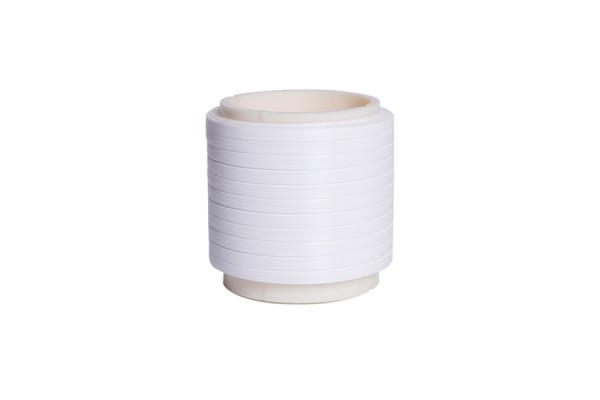
Why choose PTFE Tape for Automotive Uses
PTFE tape is increasingly favored in the automotive sector due to its unique properties and robust performance under various conditions. Its low friction surface allows for smooth movement in applications like valve seals and O-rings, reducing wear on components. furthermore, PTFE tape demonstrates exceptional chemical resistance, making it suitable for use around fuels and oils without degrading or causing contamination. This durability ensures longevity, which is critical in automotive environments subject to high stress and temperature fluctuations. With thermal stability that withstands extreme heat, PTFE tape proves essential in exhaust systems and engine components. Its ability to provide reliable insulation also protects wiring against heat damage. As the automotive industry continues to advance towards higher efficiency and performance standards, the integration of PTFE tape becomes a strategic choice to boost reliability and safety across various vehicle systems.
The role of PTFE Tape in Electronics
PTFE raw material tape is highly regarded in the electronics sector due to its unique properties that improve the performance and reliability of various components. Its low friction surfaces contribute to reducing wear and tear in machinery, allowing for smoother operations within electronic devices. The chemical resistance of PTFE tape is particularly vital, as it safeguards sensitive components from corrosive substances, ensuring longevity and optimal function. Furthermore, its thermal stability means it can withstand high temperatures without degrading, which is essential in applications like soldering or insulating wires. The versatility of PTFE tape allows it to be utilized in a range of electronics applications, from insulating cables to protecting circuit boards from moisture and contaminants. This combination of durability and performance makes PTFE raw material tape a preferred choice among manufacturers aiming for high quality electronic solutions.
Thermal stability and Its Importance in PTFE Tape
Thermal stability is a important attribute of PTFE raw material tape, playing a significant role in its functionality across various applications. This material can withstand extreme temperature ranges, typically from -200°C to 260°C, without compromising its structure or properties. Such resilience makes it suitable for demanding environments, particularly in aerospace and automotive sectors. The ability to maintain mechanical stability under high temperatures reduces the risk of deformation and ensures reliability in critical systems. Furthermore, PTFE’s thermal stability translates to excellent dielectric properties, which are essential in electronic applications. It prevents breakdowns that can occur with temperature fluctuations, thus improving the longevity of components. Overall, the thermal performance of PTFE tape highlights its versatility and effectiveness as a reliable sealing and insulating solution across multiple industries.
Understanding the Properties of PTFE Raw Material Tape
PTFE raw material tape exhibits a range of important characteristics that make it suitable for various applications. Its chemical resistance allows it to withstand harsh environments, making it a go-to choice in sectors like aerospace and automotive. The low friction properties facilitate smooth operation in mechanical settings, reducing wear and improving efficiency. furthermore, PTFE tape boasts high thermal stability, which enables it to perform well under extreme temperature variations without degrading. This combination of chemical resistance, low friction, and thermal stability ensures that PTFE raw material tape can maintain its integrity and functionality in demanding applications. Overall, understanding these properties helps industries leverage PTFE tape effectively for their specific needs.
Conclusion
PTFE raw material tape clearly stands out due to its unique properties, making it a reliable choice across various sectors. Its exceptional chemical resistance ensures that it can handle aggressive substances without degradation, thereby enhancing safety and performance in critical applications. The low friction surface facilitates efficient movement in mechanical systems, significantly reducing wear and prolonging component lifespan. Thermal stability further allows PTFE tape to perform optimally under extreme temperature conditions, making it integral to industries like aerospace and automotive. The versatility of PTFE tape extends its use in electronics, insulating components while protecting them from environmental factors. These cumulative advantages point out the necessity of PTFE raw material tape in ensuring reliability and performance across multiple applications, confirming its vital role in modern manufacturing and engineering solutions.
FAQs
What is PTFE raw material tape used for?
PTFE raw material tape is widely used for sealing, insulation, and cable protection in various industries, including aerospace, automotive, and electronics.
What are the important characteristics of PTFE tape?
PTFE tape is known for its low friction, chemical resistance, and thermal stability, making it suitable for demanding environments.
How does PTFE tape perform in high-temperature applications?
PTFE tape maintains its integrity and functionality in extreme temperatures, ranging from -200°C to 260°C.
Is PTFE tape safe for use with chemicals?
Yes, PTFE tape exhibits excellent chemical resistance against acids, bases, and solvents without degrading or reacting with them.
Can PTFE tape be used in food processing applications?
Absolutely. Its non-reactive nature makes PTFE tape suitable for food processing environments where hygiene is important.
What advantages does PTFE tape offer in electronics?
In electronics, PTFE tape provides insulation and protection against moisture while reducing wear on components due to its low friction surface.
Why is thermal stability important for PTFE raw material tape?
Thermal stability ensures that PTFE tape performs reliably under temperature fluctuations, which enhances the longevity of critical components.
How does low friction benefit the performance of machinery using PTFE tape?
Low friction reduces wear and tear on mechanical components, leading to smoother operation and extending the lifespan of machinery parts.
What types of applications benefit from using PTFE raw material tape?
Applications such as automotive seals, aerospace insulation, and electronic component protection all benefit significantly from the properties of PTFE raw material tape.