main Takeaways
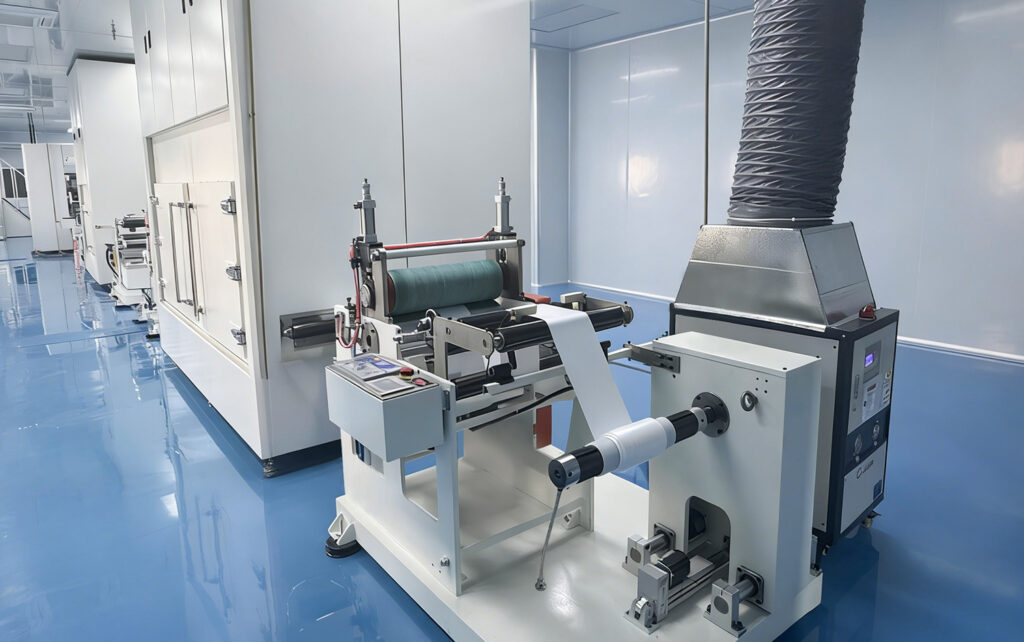
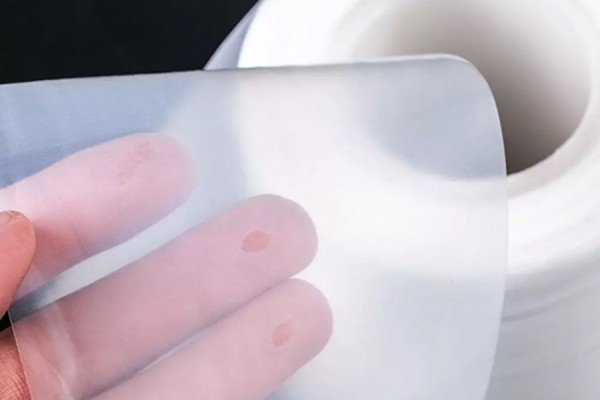
PTFE cable tape wrapping offers reliable insulation for high‑frequency systems by combining a low dielectric loss with a hydrophobic barrier. The result is reduced signal delay and minimized leakage currents, supporting cleaner signal integrity in modern data links. Its broad temperature tolerance, from -200°C to +260°C, keeps insulation stable during extreme thermal cycles and harsh operating conditions. Moisture protection is a main strength, as the hydrophobic structure prevents ingress that could degrade performance or shorten cable life. Durable chemical resistance and mechanical stability further help cables withstand vibration and bending in demanding environments. Real-world implementations, such as DAC high-speed cable wrapping film and AEC high-speed cable wrapping film, illustrate how PTFE materials translate into lasting performance and lower maintenance. Ongoing advancements in PTFE technology continue to improve dielectric properties and flexibility without sacrificing strength, enabling higher data rates and more reliable networks across industrial, telecom, and outdoor applications.
Enhancing cable insulation with PTFE Wrap
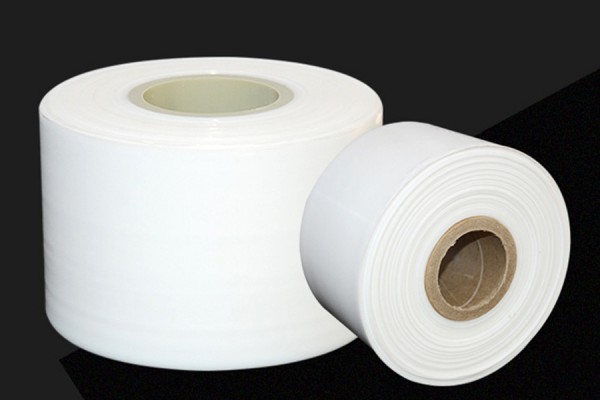
PTFE cable wrapping tape is a main material for improving cable insulation in high-frequency applications. Its unique fibrous microporous structure allows for effective insulation against moisture and environmental factors, which are essential for maintaining signal integrity in high-speed transmission lines. The low dielectric loss characteristic of PTFE wrapping film ensures minimal signal degradation, making it a preferred option for high-speed and high-frequency cable wrapping film. furthermore, the excellent temperature resistance of PTFE cable roll coating allows these cables to function reliably across a broad temperature range, from -200°C to +260°C. This stability is important for applications subjected to extreme conditions. Furthermore, products like DAC high-speed cable wrapping film and AEC high-speed cable wrapping film leverage the properties of PTFE to ensure lasting performance while simultaneously reducing leakage issues by improving overall insulation efficiency. By utilizing PTFE Thread Seal Tape in various electrical applications, manufacturers can ensure that their cables meet stringent performance criteria required in today’s data driven environment.
Maximizing high-Frequency Signal Efficiency
The efficiency of high-frequency signal transmission is significantly influenced by the use of PTFE cable tape wrapping. This material’s low dielectric constant closely resembles that of air, which minimizes signal delays and reduces capacitive coupling that can disrupt data integrity. As a result, PTFE tape ensures smoother signal transmission, vital for modern high-speed data applications. Moreover, its insulating properties provide essential protection against potential short circuits or leakage currents that may arise in high-frequency environments. This reliable insulation not only enhances signal quality but also prolongs the lifespan of cables during operation. By integrating PTFE tape into cable designs, engineers can achieve improved performance metrics that meet the growing demands for faster and more stable data transfer. Through original applications of PTFE technology, companies can optimize their cables while addressing challenges associated with frequency variations and maintaining overall efficiency in telecommunications and data transfer systems.
Exploring temperature resistance solutions in Cables
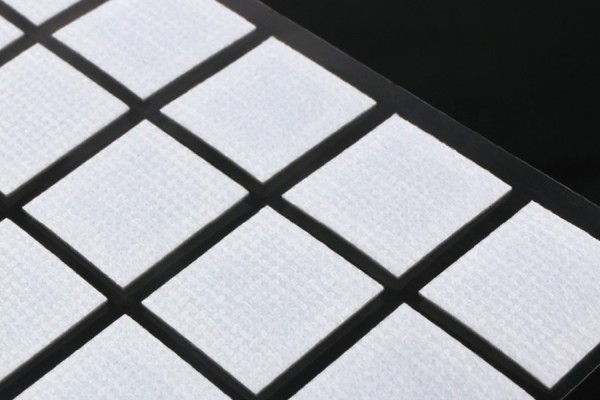
Temperature resistance is vital for ensuring the reliable performance of cables in various environments. PTFE cable tape wrapping provides excellent thermal stability, functioning efficiently within a wide temperature range from -200°C to +260°C. This broad operating range assures that the insulation remains intact under extreme conditions, minimizing the risk of damage or signal loss. The unique properties of PTFE aid in maintaining electrical performance, even when subject to fluctuating temperatures. This advantage is especially important for high-frequency applications where signal integrity is important. By utilizing PTFE wrapping, manufacturers can produce cables that withstand thermal stresses without compromising insulation quality or electrical safety. The ability to resist thermal degradation makes PTFE an ideal choice for applications involving heat generation, such as those found in industrial settings or high-power communications systems.
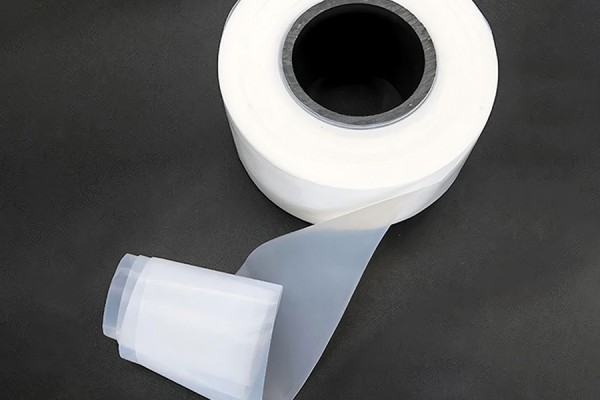
Understanding moisture protection in Cable Technology
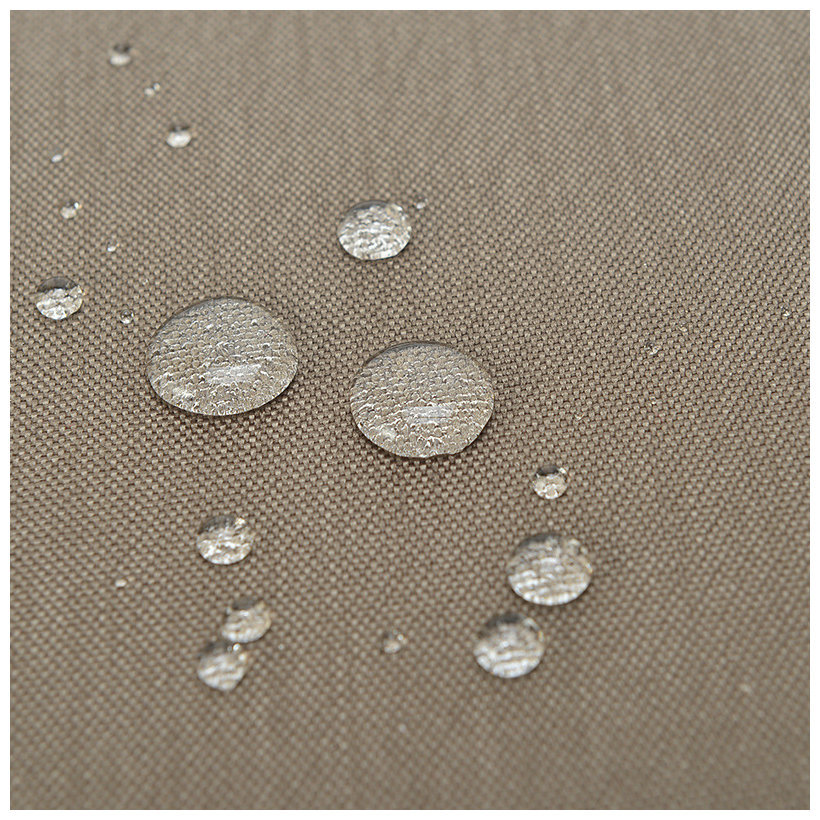
Moisture can significantly impact the performance of electrical cables, leading to issues such as decreased signal integrity and increased risk of short circuits. PTFE cable tape wrapping provides an effective solution to these challenges. Its unique fibrous microporous structure creates a hydrophobic barrier that prevents moisture ingress, ensuring that cables maintain their electrical performance even in humid environments. This quality is essential for applications in outdoor or damp settings where conventional insulation methods may fail. The chemical inertness of PTFE further enhances its capability to resist various corrosive substances, contributing to the long term reliability of cable systems. By employing PTFE tape wrapping, manufacturers can improve the durability and efficiency of their products, ultimately leading to better overall performance in critical high-frequency applications.
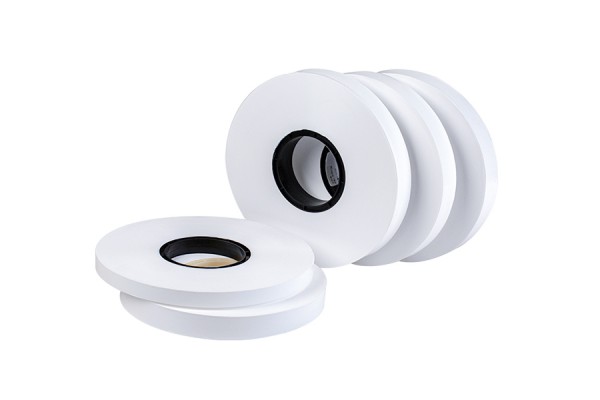
Combining performance and Durability with PTFE Tape
PTFE tape is known for its unique combination of performance and durability, making it a preferred choice for various applications. Its low dielectric loss ensures efficient signal transmission, while its structure withstands demanding conditions. The tape’s high thermal stability means it functions reliably across a wide temperature range, from extreme lows to highs, minimizing the risk of degradation. This durability is complemented by chemical inertness, allowing PTFE tape to resist corrosion from harsh environments. In addition to insulation properties, the tape maintains structural integrity even when subjected to mechanical stresses. This makes PTFE cable tape an essential component in high-frequency applications, where performance and longevity are paramount. With advancements in technology continuously improving the formulation of PTFE, users can expect enhanced reliability and efficiency in their cable systems. The interaction between these attributes not only promotes optimal signal integrity but also reduces maintenance needs over time, proving that investing in quality materials pays off in operational excellence.
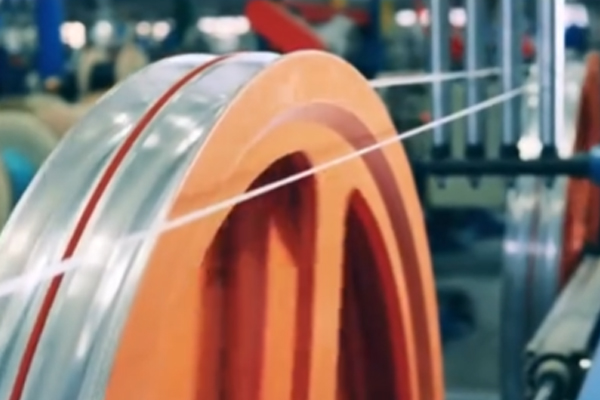
new Cable Solutions for Reliable Insulation
PTFE cable tape wrapping offers promising solutions for reliable insulation in high-frequency applications. The unique properties of PTFE, such as its low dielectric loss and chemical inertness, ensure that electrical components remain insulated even under extreme conditions. This insulation is vital for maintaining signal integrity and operational stability. The wrap not only minimizes signal degradation but also protects cables against external factors like moisture and temperature fluctuations. Furthermore, advancements in PTFE technology boost cable performance by reducing leakage currents and boosting overall efficiency. As the demand for high-performance data cables rises, adopting PTFE insulation solutions becomes increasingly important. These innovations play a main role in enhancing the durability and reliability of electrical systems, making them well-suited for modern communication networks. Each layer of PTFE tape provides an additional barrier against potential disruptions, contributing significantly to long term functionality and safety in various applications.
Advancements in PTFE Technology for Electrical Cables
Recent improvements in PTFE technology have transformed the performance capabilities of electrical cables. Enhanced dielectric properties significantly reduce signal loss, allowing for clearer data transmission at high frequencies. Innovations in the manufacturing process have led to a more uniform microscopically porous structure, increasing cable flexibility while maintaining durability. This flexibility is essential for installations in tight spaces, accommodating complex routing without compromising insulation integrity. also, advancements in ePTFE formulations have improved thermal stability, ensuring consistent performance under extreme temperature variations. These developments not only bolster electrical efficiency but also extend the service life of cables, making PTFE a important player in modern electrical cable design. Companies are increasingly leveraging these advancements to meet growing demands for reliable and efficient communication systems across various industries. This ongoing evolution in PTFE technology promises to further improve the capabilities of electrical cables, catering to an ever-expanding range of applications and environments.
Foiling signal loss with PTFE Cable Innovations
PTFE cable innovations play a significant role in reducing signal loss, primarily through their unique properties that improve performance in high-frequency applications. The low dielectric constant of PTFE closely resembles that of air, minimizing delays and capacitive coupling during transmission. This feature is essential for maintaining the integrity of signals over distances. PTFE’s excellent electrical insulation capabilities ensure a reliable barrier against short circuits and leakage, bolstering both safety and efficiency in data transfer. Furthermore, the ability of PTFE to withstand extreme temperature variations, from -200°C to +260°C, provides unmatched stability under varying conditions, reducing the risk of performance degradation. The chemical inertness of PTFE means it resists degradation from exposure to diverse chemicals and solvents, extending the lifespan of cables while maintaining signal quality. Coupled with its moisture resistance due to its hydrophobic qualities, PTFE tape wraps significantly improve cable reliability in humid environments, ensuring consistent performance under a range of conditions.
Conclusion
the use of PTFE cable tape wrapping presents significant advantages for improving overall cable performance in high-frequency applications. Its unique attributes ensure reliable insulation, consistent temperature resistance, and effective moisture protection. As manufacturers increasingly demand solutions to boost cable efficiency and signal integrity, the role of PTFE becomes ever more critical. Advancements in PTFE technology not only contribute to the longevity of cables but also foster improved electrical performance across a variety of environments. By integrating PTFE solutions, companies can address common challenges such as signal loss and environmental interference, leading to more resilient electrical systems. This alignment of new materials with industry needs paves the way for future developments that prioritize both efficiency and reliability in communication networks. The path forward clearly emphasizes the importance of utilizing advanced materials like PTFE to meet evolving technological demands, further solidifying its place as a main component in modern cable design.
FAQs
What is PTFE cable tape wrapping?
PTFE cable tape wrapping is a type of insulation made from polytetrafluoroethylene that enhances the efficiency and performance of electrical cables, particularly in high-frequency applications.
How does PTFE improve signal integrity?
PTFE minimizes signal loss due to its low dielectric constant, which reduces delays and capacitive coupling, ensuring smoother transmission of data.
What temperature range can PTFE cables withstand?
PTFE cables can function effectively within a temperature range of -200°C to +260°C, making them suitable for both extreme cold and heat environments.
How does PTFE protect against moisture?
PTFE’s fibrous microporous structure creates a hydrophobic barrier that prevents moisture ingress, which helps maintain electrical performance in humid conditions.
Why is durability important for cable insulation?
Durability is important because it ensures that cables can withstand mechanical stresses and harsh environmental conditions without compromising their insulation quality or electrical safety.
What are the benefits of using PTFE in industrial applications?
Using PTFE in industrial applications provides increased reliability, better thermal stability, and enhanced performance metrics under demanding conditions.
Can PTFE cable tape be used in outdoor environments?
Yes, PTFE cable tape is well-suited for outdoor use due to its moisture resistance and chemical inertness, ensuring long-lasting performance even in challenging weather conditions.
How does PTFE compare to traditional insulation materials?
PTFE offers superior thermal stability, lower dielectric loss, and better moisture resistance compared to many traditional insulation materials used in electrical applications.
Are there any recent advancements in PTFE technology?
Yes, recent advancements have improved its dielectric properties and flexibility while maintaining strength, resulting in better overall performance for electrical cables.