main Takeaways
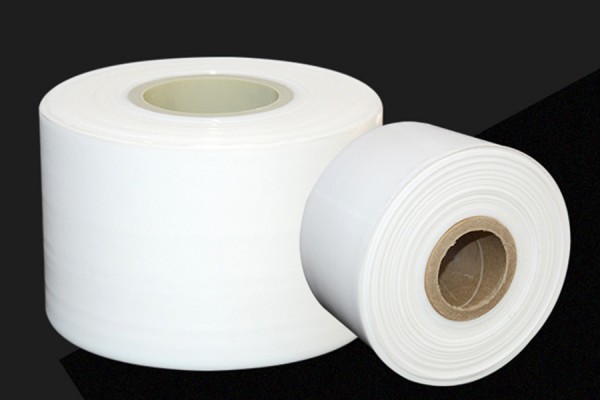
PTFE high-speed cable films play a vital role in modern electronics, thanks to their superior insulation properties, which prevent signal interference. This insulation not only boosts data transmission efficiency but also prolongs the lifespan of electronic devices. The low dielectric properties of PTFE facilitate minimal signal loss, making them essential for applications requiring high-frequency data transfer. Their robustness ensures reliability in demanding environments, further enhancing their appeal in high-speed applications. As the technology behind these films continues to advance, we can expect further improvements in performance and efficiency, positioning PTFE as a important material in the evolution of data transmission solutions. The ongoing research and development in this area promises exciting new possibilities for both manufacturers and consumers.
Revolutionizing data transmission with PTFE Films
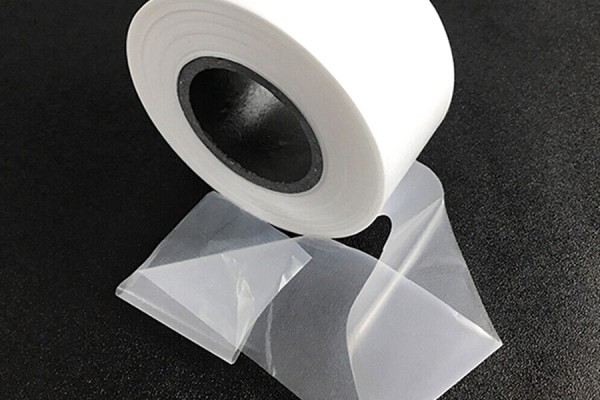
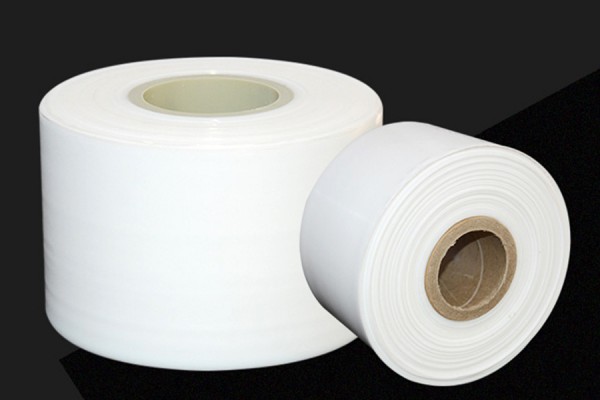
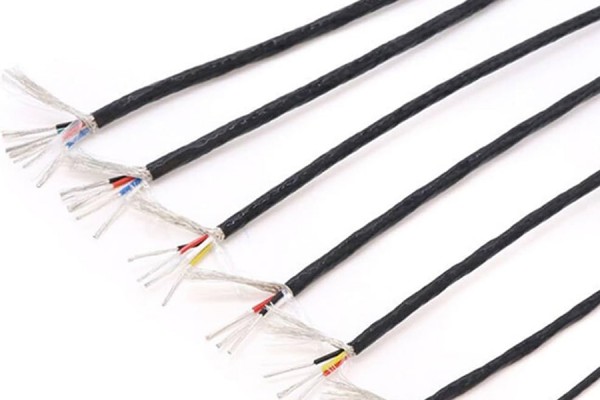
PTFE films are transforming the scene of data transmission, particularly with their application in high speed transmission line PTFE wrapping tape. These films offer unique advantages that improve data integrity and reliability in electronic devices. The chemical properties of PTFE contribute to its effectiveness, making it a leading choice for insulation materials in high-frequency applications. The lightweight nature of PTFE wrapping film ensures minimal impact on overall cable weight while providing excellent thermal stability, which is essential for demanding environments. Moreover, its low dielectric properties significantly reduce signal loss and interference, facilitating robust signal delivery. With the advancements in technology, various products like DAC high-speed cable wrapping film and AOC high-speed cable wrapping film have emerged, tailored for specific applications. As electronic devices continue to evolve, the role of PTFE cable wrapping tape becomes more critical in supporting sophisticated data communication systems, ensuring they meet ever-increasing performance standards.
Superior insulation properties of PTFE Cable Films
PTFE cable films offer exceptional insulation properties that set them apart in high-speed data transmission applications. Their unique structure minimizes electrical leakage and ensures reliable performance, making them ideal for environments requiring stringent safety standards. The non-polar nature of PTFE enhances its insulating capabilities, allowing it to withstand high voltages without degradation. This characteristic is essential for preventing short circuits in complex electronic systems. Furthermore, the high thermal stability of PTFE ensures that the insulation remains intact across a wide range of temperatures, from extreme cold to elevated heat. As environments fluctuate, retaining these properties is important for maintaining efficient data transmission over time. The durability and reliability of PTFE cable films contribute significantly to improving overall system performance, promoting seamless connectivity in high-frequency applications. As a result, they are increasingly favored by manufacturers seeking to optimize electronic components for modern demands in data processing and communication technology.
Low dielectric properties for Enhanced Performance
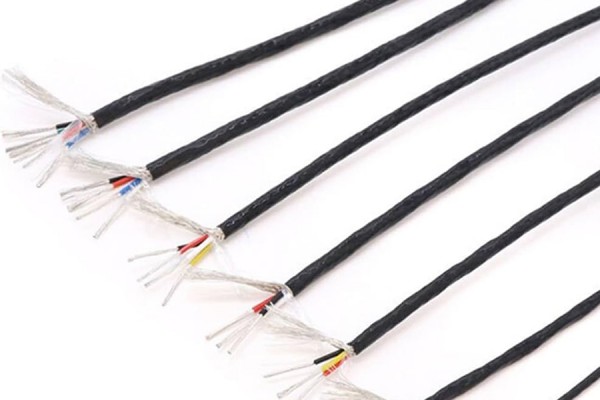
The low dielectric constant of PTFE high-speed cable film plays an important role in improving data transmission efficiency. With a dielectric constant similar to that of air, PTFE greatly minimizes signal delays and reduces capacitive coupling, which is essential for high-frequency applications. This characteristic allows data to be transmitted with greater clarity and speed, making it invaluable in modern electronic devices. also, the low dielectric loss associated with PTFE means that signals can travel further without degradation. As industries continue to push for faster and more reliable communication technologies, using PTFE cable films becomes key. Their performance under high-frequency conditions exemplifies how advanced materials can markedly improve the overall efficiency of data transmission systems, paving the way for innovations in telecommunications and data center infrastructures.
Robust solutions for High-Frequency Applications
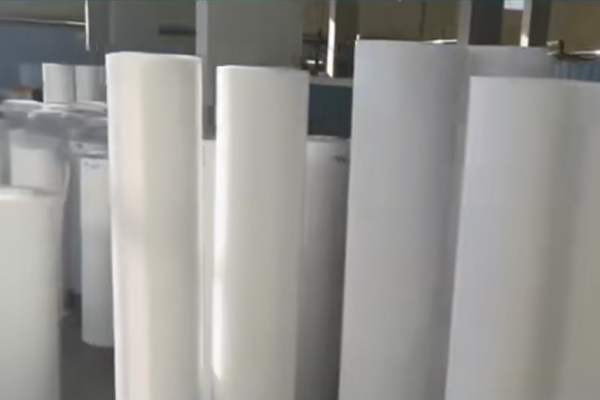
PTFE high-speed cable film provides essential advantages in high-frequency applications. Its robust physical properties ensure reliable performance in environments demanding superior signal integrity. The film’s low dielectric constant minimizes propagation delays, key for applications that depend on quick data transfer rates. furthermore, the excellent electrical insulation offered by PTFE helps prevent signal loss or interference, making it a go-to choice for industries such as telecommunications and aerospace. Enhanced temperature stability allows PTFE films to consistently perform under extreme conditions, which is critical when transmitting high-frequency signals in various climate scenarios. Furthermore, the material’s hydrophobic nature ensures that moisture does not compromise electrical performance, thereby extending the lifespan of cables used in these demanding conditions. Integrating PTFE cable films into high-frequency circuits reflects advancements in material technology that push the boundaries of data transmission capabilities while ensuring consistent reliability across applications.
Benefits of PTFE in Electronic Devices
PTFE high-speed cable films offer numerous advantages important for enhancing electronic device performance. Their excellent insulation properties help prevent interference, ensuring clearer signal transmission. This is essential as electronic devices require robust communication channels for effective operation. The low dielectric constant of PTFE films reduces signal delays, allowing for faster data transfer rates, which is particularly beneficial in applications demanding real time communication. Furthermore, the chemical resistance of PTFE enhances product longevity by protecting against degradation from exposure to various environments. This durability is vital in sectors like telecommunications and automotive where devices face harsh conditions. The ability to maintain performance across a wide temperature range also makes PTFE suitable for diverse applications. Overall, the integration of PTFE high-speed cable films significantly contributes to the reliability and efficiency of modern electronic systems.
Advancements in High-Speed Cable Technology
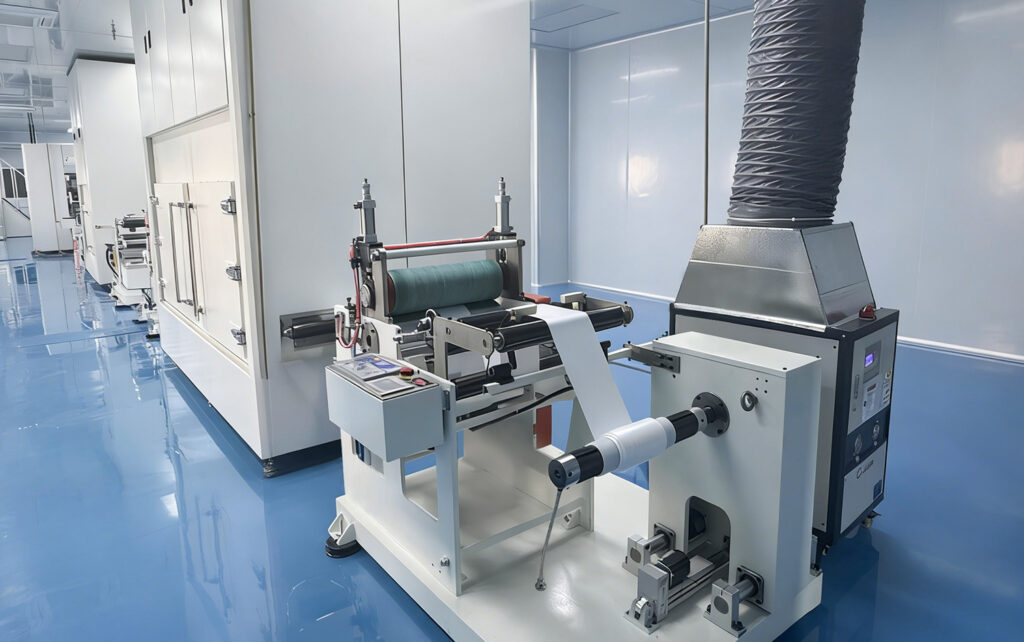
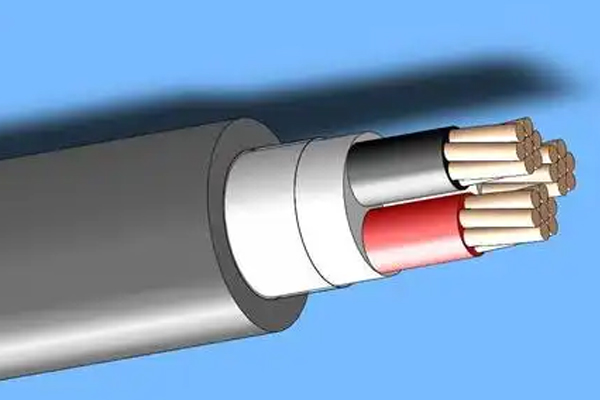
Recent advancements in high-speed cable technology have centered around the integration of PTFE high-speed cable films, which are setting new benchmarks for efficiency and performance. The ongoing evolution of these materials has facilitated the development of faster data transmission solutions. PTFE films are not only improving insulation and reducing signal loss but are also tailored to meet the rigorous demands of contemporary electronic applications. As industries embrace increased connectivity requirements, advancements in processing techniques allow for thinner and lighter cable designs without compromising on effectiveness.
Furthermore, manufacturers are exploring new applications in emerging technologies such as 5G and AI, where high-speed data transfer is essential. The unique properties of PTFE help mitigate issues commonly faced in traditional cabling systems, such as interference and heat generation. By adopting PTFE films, companies can create more robust cables suited for dynamic environments while ensuring compliance with international performance standards. As a result, the drive towards utilizing cutting-edge PTFE technology continues to transform the situation of data transmission systems across various sectors.
Future possibilities with PTFE Cable Films
PTFE cable films continue to evolve alongside advances in electronic technology, opening new possibilities for high-speed data transmission. Their low dielectric constant and stable insulation properties remain key as signal frequencies increase, especially in 5G and emerging 6G networks. Innovations in material processing aim to reduce losses further while maintaining thermal and chemical resistance needed for harsh environments. PTFE’s adaptability allows customization for specific applications, such as AI computing servers or aerospace communication systems, where ultra-fast signal integrity is essential. The shift towards smaller, denser circuit designs also challenges traditional cable films, pushing PTFE-based materials to improve flexibility and thickness control without compromising performance. Research into combining PTFE films with nanomaterials or novel coatings may offer enhanced shielding from interference or improved mechanical strength. As demands grow for more reliable and efficient data channels, PTFE cable films are likely to play an increasingly critical role in bridging current technology with future high-frequency communication standards.
Conclusion
PTFE high-speed cable films represent a significant advancement in data transmission technology. Their superior insulation properties contribute to reduced signal loss, making them ideal for high-frequency applications. With low dielectric constants, these films help minimize energy dissipation, which is essential for maintaining signal integrity in electronic devices. The robust performance of PTFE films under various conditions enhances their reliability for both consumer and industrial electronics. As the demand for faster and more efficient data transfer continues to grow, the use of PTFE in cable technology is expected to expand further. Continuous innovation in materials science will likely drive new applications and improvements in performance, making PTFE a important player in the future of electronic communication solutions. The evolution of this technology could pave the way for advancements that impact a wide range of industries, highlighting the need for ongoing research and development in this area.
FAQs
What are PTFE high-speed cable films?
PTFE high-speed cable films are specialized insulating materials designed to improve data transmission in electronic devices, characterized by their low dielectric properties and robust performance.
What advantages do PTFE films offer for electronic devices?
PTFE films provide superior insulation, which enhances signal quality and minimizes interference in high-frequency applications.
How do low dielectric properties benefit data transmission?
Low dielectric properties reduce signal loss, allowing for more efficient data transmission over longer distances and at higher speeds.
Are PTFE films suitable for all electronic applications?
While they excel in high-frequency applications, the suitability of PTFE films can vary based on specific requirements and environmental conditions of the device.
What advancements have been made in PTFE cable technology recently?
Recent advancements include improved manufacturing processes that boost the reliability and performance of PTFE cable films in demanding electronic environments.