important Takeaways
Teflon film proves to be an essential material due to its remarkable qualities and diverse applications. Its unique properties not only boost performance but also drive innovation across various industries. The film’s low friction reduces wear on machinery, extending equipment life and cutting down on maintenance frequency. Furthermore, its excellent chemical resistance ensures that it remains intact and reliable even in harsh environments, a critical factor for sectors like automotive and aerospace. In electronics, Teflon film’s insulating capabilities protect sensitive components, enhancing overall device reliability. With advancements in technology, manufacturers are now capable of tailoring Teflon films to meet specific application requirements more effectively. This adaptability allows for the development of custom solutions that align with evolving industry needs, positioning Teflon film as a important player in future innovations across sectors. The ongoing commitment to enhancing Teflon film not only adds value but also sets the stage for further breakthroughs in manufacturing and production techniques.
original Uses of Teflon Film
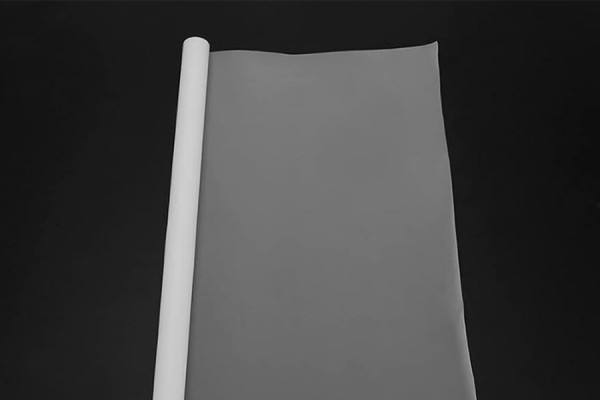
Teflon film showcases versatility across various industries by improving the performance and durability of numerous applications. In the electronics sector, for example, PTFE wrapping film acts as a vital component in insulation and protection of wires and cables, ensuring high-speed transmission and enhanced durability. Similarly, High speed transmission line PTFE wrapping tape is integral in maintaining signal integrity in high-frequency environments. In manufacturing, Teflon’s unique properties lend themselves to original solutions like PTFE Thread Seal Tape and PTFE cable wrapping tape that reduce friction and improve efficiency during production processes. Industries such as automotive also benefit from Teflon’s capabilities in high-performance applications. New advancements like DAC high-speed cable wrapping film, AEC high-speed cable wrapping film, AOC high-speed cable wrapping film, and ACC high-speed cable wrapping film are revolutionizing how cables are coated for optimal performance. These developments underline Teflon’s role as a main material in enhancing industrial applications across sectors.
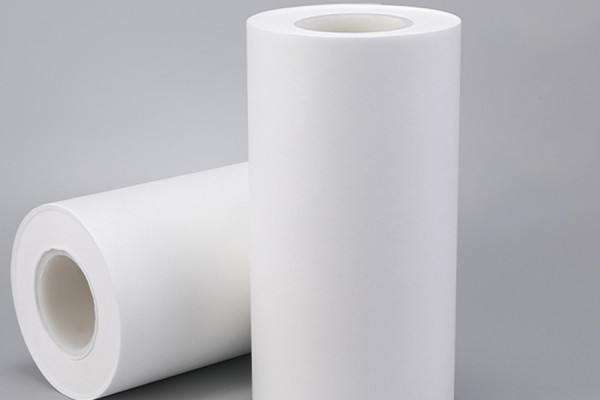
Benefits of Teflon Film Technologies
Teflon film technologies offer significant advantages across various industries due to their unique properties. One important benefit is their exceptional chemical resistance, which allows Teflon films to withstand exposure to corrosive substances without degrading. This property is particularly helpful in the automotive and aerospace sectors, where materials are often exposed to harsh conditions. furthermore, Teflon films provide excellent thermal stability, maintaining their performance at high temperatures without losing integrity. Their low friction surface reduces wear and tear in moving parts, improving the longevity of machinery and components.
Moreover, Teflon films are lightweight yet strong, making them suitable for applications that demand both durability and reduced weight. In the electronics sector, their insulating properties contribute to safer and more efficient devices. Manufacturers also benefit from ease of processing; Teflon films can be tailored for specific applications through various techniques like adhesive lamination or die cutting. Overall, the advancements in Teflon film technology improve operational efficiency while reducing maintenance costs across different fields.
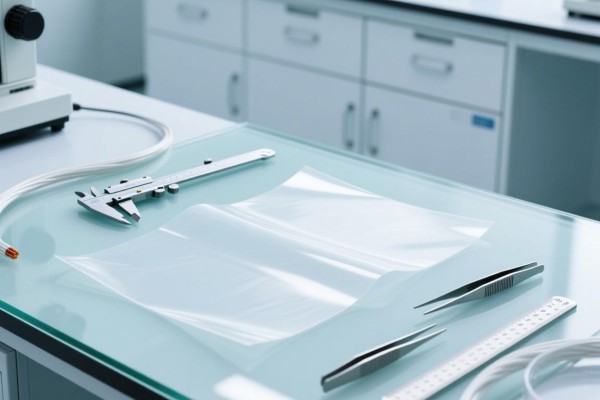
Teflon film in Manufacturing Solutions
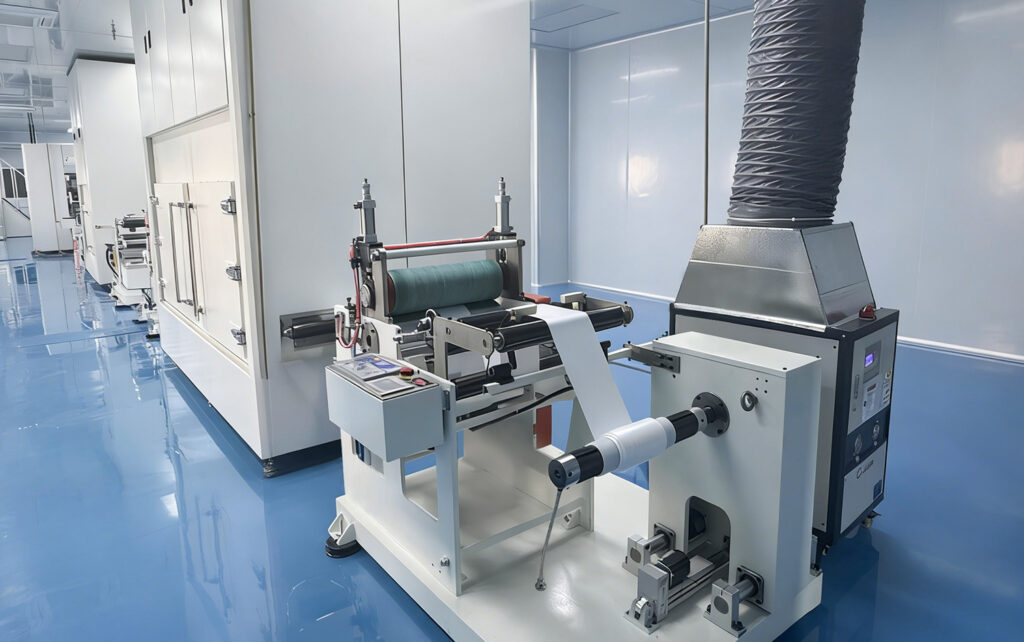
Teflon film plays a critical role in various manufacturing processes due to its distinct properties. Its non-stick surface makes it ideal for use in machinery that handles sticky or challenging materials, minimizing downtime for maintenance. furthermore, Teflon film has a high-temperature resistance, allowing it to function effectively in environments where conventional materials might fail. Its durability reduces wear and tear on equipment, which in turn lowers replacement costs over time. Beyond its physical attributes, Teflon film provides superior chemical resistance, ensuring that machinery remains uncontaminated by harsh substances encountered during production. Industries such as food processing and pharmaceuticals benefit significantly from these characteristics, as they ensure compliance with stringent safety standards while maintaining operational efficiency. The integration of Teflon film into manufacturing solutions not only leads to higher productivity but also promotes innovation by enabling the development of advanced production techniques that were previously unattainable.
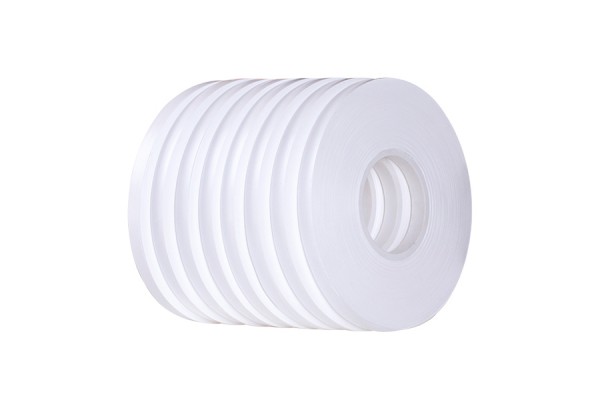
Enhancing industrial performance with Teflon
Teflon film plays a important role in boosting industrial performance across various sectors. Its low friction properties make it ideal for applications requiring smooth movement, such as conveyor systems and machinery components. By reducing wear and tear, Teflon film not only extends the lifespan of equipment but also decreases maintenance costs. Moreover, its chemical resistance protects machinery from harsh substances, ensuring operational reliability in challenging environments. The film’s thermal stability enables it to perform effectively under extreme temperatures, which is essential for industries like automotive and aerospace. furthermore, Teflon film’s lightweight nature contributes to overall energy efficiency by reducing operational load. This combination of advantages positions Teflon film as a critical component in enhancing productivity and innovation in the industrial scene.
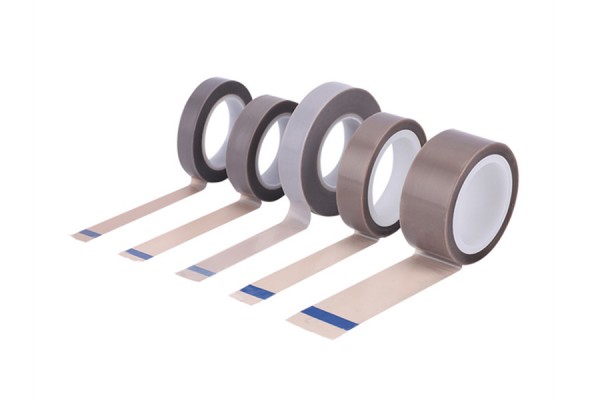
Teflon film applications in Electronics
Teflon film plays a vital role in the electronics industry, delivering essential benefits that improve product performance and efficiency. Its remarkable dielectric properties make it an ideal insulator for a variety of electronic components, including capacitors and printed circuit boards. The non-stick surface reduces friction, facilitating smoother operation within devices. Furthermore, Teflon film’s high thermal resistance enables it to withstand temperature fluctuations without degradation, ensuring longevity and reliability in electronic applications. The film’s chemical resistance also protects sensitive components from corrosive substances often encountered in manufacturing processes. As innovation drives the electronics sector forward, Teflon film is increasingly utilized in flexible circuits and connectors, showcasing its adaptability and effectiveness across diverse applications. By incorporating Teflon film into electronic designs, manufacturers can achieve enhanced performance while contributing to the development of more reliable devices.
How teflon film improves efficiency
teflon film plays a important role in enhancing efficiency across various applications. Its low friction properties allow for smoother operation in machinery, which reduces wear and tear, leading to longer equipment life and less frequent maintenance. In manufacturing processes, Teflon film minimizes the energy required for movement, resulting in lower operational costs. Furthermore, its chemical resistance ensures that it maintains performance even in harsh environments, making production processes more reliable. In the electronics industry, Teflon film’s dielectric properties improve signal integrity while minimizing energy loss during transmission. These improvements contribute to overall productivity and help companies meet stringent performance targets effectively. The continuous advancements in Teflon film technology further bolster its capacity to deliver efficiency gains in diverse sectors, positioning it as a useful asset in modern industry.
Latest trends in Teflon Film Development
Current advancements in Teflon film technology are reshaping various industries through enhanced performance and functionality. Researchers are focusing on improving the mechanical and thermal properties of Teflon films, making them increasingly suitable for demanding applications. Innovations involve developing multi-layered films that combine Teflon with other materials, significantly boosting durability and resistance to extreme conditions. The growing demand for energy-efficient products is also influencing the evolution of Teflon films, as manufacturers seek to create films that minimize energy loss while maintaining high performance. furthermore, advancements in production methodologies are enabling cost-effective fabrication of Teflon films, thereby broadening their accessibility for smaller businesses. These trends mention the ongoing commitment to harnessing the potential of Teflon film technology across sectors, further enhancing its role as a vital component in modern manufacturing solutions.
Understanding teflon film’s Unique Properties
Teflon film is known for its remarkable non-stick and chemical-resistant properties, making it a important material in various applications. This fluoropolymer is highly resistant to heat, withstanding temperatures up to 260°C without losing integrity. Its low friction coefficient contributes to smooth surface interactions, which is especially useful in manufacturing and industrial processes. The film’s hydrophobic nature allows it to repel water, preventing moisture-related issues. also, Teflon film exhibits excellent durability against wear and tear, proving effective in demanding environments. Its electrical insulation capabilities boost its role in electronic applications by preventing short circuits. These unique characteristics combine to make Teflon film an essential component for improved performance across multiple industries, driving innovation and efficiency in product development.
Conclusion
the advancements in Teflon film technology signify a significant shift across various industries. By enhancing performance and functionality, Teflon film stands out as a important material that caters to the diverse needs of manufacturing, electronics, and other sectors. Its unique properties, such as low friction, chemical resistance, and thermal stability, enable businesses to improve operational efficiency while reducing maintenance requirements. As companies increasingly rely on new solutions to meet complex challenges, Teflon film’s role will continue to evolve. Ongoing research and development promise even greater improvements, ensuring that Teflon film remains at the forefront of industry advancements, influencing the future of production techniques and product designs. As such, Teflon film not only addresses current demands but also paves the way for future innovations in various applications.
FAQs
What is Teflon film?
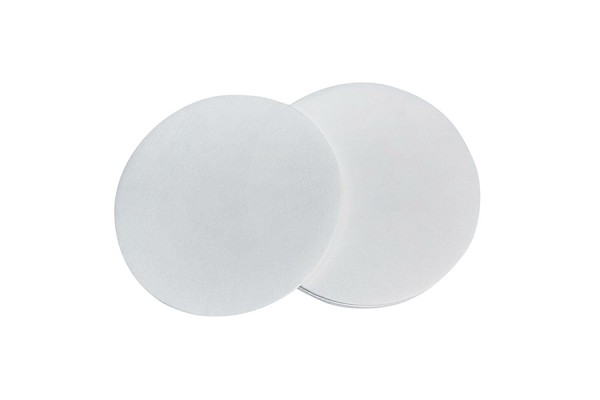
Teflon film is a high-performance material made from polytetrafluoroethylene (PTFE), known for its non-stick and chemical-resistant properties.
What industries benefit from Teflon film?
Teflon film is utilized in various industries including electronics, automotive, aerospace, and manufacturing, due to its excellent durability and thermal stability.
How does Teflon film improve efficiency?
Teflon film enhances efficiency by reducing friction, leading to smoother operation in machines and minimizing wear and tear on components.
Can Teflon film withstand high temperatures?
Yes, Teflon film can tolerate temperatures up to 260°C without losing its properties, making it suitable for high-temperature applications.
What are the advantages of using Teflon film in electronics?
In electronics, Teflon film improves insulation, enhances signal integrity, and protects components from corrosive substances.
Is Teflon film customizable for specific applications?
Absolutely, Teflon films can be tailored through various processing techniques like adhesive lamination or die cutting to meet specific needs.
How does Teflon’s chemical resistance benefit industrial applications?
Teflon’s chemical resistance helps prevent degradation or contamination in harsh environments, supporting compliance with safety standards across different sectors.
What recent trends are shaping the development of Teflon films?
Recent trends include multi-layered films for increased durability and advancements focused on energy-efficient production methods.
Is there ongoing research related to Teflon film technology?
Yes, continuous research aims to further boost the properties of Teflon films for even greater performance across diverse applications.