important Takeaways
PTFE membranes offer significant advantages across multiple industries due to their unique properties and adaptability. These membranes are essential in environments that require high performance and resilience against extreme temperatures and aggressive chemicals. The applications of PTFE include filtration systems, where their chemical resistance ensures effective separation of contaminants, enhancing operational reliability. In electrical applications, these membranes minimize signal loss, thereby improving communication technology performance. also, their non-stick and durable nature allows for efficient lubrication in machinery, reducing maintenance costs. As industries increasingly prioritize sustainability, PTFE membranes contribute to reduced waste through improved longevity and reduced need for frequent replacements. Ultimately, the integration of PTFE membranes into various processes is not just beneficial; it’s transforming industry standards for efficiency and durability, ensuring that they are vital components in the ongoing evolution of modern technology.
new Uses of PTFE Membranes
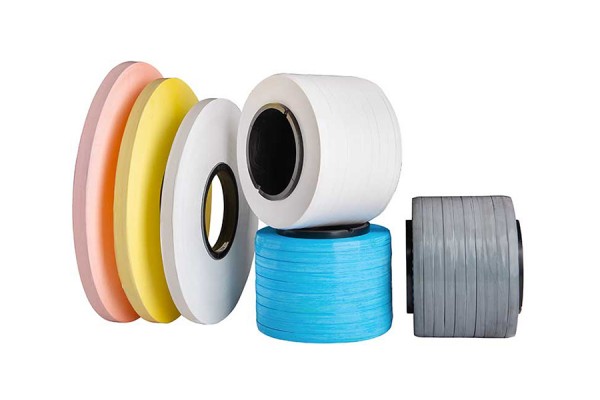
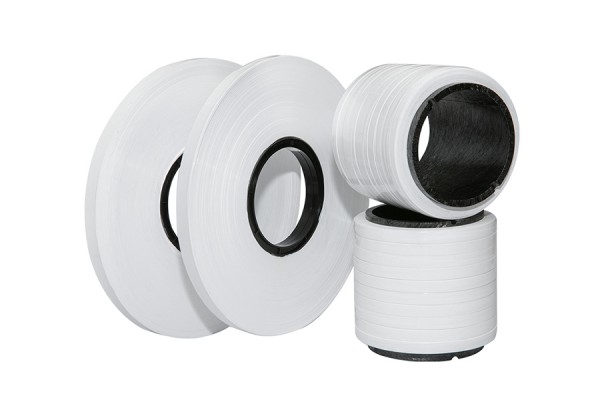
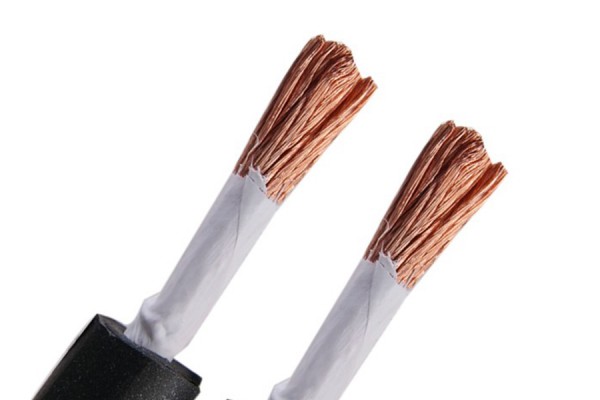
PTFE membranes are increasingly recognized for their versatile applications across various sectors. Their remarkable resistance to chemicals, high temperatures, and weathering makes them ideal for demanding environments. One notable application is in cable insulation, where products like High speed transmission line PTFE wrapping tape improve signal reliability and performance. Similarly, PTFE wrapping film is frequently used in the packaging of sensitive electronic components, offering superior protection against moisture and contaminants. In addition, PTFE Thread Seal Tape serves a critical function in plumbing and HVAC systems to ensure leak-proof seals. The expanding use of PTFE cable wrapping tape and coatings contributes significantly to the development of high-speed communications technologies. DAC high-speed cable wrapping film, AEC high-speed cable wrapping film, AOC high-speed cable wrapping film, ACC high-speed cable wrapping film all exemplify how these membranes improve efficiency in data transfer solutions. These advanced materials not only ensure longevity but also facilitate new designs that cater to the increasing demands of modern applications. Their unique properties continue to revolutionize industries by delivering solutions that improve durability and operational efficiency amidst challenging conditions.
Enhancing durability with PTFE Membranes
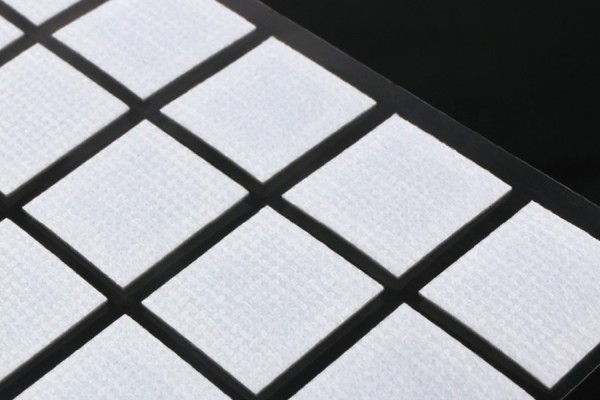
PTFE membranes are recognized for their remarkable durability, making them suitable for a variety of demanding applications. Their unique chemical resistance allows them to withstand aggressive environments, effectively preventing degradation from harsh substances. In industries such as chemical processing and aerospace, PTFE membranes provide reliable performance, reducing maintenance and replacement costs. The high thermal stability of these membranes enables them to perform well under extreme temperatures, further extending their lifespan. furthermore, their non-stick properties help reduce fouling and buildup, ensuring consistent functionality over time. This resilience not only contributes to improved operational efficiency but also enhances the safety of equipment by minimizing the risk of failure and leaks in critical systems. As a result, PTFE membranes have emerged as a go-to solution for industries where durability is paramount.
PTFE Membranes in Harsh Environments
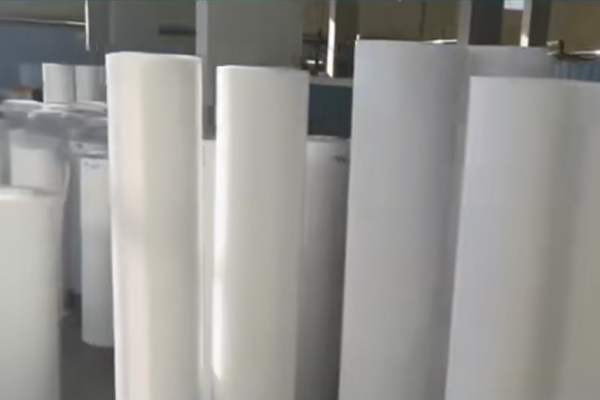
PTFE membranes excel in harsh environments where extreme temperatures, corrosive chemicals, and high-pressure conditions prevail. Their remarkable chemical resistance allows them to withstand aggressive substances without degrading. This characteristic is vital for applications in the chemical processing industry, where contact with acids and bases is frequent. Moreover, PTFE remains stable across a broad temperature range, maintaining functionality even in extreme heat or cold, which is essential for environments like industrial plants and outdoor installations. The durability of PTFE membranes also contributes to their longevity in these settings, reducing the need for frequent replacements and thus minimizing operational downtime. In addition to their resilience against chemicals and temperature fluctuations, PTFE membranes facilitate efficient filtration processes. By providing a reliable barrier against contaminants while allowing necessary particles to pass through, these membranes improve the performance of systems used in critical applications such as water treatment and gas separation. Overall, the adaptability of PTFE membranes makes them invaluable in demanding environments across various industries.
Cost efficiency of Advanced PTFE Membranes
Advanced PTFE membranes are increasingly recognized for their cost efficiency in various applications. Their durability significantly reduces the need for frequent replacements, lowering long-term operational costs. The impressive resistance to chemicals and temperature extremes extends the operational lifecycle of equipment, contributing to savings in maintenance and downtime. also, these membranes improve energy efficiency by insuring optimal performance in demanding environments. Companies often find that investing in high-quality PTFE membranes leads to reduced waste and enhanced productivity, providing a clear financial advantage over lower-grade materials. Moreover, as manufacturing processes evolve, local supply chains can further drive down costs by leveraging regional production of these advanced materials. This shift not only supports economic growth but also ensures that industries can access reliable PTFE solutions at competitive prices, meeting the increasing demand for performance without compromising budget considerations.
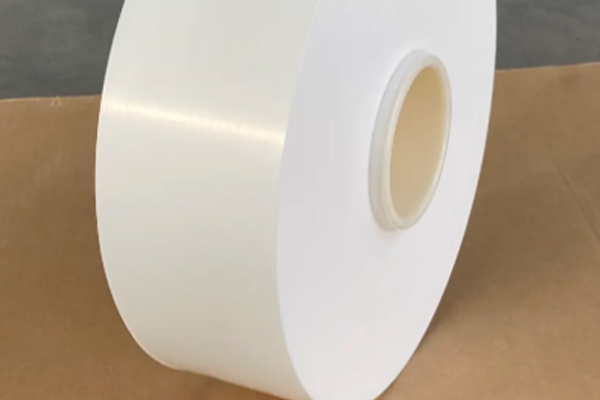
Revolutionizing industries with PTFE Membranes
PTFE membranes are transforming various sectors by providing solutions that boost efficiency and operational reliability. In the healthcare sector, these membranes are used in filtration systems, ensuring the integrity of sterile environments. Their durability and resistance to chemicals mean they can withstand the rigorous cleaning processes required in medical settings. The electronics industry also benefits from PTFE membranes, using them in applications that demand high thermal resistance and low dielectric properties for advanced circuit boards. This innovation aids in improving signal fidelity and reducing energy losses in devices. furthermore, the aerospace and automotive industries leverage PTFE membranes for their lightweight nature and resistance to extreme temperatures, facilitating better fuel efficiency and performance. The adoption of PTFE membranes is not just a trend but a significant shift towards more sustainable manufacturing processes across diverse industries, illustrating their critical role in modern technological advancement.
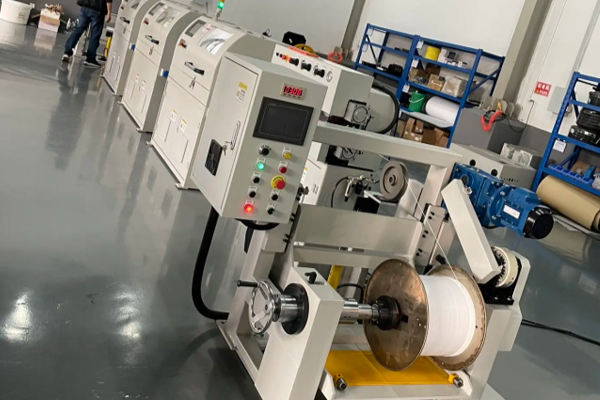
PTFE Membrane Advantages in Signal Transmission
PTFE membranes are gaining recognition for their role in enhancing signal transmission in high-frequency applications. Their low dielectric constant minimizes signal loss, making them ideal for advanced communication systems, including 5G and emerging 6G technologies. These membranes exhibit remarkable thermal stability, ensuring reliable performance under varying environmental conditions. The flexibility of PTFE allows for the production of thin, lightweight films that can easily conform to different substrates while maintaining electrical integrity. Moreover, they are resistant to chemical degradation, which is essential in environments where exposure to various substances can deteriorate less reliable materials. The combination of these properties results in membranes that not only support efficient signal transmission but also contribute to the overall longevity and reliability of electronic devices. As industries transition towards faster and more efficient technologies, PTFE membranes are becoming indispensable components that meet demands for higher performance without sacrificing durability or efficiency.
Applications of PTFE in Chemical Processing
PTFE membranes play a vital role in the chemical processing sector due to their exceptional resistance to corrosive substances and high temperatures. These membranes are frequently employed in filtration systems, where they effectively separate contaminants from process streams. Their non-stick properties significantly reduce fouling, ensuring efficient flow and minimizing maintenance needs. In addition, PTFE’s chemical inertness makes it suitable for applications involving aggressive solvents or acids, providing reliable performance without degrading over time. Furthermore, these membranes can be utilized in the manufacturing of components such as pumps, valves, and gaskets. By preventing chemical leaks and ensuring the integrity of pumping systems, PTFE membranes contribute to overall safety in industrial operations. As chemical processing demands evolve, PTFE continues to meet the rigorous standards for efficiency and reliability while supporting sustainable practices through enhanced performance metrics.
Performance benefits of high quality PTFE Membranes
high quality PTFE membranes provide numerous performance benefits that make them a preferred choice in various applications. Their exceptional chemical resistance ensures they maintain structural integrity even in aggressive environments, preventing degradation over time. The low-friction surface characteristic of PTFE membranes contributes to efficient fluid dynamics, reducing energy costs associated with pump and valve operations. furthermore, these membranes exhibit excellent thermal stability, allowing them to function effectively under extreme temperatures without compromising their properties. Their lightweight yet durable design enhances transportability and installation ease across different settings. In applications like filtration and separation processes, high quality PTFE membranes demonstrate superior permeability for gases and liquids while blocking unwanted contaminants, thereby improving overall system efficiency. Their reliability in maintaining performance under significant pressure ensures consistent results, making them invaluable in sectors such as pharmaceuticals, food processing, and petrochemicals. Overall, the performance benefits of these membranes support a range of industries seeking enhanced functionality and durability in challenging conditions.
Conclusion
the advancements in PTFE membrane technology mention significant contributions to various industries by enhancing performance and efficiency. Their unique properties, such as exceptional chemical resistance and thermal stability, make them indispensable in applications ranging from chemical processing to telecommunications. As industries face escalating demands for durability, PTFE membranes provide reliable solutions that reduce the frequency of replacements and maintenance costs. Moreover, their applicability in harsh environments reinforces their value in critical settings, where failure can lead to severe consequences. The continuous development of new PTFE applications not only fosters operational efficiencies but also aligns with the growing trend towards sustainability in manufacturing processes. Consequently, as these membranes become more integrated into advanced technologies, their role in shaping future industry standards will undoubtedly become even more pronounced.
FAQs
What are PTFE membranes used for?
PTFE membranes are used in various applications, including filtration, insulation, and chemical processing, thanks to their durability and resistance to harsh environments.
How do PTFE membranes boost performance in industries?
They improve performance by providing effective barriers against chemicals and contaminants while maintaining functionality under extreme temperatures.
Are there specific advantages of PTFE membranes in electronic applications?
Yes, PTFE membranes boost signal transmission with low dielectric properties and high thermal stability, making them ideal for advanced communication systems.
What makes PTFE membranes suitable for harsh environments?
Their exceptional chemical resistance and thermal stability allow them to withstand extreme heat, cold, and aggressive substances without degrading.
How do these membranes contribute to cost efficiency?
PTFE membranes reduce maintenance and replacement costs due to their durability and reliability, leading to lower long-term operational expenses.