important Takeaways
ePTFE membranes stand out as a reliable choice across various industries due to their remarkable properties. Their resistance to aggressive chemicals ensures consistent performance in environments where traditional materials may fail. Moreover, the ability to selectively allow vapor passage while blocking larger contaminants is important in fields like pharmaceuticals and electronics. The low weight and flexibility of ePTFE facilitate integration into complex designs, enhancing overall product efficiency. In the automotive sector, these membranes contribute not only to safety and durability but also improve fuel efficiency by reducing vehicle weight. The biocompatibility of ePTFE makes it essential in medical applications, ensuring safe interaction with human tissues. Overall, the diverse applications and unique benefits of ePTFE membranes position them as an important material that meets the rigorous demands of today’s industrial scene while paving the way for future innovations in various sectors.
new Applications of ePTFE Membranes
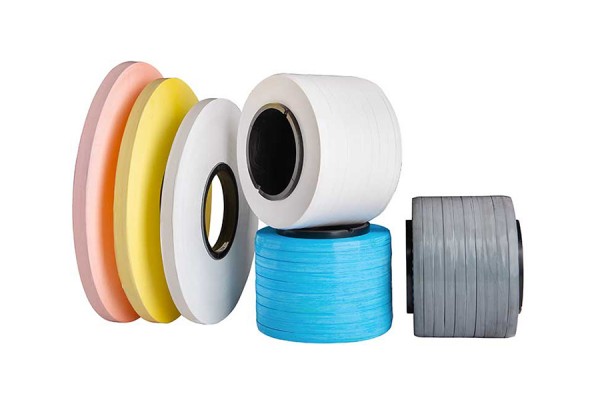
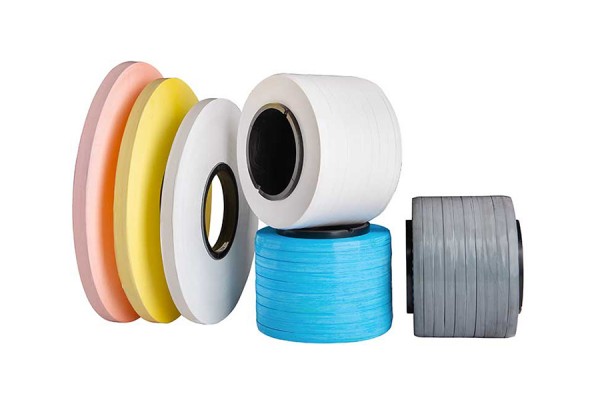
ePTFE membranes are versatile and find new uses across various sectors. In the telecommunications industry, PTFE wrapping film plays a vital role in enhancing the performance and durability of high-speed transmission lines. Its superior stability under extreme conditions makes it an ideal choice for high-speed and high-frequency cable wrapping film, ensuring reliable signal transmission. furthermore, the application of PTFE Thread Seal Tape in piping systems highlights its effectiveness in preventing leaks while maintaining ease of installation.
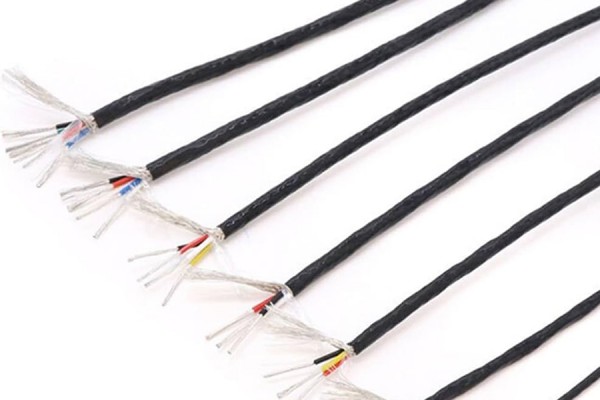
In medical technology, ePTFE’s biocompatibility renders it suitable for devices such as catheters and infusion devices, minimizing the risk of infection. Furthermore, in automotive engineering, manufacturers utilize PTFE cable wrapping tape to increase the insulation performance of wiring harnesses. This application not only enhances safety but also improves efficiency by reducing weight.
The durability and chemical stability of ePTFE make it a preferred material in harsh environments found within industrial settings. Its applications extend to fuel cells with products like DAC high-speed cable wrapping film, enhancing energy efficiency while maintaining structural integrity under stress. Overall, the new uses and robust characteristics of ePTFE membranes attract diverse industries looking for reliable performance solutions.
main Benefits of ePTFE in Industry
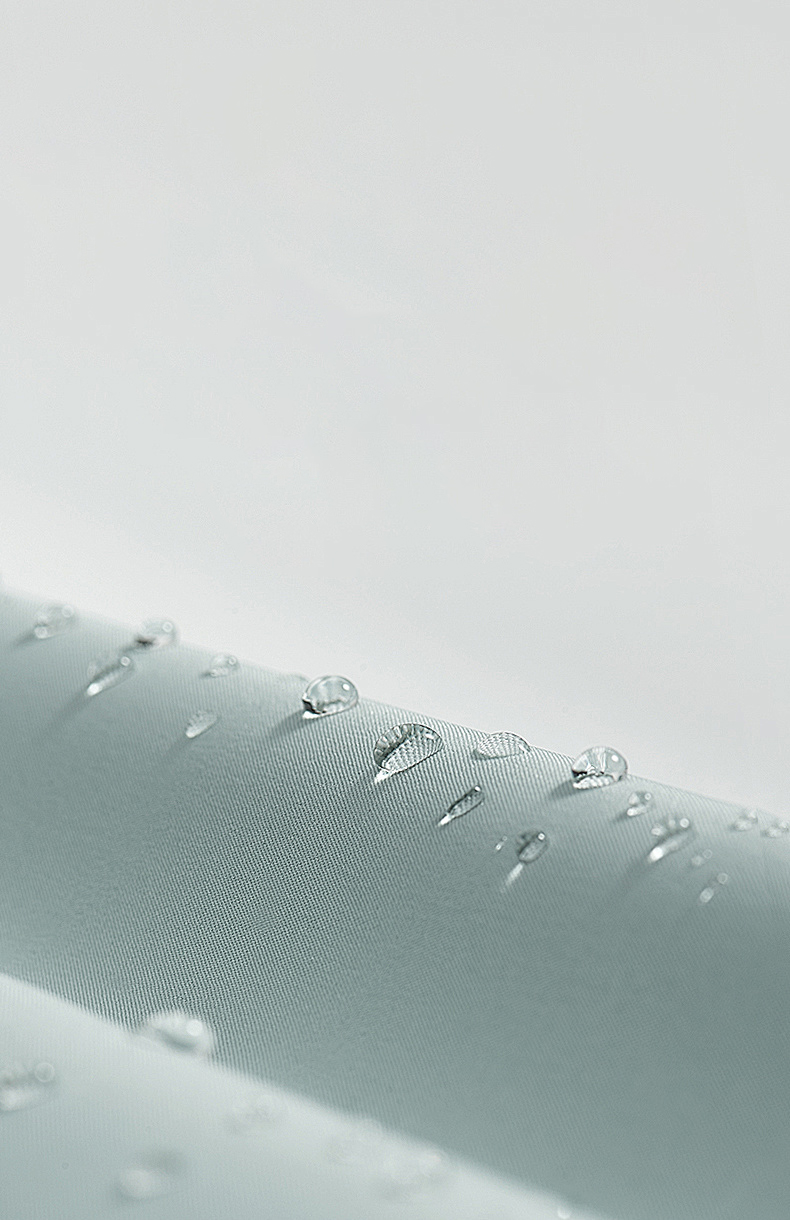
ePTFE membranes offer significant advantages across various industries due to their unique properties. Their superior chemical stability allows them to withstand extreme conditions, including high temperatures and corrosive environments, ensuring reliability in critical applications. These membranes are also highly permeable, enabling the selective passage of gases and vapors while providing a barrier against larger particles, a feature important in industries like pharmaceuticals and electronics. The low friction properties of ePTFE improve equipment efficiency, while its lightweight nature contributes to overall design flexibility. furthermore, its biocompatibility makes it an ideal choice for medical devices, promoting safety in healthcare applications. In the automotive sector, ePTFE’s durability supports long-lasting performance under challenging conditions, which is essential for components that require both insulation and protection. Overall, ePTFE membranes are a versatile and effective material option that meets the expanding needs of various industrial applications.
ePTFE: A Durable Material Choice
ePTFE membranes are known for their remarkable durability, making them an ideal material for various industrial applications. Their robust structure allows them to withstand extreme conditions, such as high temperatures and aggressive chemicals. This durability ensures that ePTFE membranes maintain their performance and integrity over time, which is essential in critical applications where failure is not an option. also, they exhibit excellent flexibility and can adapt to different forms while retaining their strength. This adaptability plays a significant role in diverse fields such as medical technology, automotive engineering, and electronic devices. In these industries, the longevity of ePTFE membranes translates into lower maintenance costs and improved operational efficiency. The blend of durability and adaptability makes ePTFE a preferred choice among manufacturers seeking reliable materials that perform consistently across various environments.
Exploring ePTFE in Medical Technology
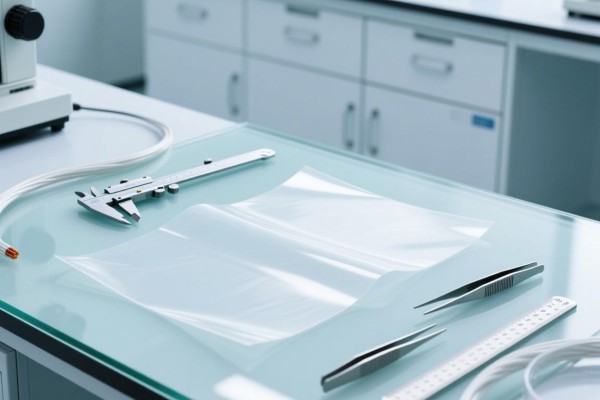
ePTFE membranes are increasingly utilized in medical technology due to their unique properties and versatility. Their hydrophobic nature ensures that bodily fluids are effectively repelled, making them ideal for applications like wound dressings and surgical implants. The microporous structure allows for gas exchange while blocking bacterial penetration, which is important in infection control. also, ePTFE is biocompatible, meaning it can safely coexist with human tissues without adverse reactions. This quality enhances its use in various medical devices such as catheters and infusion systems, where maintaining sterility and functionality is vital. Furthermore, the chemical stability of ePTFE enables it to withstand harsh disinfectants and sterilization processes common in healthcare settings. As technology advances, new applications emerge, including its role in drug delivery systems where controlled release mechanisms can be utilized to improve patient outcomes. The continued exploration of ePTFE membranes holds promise for further innovation within the medical technology field.
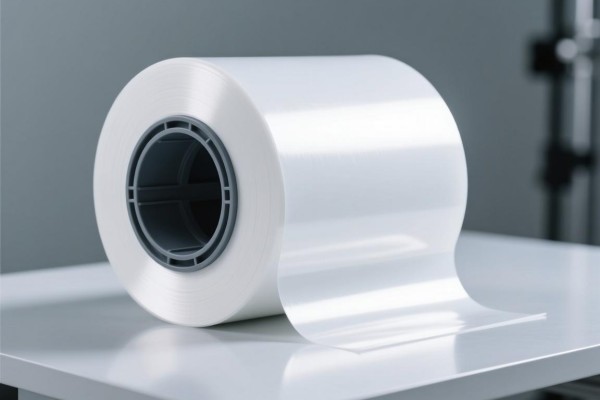
The role of ePTFE in Automotive Engineering
ePTFE membranes play a key role in the automotive sector, thanks to their exceptional properties that boost vehicle performance. These membranes are utilized in various applications, including gaskets, seals, and filtration systems, where their chemical stability is important for durability. The material’s resistance to extreme temperatures and harsh chemicals ensures reliability in engine components that are exposed to challenging environments. Moreover, ePTFE’s lightweight nature contributes to overall vehicle weight reduction, which is essential for fuel efficiency and performance improvements. In addition, the excellent electrical insulation properties of ePTFE make it a preferred choice in automotive wiring harnesses and electronic devices, safeguarding sensitive components from moisture and contaminants. As the automotive industry increasingly shifts towards electric vehicles, ePTFE’s role becomes even more vital in battery management systems and fuel cell technologies. This adaptability allows manufacturers to meet stringent performance standards while also addressing environmental concerns related to vehicle emissions.
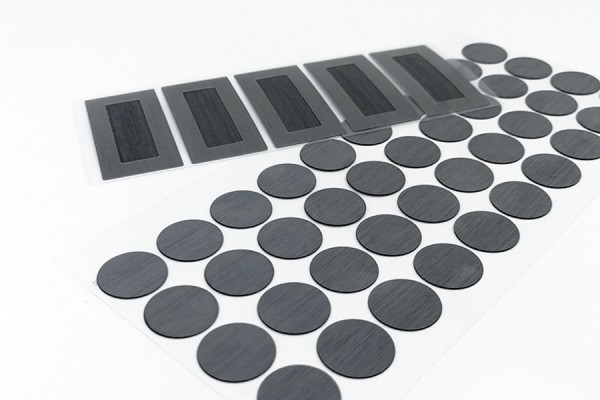
ePTFE Membranes and Chemical Stability
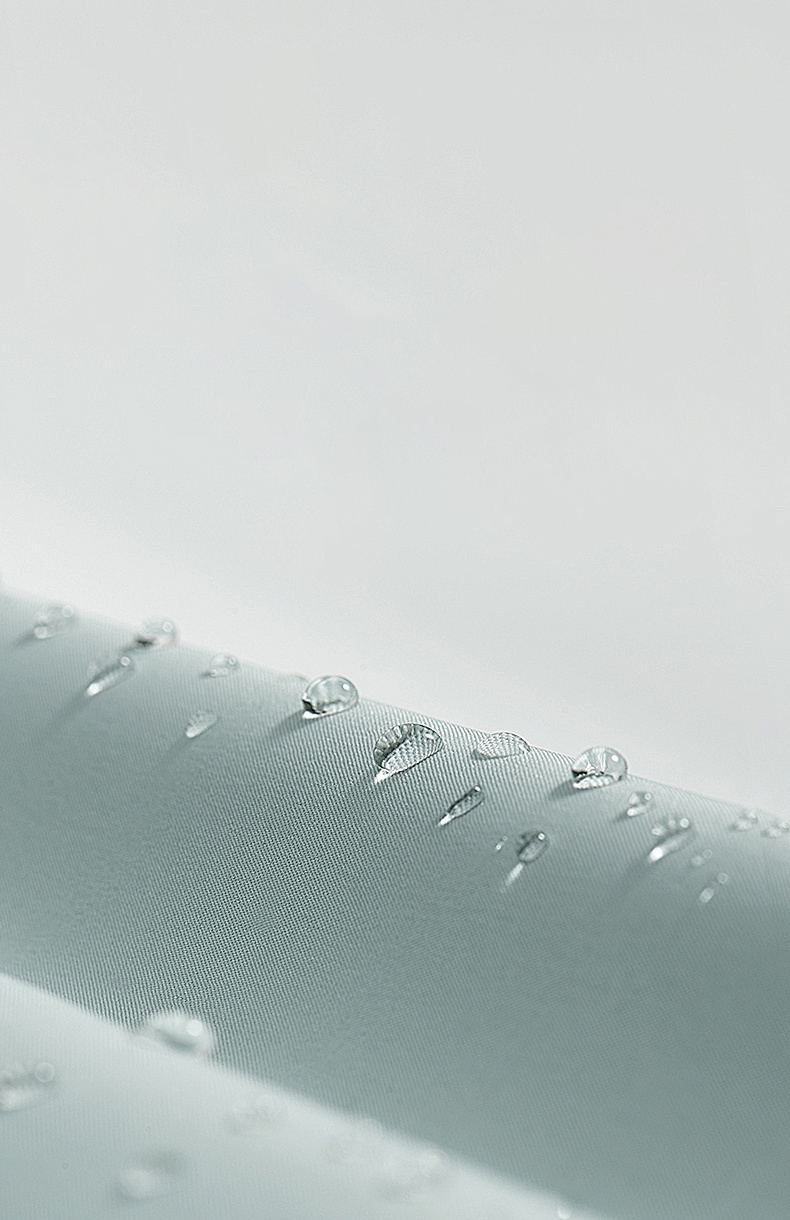
ePTFE membranes are recognized for their outstanding chemical stability, making them a preferred choice in various industrial applications. These membranes withstand aggressive chemicals, ranging from strong acids to alkalis, without degradation or loss of functionality. This resilience is vital in environments where durability is important, such as in the production of pharmaceuticals and chemical processing equipment. The structure of ePTFE contributes to its stability; its porous nature allows for vapor permeability while preventing liquid penetration, which further enhances its durability. Industries focusing on safety and reliability find ePTFE particularly useful since it eliminates concerns about contamination from chemical exposure. also, the low moisture absorption rate of ePTFE helps maintain its integrity under varying humidity levels, ensuring consistent performance over time. This unique combination of properties positions ePTFE membranes as a vital material for applications requiring reliable performance across a spectrum of challenging chemical environments.
Applications of ePTFE in Electronic Devices
ePTFE membranes are increasingly utilized in various electronic devices due to their unique properties. Their high permeability to water vapor while blocking larger particles makes them helpful in protecting sensitive electronic components from moisture and contamination. For instance, in smartphones and tablets, ePTFE membranes are often integrated into speakers and microphones to ensure clear sound quality while preventing water damage. Their lightweight and flexible nature contributes to the miniaturization of electronic devices, allowing manufacturers to create thinner and lighter products without compromising functionality. Furthermore, ePTFE’s excellent dielectric strength is critical for insulation in cords and connectors, enhancing safety and reliability. The material’s thermal stability is another main benefit, ensuring that electronic devices can operate efficiently even under high-temperature conditions. As technology advances, the role of ePTFE membranes is poised to expand, driving further innovation in the electronics industry.
Understanding ePTFE for Industrial Use
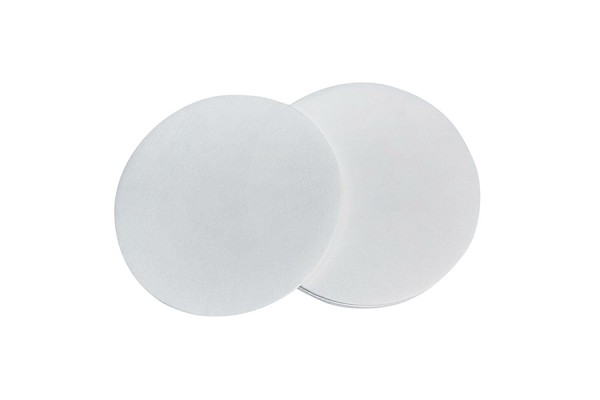
ePTFE, or expanded polytetrafluoroethylene, has gained significant traction in various industrial applications due to its unique properties. This material stands out for its exceptional chemical stability and high permeability, making it ideal for environments that demand durability under extreme conditions. Industries ranging from aerospace to medical technology are increasingly aware of the benefits that ePTFE can offer. It performs well even in harsh chemicals and severe temperature fluctuations. With a minimum pore size of 0.1 microns, ePTFE membranes allow the passage of gases and vapors while blocking larger particles, making them suitable for filtration applications. furthermore, their lightweight nature and flexibility make them easy to integrate into complex systems. In industries like electronics, the insulating properties of ePTFE boost signal transmission in cables and connectors, reducing resistive losses. Moreover, as businesses look to improve operational efficiency while ensuring safety, ePTFE continues to evolve as a preferred choice for sustainable industrial solutions.
Conclusion
the exploration of ePTFE membranes across various industries highlights their versatile applications and significant benefits. Their durability and chemical stability are essential for critical sectors, including medical technology, automotive engineering, and electronics. These membranes provide reliable performance under extreme conditions, ensuring safety and efficiency in operations. The lightweight and flexible nature forgoes the need for bulky designs while enhancing functionality. As industries continue to seek materials that can withstand demanding environments, ePTFE membranes emerge as an ideal choice. Innovations in technology will likely expand their applications further, solidifying ePTFE’s role in shaping the future of industrial solutions. The ongoing research into their capabilities promises to bring forth new opportunities that leverage their unique properties for even broader use cases.
FAQs
What are ePTFE membranes commonly used for?
ePTFE membranes are utilized in various industries including medical technology, automotive engineering, electronics, and chemical processing due to their durability and chemical stability.
How does ePTFE compare to traditional materials?
ePTFE offers superior chemical resistance and flexibility compared to traditional materials, making it more suitable for applications in harsh environments.
Are ePTFE membranes biocompatible?
Yes, ePTFE membranes are biocompatible, allowing them to be safely used in medical devices without causing adverse reactions.
What makes ePTFE a preferred choice in automotive applications?
ePTFE’s lightweight nature and excellent insulation properties improve vehicle performance by reducing weight while providing reliable protection against moisture.
Can ePTFE membranes withstand extreme temperatures?
Yes, ePTFE membranes maintain their integrity and performance even under extreme temperature fluctuations and harsh chemical exposure.