main Takeaways
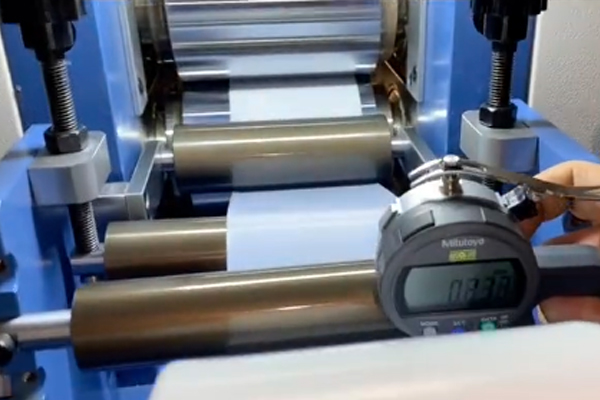
PTFE film is increasingly becoming integral to high-performance applications across various industries due to its unique properties. Its superior thermal stability, which allows it to endure extreme temperature variations, ensures reliable performance in challenging environments like telecommunications and semiconductor technology. The film’s low dielectric loss is main to maintaining signal integrity during high-frequency transmissions, thus enhancing overall system efficiency. also, PTFE’s exceptional chemical resistance makes it suitable for use in hostile settings where exposure to corrosive agents is common, minimizing the risk of degradation or contamination. As industries evolve and pursue more advanced technological solutions, the adaptability of PTFE film reflects its growing significance in developing new products that require reliable materials to meet modern demands. This versatility supports a range of applications from cable insulation to complex semiconductor devices, solidifying PTFE as a leading material in contemporary engineering advancements.
The importance of PTFE Film Usage
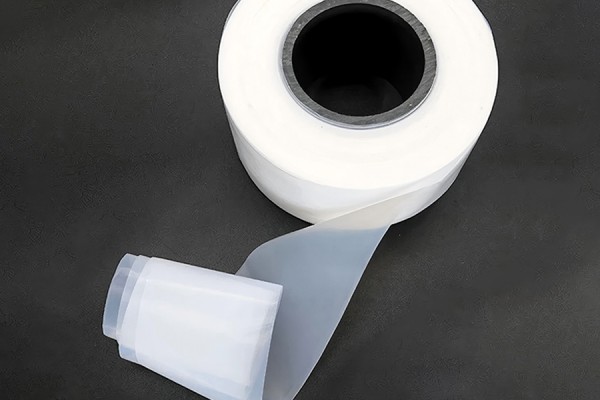
PTFE film plays a important role across various high-performance applications due to its outstanding attributes. The properties of PTFE, such as its high thermal stability, low dielectric loss, and excellent chemical resistance, make it indispensable in industries like telecommunications and semiconductor manufacturing. In telecommunications, the use of PTFE cable wrapping tape enhances signal integrity by minimizing signal degradation during transmission. Meanwhile, the versatility of PTFE wrapping film extends to applications requiring durable insulation where the material effectively prevents moisture ingress and cable wear. PTFE Thread Seal Tape is critical in plumbing and mechanical systems, ensuring leak-free connections under tough conditions. Furthermore, specialized formulations like DAC high-speed cable wrapping film optimize performance for advanced communication systems. AEC and AOC high-speed cable wrapping films improve the efficiency of data transmission lines and support the increasing demand for data bandwidth. also, ACC high-speed cable wrapping film is emerging as a reliable choice in expanding markets, and its utility in low-loss applications further underlines the lasting importance of PTFE film in driving innovation across multiple sectors.
original Applications of PTFE Film
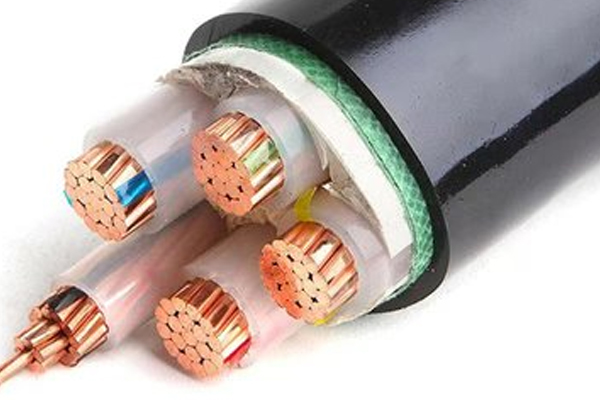
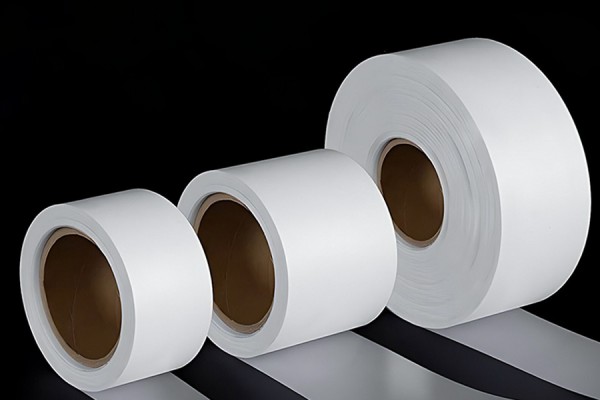
PTFE film plays a important role in various industrial applications due to its unique properties. In electronics, it is utilized in flexible circuits and insulating layers, significantly contributing to performance efficiency. furthermore, the film’s low dielectric loss makes it suitable for high-frequency signal transmission, essential for telecommunications and RF applications. In the aerospace sector, PTFE film is increasingly employed for its lightweight and durable characteristics. Manufacturers benefit from using PTFE films in cable insulation and protection against environmental factors like moisture and chemicals. Furthermore, these films are instrumental in medical devices, providing antimicrobial surfaces while maintaining compatibility with body tissues. The adaptability of PTFE film to various formulations also allows customization for specific needs in diverse fields, including automotive, where it aids in enhancing component durability and reducing friction in moving parts.
PTFE Film and Thermal Stability
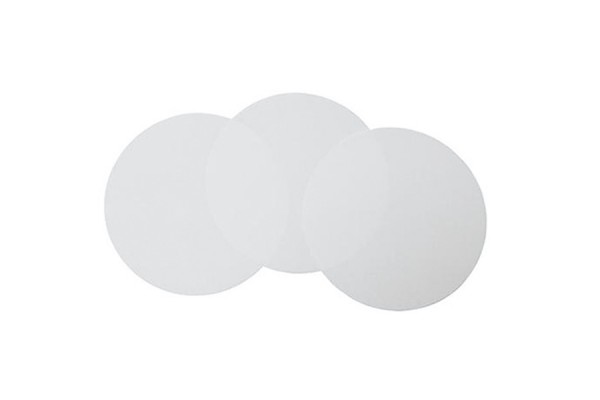
PTFE film is renowned for its exceptional thermal stability, maintaining its integrity across a wide temperature range. This property ensures that PTFE retains its physical characteristics even in extreme conditions, making it suitable for high-performance applications. The ability of PTFE to withstand temperatures from -150 to 260℃ positions it as a reliable choice in industries where thermal fluctuations are commonplace. For instance, in telecommunications, devices often experience rapid temperature changes that can impact performance; PTFE film mitigates these risks by providing consistent dielectric performance. Moreover, the stability of PTFE under thermal stress reduces the likelihood of material fatigue and failure, promoting longer-lasting application durability. As industries push for more efficient technologies, the role of PTFE film in ensuring operational reliability becomes increasingly important. Its thermal resilience not only enhances product lifespans but also contributes to system efficiency by minimizing energy loss associated with overheating or thermal degradation.
Low dielectric loss in PTFE Film
Low dielectric loss is a main characteristic of PTFE film, making it particularly beneficial in high-frequency applications. This property allows for minimal energy dissipation during signal transmission, ensuring efficient performance in electronic components. The unique molecular structure of PTFE contributes to its ability to maintain a stable dielectric constant under varying temperature conditions, resulting in consistent performance across a wide range of environments. As industries increasingly demand reliable materials for telecommunications and semiconductor applications, the low dielectric loss of PTFE film positions it as an ideal solution. furthermore, its effectiveness in reducing signal degradation enhances overall system performance while facilitating advancements in technology such as 5G and beyond. The interaction between low dielectric loss and the operational efficiency of devices further emphasizes the importance of integrating PTFE film into modern electronics.
Chemical resistance offered by PTFE Film
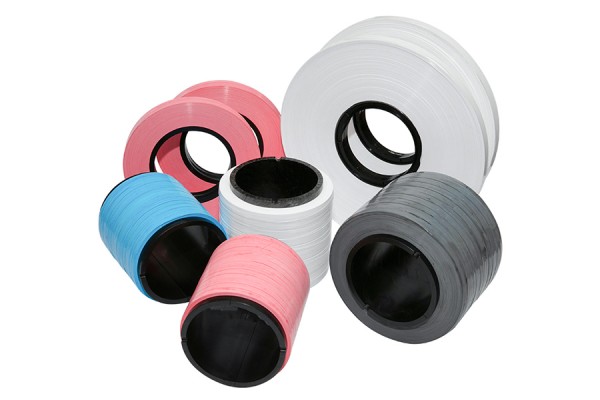
PTFE film exhibits remarkable chemical resistance, allowing it to perform effectively in harsh environments. It withstands a wide array of aggressive chemicals, including acids, bases, and organic solvents without degrading. This durability makes PTFE an optimal choice for industries that require materials capable of sustaining prolonged exposure to corrosive substances. The non-reactive nature of PTFE ensures minimal chemical interaction, allowing for safe use in sensitive applications where contamination must be avoided. In addition, the film’s low surface energy creates a non-stick effect that reduces adherence of materials, which is especially beneficial in manufacturing processes. This characteristic not only enhances operational efficiency but also minimizes maintenance needs by preventing wear and tear caused by chemical adhesion. Overall, the unique chemical resistance properties of PTFE film play an essential role in advancing technology across various sectors.
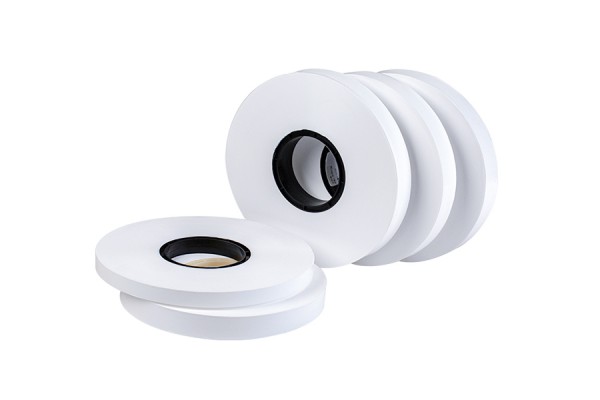
Enhancing telecommunications with PTFE Film
PTFE film plays an important role in the telecommunications industry, primarily due to its low dielectric loss, which is critical for efficient signal transmission. By minimizing signal degradation, PTFE film ensures that telecommunications systems operate at high performance levels. The unique thermal stability of PTFE film also supports reliable operation across various temperature fluctuations typical in communication environments. Furthermore, its chemical resistance protects against potential damage caused by environmental factors, ensuring long term reliability of communication equipment.
Telecommunications equipment often requires materials that can cope with harsh conditions without compromising performance. The characteristics of PTFE make it suitable for applications such as RF coaxial cables, antennas, and other critical components required for robust and resilient communication technologies. As the industry moves towards faster data rates and higher frequencies, the innovation behind PTFE film technologies will likely continue to support advancements in telecommunications infrastructure and connectivity solutions.
PTFE Film in Semiconductor Technology
PTFE film is gaining recognition in semiconductor technology due to its distinctive attributes that improve performance. Its low dielectric loss is important in high-frequency applications, enabling faster signal transmission, which is essential for the ongoing evolution of semiconductor devices. Moreover, PTFE film’s excellent thermal stability allows it to withstand the high temperatures common in semiconductor manufacturing processes, ensuring reliability and durability in devices. The chemical resistance of PTFE film also plays a vital role in minimizing contamination during fabrication, protecting sensitive materials from reactive substances. As the demand for smaller, more efficient chips grows, modified PTFE films are being developed to meet specific industry needs, including advanced applications like flexible electronics and wearable technologies. This adaptability positions PTFE film as an important material for innovation within the semiconductor field, facilitating the creation of more efficient and powerful electronic components while adhering to stringent industry standards.
Future trends for PTFE Film Applications
The outlook for PTFE film applications is evolving with advancements in technology. Industries are increasingly integrating PTFE films into high-performance electronics, reinforcing their essential role in next-generation telecommunications and semiconductor devices. As telecommunications gear shifts towards faster and more efficient systems, the demand for PTFE films that provide low dielectric loss escalates, allowing for enhanced signal integrity. Similarly, the semiconductor sector is seeing modifications to PTFE formulations that boost their thermal stability and performance, catering to more complex designs and demanding specifications. Moreover, emerging markets such as electric vehicles and renewable energy technologies are beginning to utilize PTFE films due to their resilience in harsh environments and ability to maintain performance over wide temperature ranges. This trend indicates a growing acceptance of PTFE in applications previously reserved for other materials, evidencing its adaptability and long term relevance in high-tech settings. As research continues to innovate applications for PTFE film, its functionality across diverse industries is set to expand further.
Conclusion
the role of PTFE film in high-performance applications is significant and continues to expand as technology advances. Its unique properties, such as superior thermal stability, low dielectric loss, and exceptional chemical resistance, ensure that it remains a important material in critical sectors like telecommunications and semiconductor technology. As industries evolve, the demand for materials like PTFE film that can withstand environmental challenges while maintaining performance is increasing. Future developments may lead to new formulations of PTFE that offer even greater adaptability for emerging technologies, including flexible electronics and sustainable energy solutions. The ongoing research into PTFE applications highlights its central position in driving innovation and improving efficiency across various fields, solidifying its importance in modern engineering and manufacturing processes. As we look ahead, the potential for PTFE film remains strong, paving the way for continued advancements in high-performance materials.
Frequently asked questions
what is PTFE film used for?
PTFE film is used in various high-performance applications, including telecommunications, semiconductor technology, and cable insulation due to its exceptional properties.
How does PTFE film boost thermal stability?
PTFE film maintains its integrity across a broad temperature range, allowing it to perform reliably in extreme thermal conditions commonly encountered in many industries.
Why is low dielectric loss important in PTFE film?
Low dielectric loss minimizes energy dissipation during signal transmission, making PTFE film ideal for high-frequency applications in electronics and telecommunications.
What makes PTFE film chemically resistant?
PTFE film can withstand exposure to aggressive chemicals without degrading, making it suitable for use in harsh environments where contamination must be avoided.
Can PTFE films be customized for specific applications?
Yes, PTFE films can be tailored to meet the specific needs of various industries by modifying their formulations for enhanced performance and durability.