important Takeaways
ePTFE membranes present significant advantages across various industrial sectors, particularly due to their unique combination of properties. Their superior chemical resistance and exceptional thermal stability allow them to function effectively in demanding environments. These membranes facilitate efficient filtration while maintaining structural integrity, making them indispensable in applications like aerospace systems and fuel cells. Furthermore, advances in ePTFE technology continue to boost their performance characteristics, resulting in more efficient energy generation and improved filtration solutions. The environmental benefits associated with the use of ePTFE membranes are also noteworthy, as they contribute to sustainability efforts by improving energy efficiency and reducing waste. Finally, these membranes offer cost-effective solutions when compared to traditional materials, underscoring their importance in modern industrial applications.
original Applications of ePTFE Membranes
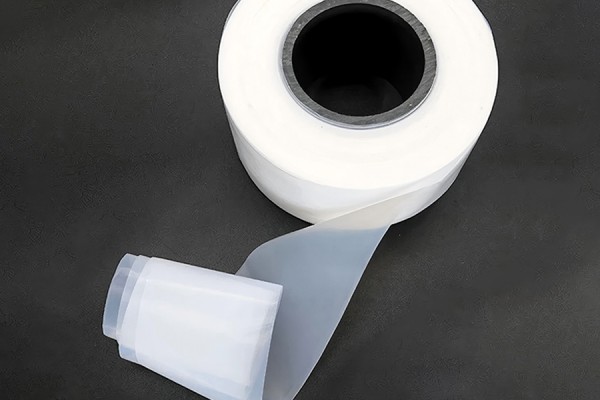
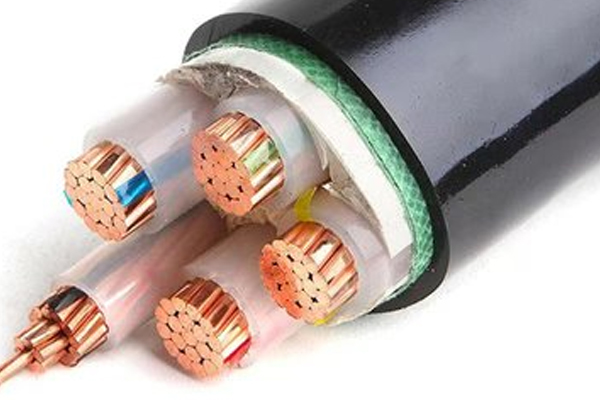
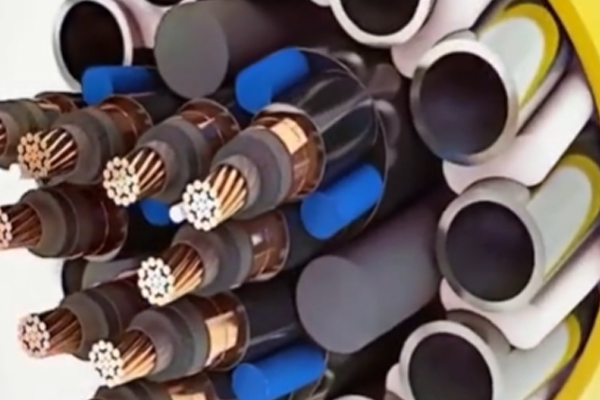
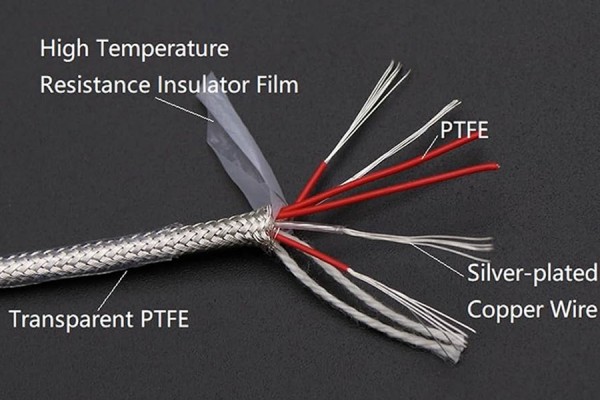
ePTFE membranes find extensive applications across various industries due to their unique properties. In the realm of high-speed communication, the membranes are integral to high speed transmission line PTFE wrapping tape, enhancing signal integrity while minimizing capacitance. Manufacturing sectors leverage PTFE wrapping film for its chemical resistance and durability, making it ideal for protecting sensitive components. Moreover, PTFE Thread Seal Tape enhances the reliability of fluid and gas systems by providing a secure seal that withstands extreme temperatures. ePTFE is also utilized in advanced cable protection solutions like PTFE cable wrapping tape, which contributes to the longevity and performance of cables within AI server environments. also, tailored solutions such as DAC high-speed cable wrapping film and AEC high-speed cable wrapping film cater specifically to advanced applications where enhanced performance is essential. These original uses stress the versatility of ePTFE membranes in promoting efficiency and reliability in complex systems, positioning them as vital components in today’s technology-driven situation.
important Benefits of ePTFE in Industry
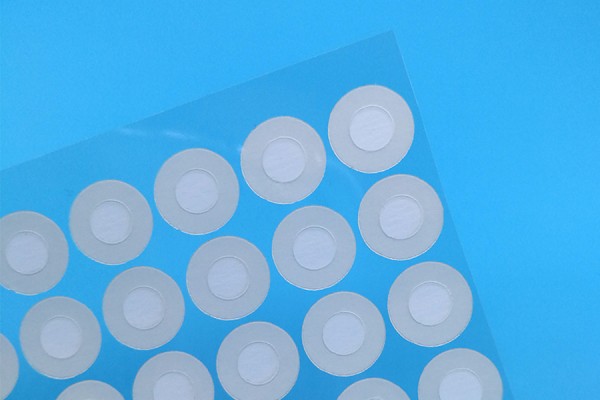
ePTFE membranes offer a range of advantages that make them highly sought after in various industrial sectors. Their exceptional chemical resistance allows them to perform reliably in aggressive environments, preventing corrosion and reducing maintenance needs. Furthermore, ePTFE membranes are lightweight yet durable, making them an excellent choice for applications where weight savings are critical, such as in aerospace and automotive industries. The unique porous structure of ePTFE provides high permeability while blocking unwanted particles, making these membranes ideal for filtration systems. also, their versatility allows for customization to meet specific requirements across different industries. ePTFE also boasts superior thermal stability, resulting in consistent performance under extreme temperatures, which is essential for applications like fuel cells and high-performance electronics. Overall, these attributes contribute to improved efficiency and cost-effectiveness in industrial processes, enabling companies to optimize operations while adhering to stringent standards and regulations.
Specifications of High-Performance ePTFE
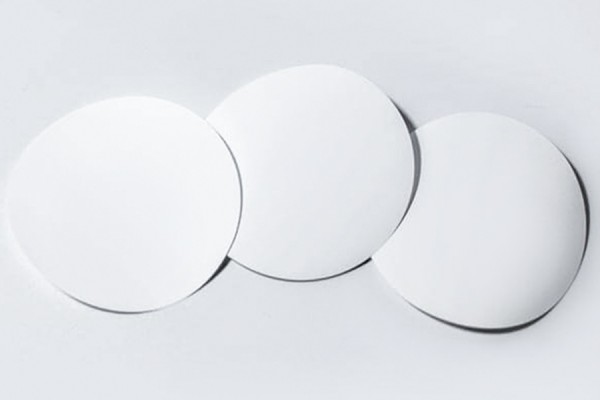
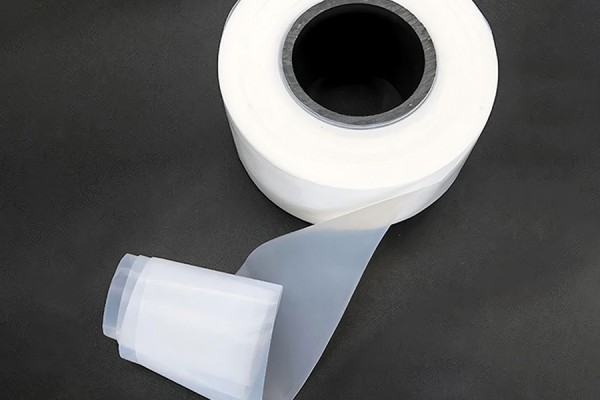
High-performance ePTFE membranes are characterized by their impressive specifications that cater to demanding industrial requirements. These membranes typically measure around 0.02 mm in thickness, allowing for thin yet robust designs essential for applications where space and weight are critical. Their porosity usually hovers around 70%, providing significant gas permeability; for instance, a typical membrane achieves a gas permeability of at least 1200 cm/cm/min at a pressure of 7 kPa. furthermore, they exhibit a water intrusion pressure of at least 3000 mmH2O, reinforcing their utility in environments where moisture resistance is paramount. The blend of these properties ensures that ePTFE membranes maintain high thermal and chemical stability, vital for sectors such as aerospace and biopharmaceuticals. Importantly, modifications to traditional PTFE formulations boost their creep resistance and temperature tolerance, making them ideal for high-frequency circuits utilized in advanced technologies like AI servers and fuel cells.
Role of ePTFE in Fuel Cell Technology
ePTFE membranes play a central role in the efficiency and performance of proton exchange membrane (PEM) fuel cells. These membranes are designed to allow high proton permeability while effectively blocking gases and contaminants, which is important for maintaining the integrity of the fuel cell operation. With a thickness of just 0.02 mm, ePTFE membranes provide a lightweight and compact solution, contributing to reduced overall weight in fuel cell stacks. Their gas permeability rating of ≥1200 cm/cm/min at 7 kPa ensures that protons can move freely, facilitating rapid electrochemical reactions that boost current output and efficiency. furthermore, the high water intrusion pressure (≥3000 mmH2O) and 70% porosity help maintain optimal hydration levels within the cell, which is vital for stable operation and longevity. The enhanced performance characteristics of ePTFE make it indispensable in advanced fuel cell technologies across various industries, including aerospace and biopharmaceuticals, where efficiency and reliability are paramount.
ePTFE Membranes in Aerospace Systems
ePTFE membranes play a vital role in aerospace systems, offering excellent chemical resistance and lightweight performance. These membranes are utilized in various applications, such as filtration and sealing, where reliability and durability are critical. The unique properties of ePTFE ensure minimal maintenance and extended operational lifespans, making them an attractive option for aircraft manufacturers. The membranes help to protect sensitive components from contaminants while maintaining optimal airflow, which is essential for engine efficiency and overall system performance. Furthermore, the high-temperature tolerance of ePTFE materials allows them to perform effectively under the demanding conditions of aerospace environments. As the industry pushes for greater efficiency and sustainability, ePTFE membranes are positioned as a important technology in meeting these goals. Their ability to withstand extreme conditions while enhancing system reliability aligns with the evolving needs of modern aerospace applications, from commercial aviation to space exploration.
Advancements in ePTFE Membrane Technology
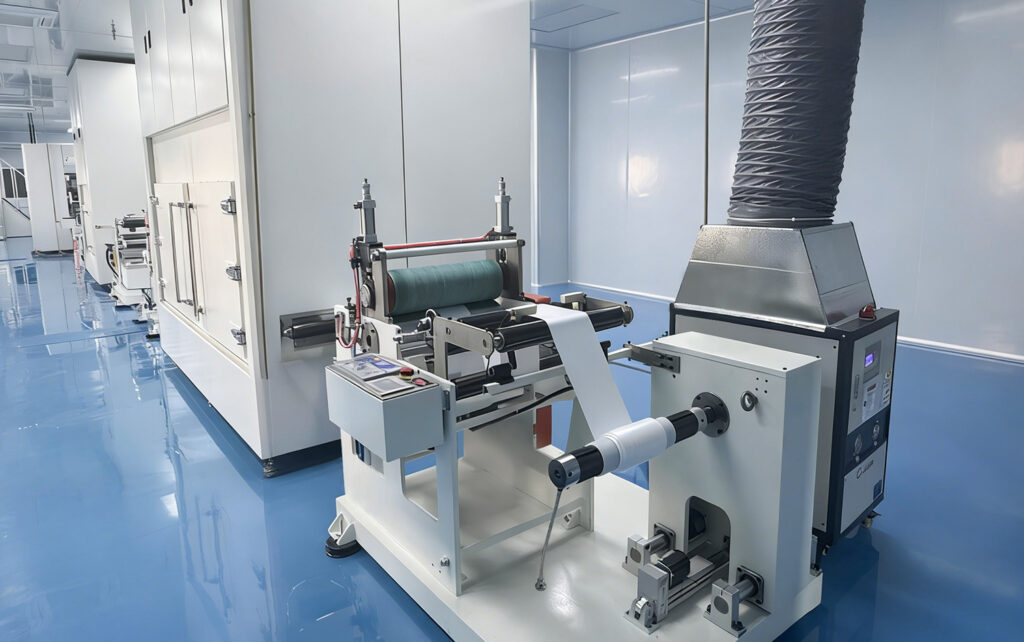
Recent advancements in ePTFE membrane technology have significantly improved their performance across various applications. Innovations in manufacturing processes have led to enhanced porosity and uniformity, resulting in membranes that exhibit superior gas and liquid permeability. These advancements enable ePTFE membranes to better retain their integrity under extreme conditions, such as high temperatures and aggressive chemical environments. also, new composite formulations combining ePTFE with other materials are being developed to further optimize their properties, balancing strength and flexibility for specialized industrial needs. Enhanced fabrication techniques also allow for tailored membrane designs that meet specific requirements of modern applications, such as those found in aerospace filtration systems. This ongoing evolution not only drives efficiency but also opens up new possibilities within sectors increasingly reliant on advanced materials, reaffirming the relevance of ePTFE membranes in cutting-edge technologies.
Environmental impact of ePTFE Applications
ePTFE applications carry significant environmental considerations, particularly due to their durability and resistance to chemical degradation. This stability means that ePTFE products can withstand harsh conditions and have a longer lifespan compared to many conventional materials, reducing the frequency of replacement and minimizing waste. also, ePTFE membranes contribute to energy efficiency, particularly in fuel cell technologies where they enable enhanced proton permeability while preventing gas leaks. This efficiency aids in decreasing the overall carbon footprint attributed to energy production.
Moreover, the production processes for modified ePTFE materials are evolving toward more sustainable practices, utilizing less harmful chemicals and requiring less energy compared to traditional manufacturing methods. As industries pursue greener alternatives, ePTFE’s versatility offers an attractive solution in applications ranging from aerospace to biopharmaceutical manufacturing. However, challenges remain regarding the disposal of ePTFE products at the end of their lifecycle, as their non-biodegradable nature poses potential impacts on landfill environments. A holistic approach is essential for balancing performance benefits with environmental stewardship in deploying ePTFE membranes across various sectors.
Cost advantages of Modified ePTFE
Modified ePTFE offers significant cost advantages in various industrial applications. By improving manufacturing processes and optimizing material performance, companies can realize savings in both production and operational phases. The enhanced dielectric properties of modified ePTFE also contribute to lower energy consumption in high-frequency circuits, leading to reduced overall costs over time. Furthermore, these membranes can minimize the need for frequent replacements due to their increased durability and resistance to wear, which further alleviates financial burdens on manufacturers. As industries transition toward localized supply chains, the affordability of modified ePTFE becomes instrumental in driving domestic production of essential components, making it a strategic option for companies looking for cost-effective solutions without compromising on quality. This combination of performance and economy positions modified ePTFE as a helpful choice in the competitive marketplace.
Conclusion
the unique properties of ePTFE membranes position them as highly effective components in various industrial applications. Their ability to improve filtration efficiency and durability directly contributes to advancements in critical sectors like aerospace and fuel cell technology. The lightweight and flexible characteristics, combined with excellent chemical resistance, lead to more reliable systems and equipment. Moreover, the ongoing innovations in ePTFE membrane technology suggest significant potential for enhanced environmental sustainability, as they often lead to reduced waste and energy consumption. As industries increasingly look for cost-effective solutions, modified ePTFE membranes add further advantages by offering both performance and affordability. The integration of these membranes into modern technologies reflects their key role in meeting the demands of future industrial challenges.
FAQs
What are ePTFE membranes used for in industrial applications?
ePTFE membranes are utilized in various industrial applications, including filtration, sealing, and as barriers for gases and liquids due to their exceptional chemical resistance and mechanical strength.
How do ePTFE membranes boost fuel cell performance?
ePTFE membranes improve fuel cell performance by providing effective proton exchange while maintaining low gas permeability, which enhances efficiency and durability.
What are the main benefits of using ePTFE membranes in aerospace systems?
In aerospace systems, ePTFE membranes offer lightweight construction, high-temperature resistance, and excellent filtration capabilities that contribute to the reliability and efficiency of aerospace components.
What specifications should be considered when selecting ePTFE membranes?
main specifications for selecting ePTFE membranes include thickness, porosity, temperature tolerance, chemical compatibility, and operational pressure to ensure optimal performance for specific applications.
Are there any environmental concerns associated with ePTFE applications?
While ePTFE is generally considered safe and non-toxic, concerns may arise from its production processes and disposal methods. Sustainable practices in manufacturing can help mitigate these environmental impacts.